Homemade Laundry Detergent Risks: Why DIY Recipes Often Fail
Table of Contents
Things You'll Learn From This Article:
- Mixing grated bar soap with washing soda and borax isn’t the same as using real detergent, and that difference matters in modern washing machines.
- Soap reacts with hard water minerals and turns into residue, the same stuff that makes bathtub rings, and it can build up inside your washer and on clothes.
- High‑efficiency washers make residue problems worse because they use less water and rinse less thoroughly.
- Borax does clean, but it also has real toxicity concerns, especially when residue stays on clothes that touch skin all day.
- Homemade detergent usually works only on lightly dirty laundry and struggles with sweat, grease, blood, and food stains.
- Commercial detergents clean better partly because they use enzymes that break down stains before washing them away, something DIY recipes don’t have.
- Needing stain sprays or pre‑treaters is often a sign that the base detergent isn’t doing the full job.
- Using homemade detergent can put your washing machine warranty at risk if buildup or damage is traced back to soap use.
- Repeated washing with soap can leave clothes “technically washed” but still holding residue that feeds odor‑causing bacteria.
- Clothes washed with soap can smell fine when dry but start to stink again once they get damp from sweat.
- Hard water makes homemade detergent perform much worse, and most households have at least moderately hard water.
- Washing soda and borax help a little with hard water but can’t fully stop soap scum from forming.
- DIY detergent wastewater can harm garden soil over time because of its high sodium content.
- Strongly alkaline ingredients in homemade detergent can slowly damage fabrics, especially wool, silk, and cashmere.
- Even cotton and synthetic clothes may fade or wear out faster due to the harsher wash chemistry.
The internet abounds with recipes promising to liberate households from commercial detergent dependency. Grate a bar of soap, mix with washing soda and borax, and you have what bloggers claim is an effective, economical, and environmentally superior laundry solution. The ingredients are individually inexpensive. The process requires minimal effort. The appeal to self-sufficiency and chemical avoidance is powerful.
Yet the chemistry behind these recipes reveals fundamental problems that enthusiastic testimonials rarely address. The distinction between soap and detergent, poorly understood by most consumers, explains why formulations that worked for grandmother’s wringer washer fail in modern high-efficiency machines. The components that make these recipes function also create problems ranging from residue buildup to warranty voiding to genuine toxicity concerns.
This guide provides the technical foundation for understanding why homemade laundry detergent often disappoints and sometimes causes damage. The goal is not to defend commercial products but to ensure that anyone choosing the DIY path does so with clear understanding of the tradeoffs involved.
The Soap vs Detergent Distinction

The fundamental problem with most homemade laundry detergent recipes is that they are based on soap rather than detergent. These terms are often used interchangeably in casual conversation, but they describe chemically distinct substances with very different behaviors in washing machines.
True soap consists of fatty acid salts, typically sodium or potassium salts of stearic, oleic, or other long-chain fatty acids. These molecules were the original cleansing agents used for millennia before synthetic alternatives emerged. Bar soaps like Fels-Naptha, Zote, and castile varieties all fall into this category and form the base of most DIY recipes.
Synthetic detergents use different molecular structures, typically petroleum or plant-derived surfactants like sodium lauryl sulfate or alcohol ethoxylates. These molecules were engineered specifically to avoid the problems inherent to traditional soap, particularly the formation of insoluble residues in hard water.
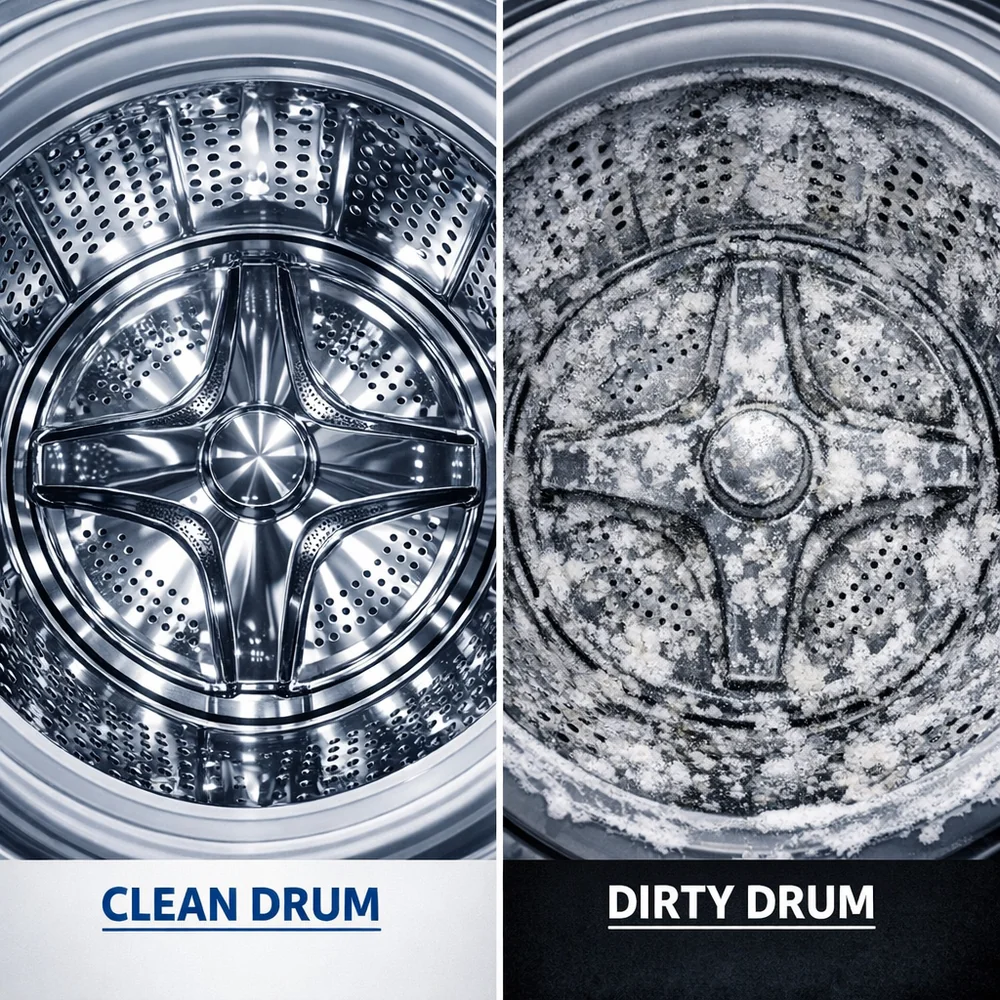
When soap reacts with the calcium and magnesium ions present in hard water, it forms calcium stearate and magnesium stearate, insoluble compounds commonly known as soap scum. This same reaction that leaves bathtub rings occurs inside washing machines using soap-based homemade detergent. The scum accumulates on drum surfaces, in seal crevices, and throughout the drainage system.
Modern high-efficiency machines compound this problem because they use less water than traditional top-loaders. The reduced water volume means higher mineral concentration per load, accelerating scum formation. The tight tolerances and sealed drum designs of HE machines provide more surfaces for scum accumulation while making cleaning more difficult.
Key Insight: Soap (fatty acid salts) and detergent (synthetic surfactants) are chemically different. Soap leaves residue in modern HE machines; detergent does not.
Borax Toxicity Is Real
Borax, or sodium tetraborate, appears in nearly every homemade laundry detergent recipe as a cleaning booster and water softener. Its effectiveness for these purposes is genuine, but its toxicity profile warrants consideration that DIY recipe promoters often omit.
The acute toxicity of borax is relatively low for an adult with normal exposure. However, borax is classified as a reproductive toxin in the European Union, where it requires hazard labeling under CLP regulations. Studies in laboratory animals have demonstrated effects on fertility and fetal development at elevated exposure levels.
The exposure route of concern for laundry applications involves residue remaining on fabric after washing. If soap-based detergent leaves residue as discussed above, borax incorporated in that residue also remains on fabric. Skin contact with borax-contaminated clothing could contribute to cumulative exposure, particularly for infants and children who mouth fabrics.
The practical risk from occasional homemade detergent use is likely minimal for healthy adults. However, the cumulative exposure picture changes for households that adopt homemade detergent as their permanent laundry solution, for families with infants who contact freshly washed fabrics extensively, and for individuals with compromised barriers like eczema sufferers.
Key Insight: Borax is classified as a reproductive toxin in the EU. While laundry exposure is low, households with children or pregnant individuals should consider alternatives.
Why Enzymes Matter
Commercial laundry detergents incorporate enzyme systems that provide cleaning capabilities no combination of soap, washing soda, and borax can replicate. These biological catalysts target specific soil types with precision that purely chemical approaches cannot match.
Protease enzymes break down protein-based stains including blood, sweat, grass, and food proteins. Lipase enzymes digest oily and greasy soils. Amylase enzymes tackle starch residues. Cellulase enzymes remove microfibrils from cotton that cause graying and pilling. No homemade recipe includes these components because enzymes are not available in consumer-accessible forms that maintain stability.
The absence of enzymes explains why homemade detergent often seems to work for lightly soiled loads but fails on challenging stains. Light soiling involves mostly water-soluble and easily dispersed particles that surfactant action alone can address. Protein and oil stains require enzymatic pre-digestion before surfactant removal becomes effective.
Users of homemade detergent who encounter stubborn stains often resort to pre-treatment with commercial stain removers, effectively re-introducing the enzyme technology their base formula lacks. This approach can work but undermines claims of commercial product independence.
Key Insight: DIY detergent has zero enzymes. This means blood, grass, sweat, and oil stains will not fully release, even if the fabric looks clean.
Warranty Implications
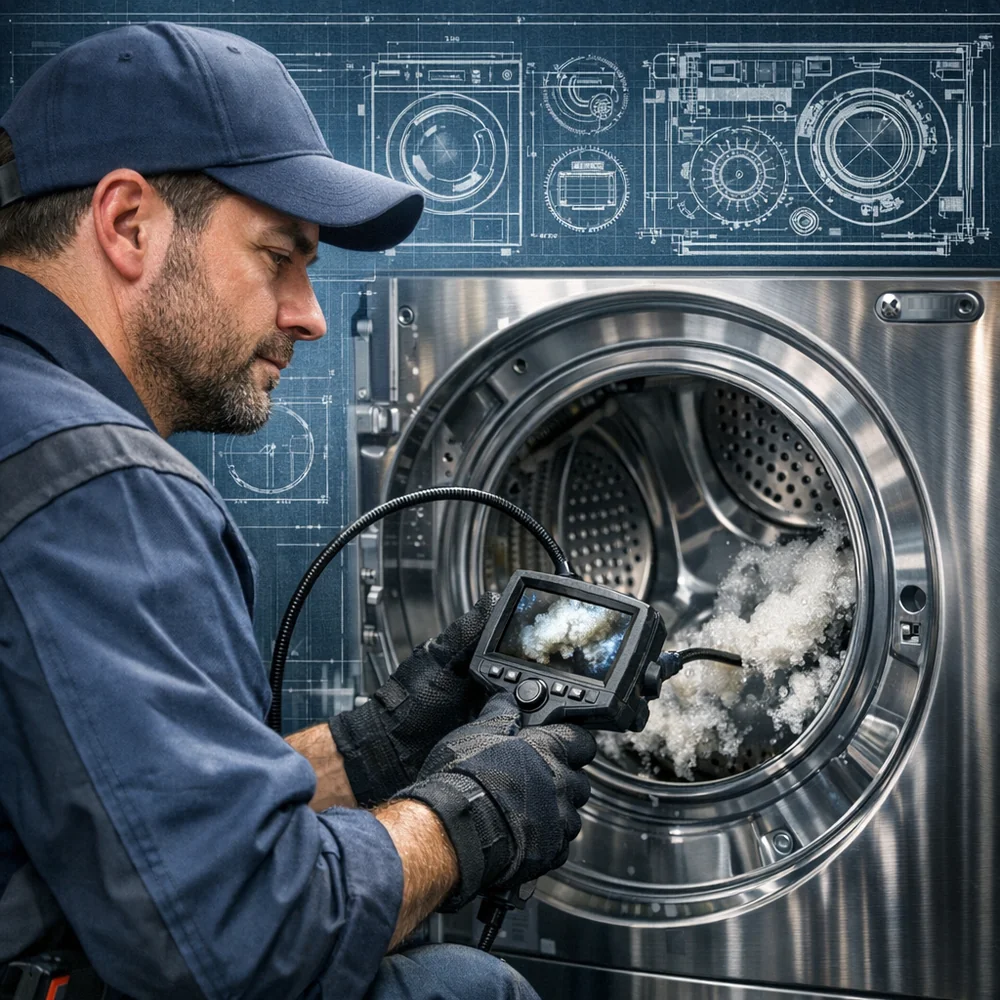
Washing machine manufacturers specify detergent requirements in their warranty terms, typically requiring use of detergents formulated for the machine type. Using non-approved cleaning agents can void warranty coverage for problems that might be attributed to improper product use.
The warranty language varies by manufacturer but often includes provisions like “damage caused by use of non-HE detergent” or “buildup resulting from improper cleaning agents.” A service technician discovering soap scum accumulation during a warranty claim investigation might attribute the malfunction to improper detergent choice, denying coverage.
The practical enforcement of these provisions depends on whether the manufacturer can demonstrate causation between the cleaning product and the failure. Residue accumulation is relatively easy to identify and attribute. Other failures might be covered despite DIY detergent use if no causal connection is apparent.
For consumers still paying off appliances or relying on warranty coverage for expensive machines, the warranty risk adds to the economic calculation. The savings from homemade detergent could be offset by a single denied warranty claim requiring out-of-pocket repair.
Key Insight: Most HE washing machine warranties require HE-compatible detergent. Soap-based DIY formulas may void your warranty if they cause buildup or damage.
Biological Stains Demand More
Beyond the enzyme question, homemade detergent formulations face fundamental limitations against biological soils that commercial products have engineered solutions to address. Understanding these limitations helps set realistic expectations for what DIY approaches can accomplish.
Blood stains require protease action to digest hemoglobin proteins, followed by oxidizing agents to address the iron-containing heme component. Homemade formulations lack both the protease and the specialized oxidizers like sodium percarbonate activated with TAED that commercial products include for this purpose.
Sweat stains combine protein from skin cells and sweat proteins, oil from sebum, and mineral salts in a complex matrix that bonds to fabric over time. Commercial sport detergents address this with protease, lipase, and chelating agents working synergistically. Homemade detergent offers only the chelating action of washing soda, leaving proteins and oils largely intact.
Grass stains contain chlorophyll and grass proteins that require both oxidation and proteolysis for complete removal. The washing soda in homemade detergent provides some alkaline oxidizing action, but without protease support, the protein component remains embedded in fabric fibers.
Key Insight: Blood, grass, and body soil contain proteins that require enzymatic digestion. Soap and washing soda alone cannot break these molecular bonds.
Greywater Compatibility Problems
Households directing laundry wastewater to garden irrigation must consider how their cleaning products affect soil and plants. Homemade detergent ingredients present both advantages and concerns for greywater applications.
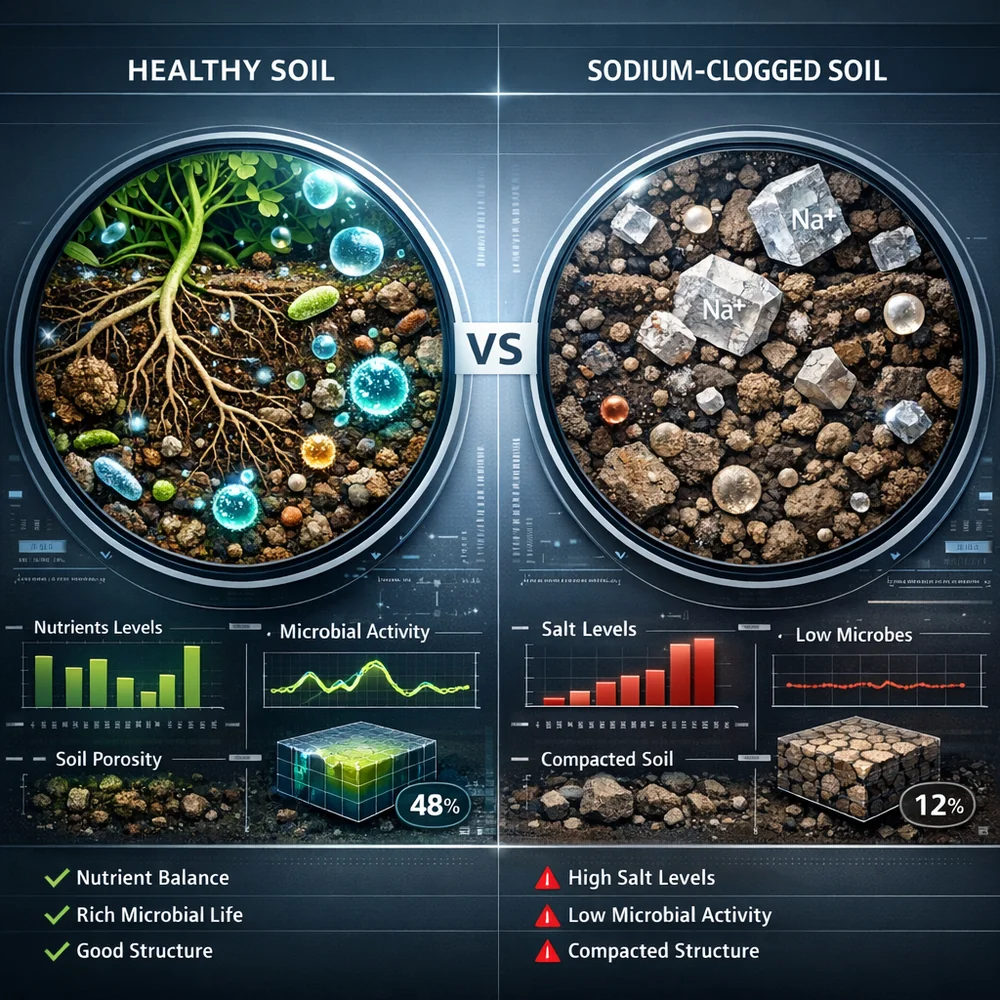
The high sodium content of many recipes creates the primary concern. Washing soda, or sodium carbonate, and borax, or sodium tetraborate, both contribute significant sodium that can accumulate in soil with repeated irrigation. Sodium buildup degrades soil structure, reduces water infiltration, and creates toxic conditions for many plants.
Bar soaps contribute additional sodium unless specifically formulated with potassium instead, as in some castile soaps. The combination of multiple sodium sources in typical recipes means homemade detergent greywater carries heavy sodium loads that require careful management or soil amendment to prevent damage.
On the positive side, homemade formulations typically avoid the optical brighteners, synthetic fragrances, and other additives that can persist problematically in irrigated landscapes. The tradeoff is between simpler ingredients with sodium concerns versus complex commercial formulations with different persistence issues.
Key Insight: Homemade detergent is high in sodium from washing soda. Repeated greywater irrigation can damage soil structure and kill plants.
Bacteria Love Residue
Soap residue remaining on fabrics after washing creates more than aesthetic or feel concerns. The residue provides a substrate for bacterial colonization that can cause odor problems and potentially compromise garment hygiene.
Fabric emerging from a wash cycle with soap residue coating its fibers is not truly clean. The residue contains not only soap compounds but also soil particles that failed to rinse away, trapped within the insoluble matrix. As the residue rehydrates with sweat and humidity during wear, it releases these trapped soils while providing nutrient substrate for bacterial growth.
The characteristic “rewet odor” that some consumers notice with homemade detergent results from this bacterial colonization. Garments that smell acceptable when dry develop noticeable odor when dampened with sweat because bacterial metabolism accelerates in moist conditions.
Breaking this cycle requires either switching to true detergent, meaning soap-free formulations, or implementing periodic stripping washes with hot water and products specifically designed to remove accumulated residue.
Key Insight: Soap residue traps soil and feeds bacteria. Clothes may look clean but develop odor faster and rinse truly dirty when wet.
Hard Water Makes Everything Worse
Hard water, defined as water containing elevated calcium and magnesium minerals, dramatically affects soap performance. The chemical reaction between soap and these minerals explains why homemade detergent fails most severely in hard water regions.
The reaction is straightforward: sodium stearate, or soap, plus calcium ions yields calcium stearate, or soap scum, plus sodium ions. This is not a side effect or impurity issue but rather fundamental chemistry that occurs whenever soap contacts hard water minerals. The reaction cannot be prevented, only mitigated through water softening.
Water hardness in the United States ranges from soft, below 60 mg/L calcium carbonate equivalent, to very hard, above 180 mg/L. Approximately 85 percent of American households have hard water, with the hardest water concentrated in the Southwest and Great Plains regions. Consult the USGS Water Hardness Map to determine your local water quality.
The washing soda and borax in homemade recipes provide some water softening through chelation and precipitation of calcium. However, these mechanisms cannot fully prevent soap scum formation when hardness is elevated. Users in hard water areas experience the worst results with homemade detergent, including visible residue on dark clothing, stiff feel on towels, and accelerated machine buildup.
Key Insight: Hard water converts soap to insoluble scum. The harder your water, the worse homemade detergent will perform and the more residue you’ll accumulate.
pH Damage to Fabrics
The strongly alkaline nature of homemade laundry detergent affects fabric in ways that may not be immediately apparent but accumulate over time. Understanding pH effects on different fiber types helps predict which fabrics will tolerate DIY formulations and which may suffer damage.
Washing soda creates solutions with pH around 11, which is strongly alkaline. Borax contributes additional alkalinity at pH 9.3. Combined with the naturally alkaline character of true soap, homemade detergent creates a wash environment substantially more alkaline than commercial formulations, which typically target pH 9 to 10 for optimal cleaning with fabric protection.
Protein fibers including wool, silk, and cashmere suffer the greatest damage from high-pH washing. Alkaline conditions break peptide bonds in the keratin and fibroin proteins that give these fibers their structure. The damage manifests as felt-like texture in wool, loss of luster in silk, and general weakening of protein fiber garments.
Cotton and synthetic fibers tolerate alkaline conditions better, as their cellulose and polymer structures resist alkaline hydrolysis. However, even these fibers may show accelerated wear from the harsh wash environment. Colored fabrics can fade faster as dyes designed for specific pH ranges encounter conditions outside their stability windows.
Homemade laundry detergent appeals to values of simplicity, self-sufficiency, and ingredient control that many consumers legitimately prioritize. However, the chemistry underlying these recipes introduces problems that the most viral blog posts rarely acknowledge. Soap scum accumulation, enzyme absence, hardness sensitivity, and pH concerns collectively explain why users often find their results disappointing.
While this approach is popular in zero-waste laundry routines, it often fails to address mechanical issues or provide a way to manage microplastics laundry filters effectively.
For those who choose to proceed despite these concerns, mitigation strategies can reduce though not eliminate the problems. Using the softest available water, implementing periodic stripping washes, adding washing soda directly to the drum for extra softening, and reserving homemade detergent for lightly soiled loads of tolerant fabrics represent reasonable accommodations.
The honest comparison acknowledges that commercial detergents were engineered over decades to solve precisely the problems that homemade recipes exhibit. That engineering comes with tradeoffs in ingredient complexity and environmental impact that motivate people toward DIY alternatives. The choice between approaches requires weighing one set of concerns against another, not assuming that “natural” automatically means “better.”
Key Insight: Homemade detergent is more alkaline (pH 11+) than commercial products (pH 9-10). This can damage protein fibers like wool and silk over time.
The Bottom Line
References
- ECHA. “Boric Acid and Borates: Reproductive Toxicity Classification.”
- USGS. “Water Hardness Map of the United States.”
- ACS. “The Chemistry of Soap and Detergents.”
- Consumer Reports. “HE Washing Machine Care and Maintenance.”
- Textile Research Journal. “Effects of Alkaline Washing on Natural Fibers.”
- ScienceDirect. “Surfactant Biodegradability and Environmental Impact.”