Zero-Waste Laundry Routine: Complete Sustainable Washing Guide
Table of Contents
Things You'll Learn From This Article:
- You can cut detergent bottle waste by refilling your own containers at bulk detergent stations instead of buying new plastic jugs each time.
- Bringing clean, dry containers matters, since leftover residue can contaminate shared bulk dispensers.
- Bulk detergent quality varies, so testing a small amount first helps avoid getting stuck with something that doesn’t clean well.
- Homemade laundry soap isn’t the same as real detergent and can leave buildup or cause problems in modern washing machines.
- Commercial detergent concentrates in refill or bulk systems often clean better while still avoiding single-use packaging.
- Dryer lint is only compostable if it comes from 100% natural-fiber clothing like cotton or wool.
- Lint from mixed or synthetic fabrics contains microplastics and should not go in compost.
- Dryer lint from any fabric can be reused as fire starter instead of throwing it away.
- Wool dryer balls replace disposable dryer sheets and can be reused for several years.
- Using several dryer balls per load helps reduce static, speeds up drying, and softens clothes without added chemicals.
- Adding essential oils to dryer balls requires caution, since some oils can be unsafe at high heat.
- Common household items like baking soda, vinegar, hydrogen peroxide, and castile soap can handle many everyday stains.
- Different stains need different treatments, so matching the ingredient to the stain improves results.
- Some tough stains may still require commercial products, and keeping one effective option can prevent ruined clothes.
- Listing every laundry product you use makes it easier to see where most of your packaging waste comes from.
- Detergent and fabric softener bottles usually create the largest share of laundry-related plastic waste.
- Replacing high-waste items first gives better results than trying to change everything at once.
- Laundry greywater can be reused for gardens only if the detergent doesn’t contain harmful salts or additives.
- Even greywater-safe products should be rotated across garden areas to avoid soil buildup.
- Local rules may limit greywater use, so checking regulations prevents legal or plumbing problems.
- Washing in cold water saves the most energy because heating water uses more power than washing itself.
- Modern detergents are designed to clean well in cold water for most everyday loads.
- Front-loading washers use much less water and energy than older top-loading machines.
- Eco or delicate wash cycles usually clean well while using less water and energy.
- Line drying eliminates dryer energy use and reduces wear on clothes.
- Sunlight can naturally freshen, sanitize, and lightly whiten laundry.
- Indoor drying racks work well when outdoor drying isn’t possible, especially with good airflow.
- Running full loads uses less water per item than washing small or half-full loads.
- Adjusting water levels on machines without auto-sensing prevents unnecessary water use.
- Treating stains early helps avoid re-washing, which doubles water and energy use for the same clothes.
The zero-waste movement challenges practitioners to examine every routine activity for opportunities to eliminate disposable products and unnecessary packaging. Laundry, a weekly or daily occurrence in most households, generates substantial waste through detergent bottles, dryer sheets, stain treatment containers, and the various accessories that accumulate in utility rooms. Transforming this routine into a minimal-waste practice requires systematic evaluation of each component.
The good news is that alternatives exist for virtually every conventional laundry product. Some alternatives involve simply switching brands to products with superior packaging. Others require behavioral changes like making products at home or adjusting usage patterns. The challenge lies in maintaining cleaning effectiveness while pursuing waste reduction, as some supposed eco-alternatives sacrifice performance in ways that ultimately prove impractical.
This guide provides a comprehensive framework for zero-waste laundry practice. The approach emphasizes practical sustainability rather than aspirational perfectionism, acknowledging that tradeoffs exist and that optimal solutions vary by household circumstances.
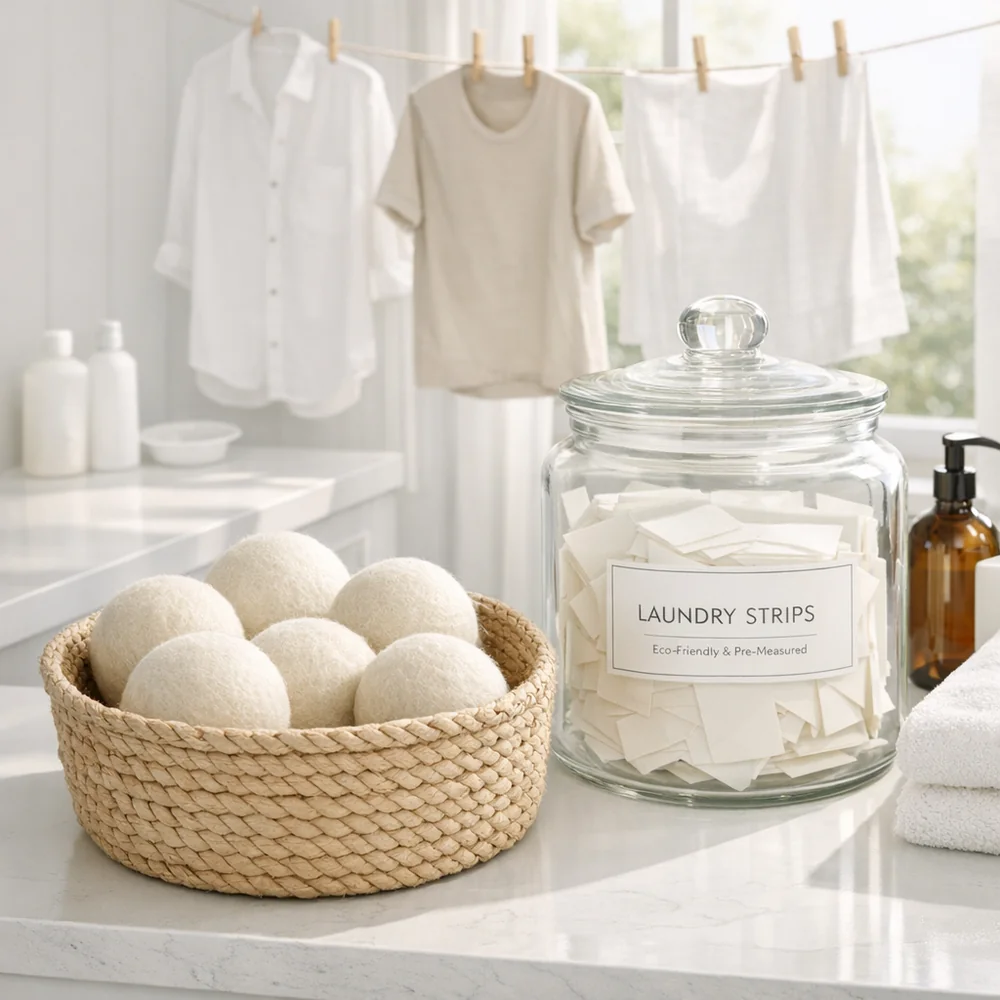
Mastering Bulk Bin Refills
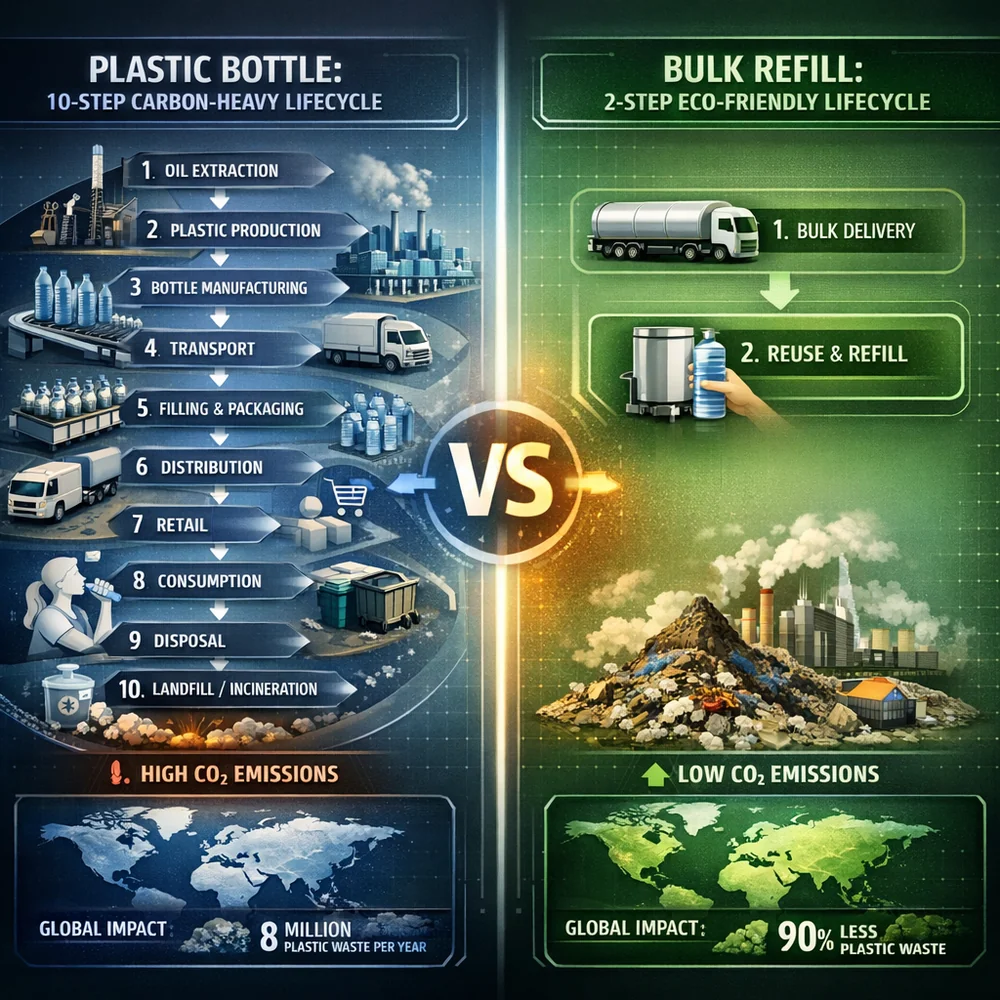
The most direct approach to eliminating detergent packaging involves purchasing from bulk dispensing systems that allow you to refill your own containers. This model has expanded from specialty natural grocers to mainstream retailers in many regions, making bulk refills increasingly accessible.
Bulk detergent typically dispenses from large containers into whatever vessel you provide. Bringing clean, dry containers from home avoids even the temporary packaging that single-use purchases require. Glass jars, sturdy plastic jugs saved from earlier purchases, or purpose-bought refill containers all work effectively. The key is ensuring containers are residue-free before refilling to prevent contamination of the bulk supply.
Pricing at bulk stations varies relative to packaged equivalents. Some stores price bulk detergent at a premium reflecting the convenience and environmental positioning. Others price competitively or below packaged equivalents, particularly for refills of house brands. Comparison shopping across local options helps identify the most economical sources.
Not all bulk detergent products meet the same quality standards as premium packaged brands. Requesting ingredient lists and manufacturer information allows evaluation before committing to large refill quantities. Some bulk stations dispense name-brand products while others offer generic formulations of unknown provenance. Testing small quantities before investing in ongoing refills prevents disappointment.
Key Insight: Bring your own clean container to bulk refill stations. Weigh it empty first so you only pay for the detergent you add.
Homemade vs Commercial Concentrates
The zero-waste community has long debated whether homemade detergent or commercial concentrates represents the better approach. Both eliminate single-use packaging, but their performance, convenience, and true environmental impact differ in ways worth understanding.
Homemade laundry detergent typically combines grated bar soap with washing soda and borax. These recipes circulate widely online, often with enthusiastic testimonials. The ingredients are individually available in bulk or in recyclable or compostable packaging, addressing the waste concern. However, performance limitations and potential machine problems complicate the picture.
The fundamental issue with most homemade recipes is that they are soap-based rather than detergent-based. True soap, which is fatty acid salts, behaves differently from synthetic detergents in modern washing machines. It can accumulate as residue in tight-tolerance high-efficiency machines, potentially causing odor problems and warranty issues. It also reacts with hard water to form scum rather than cleaning effectively. These homemade detergent risks warrant careful consideration.
Commercial concentrates purchased in refillable systems or bulk formats avoid these issues while still eliminating single-use packaging. Products formulated by professional chemists include appropriate surfactants for modern machines, enzyme systems for stain removal, and other functional ingredients that homemade recipes lack. The higher per-ounce cost often delivers better cleaning per load.
Key Insight: Homemade detergent lacks enzymes and can leave soap residue in modern HE machines. Commercial concentrates often perform better.
Composting Dryer Lint Safely
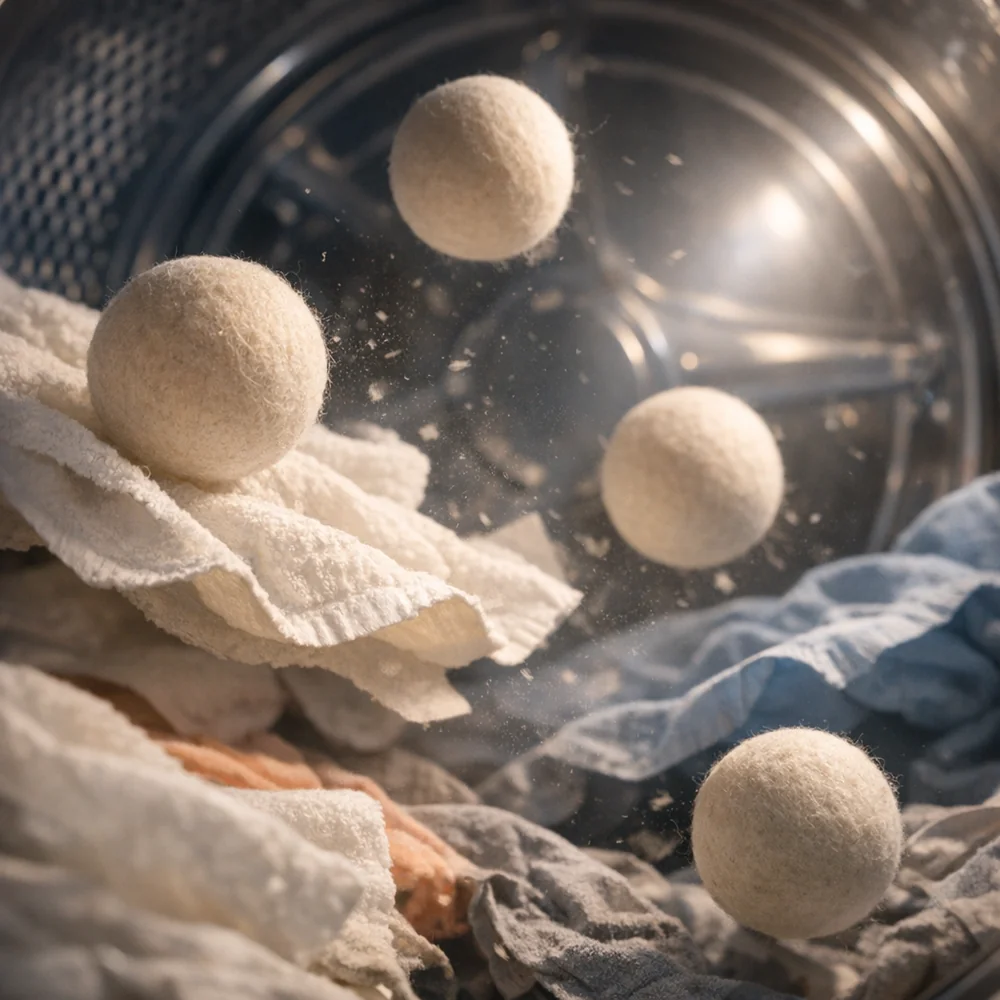
Dryer lint disposal represents one waste stream where zero-waste practice can sometimes close the loop through home composting. However, the compostability of lint depends entirely on the fiber content of the clothing that generated it, making this practice more nuanced than it initially appears.
Lint from loads consisting entirely of natural fibers, such as cotton, linen, wool, or silk, qualifies as carbon-rich “brown” material suitable for composting. These natural polymers biodegrade through the same microbial processes that decompose leaves and paper. A dedicated natural-fiber household could compost essentially all dryer lint without concern.
The practical challenge is that most households wash mixed fiber loads, and it takes only a small percentage of synthetic content to contaminate lint with non-biodegradable microplastics. Polyester, nylon, acrylic, and spandex fibers persist indefinitely in compost, fragmenting into smaller particles that disperse through finished compost and ultimately into garden soil. The detailed composting guidance addresses this complexity thoroughly.
For households unable to guarantee fiber purity, using dryer lint as fire-starting material provides an alternative to landfill disposal that extracts utility from the waste. The combustion converts both natural and synthetic fibers to ash, avoiding the persistence problems that make synthetic lint inappropriate for compost.
Key Insight: Only compost lint from 100% natural fiber loads. Synthetic lint adds microplastics to your compost and ultimately your garden soil.
Switching to Wool Dryer Balls
Fabric softening and static reduction traditionally rely on single-use dryer sheets that deposit waxy coatings on fabrics and generate packaging waste with each purchase. Wool dryer balls offer a reusable alternative that provides similar benefits without ongoing waste generation.
The physical action of dryer balls tumbling with laundry creates separation between items, reducing drying time by improving air circulation. This separation also reduces static cling by preventing the sustained fabric-to-fabric contact that generates static charge. Some users report softening effects comparable to chemical softeners, while others find the results more modest.
Wool dryer balls typically last three to five years with regular use before the felted structure degrades and effectiveness diminishes. At end of life, the wool is compostable or can find craft reuse. Three to six balls per load provide adequate tumbling action, with the total set representing the only investment over years of use.
Essential oils can be applied to dryer balls to add fragrance to laundry without the synthetic scent compounds in conventional dryer sheets. However, this practice requires attention to safety. Some essential oils have low flash points and could present fire risks at dryer temperatures. Light applications of lavender, lemon, or eucalyptus oil appear safe based on user experience, but the topic warrants cautious exploration.
Key Insight: Wool dryer balls reduce drying time by 15-25%, soften fabric through mechanical action, and last 3-5 years before needing replacement.
Natural Stain Removal Techniques
Zero-waste stain treatment replaces single-purpose commercial products with versatile natural ingredients that serve multiple household functions. The same substances used for stain treatment also work for household cleaning, personal care, and other applications, reducing the total product inventory required.
Baking soda, white vinegar, hydrogen peroxide, and castile soap form the core of a zero-waste stain treatment toolkit. These ingredients are available in bulk or minimal packaging and address a wide range of stain types when applied appropriately. Understanding which ingredient suits which stain type enables effective treatment without specialized products.
Baking soda’s mild alkalinity helps lift grease and oil stains when made into a paste and allowed to sit on fabric before washing. Hydrogen peroxide’s oxidizing action breaks down organic stain compounds, particularly effective on protein stains like blood and grass when applied promptly before the stain sets. Vinegar’s acidity dissolves mineral deposits and some dye transfer stains.
The limitation of natural stain treatment involves extreme cases where commercial enzyme products or specialized solvents genuinely outperform. For a heavily stained household with young children or athletes, maintaining a small inventory of effective commercial stain products alongside the natural basics may prove more practical than dogmatic adherence to zero-waste principles that results in permanently stained clothing.
Key Insight: Baking soda tackles grease, hydrogen peroxide handles protein stains, and vinegar cuts mineral deposits. Master these three and skip commercial stain products.
Conducting a Packaging Audit
Achieving zero-waste laundry requires systematic evaluation of every product currently in use. A packaging audit documents each item, its packaging materials, and disposal pathway. This inventory reveals the full scope of waste generation and prioritizes products for replacement.
Begin by gathering all laundry-related products: detergent, softener, stain treatments, bleach alternatives, specialty washes, and any other products you currently use. For each, note the primary container material, such as plastic, glass, or metal, any secondary packaging like boxes and bags, closure types like pumps and caps, and whether the packaging is realistically recyclable in your local system.
The audit typically reveals that detergent and fabric softener bottles represent the largest volume of plastic waste. Stain treatment products and specialty items generate smaller quantities but often involve complex packaging that is difficult to recycle. Dryer sheets create ongoing waste both from the product itself and from the boxes that contain them.
Armed with audit results, prioritize replacements based on waste volume and replacement feasibility. High-waste products with readily available zero-waste alternatives deserve first attention. Products with minimal waste or no practical alternatives can remain while you focus efforts where they matter most.
Key Insight: Audit every laundry product’s packaging. Identify the biggest waste generators and prioritize replacing those first.
Greywater Safety for Gardens
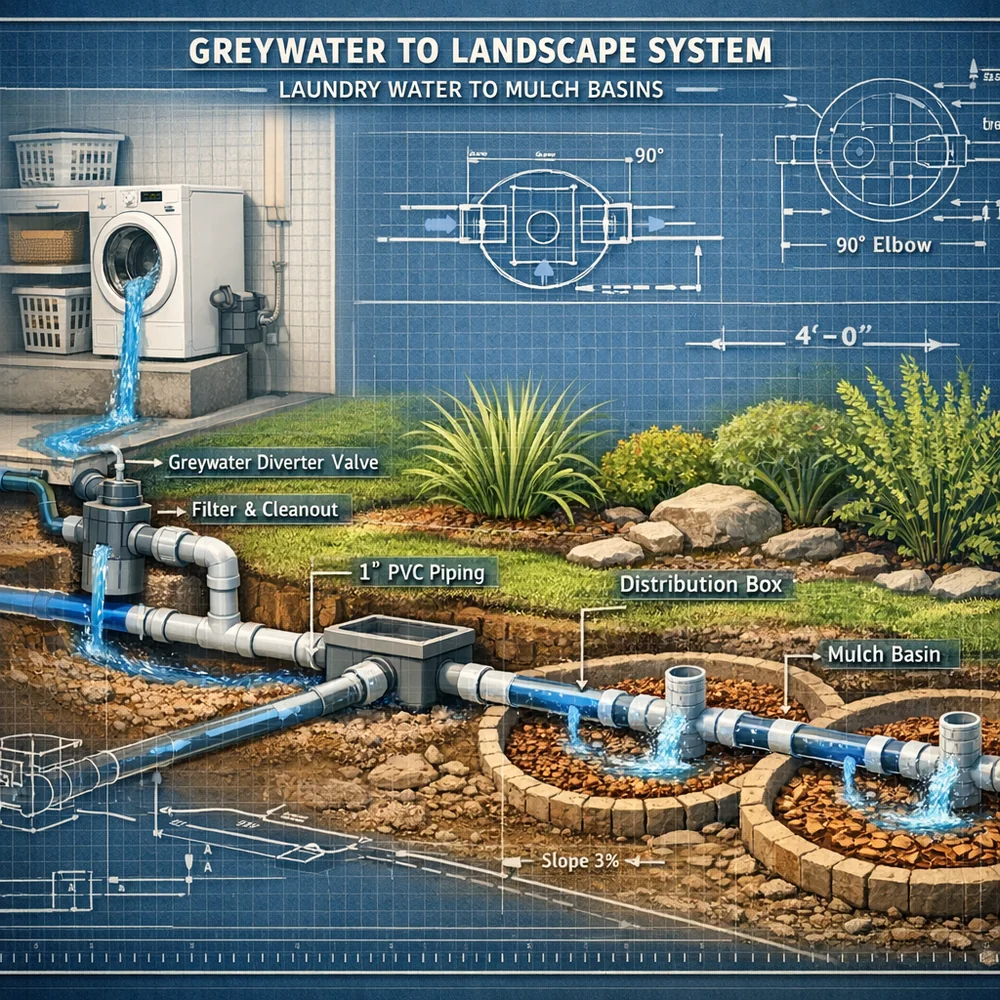
Households with outdoor space may consider directing washing machine wastewater, or greywater, to landscape irrigation rather than the sewer system. This practice conserves municipal water for treating and redirects nutrients that might otherwise require separate fertilizing. However, safety depends critically on what products the greywater contains.
Conventional laundry products often contain sodium compounds that accumulate in soil with repeated application, eventually damaging plants and soil structure. Boron, sometimes present in detergent formulations, is toxic to many plants at low concentrations. Fragrances, optical brighteners, and antimicrobial additives may persist in soil with unknown long-term effects.
Products marketed as “greywater-safe” are formulated to avoid these problematic ingredients. Plant-based detergents without sodium lauryl sulfate, optical brighteners, or boron provide the safest options for irrigation diversion. Even with safe products, rotating irrigation locations and observing plant health helps detect any accumulation problems before they cause permanent damage.
Local regulations may restrict or prohibit greywater irrigation. Check with your municipality before installing diversion systems. Where permitted, relatively simple plumbing modifications can direct washing machine output to outdoor distribution systems or holding tanks for controlled application.
Key Insight: Only use greywater for irrigation if you use plant-safe, sodium-free, biodegradable detergent. Otherwise, toxic buildup can kill plants.
Saving Energy Through Cold Water
Energy consumption represents an environmental cost that zero-waste practice should address alongside material waste. Most energy consumption in laundry comes from heating water, making temperature the single most impactful variable for reducing energy use.
Cold water washing has become viable for routine laundry thanks to detergent formulations designed for low-temperature cleaning. Enzymes function effectively at cold temperatures, and modern surfactants provide adequate cleaning action without the thermal boost that older products required. Tests by consumer organizations have generally shown minimal cleaning difference between cold and warm water cycles for lightly to moderately soiled loads. See our guide on soap nuts for an exception where heat is required.
Front-loading washing machines use substantially less water and energy than top-loading agitator models, with efficiency gains of 30 to 50 percent depending on specific model comparisons. If appliance replacement is on the horizon, prioritizing high-efficiency front-loaders supports the energy conservation component of sustainable laundry practice.
Wash cycle selection also affects energy use. Delicate and eco-friendly cycle settings typically use less water, lower temperatures, and gentler agitation. When appropriate for the load, selecting these settings reduces resource consumption without sacrificing cleaning results.
Key Insight: Cold water washing cuts laundry energy use by 75-90%. Modern detergents clean effectively without thermal activation.
Line Drying Benefits
Electric or gas dryers represent the largest energy consumers in the laundry process, often exceeding washing machine energy use by a factor of three or more. Line drying eliminates this consumption entirely while providing additional fabric care benefits.
Energy savings from line drying vary by local utility rates and dryer efficiency but typically range from $100 to $200 annually for regular dryer users. Environmental impact extends beyond household costs to the carbon emissions associated with electricity generation or natural gas combustion. In regions with coal-heavy electrical grids, line drying provides particularly significant emissions reduction.
Fabric benefits from line drying include reduced mechanical wear that extends garment life, preservation of elastic and heat-sensitive fibers, and the fresh scent of outdoor drying. Sunlight provides natural sanitization and mild whitening through UV action. Some users find that line-dried laundry feels different from dryer-processed items, either preferring the crispness or adding a brief tumble dry to restore softness.
Indoor drying racks provide line-drying benefits when outdoor space or weather prohibit exterior drying. Positioning racks near heat sources or in well-ventilated areas accelerates drying. Dehumidifiers prevent moisture problems when significant indoor drying occurs in enclosed spaces.
Key Insight: Line drying saves $100-200 per year in energy costs and eliminates the most carbon-intensive part of the laundry process.
Reducing Water Per Load
Water conservation complements waste reduction and energy efficiency in a comprehensive sustainable laundry practice. Modern efficient machines use 15 to 25 gallons per load, compared to 40 or more gallons for older models, but behavioral adjustments can reduce consumption further.
Running full loads rather than partial loads maximizes cleaning per gallon of water used. A machine uses nearly the same water for a half-full load as for a full load, effectively doubling per-garment water consumption when you wash partial loads frequently. Accumulating laundry to run full loads improves water efficiency substantially.
Adjusting water level settings when available allows matching water use to load size for machines without automatic sensing. Manually selecting lower water levels for smaller loads prevents the waste that occurs when machines default to higher settings.
Pre-treatment of heavily soiled items reduces the need for re-washing, which would double water consumption for those items. Spot treating stains before they set and addressing heavy soiling promptly allows single-wash success rather than the multiple cycles that stubborn soils sometimes require.
Zero-waste laundry practice requires evaluating and adjusting multiple elements of an ingrained household routine. The packaging audit reveals current waste patterns. Bulk refills, reusable alternatives, and behavioral changes address the identified waste streams. Energy and water conservation extend the environmental benefit beyond material waste reduction.
Perfection is neither required nor realistic as a starting point. Implementing even a few of these practices meaningfully reduces environmental impact compared to conventional laundry routines. Starting with high-impact changes like eliminating dryer sheets and adopting cold-water washing creates immediate benefit while more involved transitions develop over time.
The satisfaction of a well-functioning low-waste system emerges gradually as habits adapt and product choices stabilize. The initial effort pays ongoing dividends in reduced purchasing, lower utility bills, and the quiet confidence of practices aligned with environmental values.
Key Insight: Full loads use nearly the same water as partial loads. Wait until you have a full load to maximize water efficiency.
The Bottom Line
References
- EPA. “Reducing and Reusing Basics.”
- Treehugger. “Your Complete Guide to Zero Waste Laundry.”
- Plastic Free July. “Plastic-Free Laundry Tips.”
- Greenpeace. “How to Do Zero Waste Laundry.”
- Greywater Action. “Laundry-to-Landscape Systems.”