Citrus Solvent Cleaning Power: D-Limonene Science and Safety
Table of Contents
Things You'll Learn From This Article:
- That orange smell in cleaners comes from d‑limonene, a real solvent that can dissolve grease, oils, wax, and sticky residue—not just a fragrance.
- Citrus cleaners vary a lot in strength, so a mild spray and a concentrated degreaser can behave very differently on the same surface.
- Greasy kitchen messes and sticky label residue are some of the easiest problems to solve with citrus-based cleaners if you let them sit briefly before wiping.
- The same solvent power that removes gunk can damage certain plastics, especially polystyrene and Styrofoam, so checking the material or spot-testing matters.
- Many common plastics like HDPE, PET, polyethylene, and polypropylene usually handle citrus cleaners fine, but mixed or unknown plastics are risky.
- You can make a basic citrus vinegar cleaner by soaking citrus peels in white vinegar for a few weeks, then diluting it for everyday cleaning.
- Homemade citrus vinegar works well for light grease and general cleaning but won’t replace strong commercial degreasers for heavy-duty jobs.
- “Citrus enzyme cleaners” made by fermentation don’t actually contain long-lasting enzymes and have a limited shelf life before they spoil.
- If a homemade citrus cleaner smells off, grows mold, or separates strangely, it’s safer to throw it out than clean with it.
- Citrus cleaners can help disrupt ant trails and mildly repel insects, but they’re better as a cleanup aid than a true pest-control solution.
- Rubbing lemon on stainless steel can remove water spots and light buildup, but the acid shouldn’t stay on the surface for long.
- Rinsing stainless steel quickly and adding a light oil afterward helps protect the surface and restore shine.
- Citrus and natural stone don’t mix—acid in citrus permanently etches marble, limestone, and many “granite” countertops.
- If you’re unsure whether stone is acid-sensitive, a small lemon-juice test in a hidden spot can prevent expensive damage.
- Citrus cleaners work best when you think about what you’re cleaning, not just how natural or pleasant they smell.
That fresh orange scent you associate with “clean” is not just pleasant fragrance. The oil in citrus peels contains a compound called d-limonene that actually works as a genuine solvent, capable of dissolving grease, adhesives, and even some plastics. This is real chemistry, not marketing spin. Understanding what d-limonene can and cannot do lets you use citrus-based cleaners effectively while avoiding the surfaces and materials that react badly to this powerful compound.
Commercial citrus cleaners range from heavily diluted sprays that mostly provide nice smell to concentrated degreasers that rival petroleum solvents in pure dissolving power. The difference matters because the same properties that make citrus so good at cutting through grease can also melt certain plastics or etch stone countertops if you are not careful.
This guide covers the chemistry behind citrus cleaning, practical applications where it excels, surfaces you need to avoid, and how to make your own citrus cleaning products at home.
Where the Cleaning Power Comes From
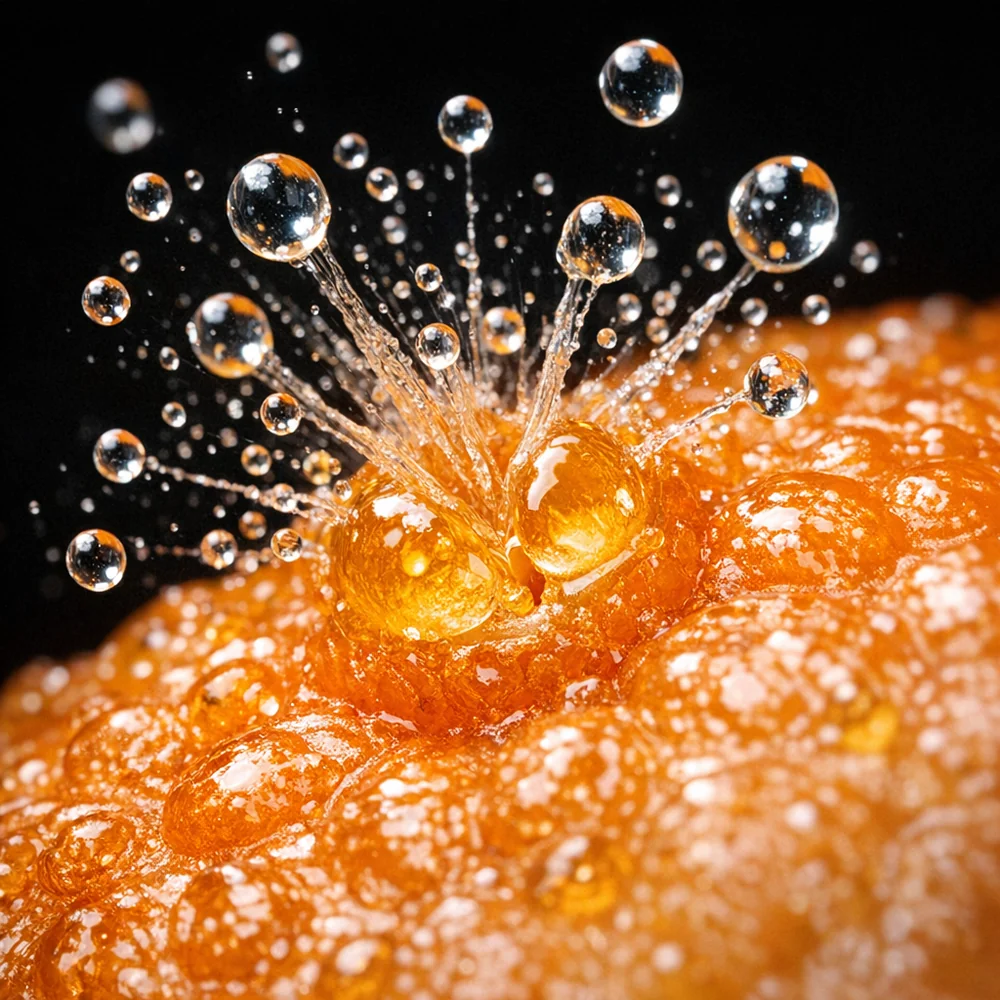
The cleaning ability of citrus products originates in the oil glands distributed throughout citrus peels. When you peel an orange and notice fine mist spraying from the rind, you are watching the release of essential oil that is roughly 90 percent d-limonene. This same compound powers commercial citrus solvents.
Commercial extraction typically uses cold pressing of citrus peels, which is actually a byproduct of the juice industry. The peels get mechanically pressed, and the released oil is separated from the juice. This gives you a pure essential oil that is saturated with d-limonene. Steam distillation is an alternative extraction method that produces a slightly different blend of terpene compounds.
For home extraction, you can infuse citrus peels in various liquids to create cleaning solutions. Soaking peels in white vinegar for a few weeks extracts the oil-soluble compounds including d-limonene. The resulting citrus vinegar combines the acidic cleaning properties of vinegar with the solvent properties of the extracted oils. You can also steep peels in high-proof alcohol to make concentrated citrus tinctures.
The concentration of d-limonene in home preparations is much lower than in commercial citrus solvents, which may contain pure d-limonene or high-percentage dilutions. This concentration difference affects both cleaning power and safety, with higher concentrations being more effective but also more risky.
Key Insight: D-limonene makes up about 90 percent of orange peel oil. It is a genuine hydrocarbon solvent, not just a fragrance additive.
Cutting Through Grease and Sticky Residue
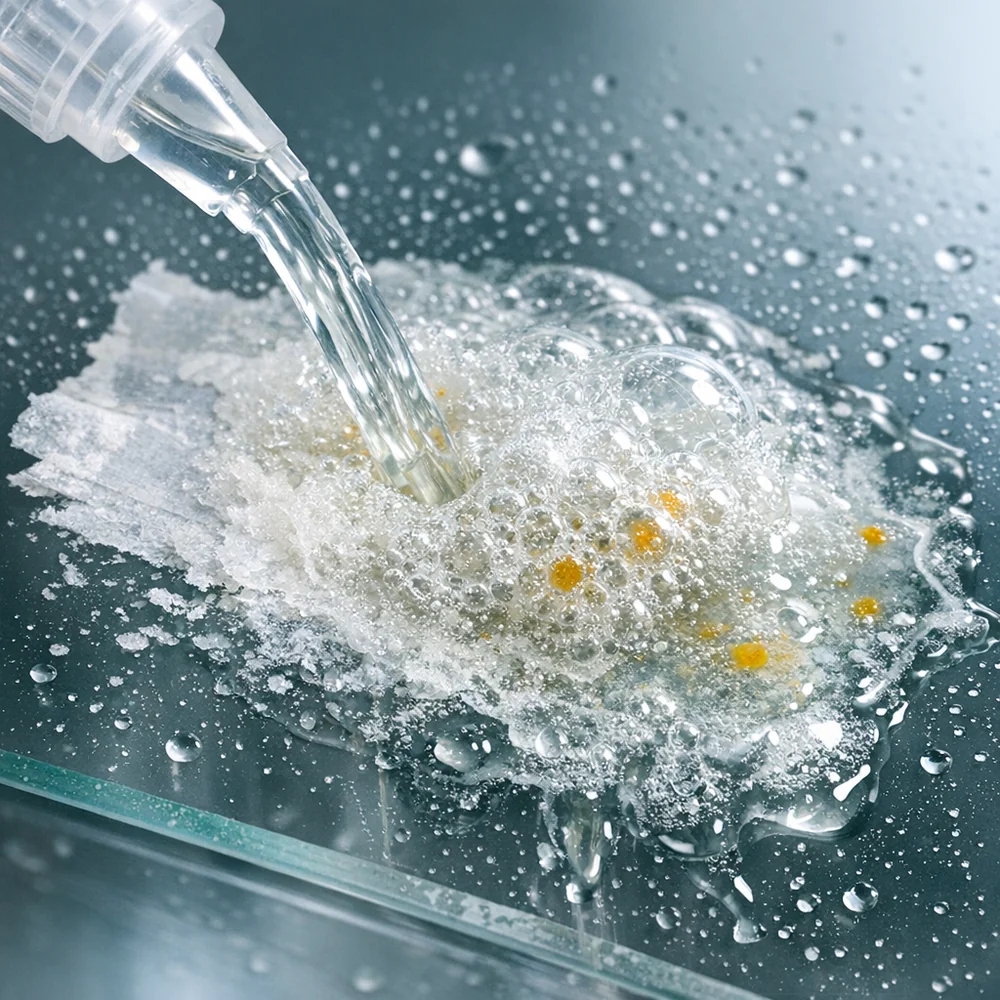
The primary cleaning application for d-limonene involves dissolving nonpolar substances that water cannot touch. Grease, oil, wax, and adhesive residues all respond well to citrus solvent treatment. The mechanism is straightforward: d-limonene is a nonpolar hydrocarbon that dissolves other nonpolar substances by surrounding and suspending their molecules.
Kitchen grease deposits respond particularly well to citrus treatment. That accumulation of cooking oils on your range hood, backsplash, and cabinets dissolves effectively when you hit it with d-limonene-containing cleaners. The solvent action breaks up the grease film so you can wipe it away or rinse it off with water using a surfactant to emulsify the oil-solvent mixture.
Adhesive residue removal is where d-limonene really shines. Price tag gunk, label adhesive, tape residue, and sticker mess all dissolve when treated with citrus solvent. Apply the product, wait a few minutes for the solvent to penetrate and dissolve the adhesive, then wipe clean. Stubborn residue may need a second application.
The effectiveness rivals petroleum-based products like Goo Gone or WD-40 for adhesive removal, with the advantage of a pleasant scent and somewhat lower toxicity. For people who want to avoid petroleum products in their home, citrus solvents provide a plant-derived alternative with genuine chemical capability.
Key Insight: D-limonene dissolves grease, oil, wax, tar, and adhesive residue through hydrocarbon solvent action, not surfactant action.
The Plastic Melting Problem
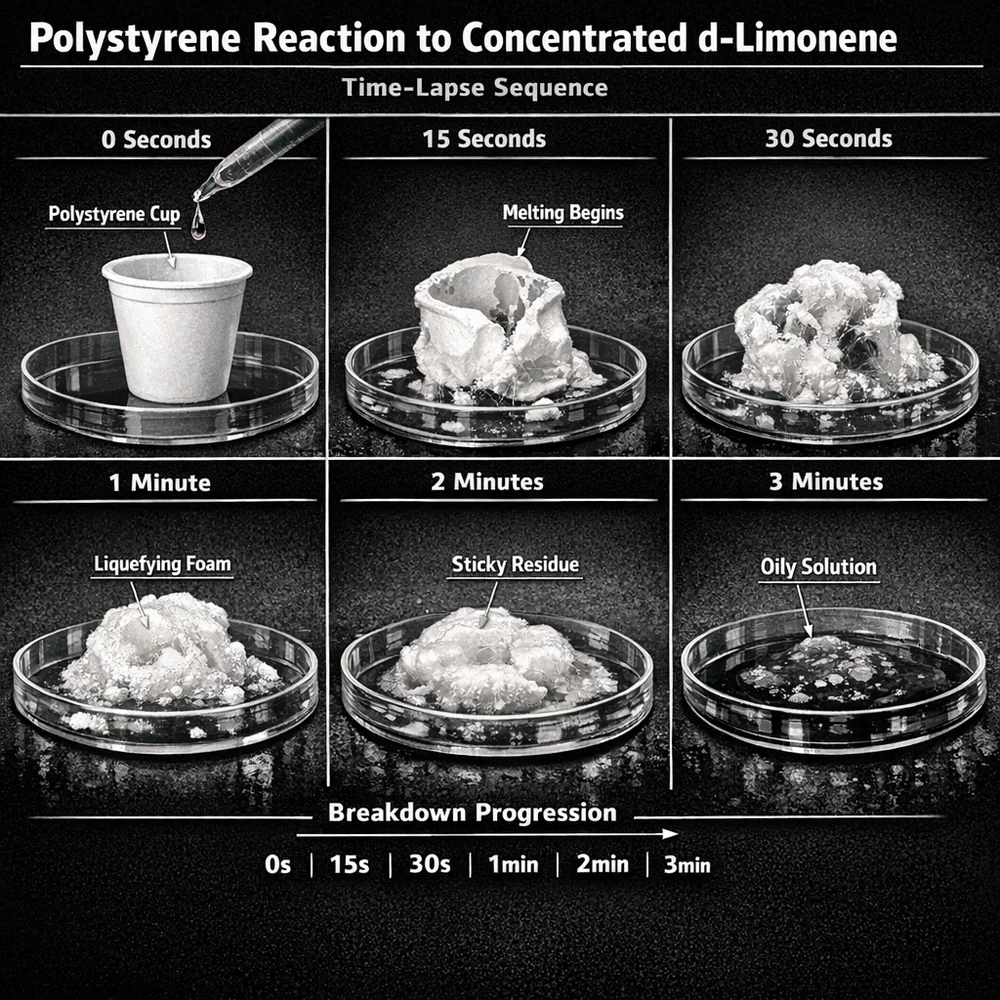
The same solvent power that makes d-limonene effective for grease and adhesive removal creates hazards when you apply it to certain plastics. D-limonene can dissolve or damage susceptible plastic types through the same mechanism it uses on grease: hydrocarbon affinity that breaks molecular bonds.
Polystyrene is particularly vulnerable. Styrofoam, clear polystyrene cups, and model kit plastic can dissolve rapidly when they contact concentrated d-limonene. The plastic literally melts into a sticky mess. Other susceptible materials include some rubber compounds, certain acrylic formulations, and some vinyl.
Safe plastics include polyethylene (PE), polypropylene (PP), and most HDPE and PET containers. These materials resist d-limonene and can be safely cleaned with citrus solvents. But the wide variety of plastic formulations out there means you should always test on an inconspicuous spot before going all-in on any plastic surface.
The practical takeaway is that you should not spray citrus cleaners without thinking about what you are spraying. Before cleaning a keyboard, appliance panel, or plastic container with citrus products, verify the plastic type is compatible or do a test in a hidden location first.
Key Insight: D-limonene dissolves polystyrene, some acrylics, and certain rubbers. Test on hidden areas before applying to any plastic surface.
Making Your Own Citrus Vinegar
Making your own citrus cleaning solutions saves money while repurposing food waste. The most common approach combines citrus peels with white distilled vinegar in a simple infusion process.
To make citrus vinegar, fill a glass jar about halfway with citrus peels. Orange, lemon, lime, or grapefruit peels all work, and mixing varieties creates pleasant scent combinations. Fill the rest of the jar with white distilled vinegar at 5 percent acidity standard, making sure the peels are fully submerged to prevent mold on any exposed material.
Let the mixture sit in a cool, dark place for two to four weeks. Longer steeping extracts more oil but also risks fermentation if you accidentally included sugary citrus flesh with the peels. After steeping, strain out the peels and transfer the infused vinegar to a spray bottle. Diluting it 1:1 with water creates a good concentration for all-purpose cleaning.
The resulting product combines the acidic cleaning properties of vinegar, which is effective on mineral deposits and some soap scum, with the solvent properties of extracted citrus oils, which work on grease and sticky residues. It will not match commercial citrus degreasers for heavy-duty jobs but handles general cleaning quite well. See our full guide on zero-waste laundry routine for more ideas.
Key Insight: Steep citrus peels in white vinegar for 2 to 4 weeks. Strain and dilute 1:1 with water for an all-purpose cleaner.
The Truth About Homemade Enzyme Cleaners
The term “citrus enzyme cleaner” gets thrown around a lot in natural cleaning circles, referring to fermented mixtures of citrus scraps, sugar, and water that supposedly produce cleaning solutions over weeks or months. Understanding what these mixtures actually contain helps set realistic expectations.
The fermentation process primarily produces organic acids including citric acid, along with alcohols and some enzymatic activity from natural citrus enzymes. The “enzyme cleaner” label is somewhat misleading. These preparations contain various metabolic products rather than high concentrations of specific stable enzymes.
Shelf life for fermented citrus preparations is limited. The active fermentation eventually consumes all available sugars and declines. At the same time, the acidic environment breaks down any enzymes that were present. Practical shelf life is typically one to three months when stored in a cool dark spot. Refrigeration extends this somewhat.
Signs of deterioration include off-odors beyond the normal fermented scent, visible mold growth, or separation that does not remix when shaken. Deteriorated product should be thrown out rather than used, since microbial contamination can deposit problematic organisms on the surfaces you are trying to clean.
Key Insight: DIY “enzyme cleaners” are actually fermented citrus producing acids and alcohols. True enzymes degrade quickly in acidic homemade solutions.
Citrus as Pest Repellent
D-limonene has documented insecticidal and repellent properties. The compound disrupts insect nervous systems and dissolves the waxy coating that prevents insects from drying out. These properties explain why citrus oils appear in some commercial insecticides and why people have used citrus peels to deter ants for generations.
For ants specifically, d-limonene disrupts the pheromone trails that worker ants lay to guide their colony mates to food sources. Wiping ant trails with citrus cleaner eliminates those scent markers, disorienting scouts and temporarily interrupting the established route. The effect is temporary since ants will lay new trails once the citrus scent fades.
As a direct insecticide, concentrated d-limonene kills insects on contact by dissolving their protective outer layer. This underlies some commercial organic pesticide formulations. However, the concentration in typical citrus cleaners is too low for reliable insecticidal action. You generally need direct contact with pure citrus essential oil to get that effect.
Think of citrus cleaning as a supplementary pest management tool rather than a primary control method. The cleaning removes food sources that attract pests while the scent provides temporary repellent effect. Genuine infestations need more targeted approaches.
Key Insight: Citrus oil disrupts ant pheromone trails and can kill insects on contact. The repellent effect fades as the scent evaporates.
Cleaning Stainless Steel with Lemon
Cutting a lemon and rubbing it directly on stainless steel appears frequently in natural cleaning guides. This approach can work, but you need to understand both the benefits and the precautions.
Citric acid in lemon juice provides mild descaling and brightening action on stainless steel. Water spots, fingerprints, and light mineral deposits respond to citric acid treatment. The d-limonene in the peel and juice adds grease-cutting capability. Together, these properties can restore shine to dulled stainless surfaces.
Here is the catch: stainless steel’s corrosion resistance depends on a thin oxide layer on its surface. Prolonged exposure to acids, including citric acid, can damage this protective layer and potentially cause pitting or discoloration. The key is limiting contact time. Apply the citrus cleaning action, get the result you want, and rinse thoroughly within ten minutes.
Following citrus treatment with a thin oil coating, using mineral oil or specialized stainless steel polish, protects the surface and enhances shine. This two-step process uses citrus for cleaning and oil for finishing, achieving results that rival commercial stainless cleaners.
Key Insight: Lemon cleans stainless steel effectively but requires rinsing within 10 minutes. Prolonged acid contact can damage the protective oxide layer.
Never Use Citrus on Natural Stone
Citrus products present significant hazards for natural stone surfaces, particularly stones that contain calcium carbonate like marble, limestone, and some granites. The citric acid in citrus juice and the acids in fermented citrus cleaners react with the calcium carbonate in the stone, causing permanent etching.
The etching reaction dissolves calcium carbonate from the stone surface, leaving dull spots or matte areas that look different from the surrounding polished surface. This damage cannot be wiped away or cleaned off. It is a chemical alteration of the stone itself that requires professional repolishing to fix.
True granite without calcite is generally acid-resistant, but many commercial “granite” countertops contain significant calcite and will etch. You can test by placing a drop of lemon juice in an inconspicuous area for 10 minutes. If the surface dulls, the stone is acid-sensitive and you should avoid citrus products entirely.
Safe alternatives for stone surfaces include pH-neutral cleaners specifically formulated for natural stone. These products clean effectively without the acidic chemistry that damages calcite surfaces.
Citrus cleaning power represents genuine chemistry rather than marketing fiction. D-limonene’s hydrocarbon solvent properties provide real capability against grease, adhesives, and organic soils that water-based cleaning cannot address. The plant-derived nature of citrus solvents appeals to people looking for alternatives to petroleum-based products.
But the same chemistry that enables citrus cleaning also creates risks: plastic melting, stone etching, and potential skin sensitization from concentrated preparations. Effective citrus cleaning requires matching the product to compatible surfaces and using appropriate concentrations for the task.
For most household applications, commercially prepared citrus cleaners offer convenient, pre-formulated solutions with concentrations balanced for general use. DIY citrus vinegar provides economical general-purpose cleaning with mild citrus enhancement. Concentrated citrus degreasers deliver heavy-duty solvent action for challenging jobs. For more on natural antimicrobial options, see our plant-based disinfectant efficacy guide and learn how to spot greenwashing on cleaning labels.
Key Insight: Never use citrus or any acidic cleaner on marble, limestone, travertine, or granite that contains calcite. Permanent etching occurs in seconds.
The Bottom Line
References
- PMC4000729. “A High-Performance Recycling Solution for Polystyrene Achieved by the Synthesis of Renewable Poly(thioether) Networks Derived from d-Limonene.”
- MDPI Sustainability. “A Review of Atmospheric Deterioration and Sustainable Conservation of Calcareous Stone in Historical Buildings and Monuments.”
- Google Patents. “Method for extracting limonene from fruit skin of citrus.”
- J-STAGE. “Insecticidal Properties of d-Limonene.”
- PMC376603. “Antimicrobial Action of Some Citrus Fruit Oils on Selected Food-Borne Bacteria.”