Citric Acid Chemistry: The Power of Organic Descalers in Laundry
Table of Contents
Things You'll Learn From This Article:
- Hard water minerals make clothes stiff and dull, and citric acid can lock those minerals up so they rinse away instead of sticking to fabric.
- Adding a small amount of citric acid lets your regular detergent clean better because it isn’t wasting effort fighting calcium and magnesium in the water.
- Clothes can feel scratchy or irritating because leftover detergent is too alkaline, and a citric acid rinse brings the fabric pH back to a skin‑friendly level.
- Citric acid can replace fabric softener by softening clothes without leaving waxy buildup that reduces absorbency over time.
- Compared to vinegar, citric acid works with much smaller amounts, doesn’t leave a smell, and is far better at handling hard water problems.
- Rust, iron, and metallic stains respond well to citric acid because it dissolves the metal and carries it out of the fabric during rinsing.
- Regular citric acid washes help keep your washing machine cleaner by removing scale, reducing odors, and slowing mold and biofilm growth.
- Descaling with citric acid helps heating elements work properly, which saves energy and keeps wash temperatures consistent.
- Citric acid boosts other laundry products, like detergents and oxygen bleach, by creating better conditions for them to work.
- Acids and chlorine bleach should never be mixed, so citric acid and bleach must be used in separate wash steps.
- Delicate fabrics like wool and silk benefit from citric acid because it reduces harsh alkalinity that can damage protein fibers.
- For everyday washing, one to two tablespoons is usually enough, while heavier descaling or stain treatment needs stronger, targeted amounts.
Citric acid might sound like something that only belongs in your kitchen, but this humble white powder from the spice aisle is actually one of the most effective and versatile tools you can add to your laundry routine. If you live in an area with hard water or have ever noticed that your clothes feel stiff and scratchy after washing, citric acid could be the solution you have been looking for.
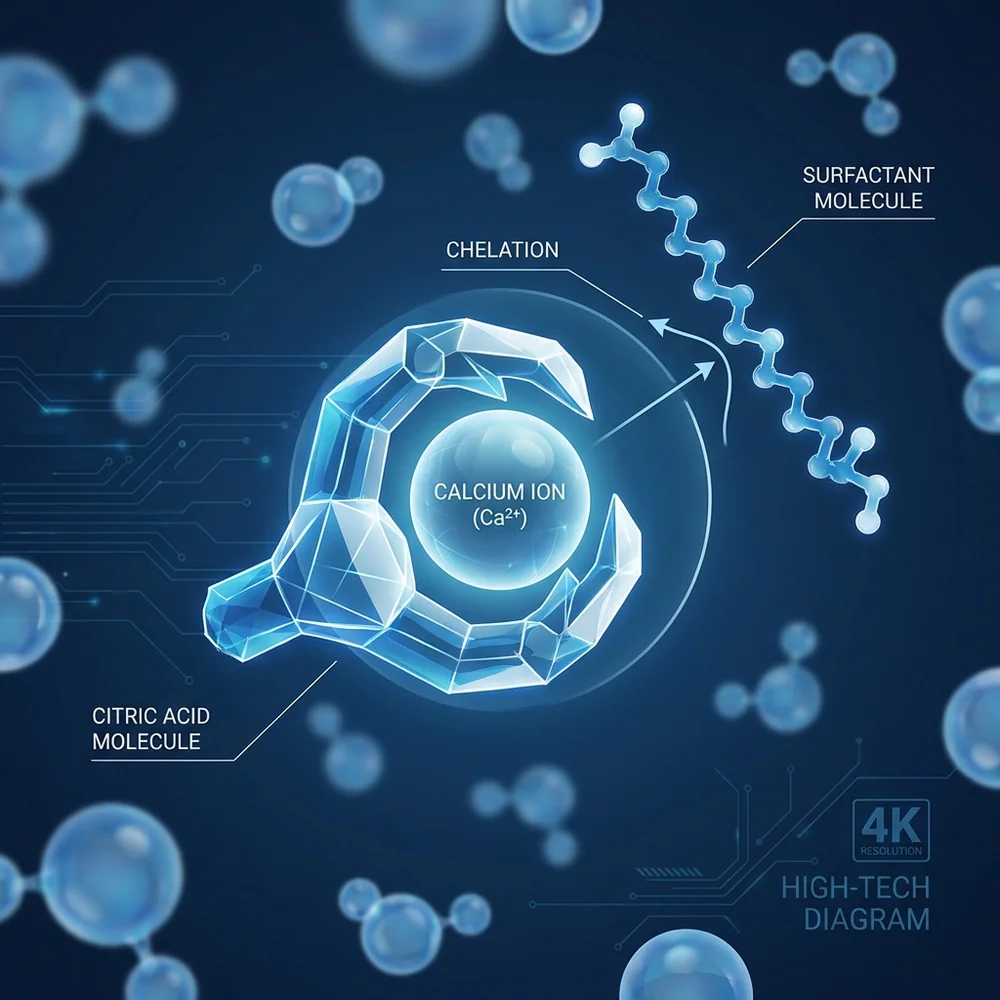
This organic compound is the same thing that gives lemons and oranges their sour punch, but the stuff you buy for cleaning is typically produced through fermentation rather than squeezed from fruit. What makes citric acid so useful in laundry is its unique molecular structure with three acidic groups that can grab onto mineral ions and lock them away. It is like a microscopic claw that captures the calcium and magnesium that make your water “hard” and prevents them from causing problems.
Unlike harsh industrial descalers, citric acid is completely biodegradable and safe for most fabrics. It breaks down into nothing more than carbon dioxide and water, leaving no trace in the environment. This makes it a favorite of eco-conscious households who want effective cleaning without the chemical footprint. We are going to explore exactly how this molecule works, why it outperforms vinegar in most applications, and how to use it to get the most out of your laundry and protect your washing machine.
How Citric Acid Grabs and Holds Mineral Ions
The real magic of citric acid lies in its ability to chelate, which is a fancy chemistry word for grabbing onto metal ions and holding them in a molecular prison. Hard water contains dissolved calcium and magnesium ions that cause all sorts of problems in laundry. These minerals react with soap to form that gray, waxy scum. They deposit on fabrics making them stiff. They coat heating elements reducing efficiency.
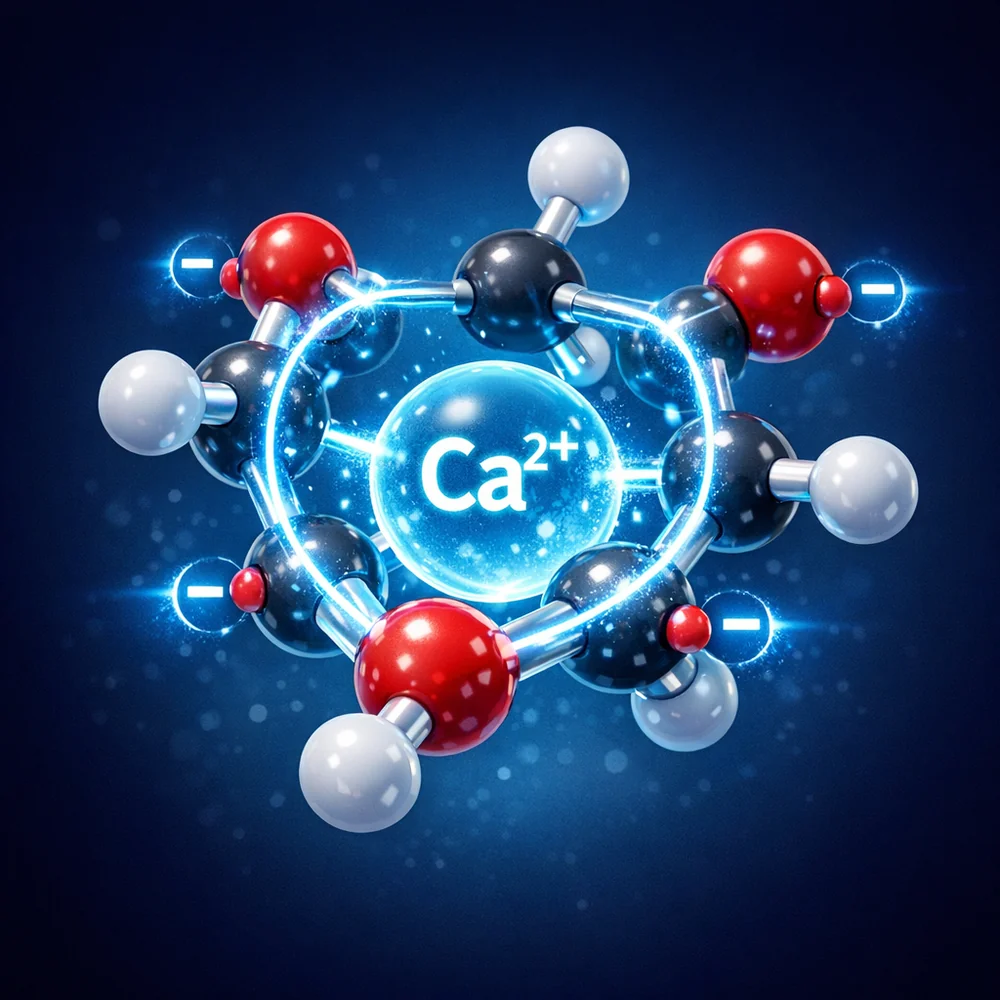
Citric acid solves these problems because of its structure. The molecule has three carboxylic acid groups, each of which can donate electrons to a metal ion. When citric acid encounters calcium or magnesium in your wash water, it wraps around them like a claw and forms a stable complex. This “masked” mineral ion cannot react with soap or deposit on your clothes. It stays dissolved in the water and gets rinsed away harmlessly.
This is particularly important when dealing with hard water laundry chemistry. In areas with high mineral content, your detergent is fighting an uphill battle. A significant portion of the surfactant molecules get wasted binding to hardness minerals instead of lifting dirt off your clothes. By adding citric acid, you neutralize the minerals first and let your detergent ingredients work at full strength.
The mechanism is similar to EDTA, a synthetic chelator found in some commercial products. But citric acid has a major advantage: it breaks down rapidly in the environment and causes no harm to aquatic life. EDTA can persist for years and has been found to mobilize heavy metals in waterways. If you care about what goes down your drain, citric acid is the clear winner.
The Bottom Line Citric acid chelates hard water minerals by wrapping its three acidic groups around calcium and magnesium ions. This prevents soap scum formation and allows your detergent to work at full strength.
Fixing the pH Problem in Your Clothes
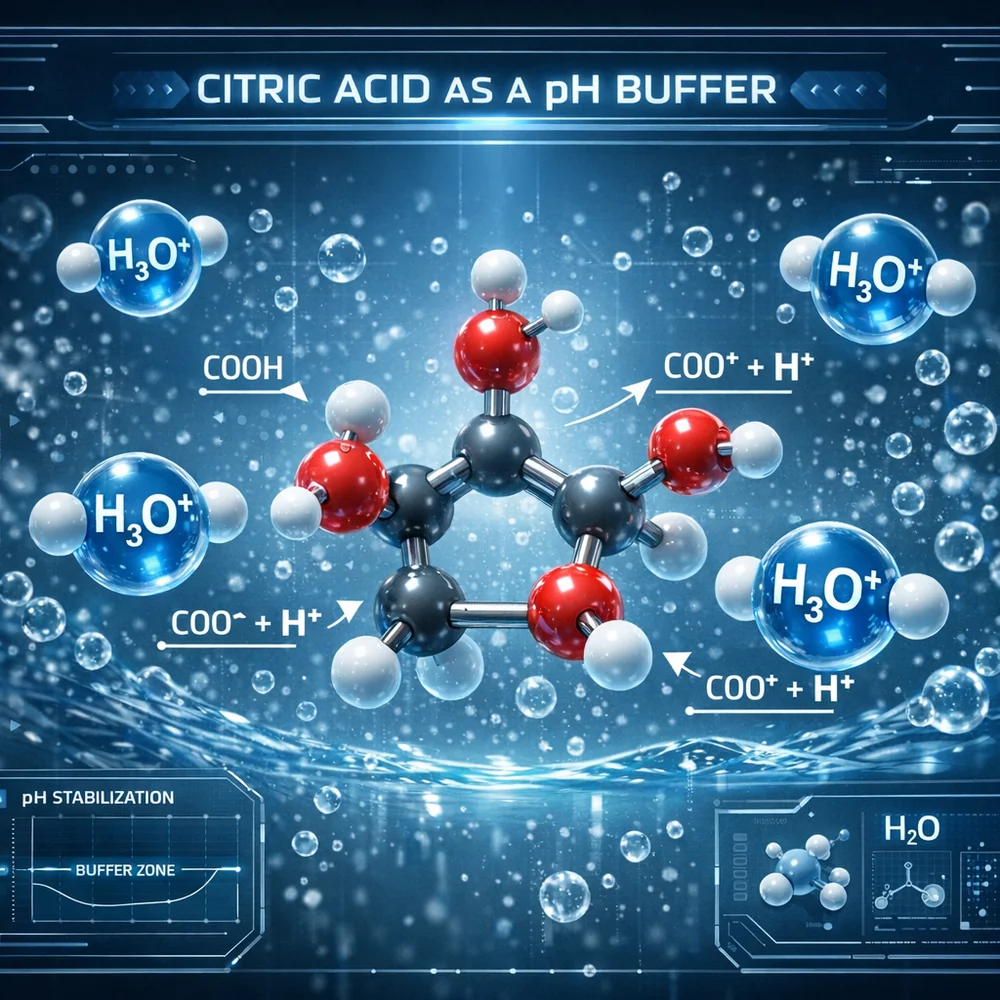
Beyond mineral sequestration, citric acid plays a crucial role in restoring proper pH balance to your fabrics. This is something most people never think about, but it has a huge impact on how your clothes feel against your skin.
Heavy-duty detergents are highly alkaline, often reaching pH levels of 10 or 11. This high alkalinity is necessary for breaking down grease and protein stains. But if that alkalinity is not fully rinsed away, it remains in the fabric weave. Your skin is naturally slightly acidic (around pH 5.5), so wearing clothes with alkaline residue can cause irritation, itching, and that characteristic “scratchy” feeling many people associate with laundry fresh from the dryer.
Citric acid acts as a neutralizing agent in the rinse cycle. When it encounters residual alkaline salts from the detergent, it reacts with them and brings the pH of the fabric back toward neutral or slightly acidic. This is essentially the same thing commercial fabric softeners claim to do, but without the wax-based coatings that build up over time and reduce absorbency.
This pH correction also helps dissolve what I call “detergent buildup.” Over dozens of wash cycles, tiny amounts of undissolved detergent and minerals accumulate in the fiber structure. This invisible layer makes fabrics feel stiff and acts as a magnet for bacteria and odors. A citric acid rinse strips away these layers, brightening clothes without needing optical brighteners. Synthetic fabrics like polyester especially benefit because they tend to hold onto hydrophobic residues more stubbornly than cotton.
Why Citric Acid Beats Vinegar
A lot of people use distilled white vinegar in their laundry and wonder why they should bother with citric acid. Both are organic acids, and vinegar is cheaper and easier to find. But the chemistry tells a clear story.
Vinegar is acetic acid ($CH_3COOH$), which can only donate one proton per molecule. Citric acid ($C_6H_8O_7$) donates three. This means gram for gram, citric acid is roughly three times more effective at neutralizing bases. You need much less of it to achieve the same pH correction.
More importantly, citric acid is a far superior chelator. Acetic acid has very weak affinity for calcium and magnesium. It will not protect your clothes from hard water the way citric acid does. This is why citric acid is the go-to for industrial descaling of kettles and coffee makers while nobody uses vinegar for that purpose in commercial settings.
There are practical advantages too. Vinegar has a pungent smell that can linger on clothes even after drying. It also contains impurities that can degrade rubber seals in washing machines over time. Citric acid is completely odorless and comes in pure crystalline form that stores indefinitely without degradation. When comparing the science, laundry vinegar is the budget option while citric acid is the precision tool for serious mineral problems.
The Bottom Line Citric acid outperforms vinegar by being three times more efficient at pH neutralization and far superior at mineral chelation. It is also odorless and gentler on machine components.
Rescuing Clothes from Rust and Metallic Stains
One of the most impressive applications of citric acid is treating rust and metallic stains. These are notoriously difficult to remove because iron oxide forms a chemical bond with fabric fibers rather than just sitting on the surface.
The acidic environment created by citric acid breaks down solid iron oxide into soluble iron ions. Once these ions are released from the fabric, the citrate molecules immediately grab onto them and form a water-soluble complex that rinses away cleanly. This two-step process (dissolving then chelating) is much safer than using toxic rust removers like hydrofluoric acid.
This makes citric acid essential for treating rust and metallic stains. It is also your best friend if your local water supply has high iron content. Over time, iron in the water oxidizes inside the fabric fibers, turning white linens a dingy orange or yellow. Citric acid can “digest” this embedded iron and restore the original color. For stubborn stains, making a concentrated paste and applying it directly to the affected area gives the chemistry time to work before the main wash.
Keeping Your Washing Machine Healthy
The benefits of citric acid extend beyond your clothes to the washing machine itself. Modern front-loaders are infamous for developing biofilms and mold in the dark, damp crevices of the outer drum. These microbial colonies feed on residual oils and minerals, and hard water provides the mineral scaffold they need to anchor themselves.
Running a periodic “service wash” with citric acid strips away the mineral foundation and kills many bacteria and fungi by disrupting their internal pH. It is like power-washing the inside of your machine at the molecular level. This prevents the musty smell that many people associate with front-loading washers.
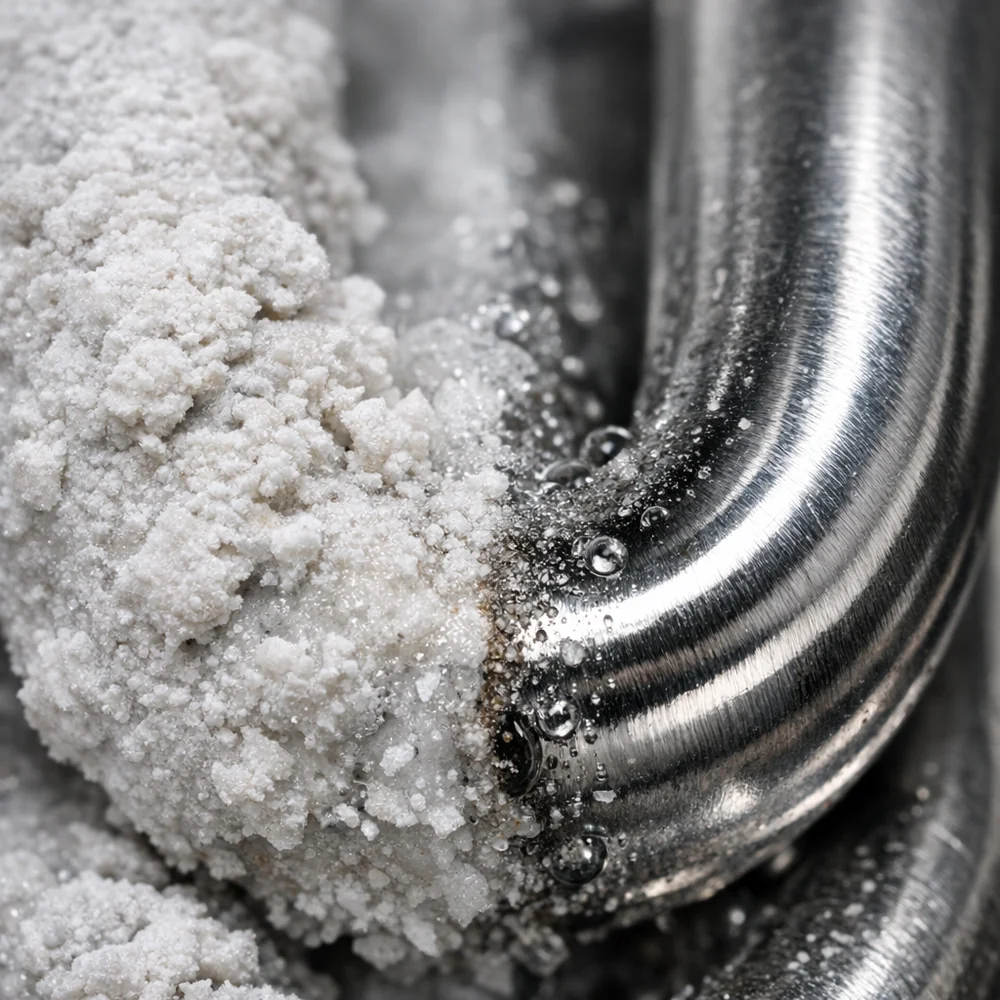
Even more importantly, citric acid prevents scale buildup on heating elements. In hard water areas, the element can become coated with a thick layer of calcium carbonate that acts as an insulator. The machine has to work harder to heat the water, consuming more energy and potentially leading to element failure. Regular descaling ensures consistent heating which is crucial for the activation of laundry enzymes that require specific temperatures to function.
The Bottom Line Regular citric acid maintenance cycles prevent scale buildup on heating elements and remove the anchor points for biofilms, extending machine life and improving hygiene.
Playing Well with Other Laundry Products
Citric acid is rarely used alone. Its real power emerges when it works as a booster for other cleaning agents. When combined with surfactants, it enhances their performance by eliminating the interference of hard water minerals. Your detergent can foam better and clean more effectively because it is not wasting energy fighting calcium.
It pairs well with oxygen-based bleaches too. A slightly acidic environment can actually stabilize hydrogen peroxide, preventing it from decomposing before it reaches the stain. This gives the bleach more time to work.
One critical warning: never mix citric acid directly with chlorine bleach. The combination produces chlorine gas, which is extremely dangerous. This rule applies to all acids, not just citric. Keep them separate in your laundry routine.
For delicate fibers like silk and wool, citric acid enables pH-neutral detergent science to protect the fabric. These protein-based fibers are extremely sensitive to high alkalinity, which can cause yellowing and brittleness. By buffering the wash solution toward neutrality, citric acid helps preserve the structural integrity of natural fibers. This protective chemistry is what allows safe home laundering of items that would otherwise require dry cleaning.
How Much to Use and When
Getting the dosage right maximizes effectiveness while minimizing product waste. For general water softening during a normal wash, one to two tablespoons of crystalline citric acid added to the detergent drawer is usually enough. This integrates the mineral sequestration into your regular cleaning cycle.
For a dedicated machine descale, use a larger dose of 100 to 200 grams (roughly half to three-quarters of a cup) run on the hottest cycle with no clothes in the drum. Do this every month or two in hard water areas to keep scale under control.
When using citric acid as a fabric softener alternative, add it to the fabric softener compartment so it releases during the final rinse. This timing allows it to neutralize residual detergent without interfering with the cleaning phase.
For targeted stain removal, dissolve one tablespoon in a cup of warm water to create a 5 to 10 percent solution. This works especially well as a pre-treatment for removing yellow armpit stains, which are typically a combination of sweat proteins, aluminum from deodorants, and mineral salts. The citric acid breaks down these complexes, making it easier for surfactants to lift the stain in the main wash.
Conclusion
Citric acid represents a triumph of sustainable chemistry in the laundry room. Its unique molecular structure allows it to fight hard water, restore pH balance, remove rust stains, and protect your washing machine all at once. Unlike synthetic chelators that persist in the environment, it breaks down rapidly into harmless carbon dioxide and water.
What started as a food-grade additive has proven itself as a heavy-duty laundry booster backed by rigorous chemical principles. Whether you are solving a specific problem like mineral staining or using it preventatively to protect your machine from scale, the benefits are real and measurable.
For anyone dealing with hard water, looking to make their laundry routine more environmentally friendly, or wanting to move away from wax-based fabric softeners, citric acid deserves a permanent place in your laundry room. It is the silent partner of a high-performance wash, masterfully balancing acidity and chelation to keep your clothes soft, bright, and smelling fresh.
The Bottom Line Citric acid is a biodegradable powerhouse that handles mineral management, pH balancing, rust removal, and machine maintenance. It outperforms synthetic alternatives while being completely safe for the environment.
References
- Apelblat, A. (2014). Citric Acid. Springer International Publishing.
- Soccol, C. R., et al. (2006). Citric Acid Production by Solid-State Fermentation. Critical Reviews in Biotechnology.
- Goldberg, R. N., et al. (2002). Thermodynamics of the Reactions of Nicotinamide Adenine Dinucleotide (NAD/NADH). Journal of Physical and Chemical Reference Data.
- Versluijs, P. (2011). Textile Chemicals: Environmental Data and Facts. Springer Science & Business Media.
- Sjöström, E. (1993). Wood Chemistry: Fundamentals and Applications. Academic Press.