Chlorine Bleach Chemistry: The Science of Sodium Hypochlorite
Table of Contents
Things You'll Learn From This Article:
- Chlorine bleach works by aggressively breaking stain and germ molecules apart, not by gently lifting dirt, so it’s powerful but risky.
- Bleach disinfects extremely well, but it does not replace detergent because it can’t remove grease or everyday grime on its own.
- Stretchy fabrics like spandex and Lycra lose their elasticity quickly when exposed to bleach, even for short periods.
- Wool and silk are essentially “food” for bleach at a chemical level, so even small contact can cause holes, slime-like damage, and permanent yellowing.
- Pouring bleach directly onto dry clothes causes white spots and weak points; it always needs to be diluted in water first.
- Longer soaking does not mean better results—once bleach has done its job, extra time mainly increases fabric damage.
- Residual bleach left in fabric can keep eating away at fibers after washing, leading to mystery holes weeks later.
- A rinse with regular hydrogen peroxide can safely neutralize leftover bleach and stop further damage.
- Old bleach loses strength over time, so an aged bottle may whiten a little but won’t reliably kill germs.
- Heat and light make bleach break down faster, so storage location matters more than most people realize.
- Polyester and nylon survive bleach better than natural fibers, but repeated use still weakens them and causes pilling.
- Frequent bleaching of activewear shortens its lifespan and makes fabrics feel worn out faster.
- Oxygen bleach is usually safer for routine whitening and odor control, reserving chlorine bleach for true sanitizing needs.
- Bleach reactions in wastewater can create harmful byproducts, so limiting use reduces environmental impact.
- Effective bleach use comes down to the right concentration, limited contact time, and stopping the reaction promptly.
Chlorine bleach is the heavyweight champion of the laundry world when it comes to sheer whitening and disinfecting power. That familiar smell of swimming pools and hospital hallways comes from sodium hypochlorite, the active ingredient that makes bleach so effective at killing germs and erasing stains. But this chemical potency comes with serious risks that every home user needs to understand.
Unlike gentler alternatives like oxygen bleach, chlorine bleach works through aggressive oxidation. It does not just modify stains; it destroys them at the molecular level. The same chemistry that makes it incredible at killing bacteria and erasing coffee rings is also what makes it capable of dissolving wool, disintegrating elastic, and weakening synthetic fabrics. Using chlorine bleach effectively means knowing exactly when to deploy it and when to keep it far away from your clothes.
Understanding the science behind sodium hypochlorite helps you use this powerful tool without accidentally destroying your favorite garments. We will dig into how the bleach molecule actually attacks stains, why certain fabrics cannot tolerate even brief exposure, and how to properly neutralize bleach when the job is done. Think of chlorine bleach as a precision instrument that demands respect, not a general purpose cleaner you can splash around carelessly.
How Sodium Hypochlorite Actually Works
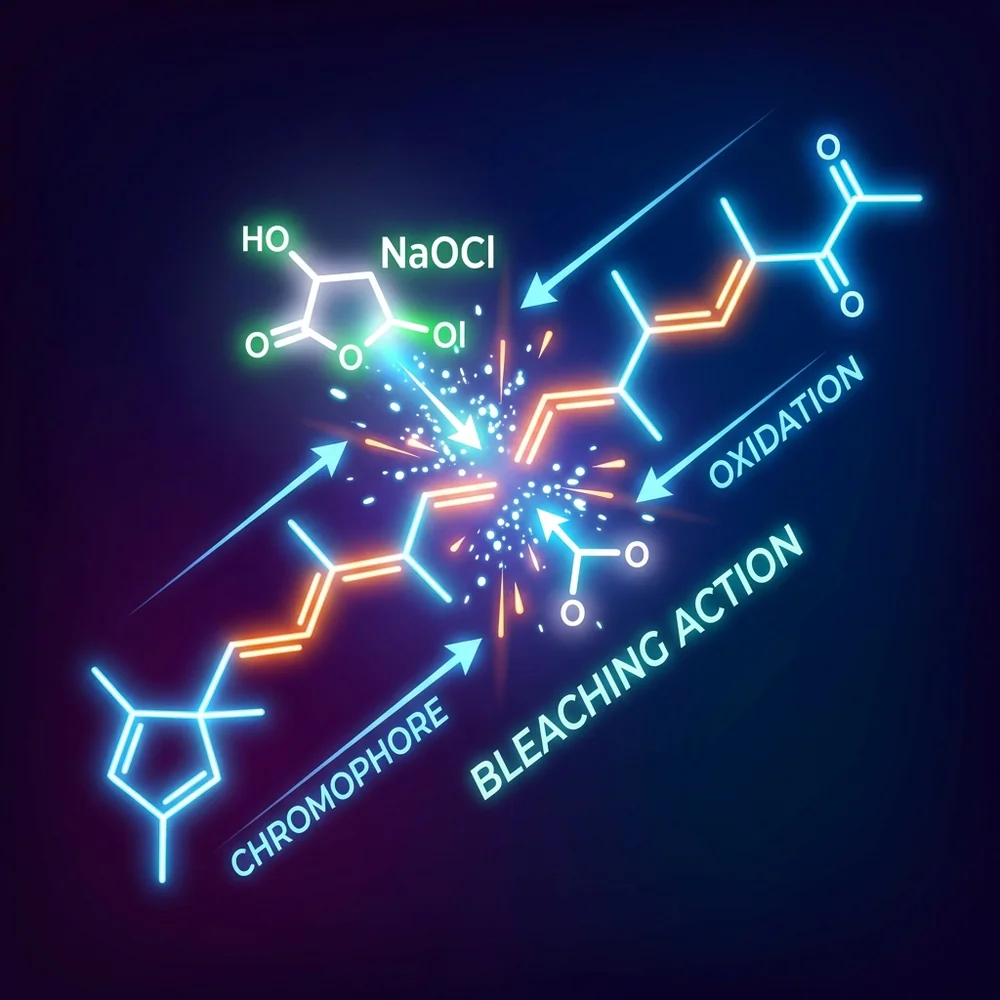
The cleaning power of chlorine bleach comes from its extremely high oxidizing potential. When you dissolve sodium hypochlorite in water, it creates a chemical soup where the hypochlorite ion ($OCl^-$) is looking for electrons to steal. This is what makes it such an effective stain destroyer and germ killer.
The chemistry gets interesting when you look at pH. At the very high pH of concentrated bleach (around 11 to 13), the hypochlorite ion dominates. But as you dilute the bleach in your wash water and the pH drops slightly, more hypochlorous acid (HOCl) forms. This acid form is actually the more dangerous version because it is a smaller, neutral molecule that can easily penetrate bacterial cell walls and the dense molecular structures of stubborn stains.
When hypochlorous acid encounters a colored stain, it attacks the chromophores which are the molecular structures responsible for color. These are usually systems of carbon-carbon or carbon-nitrogen double bonds. The bleach breaks these bonds apart, fragmenting the colored molecule into smaller colorless pieces. This is far more aggressive than what oxygen bleach chemistry does. Where oxygen bleach gently modifies stain molecules, chlorine bleach often initiates a chain reaction that completely demolishes the organic matter.
The Bottom Line Chlorine bleach works by stripping electrons from stain molecules, breaking the chemical bonds that create color. This aggressive oxidation mechanism explains both its effectiveness and its potential for fabric damage.
Great at Killing Germs, Limited at Cleaning
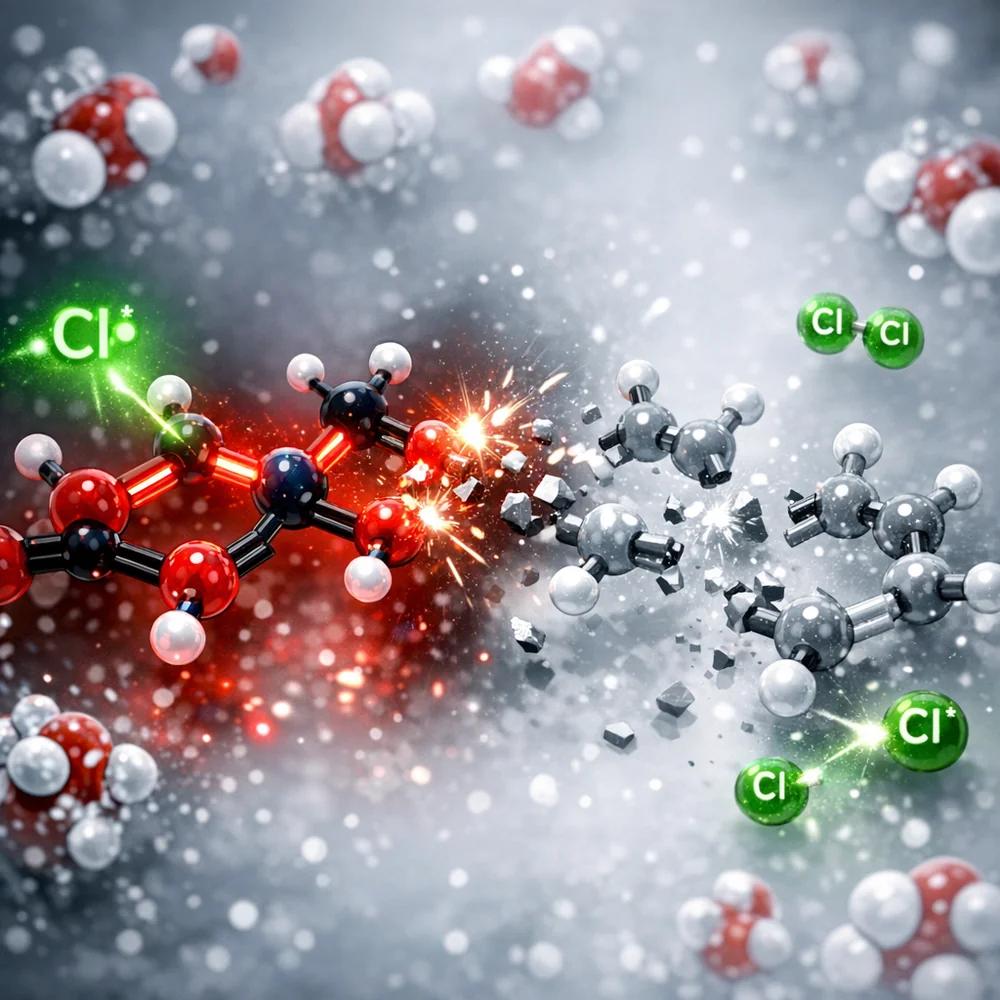
There is an important distinction between sanitizing and cleaning that many people miss when it comes to bleach. Chlorine is spectacularly good at disinfection because it attacks bacteria and viruses from multiple angles at once. It oxidizes protein structures, punches holes in cell membranes, and destroys the enzymes that microbes need to survive. This multi-pronged assault makes it very difficult for bacteria to develop resistance.
When you need to sanitize laundry for a sick family, chlorine bleach is the definitive choice for achieving a high reduction in viral and bacterial counts. Nothing else available to home users comes close to its biocidal power.
However, chlorine bleach is surprisingly bad at what we usually think of as “cleaning.” It does not contain any surfactants which are the molecules that actually lift oils and dirt off of fabrics and suspend them in water. Bleach cannot emulsify grease or help rinse away particles. It is a finisher and a sanitizer, but it needs a proper detergent partner to handle the mechanical removal of soil. Pouring bleach on a greasy stain without detergent will just oxidize the top layer while the underlying grime remains stuck to the fibers.
Why Bleach Destroys Your Stretchy Fabrics
The main textile victim of chlorine bleach is polyurethane, the polymer that gives stretch fabrics like spandex and Lycra their elasticity. If you have ever noticed that the elastic in your underwear or swimsuit turned yellow and baggy after bleaching, you have witnessed this chemical destruction firsthand.
What happens is called oxidative cleavage. The hypochlorite ion attacks the “soft segments” of the polyurethane polymer chains that are responsible for the stretch-and-recovery properties. When these bonds break, the elastic literally falls apart at the molecular level. The fabric loses its ability to snap back to shape, becoming permanently baggy and saggy.
Even worse, this degradation process releases chemical byproducts that cause yellowing. As the polymer fragments, new chromophores form that absorb blue light, leaving a visible yellow tint that no amount of additional bleaching will fix. The more you bleach, the more yellow it gets. This is why items like underwear, bras, swimsuits, and anything with washing sports bras should never touch chlorine bleach. The damage is immediate and cumulative. Even brief exposure weakens the elastic, and repeated exposure causes rapid disintegration.
The Bottom Line Chlorine bleach breaks the polymer chains in spandex and elastic, causing permanent loss of stretch and irreversible yellowing. These fabrics should never be exposed to chlorine products.
Wool and Silk: Protein Fibers Meet Their Destroyer
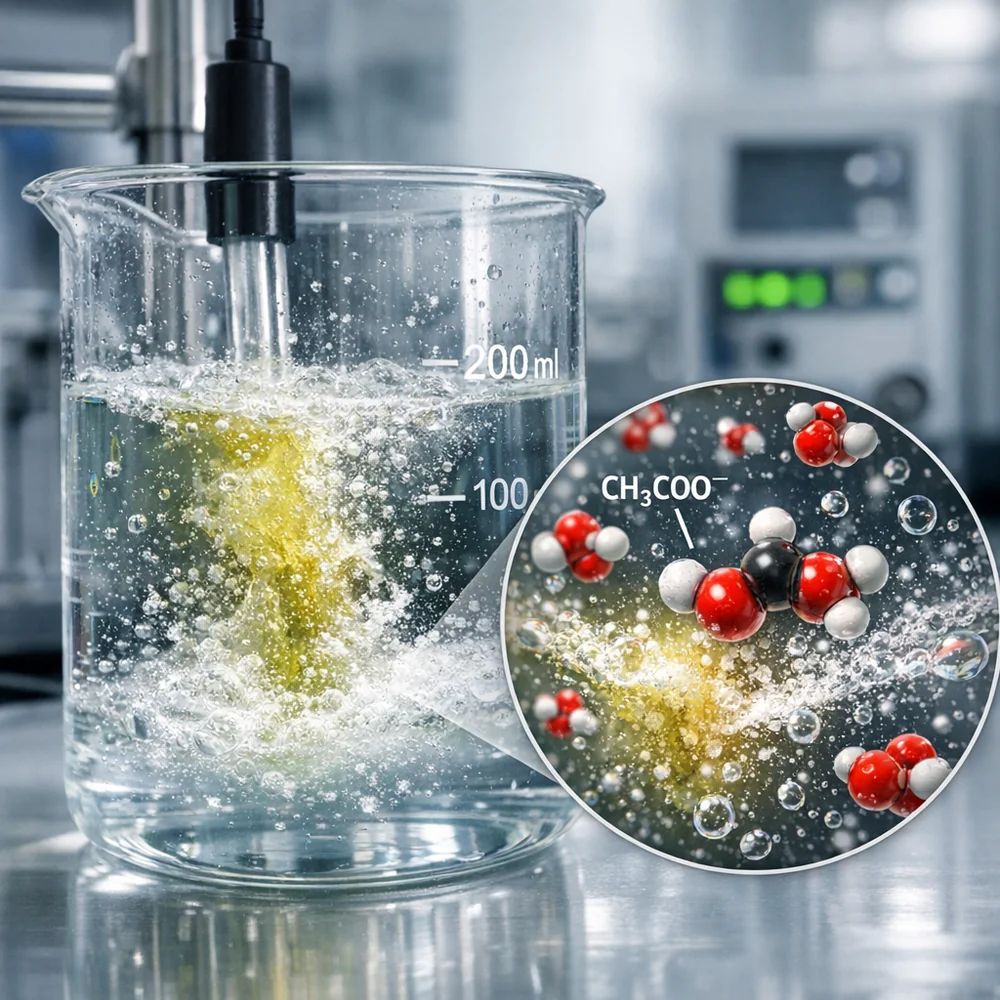
If you think spandex damage is bad, wait until you see what chlorine bleach does to wool and silk. These protein-based fibers are made of long chains of amino acids, which happen to be chemically very similar to the proteins that chlorine bleach is specifically designed to destroy. To the bleach molecule, your cashmere sweater looks the same as a bacterial cell wall.
Wool and silk get their strength partly from disulfide bonds which are bridges of sulfur atoms connecting different parts of the protein chain. Chlorine bleach breaks these bridges through oxidation. The result is the literal dissolution of the fiber at the molecular level. The fabric develops holes, becomes extremely weak, and takes on a slimy texture as the protein begins to fall apart.
The yellowing of bleached wool and silk happens through a different mechanism. There is an amino acid called tyrosine that exists in these protein fibers. When chlorine oxidizes tyrosine, it creates yellow pigment fragments. Once this yellowing occurs, the damage is permanent because the fiber’s own structure has been compromised. This is why any protocols for washing silk at home or washing wool must absolutely forbid the use of chlorine bleach. Not “use less” or “be careful” but genuinely never allow contact.
How to Neutralize Bleach When You’re Done
One of the most important and least discussed aspects of chlorine bleach use is neutralization. Once the bleaching reaction has achieved its goal, you want to stop the chemistry immediately. Otherwise, residual hypochlorite ions continue to attack the fabric during drying and storage.
The most effective and safe neutralizer is regular hydrogen peroxide. When hydrogen peroxide ($H_2O_2$) meets sodium hypochlorite, they react together and the products are water, oxygen gas, and table salt. This reaction completely deactivates the “active chlorine” in the solution. The aggressive oxidizer has been converted into completely harmless compounds.
After a heavy bleach cycle, adding a rinse with 3% hydrogen peroxide ensures that no residual bleach remains trapped in the fabric weave. This might seem like overkill for everyday laundry, but it is critical for delicate items that can only tolerate brief bleach exposure. Residual chlorine is particularly dangerous because it keeps working even after the clothes come out of the wash. Those “mystery holes” that appear weeks after laundering are often caused by trapped bleach that continued oxidizing the fibers during storage.
Why That Old Bottle of Bleach Might Not Work
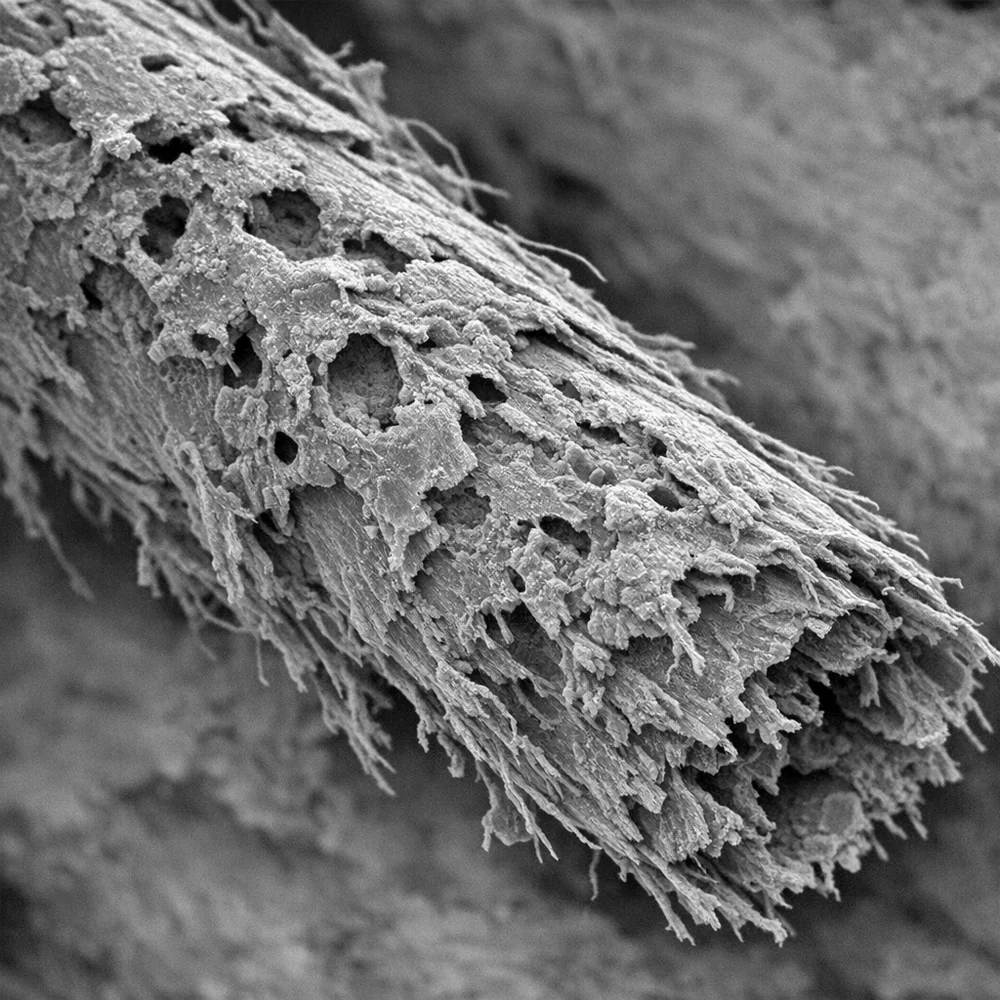
Liquid chlorine bleach is a chemically unstable product that starts losing its power the moment it leaves the factory. Sodium hypochlorite naturally breaks down into sodium chloride and sodium chlorate over time. Heat, sunlight, and trace metal contamination all accelerate this decomposition.
On average, a bottle of household bleach loses about 20% of its active chlorine content every six months. That year-old bottle sitting under your sink has probably lost nearly half its original strength. It may still whiten slightly, but it is not providing the disinfection levels you need for killing dangerous pathogens.
For maximum shelf life, store bleach in its original opaque container in a cool, dark place. Buying giant jugs of bleach to save money is usually a false economy because the product degrades faster than most households can use it. When you actually need bleach for serious sanitization like sanitizing laundry for a sick family, always use a fresh bottle to guarantee you are getting the necessary concentration of hypochlorite ions.
The Bottom Line Bleach degrades at about 20% every six months. For critical sanitization applications, always use fresh product and store it properly to maintain potency.
The Right Way to Use Bleach
Getting the most out of chlorine bleach while minimizing fabric damage depends on two variables: concentration and contact time. Getting both of these right is the difference between brilliant whites and ruined clothes.
For general whitening in a standard machine, half a cup to one cup of bleach per load is typically sufficient. But here is the critical rule: never pour bleach directly onto dry fabric. The concentrated chemical hitting the surface will create “localized over-bleaching” which causes white spots or actual pinholes where the fabric structure was destroyed. Always add bleach to the water first and let it dilute before the clothes go in.
For disinfection purposes, contact time of at least ten minutes is typically required. Shorter exposure might whiten effectively but the biocide needs time to penetrate bacterial biofilms and fully inactivate pathogens. On the flip side, soaking items for several hours is unnecessary and dramatically increases the risk of fiber damage. The golden rule is to reach the threshold of effectiveness and immediately proceed to rinsing and neutralization. Lingering is where damage happens.
Synthetic Fabrics Are Not Immune Either
While polyester and nylon are more resistant than wool or spandex, they are still vulnerable to chlorine damage over time. These synthetic polymers can undergo hydrolysis when exposed to the high alkalinity of bleach solutions. The long polymer chains slowly break into shorter fragments, reducing the tensile strength of the fabric.
For activewear care, frequent bleaching leads to a loss of that crisp feel you get from new workout clothes. The fabric pills more easily because individual fibers are breaking and tangling at the surface. Nylon has a particular problem called “chlorine retention” where the chemical actually occupies sites on the polymer chain and continues reacting even after rinsing.
For high-performance synthetic gear, you are usually better off using enzyme detergents for sweat or oxygen-based cleaners rather than chlorine bleach. These alternatives can handle the odor and soil issues without the cumulative fiber damage that halogens cause.
The Environmental Cost of Chlorine
The environmental profile of chlorine bleach is more complicated than you might expect. Sodium hypochlorite itself breaks down into harmless table salt and oxygen in wastewater treatment. That sounds fine until you realize what happens before it gets there.
In the sewer system, chlorine bleach reacts with organic matter to form compounds called trihalomethanes (THMs) and other organochlorines. Some of these byproducts, like chloroform, are known carcinogens and persistent environmental pollutants. While the quantities from a single household are small, the aggregate impact of millions of homes adds up to significant concern for aquatic ecosystems.
This environmental burden is a major reason why eco-conscious laundry routines prefer oxygen bleach chemistry when possible. Oxygen bleach breaks down into pure water and soda ash with zero hazardous byproducts. When you want to reduce your ecological footprint, reserve chlorine bleach for situations where its superior biocidal power is truly necessary and use gentler oxidizers for routine whitening.
Conclusion
Chlorine bleach remains the most powerful oxidative tool available in household laundry science, but that power demands respect and understanding. Its ability to achieve brilliant whiteness and complete sterilization makes it indispensable for specific applications. No other product available to home users can match its effectiveness at killing pathogens or restoring neglected white cottons.
However, this chemical potency comes with costs. Spandex, silk, wool, and even synthetic fibers are all vulnerable to chlorine damage. The environmental impact of organochlorine byproducts is a legitimate concern. And the degradation of stored bleach means you can never quite trust that old bottle under the sink.
Success with chlorine bleach means treating it as a precision instrument. Know which fabrics can tolerate it and for how long. Dilute properly before any fabric contact. Time your exposure carefully. And always consider neutralization when dealing with sensitive materials. By respecting the chemistry of sodium hypochlorite, you can harness its incredible benefits while protecting both your garments and the environment.
References
- Journal of Applied Polymer Science. “Oxidative Degradation of Polyurethane by Sodium Hypochlorite.” Wiley Online Library
- Textile Research Journal. “The Effect of Chlorine Bleach on the Tensile Strength of Synthetic Fibers.” Sage Journals
- Journal of Environmental Health. “Environmental impact of Organochlorine Byproducts from Household Bleach Use.” NEHA
- American Journal of Infection Control. “Efficacy of Sodium Hypochlorite in the Inactivation of Multi-Drug Resistant Organisms.” AJIC
- Industrial & Engineering Chemistry Research. “Kinetics of Sodium Hypochlorite Decomposition in Aqueous Solutions.” ACS Publications