Laundry Stripping Activewear: A Modified Protocol for Synthetic Fibers
Table of Contents
Things You'll Learn From This Article:
- Laundry stripping is meant for fixing problems, not for regular washing, especially with activewear.
- The viral hot-water stripping method is fine for cotton towels but can permanently damage stretchy, technical fabrics.
- Heat and strong alkaline chemicals are the main things that ruin elastane, causing clothes to lose their snap-back stretch.
- Activewear can be stripped more safely by using warm (not hot) water, weaker chemicals, and much longer soak times.
- If your workout clothes look clean, smell fine, and still stretch properly, there’s no need to strip them.
- Murky brown or gray water usually means old detergent residue and minerals are coming out, which is the goal.
- Bright blue, green, or purple water means dye is bleeding, and that item should be stripped less or not at all.
- A sharp ammonia smell in gym clothes often needs an acidic vinegar soak first, before any alkaline stripping.
- Water‑repellent (DWR) finishes can be stripped off along with dirt, so waterproof gear needs extra caution and possible re‑treatment afterward.
- Dark and bright colors should never be stripped together, and testing for dye bleed can save you from ruining clothes.
- Thorough rinsing after stripping is critical, or leftover chemicals can irritate your skin during workouts.
- Stripping should only be done occasionally—about once a season at most—because every session causes some fabric wear.
- If you feel the need to strip often, the real issue is usually your normal washing routine, not the clothes themselves.
Laundry stripping has blown up on social media, and honestly, the results can be pretty dramatic. People post these crazy time-lapse videos of their white sheets sitting in bathtubs where the water turns disgustingly brown within an hour. The implication is obvious: traditional washing leaves a ton of gunk behind, and this intense soak gets it out.
But here’s the thing – most of those viral videos feature towels and bed linens, sturdy cotton materials that can handle some serious abuse. What you won’t see is whether those same techniques are safe for your expensive performance activewear. That’s a whole different ballgame.
Synthetic fibers are engineered for specific properties using delicate chemistry. Elastane gives stretch, while DWR coatings keep rain out. The traditional stripping recipe – high heat plus massive doses of alkaline chemicals – poses serious risks to these technical features.
This guide explains how to strip activewear safely by modifying the process for temperature-sensitive synthetics. You’ll learn to identify when stripping is actually needed, adjust the recipe to protect stretch fibers, and avoid the common mistakes that destroy technical gear.
Classic Stripping: What’s Actually In It
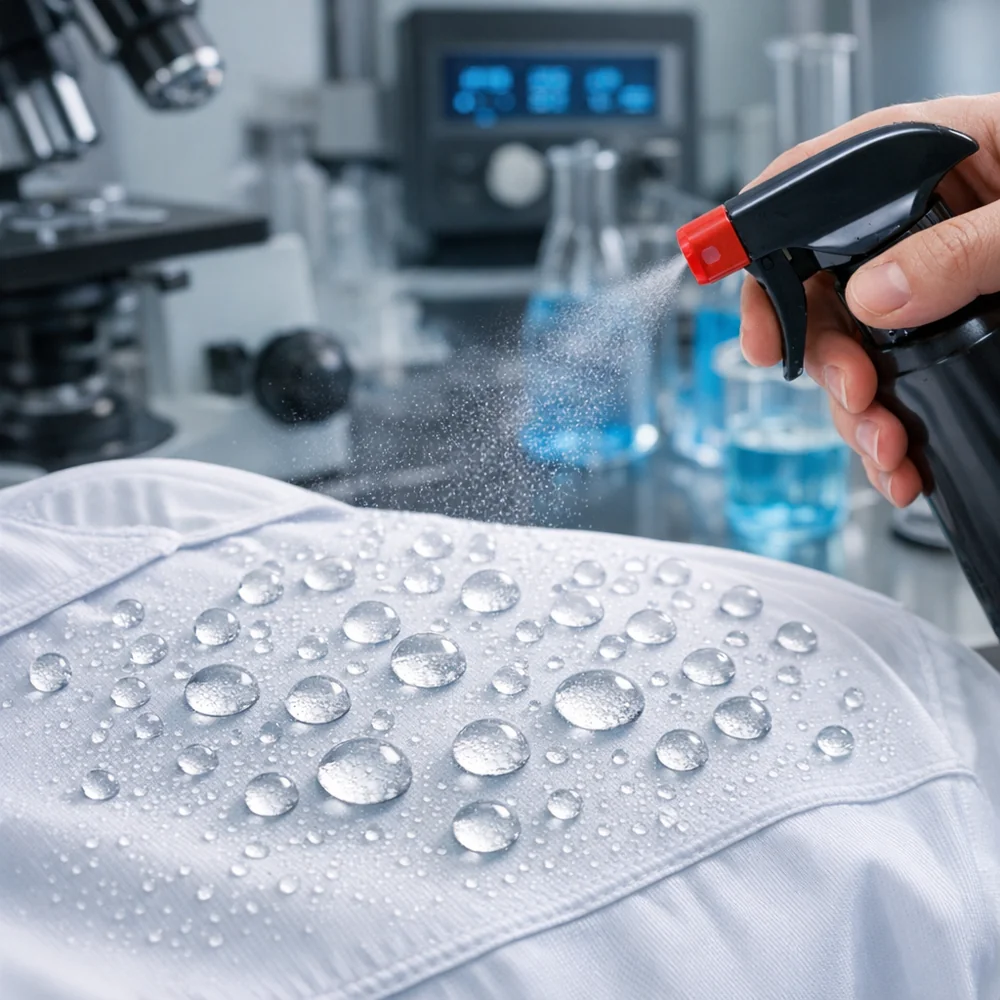
The standard recipe circulating online calls for a bathtub of the hottest water your tap provides, plus a cup each of Borax and washing soda, combined with a heavy dose of powdered laundry detergent. The combination creates a highly alkaline solution that dissolves the residues clinging to fabric fibers.
Let’s break down what each ingredient does:
Borax (sodium tetraborate) is the workhorse of the mixture. It boosts pH into the alkaline range where oils and organic residues lose their grip on fabric fibers. Borax also binds to hard water minerals that might otherwise redeposit onto fabrics during the soak.
Washing soda (sodium carbonate) serves as a pH booster, pushing the solution into even higher alkalinity. This enhanced alkalinity is crucial for attacking the waxy buildup from fabric softeners and the organic residues from incomplete rinsing over months of washing.
Laundry detergent brings surfactants to emulsify the loosened oils and suspend them in solution so they don’t just settle back onto fabric. The powder form is preferred because liquid detergents contain additional water and conditioning agents that dilute the stripping effect.
The combination works synergistically – the high pH breaks bonds between residue and fiber, while surfactants capture what’s released and prevent redeposition. For cotton towels and sheets, this aggressive approach creates the dramatic visible results that made laundry stripping go viral.
The bottom line: The classic recipe uses Borax + Washing Soda + Detergent in hot water to create an alkaline bath that dissolves months of residue.
Elastane’s Kryptonite: Heat and Alkalinity
Here’s where things get dicey for activewear. Materials science research shows that elastane (Spandex/Lycra) suffers permanent damage from two specific environmental factors: elevated temperatures and high pH exposure.
The stretch magic in activewear comes from polyurethane-urea copolymers – long molecular chains that can extend dramatically and snap back through what scientists call “hard segments.” These hard segments are held together by hydrogen bonds and urethane linkages that are particularly vulnerable to alkaline attack.
When you soak elastane in a hot alkaline bath, you’re basically dissolving the molecular architecture that creates stretch. The hard segments that provide recovery force become degraded, meaning fabric that could stretch 500% and snap back now stretches and stays stretched. No amount of washing or drying will reverse this damage.
Research published in Polymer Degradation and Stability has documented how elastane degrades faster in alkaline conditions, especially when heat is also present. The combination is worse than either factor alone.
The bottom line: Elastane fibers are destroyed by high pH and heat. The standard “hot water plus borax” recipe is a death sentence for stretchy activewear.
The Modified Cold Process
For activewear, we swap heat intensity for time. The chemical principles remain the same, but we apply them at safer temperatures for much longer periods. The solubility dynamics still work in cold water – they just need more time to produce equivalent results.
The Safe Recipe:
- Fill a clean bathtub or large basin with warm (not hot) water – 90-100°F maximum. Use a thermometer to check.
- Add ¼ cup Borax
- Add ¼ cup washing soda
- Add ½ dose of a mild liquid detergent (enzyme-based sport detergent is ideal)
This recipe is a quarter of the typical concentration. Reduced alkalinity and temperature translate to reduced risk of elastane damage and DWR destruction.
The timeline changes dramatically: Instead of 4 hours, soak for 6-8 hours or overnight. The extended time compensates for the gentler chemistry. Agitate gently every couple hours to redistribute the solution.
The bottom line: The cold process uses 25% of the standard concentration and sub-100°F water, but extends soak time to 6+ hours to compensate.
Reading the Water
Part of the viral appeal of laundry stripping is watching clean-looking items turn water disturbingly murky. But what’s actually creating that color? Understanding the sources helps you evaluate whether stripping is working as intended or just removing things you didn’t need to remove.
Brown/gray water typically indicates mineral deposits (iron, calcium, magnesium) from hard water, plus accumulated detergent residue that never fully rinsed away. This is the “good” extraction you’re targeting.
Blue/green/purple tints suggest dye is bleeding out of your fabrics. This is concerning for colorful activewear – you’re watching your garments fade in real-time. If you see significant dye loss, reduce soak time for future sessions.
Very dark, almost black water can indicate that you’re stripping away DWR treatments or internal coatings from technical gear. This is particularly concerning for waterproof shells and insulated items.
Minimal change might mean your items were already clean, or it might mean the stripping isn’t working effectively due to excessive load size or insufficient agitation.
The bottom line: Brown/gray water = mineral deposits and residue (good). Blue/green = fabric dyes bleeding out (bad).
How to Tell If Your Clothes Need It
Stripping isn’t maintenance – it’s intervention. You shouldn’t need to do it regularly if your normal washing routine is effective. Using it as a regular practice accelerates fabric wear unnecessarily.
Signs that buildup has accumulated to stripping-worthy levels include:
Gray or dingy appearance despite washing. White and light-colored items look dull, as if they’re never quite clean no matter what you do.
Reduced absorbency. Towels stop absorbing water completely, leaving skin damp even after vigorous drying. Moisture-wicking fabrics feel clammy rather than dry during workouts.
Reduced stretch recovery. Compression gear stays stretched out after wearing instead of snapping back to size. Waistbands require tighter settings to achieve the same hold.
Persistent odor that returns within minutes of putting on apparently clean clothes. This indicates biofilm that survived washing and is being reactivated by body heat.
If items wash and wear normally, leave them alone. Stripping causes some wear with every treatment, so save it for genuine problems.
The bottom line: Stripping is emergency intervention, not routine maintenance. If you need it regularly, your normal wash routine needs fixing.
The Ammonia Smell Problem
Gym-goers often notice that workout clothes develop a sharp ammonia smell rather than the typical body odor. This distinct chemical scent comes from bacterial breakdown of urea and protein residues into ammonia compounds.
The ammonia smell is particularly stubborn because ammonia itself is volatile – it readily escapes from fabric into the air, which is why you smell it. But the precursor compounds that bacteria convert to ammonia remain trapped deep in fabric fibers.
For ammonia-specific odor problems, an acidic pre-treatment works better than stripping’s alkaline approach. Before the stripping soak, try a 30-minute pre-soak in a cool water bath with 1 cup of white vinegar per gallon of water. The acid neutralizes ammonia compounds and “unsticks” protein residues, making the subsequent stripping more effective.
After the vinegar pre-soak, move directly to the stripping bath without rinsing. The order matters – acid treatment first to neutralize ammonia, followed by alkaline stripping to remove the loosened residues.
The bottom line: Ammonia smell specifically responds better to a vinegar pre-soak before stripping, which neutralizes the odor compounds first.
DWR Disaster Prevention
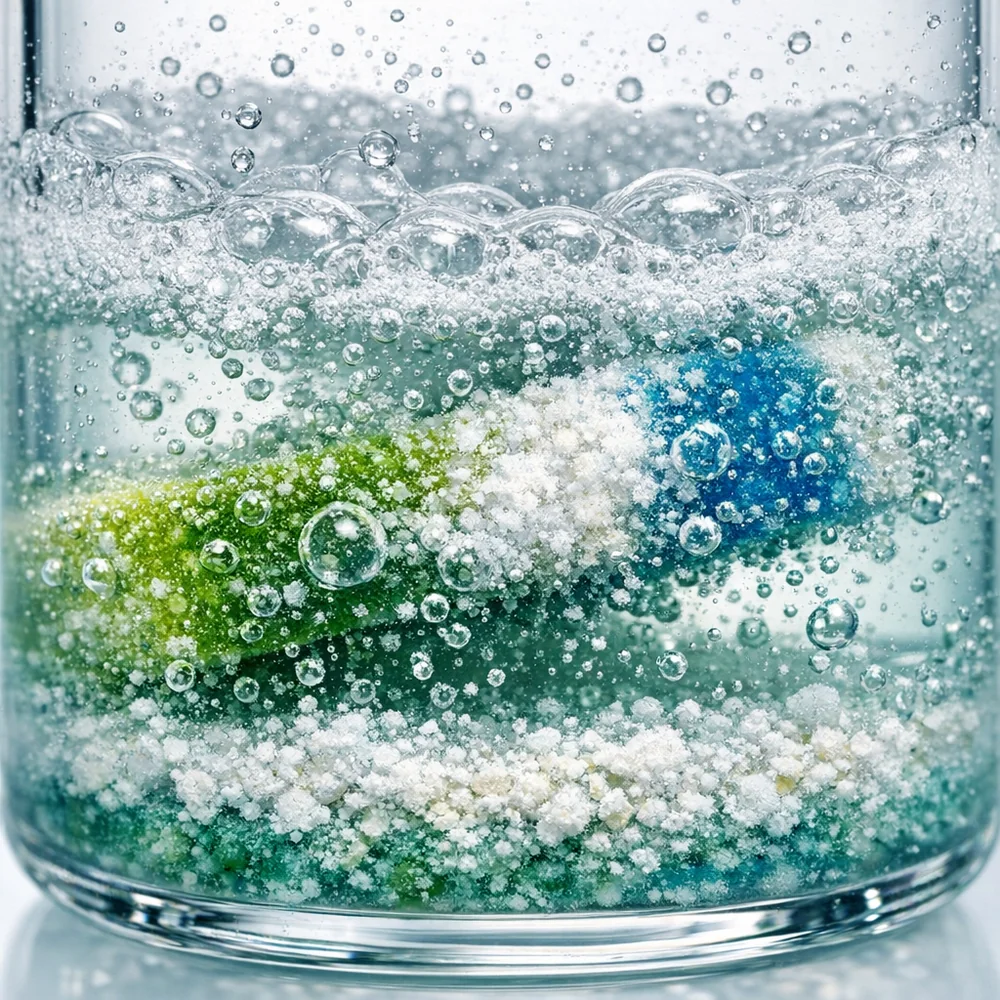
If you’re considering stripping water-resistant activewear – rain jackets, performance leggings with DWR finish, or technical running gear – know that you’re playing with fire. Durable Water Repellent treatments are surface coatings, not inherent fabric properties. Stripping can remove them entirely.
DWR works through surface tension effects created by fluoropolymer or silicone coatings on individual fibers. The alkaline stripping solution can attack the chemical bonds holding these coatings in place, especially when combined with extended soak times.
If you must strip DWR-treated items, inspect them immediately after drying. Test water beading by sprinkling droplets on the surface. If water no longer beads into round droplets (instead flattening and soaking in), the DWR has been compromised.
The solution is immediate DWR restoration. Apply a spray-on DWR product designed for technical gear and follow with heat activation – usually 20 minutes in a warm dryer. This restores water repellency, though the new treatment may not be as durable as the factory-applied original.
The bottom line: If stripping removes your DWR (water stops beading), you must immediately re-apply spray-on DWR and heat-activate it in the dryer.
What About Colors?
Colorfast performance is a legitimate concern when soaking bright or dark activewear for extended periods. The alkaline solution and extended time can both contribute to dye loss, especially for items that weren’t originally colorfast to begin with.
Test before committing. Wet a white cloth with the stripping solution and press it firmly against an inside seam or hidden area of the garment for 30 seconds. If significant color transfers to the cloth, that item should skip stripping entirely or be stripped separately to prevent cross-contamination.
Important: Never strip lights and darks together. Even with testing, extended soaking conditions can cause bleeding that wouldn’t occur in normal washing. Separate by color family at minimum, and consider stripping blacks and vivid colors solo.
The bottom line: Always do a hidden spot test for color bleeding before stripping bright or dark activewear. Some dyes won’t survive.
After Stripping: Rinse Like You Mean It
The chemicals that make stripping effective are also irritating to skin if left in fabric fibers. Post-stripping rinsing needs to be far more thorough than normal post-wash rinsing.
After draining the stripping bath, fill the tub again with fresh, cool water. Submerge items and agitate vigorously. Drain and repeat at least twice more. You want absolutely no sudsy residue or slippery feeling remaining.
Follow the manual rinsing with a full machine wash cycle using a small amount of mild detergent and the “extra rinse” setting if available. Don’t skip this last machine wash – it provides the agitation and water volume necessary to extract chemicals from dense fabric constructions.
Residual washing soda is particularly concerning for sweaty athletic use. When you work out, sweat reactivates dried chemical residue. The concentrated alkaline solution pressed against warm, sweating skin can cause contact dermatitis, rashes, or actual chemical burns.
The bottom line: Rinse 2-3 times after stripping. Any remaining alkaline residue will cause itching, rashes, or chemical burns against sweaty skin.
How Often Can You Do This?
Stripping creates some degree of wear with every treatment, even following the modified cold process. The mechanical stress of extended soaking, the chemical stress of alkaline exposure, and the physical stress of handling wet fabric all contribute to gradual degradation.
For most well-maintained activewear, stripping should be a rare intervention – think once per season at most. If you find yourself needing to strip regularly, the real problem lies in your ongoing maintenance routine. Insufficient detergent, inadequate rinse cycles, or inappropriate products are likely creating the buildup faster than normal washing can address.
Consider stripping as the reset button, not regular maintenance. If something has gone wrong and buildup has accumulated badly, stripping provides a fresh start. Then improve your regular routine to prevent recurrence.
The bottom line: Limit stripping to once per season at most. If you need it more often, fix your regular washing routine instead.
Conclusion
Laundry stripping absolutely works for removing the accumulated residues that standard washing leaves behind. But the viral one-size-fits-all approach poses serious risks to performance fabrics engineered for specific properties.
The modified cold process protects your gear while still addressing buildup. Lower temperatures protect elastane. Reduced chemical concentrations preserve DWR coatings. Extended time compensates for the gentler approach.
When you see that water turn murky, you’ll know the science is working – just make sure you’re not accidentally extracting the performance features that made your activewear worth buying in the first place.
References
- Textile Research Journal. (2013). Effect of alkaline pH on mechanics of polyurethane-based fibers.
https://journals.sagepub.com/home/trj 2.
Polymer Degradation and Stability. (2015). Hydrolytic degradation pathways of elastane. https://www.sciencedirect.com/journal/polymer-degradation-and-stability 3.
American Cleaning Institute. (2018). The science behind laundry stripping. https://www.cleaninginstitute.org 4.
W.L. Gore & Associates. Technical guide to DWR damage and restoration. https://www.gore-tex.com/support/care