Cast Iron and Wood Cutting Board Care
Table of Contents
Things You'll Learn From This Article:
- Cast iron and wooden cutting boards last longer when you limit water exposure and dry them right away.
- Cast iron seasoning is a hard layer formed by heating oil past its smoke point, not just burnt grease.
- Modern dish soap won’t ruin cast iron seasoning if you use it briefly and don’t soak the pan.
- Soaking cast iron is a fast way to cause rust, even if the pan looks well seasoned.
- Heating a cast iron pan on the stove after washing is the easiest way to fully dry it.
- A very thin wipe of oil after drying helps protect cast iron from moisture in the air.
- Rust on cast iron is usually fixable with scrubbing and reseasoning, not a reason to throw it out.
- Old, neglected cast iron can almost always be restored with patience and proper stripping.
- Wooden cutting boards are naturally antibacterial when they’re properly maintained.
- Wood traps and kills bacteria over time instead of letting it spread like plastic can.
- Wooden boards should be washed quickly with soap and water, never soaked.
- Standing cutting boards upright to dry prevents warping and trapped moisture.
- Vinegar or diluted bleach can sanitize wood when deeper cleaning is needed.
- Salt and lemon clean, deodorize, and lightly sanitize wood with very little water.
- Mineral oil keeps wooden boards from drying out, cracking, and warping.
- Vegetable oils are a bad choice for wood because they can go rancid.
- A dull, rough-looking board is a sign it needs oil soon.
- Dishwashers damage both cast iron and wood through heat, water, and harsh detergents.
- Letting cast iron cool before rinsing prevents cracking from sudden temperature changes.
- Storing cast iron with airflow and moisture-absorbing paper towels helps prevent rust.
- Separate boards or proper sanitizing are still needed when switching from raw meat to other foods.
- Wooden utensils need the same oiling care as cutting boards.
- Carbon steel knives and woks benefit from the same dry-and-oil habits as cast iron.
- Small, regular care routines save hours of restoration work later.
- Checking wooden boards weekly helps catch problems before cracks form.
- Monthly oiling sessions keep all wooden tools in good shape at once.
- Knowing what materials are made of helps you care for unfamiliar kitchen tools better.
- Well-cared-for cast iron and wood often become long-term household or family items.
- These materials are more sustainable because they last decades and need simple upkeep.
- Most common problems—stickiness, rust, stains, warping—have straightforward fixes when caught early.
You probably have a cast iron skillet and a wooden cutting board somewhere in your kitchen. Maybe you inherited them from a grandparent, or perhaps you picked them up because everyone said they were “the best.” Either way, you might have noticed something else: these things seem fussy. They come with rules, warnings about soap, and vague threats about rust and warping.
Here is the thing, though. They are not actually difficult to care for once you understand the science behind them. Both cast iron and wood reward you for working with their natural properties instead of against them. Water is the enemy of both. Harsh detergents strip away protective layers. And dishwashers? They are basically torture chambers for these materials. But when you treat them right, they actually get better with age.

The Science of Cast Iron Seasoning
Let us talk about what “seasoning” actually means. Seasoning is not just burnt oil stuck to metal. It is a chemical process called polymerization, where oil molecules link together to form a brand new material that bonds directly to the iron surface.
When you heat cooking oil to temperatures between 400°F and 500°F, the fatty acid chains break apart and reassemble into long, cross-linked structures. The result is a hard, slick film chemically bonded to your pan. Think of the oil building a protective shell, molecule by molecule.
The key temperature is the oil’s smoke point. That wisp of smoke you see when oil gets really hot? That is the oil breaking down and releasing free radicals that initiate polymerization. High smoke point oils like canola, grapeseed, or vegetable oil work best for building seasoning.
Heating slightly above the smoke point also creates some carbonization, depositing a carbon matrix that gives well-seasoned cast iron its gorgeous, jet-black color. Without enough heat, you only get polymerized oil, which tends to look brown and sticky.
The Bottom Line Cast iron seasoning is a chemical transformation where oil molecules cross-link into a durable coating. Heat to 400-500°F with a high smoke point oil, and you are building a non-stick surface bonded to the metal.
Debunking the Soap Myth
Since seasoning is essentially a hardened plastic bonded to iron, let us tackle the biggest myth in cast iron care: that soap will destroy your seasoning. This advice comes from a time when “soap” meant something very different.
Your great-grandmother’s soap was made with lye, which is sodium hydroxide. Lye is highly alkaline and can attack polymerized oil layers. So in that era, washing cast iron with soap really was a bad idea.
Modern dish detergents are completely different. They are surfactants, not caustics. They work by using enzymes to lift food particles, not by chemically stripping fat. Your seasoning is essentially invisible to them. See our guide on alkaline vs pH neutral cleaners for more context.
That said, moderation is still wise. Do not soak your pan for hours or scrub aggressively with steel wool. Quick washes with a small amount of soap, followed by immediate drying, hit the sweet spot.
The Bottom Line Modern dish soap will not ruin your cast iron. The old warnings applied to caustic lye soaps, not enzyme-based detergents. Wash quickly, dry immediately, and stop worrying.
Proper Cast Iron Cleaning Techniques
With the soap myth out of the way, let us talk about daily cleaning. The goal is simple: remove food residue, keep the seasoning intact, and avoid prolonged water exposure that leads to rust.
For light residue, warm water and a stiff brush are usually all you need. Chain mail scrubbers designed for cast iron work beautifully for more stubborn messes, gliding across the polymerized surface without gouging.
For really stuck-on residue, add water to cover the problem area and heat until it simmers. The steam loosens those stubborn particles. Just drain the water right after.
Dry scrubbing with salt works wonders too. Pour coarse kosher salt into the pan and scrub with a paper towel. The salt scours away residue without introducing water.
One thing you should never do is soak cast iron. Water seeps beneath the seasoning layer and starts rusting from the inside out.
The Bottom Line Use warm water and a brush for daily cleaning. For stubborn residue, simmer water briefly or scrub with coarse salt. Never soak your cast iron.
Rust Prevention and Treatment
Cleaning is only half the battle. You have successfully removed food and rinsed your pan, but now you are holding a wet piece of iron. What happens next determines whether your seasoning stays strong.
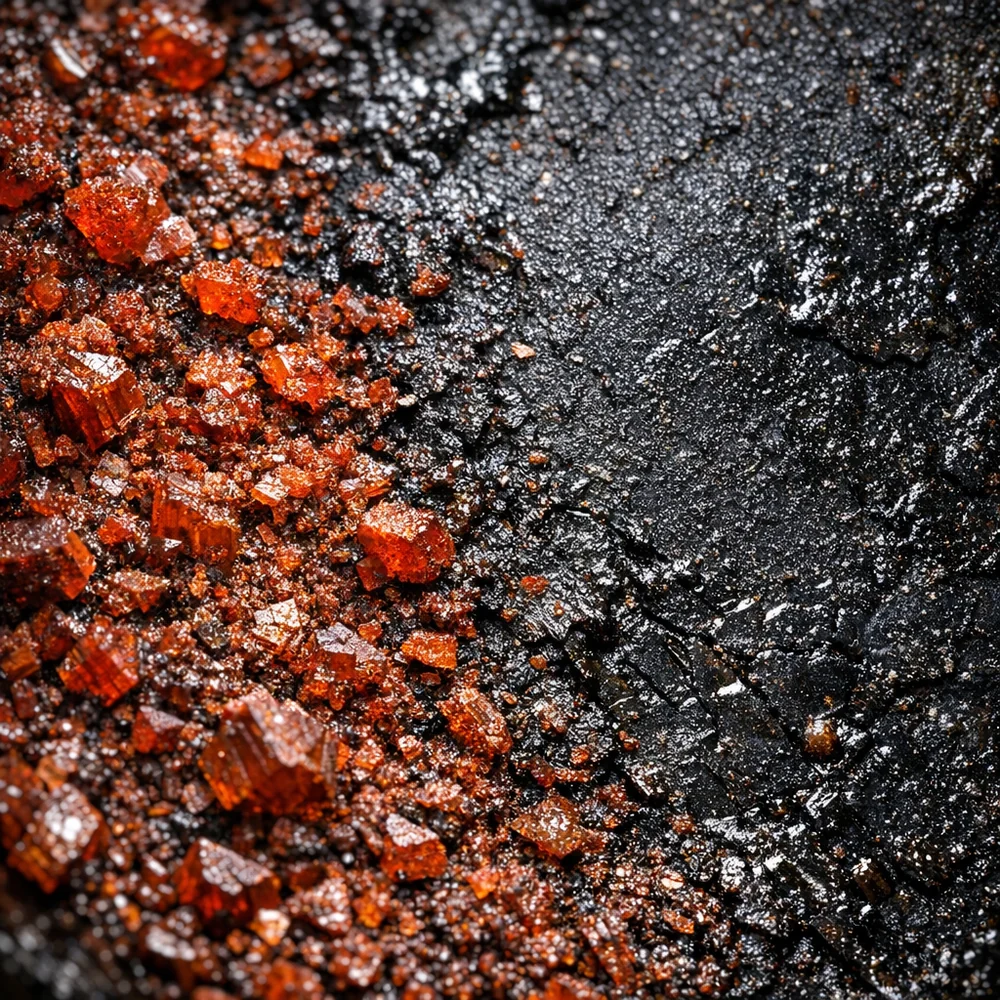
The most important thing you can do is dry your pan immediately and thoroughly. Cast iron has a lot of thermal mass, and moisture lingers in surface pores. Heat the pan briefly on the stovetop to evaporate residual moisture.
Once bone dry, apply a very thin coat of neutral oil. This creates a barrier against ambient moisture and polymerizes slightly over time, reinforcing your seasoning layer. Wipe away excess; you want the surface almost matte.
Where you store matters too. Humid cabinets near the sink expose cast iron to moisture in the air. Consider paper towels between stacked pans to absorb moisture.
If rust spots appear, do not panic. Surface rust is easy to fix if caught early. Scrub with steel wool until back to bare metal, wash, dry thoroughly, and apply a few thin seasoning layers.
The Bottom Line Dry completely by heating on the stove after washing. Apply thin oil before storage. If rust appears, scrub it off early and reseason.
Restoring Neglected Cast Iron
Maybe you picked up a crusty old skillet at a flea market, or inherited one from a damp garage. Heavy rust and decades of grime can make a pan look like a lost cause. The good news is that cast iron is almost indestructible.
For severe rust, electrolysis is the gold standard. DIY setups using battery chargers and washing soda solutions convert iron oxides back to bare iron without removing parent metal. It sounds intimidating but is surprisingly straightforward.
Lye baths strip old, degraded seasoning effectively. Commercial oven cleaners containing sodium hydroxide accomplish the same thing. Heavily encrusted pieces might need multiple applications.
Once stripped to bare metal, rebuild seasoning from scratch. Apply very thin oil coats, bake upside down at 450°F for an hour, and repeat three to five cycles.
Antique cast iron is often worth the effort. Older pieces frequently have machined cooking surfaces that modern manufacturing cannot replicate.
The Bottom Line Even badly rusted cast iron can usually be saved. Use electrolysis for heavy rust and lye baths for stripping old seasoning, then rebuild with thin seasoning layers.
Understanding Wood’s Antimicrobial Properties
If you have ever been told that wooden cutting boards are unsanitary because bacteria hide in the pores, you have been given outdated information. Research has shown the opposite: properly maintained wood can be safer than plastic.
Studies from the University of Wisconsin Food Research Institute found that up to 99.9% of bacteria placed on wooden cutting board surfaces died within minutes. Plastic boards under identical conditions showed bacterial survival and even multiplication.
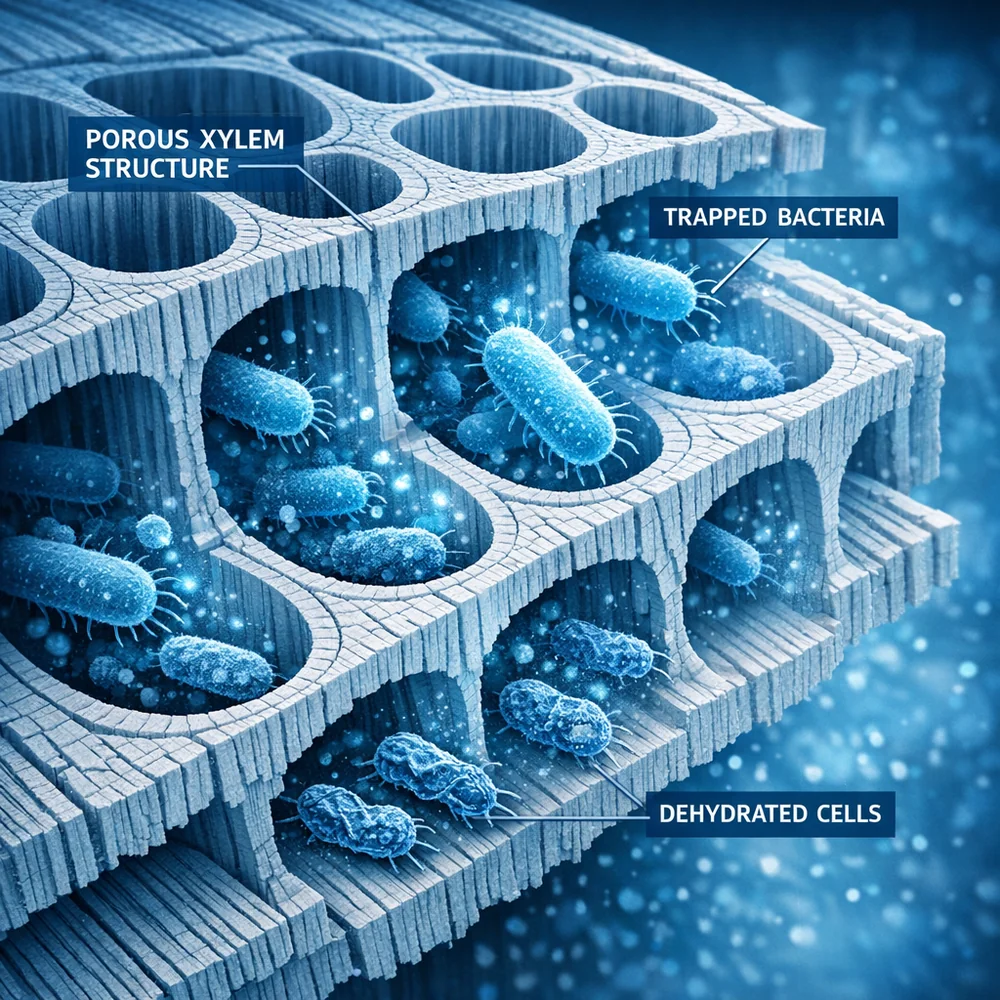
What is happening? It comes down to wood’s hygroscopic nature. Bacteria drawn into wood’s interior find themselves trapped where oxygen and moisture become scarce. The porous structure actually functions as a death trap for pathogens.
Wood’s natural acidity, typically pH 4.3 to 5.2, also plays a role. Certain species like pine and oak contain natural extractives that actively fight bacteria.
The Bottom Line Wood cutting boards have natural antimicrobial properties. Bacteria get trapped in the porous structure and die from lack of moisture. With proper care, wood is at least as safe as plastic.
Proper Wood Cutting Board Cleaning
Just like cast iron, wood requires cleaning that balances sanitization against water vulnerability. Prolonged water exposure causes swelling, warping, and cracking.
For routine cleaning, hot water and dish soap work perfectly. Use a brush to scrub away residue, but work quickly. Never submerge a wooden board.
Drying is critical. Stand boards upright so air circulates around all surfaces. Flat drying traps moisture against the bottom.
For deeper sanitization, white vinegar is excellent. The acetic acid kills E. coli, Salmonella, and Staphylococcus. Apply undiluted, let sit briefly, then rinse and dry. A diluted bleach solution (one teaspoon per quart) works for stronger sanitization.
The Bottom Line Wash wooden boards quickly with hot soapy water, never soak them. Dry upright. For sanitization, use white vinegar or diluted bleach followed by thorough drying.
The Salt and Lemon Method
There is another approach used in kitchens for centuries that requires almost no water. Salt and lemon sounds simple, and it is. But it works remarkably well.
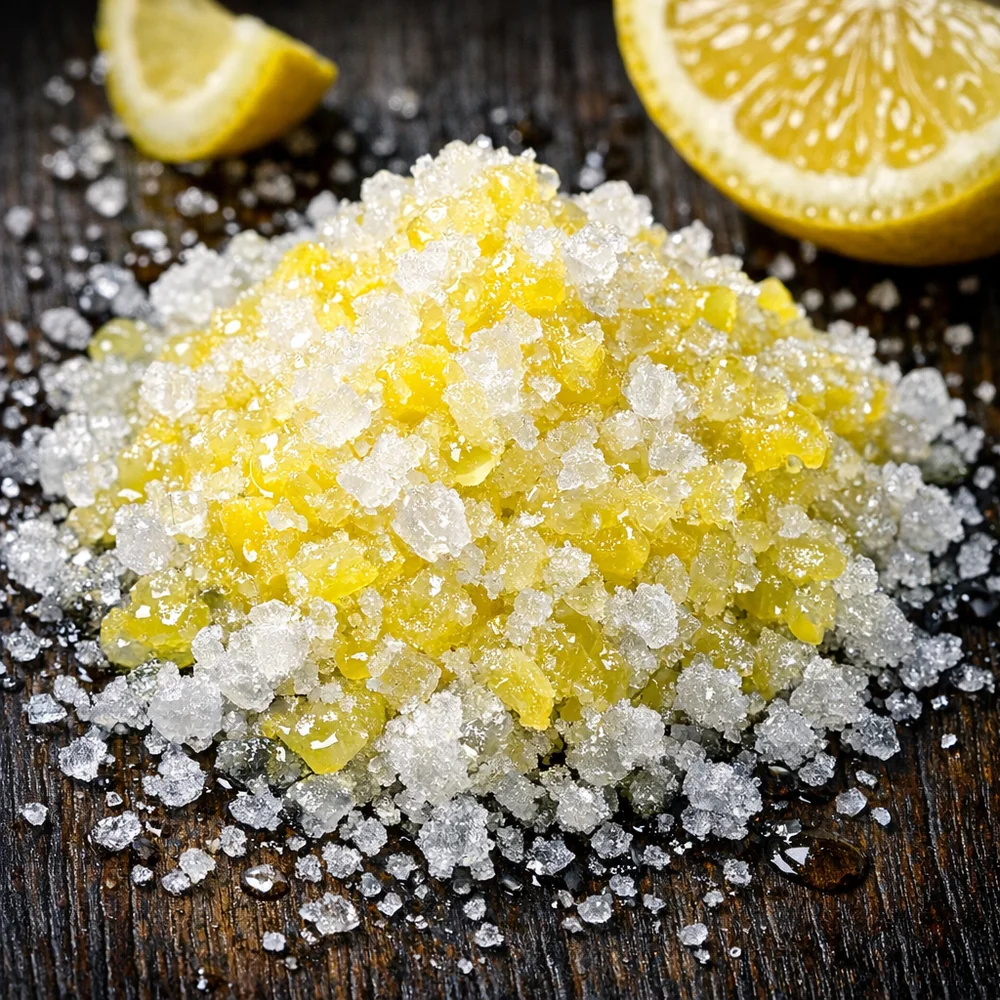
Sprinkle coarse salt generously across your cutting board. Cut a lemon in half and use the cut surface to work the salt across the board, pressing firmly. The lemon juice reacts with the salt, dissolving it into a slurry while citric acid provides sanitizing action.
This combination attacks multiple problems at once. The salt removes stains and residue. The citric acid kills bacteria. And the lemon scent neutralizes lingering odors from garlic, onion, or fish.
Our article on citrus solvent cleaning power explores this chemistry in more detail.
The Bottom Line Coarse salt and a cut lemon provide abrasion, sanitization, and deodorizing all at once. Particularly effective for strong odors.
Oiling and Conditioning Wood Boards
Cleaning is essential, but wood also needs periodic conditioning to maintain its moisture barrier and prevent drying, cracking, and warping.
Food-safe mineral oil is the standard choice. Unlike vegetable oils, mineral oil does not turn rancid over time. Apply generously to all surfaces, let absorb for several hours, then wipe away excess.
Conditioning frequency depends on use and environment. Heavy daily use calls for weekly oiling. Lighter use might only need monthly attention. Winter heating and dry climates increase the need.
Signs your board needs conditioning: the wood looks lighter and duller, the surface feels rough, and it feels dried out rather than slightly oily. Once cracks form, they are permanent.
Board butter products combining mineral oil with beeswax provide enhanced protection and are especially useful for end-grain boards.
The Bottom Line Condition regularly with food-safe mineral oil to prevent drying and cracking. Lightened color and rough texture signal oiling is overdue.
Why Dishwashers Destroy Wood and Cast Iron
By now, you understand that both materials require careful water management. Dishwashers, which combine extended water exposure, high heat, and alkaline detergents, are essentially destruction machines for these materials.
Wood in a dishwasher swells with water during the wash, then shrinks unevenly during drying. The result is cracks and warps. A single run can visibly damage a board.
Cast iron fares no better. High temperatures degrade seasoning. Alkaline detergents attack polymerized oils. Prolonged moisture starts rust formation immediately.
The brief time savings from machine washing never justifies the damage. Hand washing takes under five minutes.
The Bottom Line Dishwashers subject wood and cast iron to water, heat, and chemicals. The time savings are not worth the damage. Always hand wash.
Avoiding Common Mistakes
Certain common practices cause unnecessary damage.
Storing cast iron with lids clamped down traps moisture and promotes rust. Store lids separately or slightly ajar. Paper towels between stacked pans absorb ambient moisture.
Thermal shock can crack even thick cast iron. Never run cold water into a smoking-hot pan. Let it cool somewhat first.
For cutting boards, never cut raw meat then vegetables without sanitizing between. Wood’s antimicrobial properties work over time, not instantly. Dedicate separate boards for raw proteins.
Store wooden boards upright where air circulates evenly. Flat storage traps moisture against one side.
The Bottom Line Do not trap moisture by clamping lids or laying boards flat. Avoid thermal shock. Use separate boards for raw meats.
Complementary Kitchen Tool Care
Cast iron and wood are not the only items benefiting from material-specific care.
Wooden spoons and utensils need the same oiling treatment as cutting boards. They experience less stress but still dry out.
Carbon steel knives share cast iron’s rust vulnerability. Dry them immediately and consider light oil for storage. Carbon steel woks require seasoning just like cast iron. Experience with one transfers to the other.
Understanding these principles develops intuition applicable to fabric care for specialty items as well.
The Bottom Line Apply the same care principles to wooden spoons, carbon steel knives, and woks. Material-specific maintenance extends your entire tool collection.
Building Maintenance Routines
The secret to long-term success is building habits, not relying on heroic restoration efforts.
After-use cast iron care should become automatic: clean briefly, dry on stovetop, apply thin oil. This takes under five minutes and maintains seasoning that would require hours to rebuild.
Weekly inspection of wooden boards catches problems early. Look for rough areas, cracks starting to form, and whether the wood feels dry.
Monthly deep conditioning for all wooden items, boards, spoons, utensils, maintains everything at once. Seasonal cast iron assessment catches rust before it becomes serious.
The Bottom Line Build quick maintenance into your daily routine. After-use cast iron care takes five minutes. Weekly board inspections catch problems early.
Passing Knowledge Through Generations
Well-maintained cast iron and wooden boards often become family heirlooms. The care practices deserve transmission alongside family recipes.
Teaching proper care to new cooks establishes good habits before bad ones take root. Young cooks often grow up with only non-stick cookware and lack intuitive understanding of cast iron’s needs.
Document the methods that work for your family’s cookware. Which oil? How often do you condition? These details ensure continuity when responsibilities transfer.
A skillet used by your grandmother connects you to family history every time you cook with it. Well-maintained pieces preserve family artifacts, not just kitchen tools.
The Bottom Line Teach proper care early. Document your family’s methods. Well-maintained cast iron and wood become meaningful heirlooms.
Environmental Considerations
Cast iron and wood are among the most sustainable kitchen materials.
Cast iron lasts indefinitely. Skillets from the 1800s remain in active use today. The manufacturing investment amortizes across decades.
Wood represents renewable resources that biodegrade at end of life. Resources on eco-friendly kitchen practices often highlight wood’s environmental advantages.
The maintenance products, mineral oil, salt, lemon, vinegar, carry minimal environmental footprint. Choosing materials that reward maintenance shifts consumption toward sustainability.
The Bottom Line Cast iron lasts indefinitely; wood biodegrades naturally. Both reduce consumption compared to disposable alternatives.
Troubleshooting Common Problems
Specific problems arise repeatedly. Recognizing solutions prevents minor issues from escalating.
Sticky cast iron seasoning indicates incomplete polymerization. Strip with oven cleaner or baking soda paste, then reseason at proper temperatures with thin oil applications.
Rust spots mean moisture got through. Scrub away, reassess drying protocols, and check for storage humidity issues.
Warped wooden boards result from asymmetric water exposure. Minor warps sometimes reverse by wetting the concave side and pressing flat during drying. Severe warps may be permanent.
Stained boards often respond to hydrogen peroxide treatment. The oxidizing action bleaches organic stains.
The Bottom Line Sticky seasoning needs stripping and proper reseasoning. Surface rust is fixable. Warped boards are hard to fix, so focus on prevention.
Connecting to Broader Kitchen Care
The principles behind cast iron and wood care apply broadly. Materials respond better to treatment aligned with their properties.
Understanding why cast iron needs dry heat and oil, and why wood needs moisture barriers, develops intuition for unfamiliar situations. You will naturally start asking: what is this made of? What does it need?
For a complete picture of kitchen hygiene, explore our guides on hand washing hygiene protocols and dishwasher detergent considerations.
The satisfaction of cooking with well-maintained heirloom tools connects you to traditions extending back generations.
The Bottom Line Material-specific care principles apply throughout the kitchen. Understanding why things need what they need develops intuition for new situations.
References
- Lodge Cast Iron. Seasoning Science and Care Guidelines.
- University of Wisconsin Food Research Institute. Cutting Board Bacterial Survival Studies.
- Journal of Food Protection. Wood Cutting Board Antimicrobial Properties.
- American Chemical Society. Oil Polymerization Chemistry in Cooking Applications.
- USDA Food Safety and Inspection Service. Cutting Board Hygiene Recommendations.