Laundry Effluent Regulations: Wastewater Engineering Protocols
Table of Contents
Things You'll Learn From This Article:
- Laundry wastewater isn’t just dirty water — it contains chemicals, nutrients, heat, and sometimes metals that can damage rivers and treatment plants if not handled properly.
- Phosphorus and nitrogen from detergents are tightly limited, so you need extra treatment steps to remove them before sending water to the sewer.
- Missing nutrient limits can lead to expensive sewer surcharges or losing permission to discharge wastewater at all.
- High organic waste in laundry water can starve treatment plants of oxygen, which is why reducing BOD (organic load) is a major requirement.
- Systems like air flotation and biological treatment are commonly used to strip out grease, oils, and leftover detergents.
- Laundry wash water is often extremely alkaline, so it must be neutralized to a safe pH range before discharge.
- pH control is usually automated and logged, meaning sensors and records are just as important as the chemicals used.
- Laundries that clean industrial or firefighting gear may release heavy metals, which require regular testing and special removal methods.
- Heavy metals don’t break down, so they must be captured and disposed of as hazardous waste, not sent to the sewer.
- New rules are emerging for PFAS (“forever chemicals”) and microplastics, which means more monitoring and finer filtration will be needed.
- Synthetic clothing sheds tiny fibers during washing, and some regions already require filters to catch them.
- Hot wastewater carries usable energy, and heat recovery systems can reuse that heat to cut fuel costs.
- Cooling wastewater through heat recovery also helps meet temperature limits set by sewer authorities.
- Keeping detailed discharge records is mandatory, and paperwork errors can still lead to fines even if treatment works well.
- Automated monitoring systems help catch problems early and make compliance reporting easier.
- Managing wastewater well protects both the environment and the laundry operation’s ability to keep running.
The management of industrial laundry effluent is a critical component of environmental engineering and municipal public health. Large-scale laundry facilities generate significant volumes of wastewater characterized by high concentrations of surfactants, organic soils, thermal energy, and nutrients like phosphorus and nitrogen. If discharged untreated, these pollutants would lead to the eutrophication of water bodies and the disruption of aquatic ecosystems. Consequently, the industrial laundry sector is governed by an increasingly complex framework of wastewater regulations including National Pollutant Discharge Elimination System (NPDES) permits and local pretreatment standards.
At the technical level, effluent management involves a multi-stage purification process designed to remove both particulate and dissolved contaminants. As we move into 2025, regulatory bodies such as the EPA and local Publicly Owned Treatment Works (POTWs) are implementing even more stringent limits on nutrient discharge to combat toxic algal blooms and maintain water quality. This requires facilities to transition from simple chemical precipitation to advanced technologies like membrane bioreactors and ion-exchange systems. This article examines the technical benchmarks and engineering controls required for the successful management of industrial laundry wastewater.
Phosphorus and Nitrogen Discharge Limits
The primary nutrients of concern in laundry effluent are phosphorus and nitrogen which are heavily utilized in industrial detergent builders and soil-suspending agents. Phosphorus typically originates from the “builders” such as sodium tripolyphosphate (STPP) that are used to manage water hardness while nitrogen comes from organic soils and certain specialized surfactants. Regulatory targets for 2025 are increasingly aggressive with some sensitive regions requiring phosphorus limits as low as 0.25 mg/L to 1.0 mg/L and total nitrogen limits below 5.0 mg/L. These limits are significantly lower than the average concentrations found in untreated laundry wastewater.
To meet these 2025 targets, facilities must implement “nutrient removal” stages in their treatment plants. This involves using coagulants like alum or ferric chloride to precipitate phosphate ions into a settleable “floc” or using biological denitrification to convert nitrate into nitrogen gas. Failure to meet these limits can result in massive “surcharges” from the local POTW or even the suspension of the facility’s discharge permit. Mastering the stoichiometry of nutrient removal is now as critical to a facility’s success as the laundry science of soil extraction itself.
The Bottom Line Nutrient management is the primary regulatory challenge for 2025. By implementing advanced chemical precipitation and biological denitrification, industrial laundries can meet the “ultra-low” phosphorus and nitrogen limits required to protect sensitive aquatic ecosystems.
Biological Oxygen Demand (BOD) Reduction
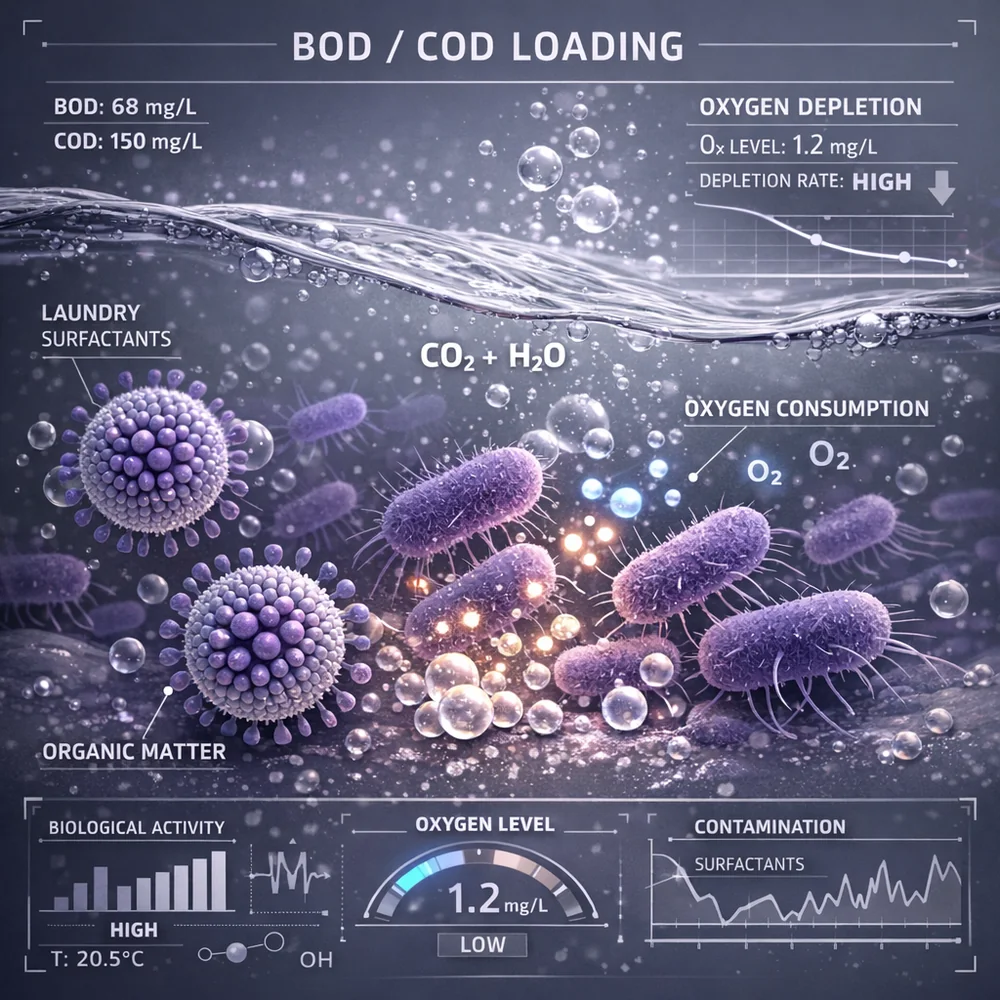
Biological Oxygen Demand (BOD) is a measure of the amount of dissolved oxygen needed by aerobic biological organisms to break down the organic material present in the wastewater. Laundry effluent typically has a very high BOD due to the presence of fats, oils, and greases (FOG) extracted from linens as well as the biodegradable surfactants in the detergent. High BOD effluent can “starve” a municipal treatment plant of oxygen leading to the failure of the secondary treatment stage and the release of untreated sewage into the environment.
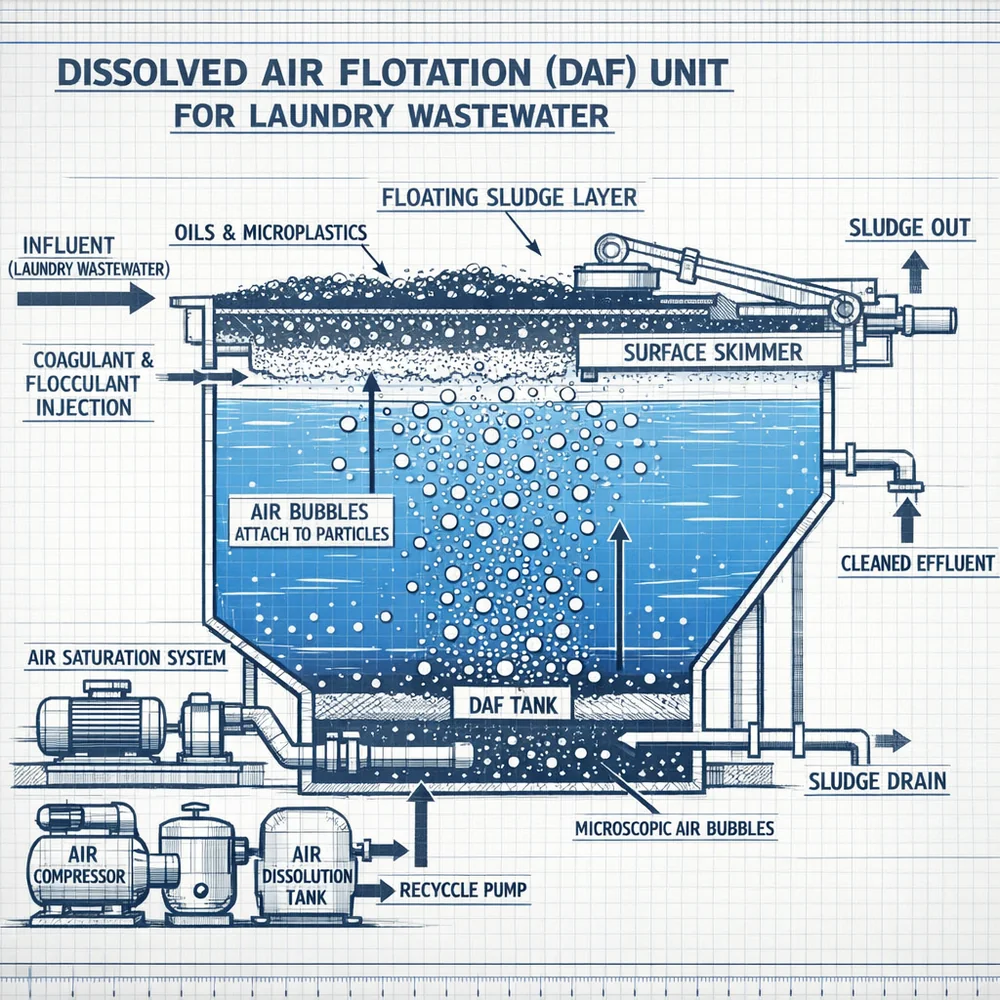
Professional pretreatment systems reduce BOD through a combination of physical separation and aerobic digestion. Dissolved Air Flotation (DAF) systems inject microscopic air bubbles into the wastewater causing the FOG and organic solids to rise to the surface where they can be skimmed off. The remaining dissolved organic matter is then treated in a biological reactor where specialized bacteria consume the contaminants. A well-managed treatment plant can achieve a BOD reduction of over 95% ensuring that the final discharge does not disrupt the municipal ecosystem and stays within the facility’s RABC EN14065 certification parameters.
pH Neutralization Before Discharge
Industrial laundry wash cycles operate at extreme pH levels often exceeding 12.0 for the alkaline hydrolysis of soils. However, most municipal discharge permits require the final effluent to have a near-neutral pH typically between 6.0 and 9.0. Discharging high-alkaline water can damage municipal piping and harm the biological “sludge” used in municipal treatment tanks. Therefore, every industrial laundry must maintain a pH neutralization system at the final point of discharge.
Neutralization is automated using real-time pH sensors and dosing pumps that inject sulfuric or hydrochloric acid into the wastewater stream to lower the pH. Some high-standard facilities utilize carbon dioxide ($CO_{2}$) for neutralization because it is safer to handle than liquid acids and provides stable pH control without the risk of “over-shooting” into the acidic range. The data from these sensors must be logged and reported to the local environmental agency to provide an auditable record of the facility’s environmental compliance.
The Bottom Line Automatic pH control is a non-negotiable discharge requirement. By utilizing $CO_{2}$ or liquid acids in a sensor-driven feedback loop, facilities ensure that their highly alkaline wash water is converted into an environmentally safe, near-neutral effluent before it leaves the plant.
Heavy Metal Monitoring in Effluent
Large-scale laundries, particularly those processing industrial uniforms and firefighter turnout gear, must monitor their effluent for heavy metals such as lead, chromium, and cadmium. These metals are often present in the soot and industrial dust extracted from the garments. Because heavy metals are toxic and do not degrade in the environment, they are subject to “strict liability” regulations. POTWs often require monthly or quarterly testing for a “full suite” of metals using Inductively Coupled Plasma (ICP) spectroscopy.
To remove heavy metals, facilities utilize ion-exchange resins or specialized chelating polymers that “capture” the metal ions from the water stream. The captured metals are then concentrated and disposed of as hazardous waste sludge. This level of technical management is essential for facilities aiming to meet the 2025 sustainability goals and avoid the legal repercussions of “metal-loading” in domestic municipal sewer systems.
2025 Regulatory Trends (PFAS/Microplastics)
The regulatory landscape for 2025 and beyond is being shaped by emerging concerns over “forever chemicals” (PFAS) and microplastics. PFAS (per- and polyfluoroalkyl substances) are found in many water-repellent fabrics and fire-fighting foams and their presence in laundry effluent is coming under intense scrutiny. New EPA guidelines are being developed to set “monitoring requirements” for PFAS in industrial discharge which will eventually lead to specific treatment mandates using activated carbon or high-pressure membranes.
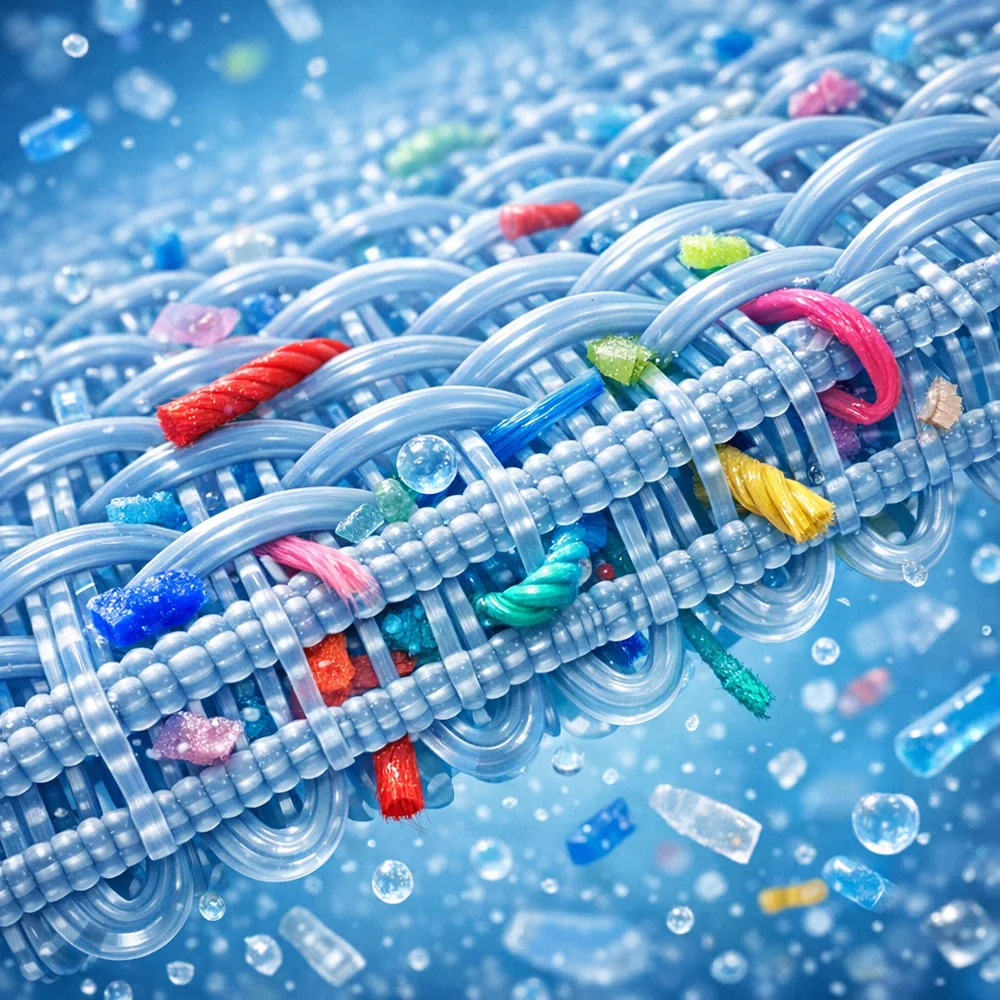
Similarly, the release of synthetic microfibers and microplastics shed from polyester and nylon garments is a growing concern. Some regional regulations are already requiring the installation of “micro-filtration” systems on industrial washers to trap fibers as small as 10 micrometers. For the advanced laundry manager, staying ahead of these trends by implementing commercial laundry water recovery systems with integrated micro-filtration is the best way to ensure long-term regulatory compliance and environmental leadership.
The Bottom Line PFAS and microplastics are the “next frontier” of wastewater law. Proactive facilities are already piloting membrane filtration and granular activated carbon (GAC) systems to future-proof their operations against the upcoming mandates of the 2025-2030 regulatory cycle.
Thermal Energy Recovery in Wastewater
Industrial laundry wastewater is not just a source of pollutants; it is also a massive reservoir of thermal energy. Effluent from wash cycles often has a temperature of 50°C to 70°C which means energy is traditionally “wasted” when discharged to the sewer. Modern wastewater engineering utilizes “shell-and-tube” or “plate” heat exchangers to recover this energy. The heat from the hot wastewater is used to pre-heat the incoming cold fresh water reducing the amount of natural gas or steam required to reach the target wash temperature.
Thermal recovery systems can improve a facility’s overall energy efficiency by 20% to 30% providing a significant return on investment. Furthermore, many POTWs regulate the “maximum temperature” of discharge (often 40°C/104°F) to prevent thermal damage to the sewer infrastructure. Heat recovery serves a dual purpose by lowering the discharge temperature to compliant levels while simultaneously reducing operational energy costs. This synergy is a core component of high-efficiency OPL vs outsourced laundry analysis models.
Documenting NPDES Permit Compliance
Compliance with the National Pollutant Discharge Elimination System (NPDES) or local municipal equivalent requires rigorous documentation and reporting. Facilities must maintain a “Discharge Monitoring Report” (DMR) that records the flow volume, pH, BOD, and nutrient concentrations for every day of operation. These reports are often submitted electronically to the state environmental agency. Any “excursion” or reading that exceeds the permit limit must be reported immediately along with a “Corrective Action Plan” detailing how the facility will prevent a recurrence.
Administrative discipline is as important as engineering precision in wastewater management. A facility with perfect filtration but poor documentation can still be subject to fines and legal action. Digital monitoring systems that automatically generate DMRs are becoming the industry standard. These systems provide real-time alerts to the plant engineer if any parameter approaches the regulatory limit allowing for proactive adjustments to the automated chemical dosing and treatment systems before a violation occurs.
Conclusion
The science of laundry effluent management is an essential discipline that bridges the gap between industrial productivity and environmental protection. By mastering the stoichiometry of phosphorus removal and the mechanics of BOD reduction, industrial laundries can meet the increasingly stringent regulations of the 2025 regulatory cycle. The use of advanced filtration, thermal energy recovery, and real-time pH monitoring transforms wastewater from a liability into a managed industrial resource.
As the industry faces new challenges from PFAS and microplastics, the role of specialized wastewater engineering will only become more critical. A facility that prioritizes environmental compliance is not just following the law; it is protecting the public resources that make its operation possible. Through the disciplined application of engineering controls and administrative rigor, professional laundry services ensure that their commitment to hygiene extends beyond the fabric and into the very water that sustains our communities.
References
- Environmental Protection Agency. “National Pollutant Discharge Elimination System (NPDES) Guidelines for Industrial Laundries.” EPA
- Journal of Water Process Engineering. “Nutrient Removal Efficiency in Industrial Laundry Wastewater Treatment.” Elsevier
- Water Environment Research. “Characterization and Treatment of Biological Oxygen Demand in Large-Scale Laundry Effluent.” WEF
- Clean Show Technical Papers. “Designing Heat Recovery Systems for Optimized Laundry Wastewater Management.” Clean Show
- International Journal of Environmental Science. “Emerging Regulations for PFAS and Microplastics in Industrial Discharge (2025 Outlook).” Springer