Daycare Cleaning & Sanitization: How to Keep Childcare Safe
Table of Contents
Things You'll Learn From This Article:
- Germs spread fast in daycare settings, so cleaning has to be more frequent and more structured than in homes or offices.
- Washing first and disinfecting second matters, because dirt and soap residue can stop disinfectants from working properly.
- Sanitizing and disinfecting are different jobs, and each one is used on different surfaces for safety reasons.
- Toys that go in mouths need gentler sanitizing, while diaper areas and bodily fluid spills need much stronger disinfecting.
- Following exact dilution ratios and contact times is critical, since too-weak solutions don’t kill germs and too-strong ones can harm kids.
- Bodily fluid spills require special steps like PPE, absorbent materials, and blocking off nearby areas to prevent outbreaks.
- Soft items like dress-up clothes, plush toys, nap mats, and bedding need regular high-heat washing to stay safe.
- Items that can’t be washed should be removed from use or rotated out long enough for germs to die off.
- Crawling surfaces need low-toxicity cleaners and a rinse step so chemical residue isn’t left where children touch and mouth the floor.
- Color-coded cleaning cloths help prevent spreading bathroom germs onto food or play surfaces by mistake.
- Microfiber cloths work best when washed correctly and without fabric softener, which can ruin their cleaning ability.
- Bleach solutions must be mixed fresh daily and checked with test strips, since smell alone doesn’t tell you if they work.
- Cleaning logs and records are just as important as the cleaning itself when inspections or illness outbreaks happen.
- Lice outbreaks are handled mainly through heat and laundry, not chemicals, with special attention to bedding and dress-up items.
- Assigning each child their own bedding and storage reduces the chance of spreading skin issues, allergens, and infections.
Maintaining high standards of hygiene in childcare environments is a complex challenge because you are dealing with both pediatric health and infectious disease control. Daycare centers serve as high-density environments where respiratory and stomach bugs spread rapidly due to constant touching and close contact. Effective sanitization in these settings requires you to understand the chemical interactions between cleaning agents and the diverse surfaces found in play areas. Unlike adult-centric offices, you must balance maximum germ-killing power with the need to prevent exposure to harsh chemicals for developing bodies.
At the molecular level, pathogens persist on surfaces based on humidity, surface tension, and the presence of organic “biofilms.” Your protocols must be designed to break down these biofilms without leaving harmful residues that children could ingest when they put their hands in their mouths. This requires you to use precisely diluted disinfectants and strictly follow the required contact times. This article examines the industrial-grade protocols you need to maintain hospital-level cleanliness while respecting the unique constraints of the childcare industry.
Disinfecting Toys and Surfaces Regulations
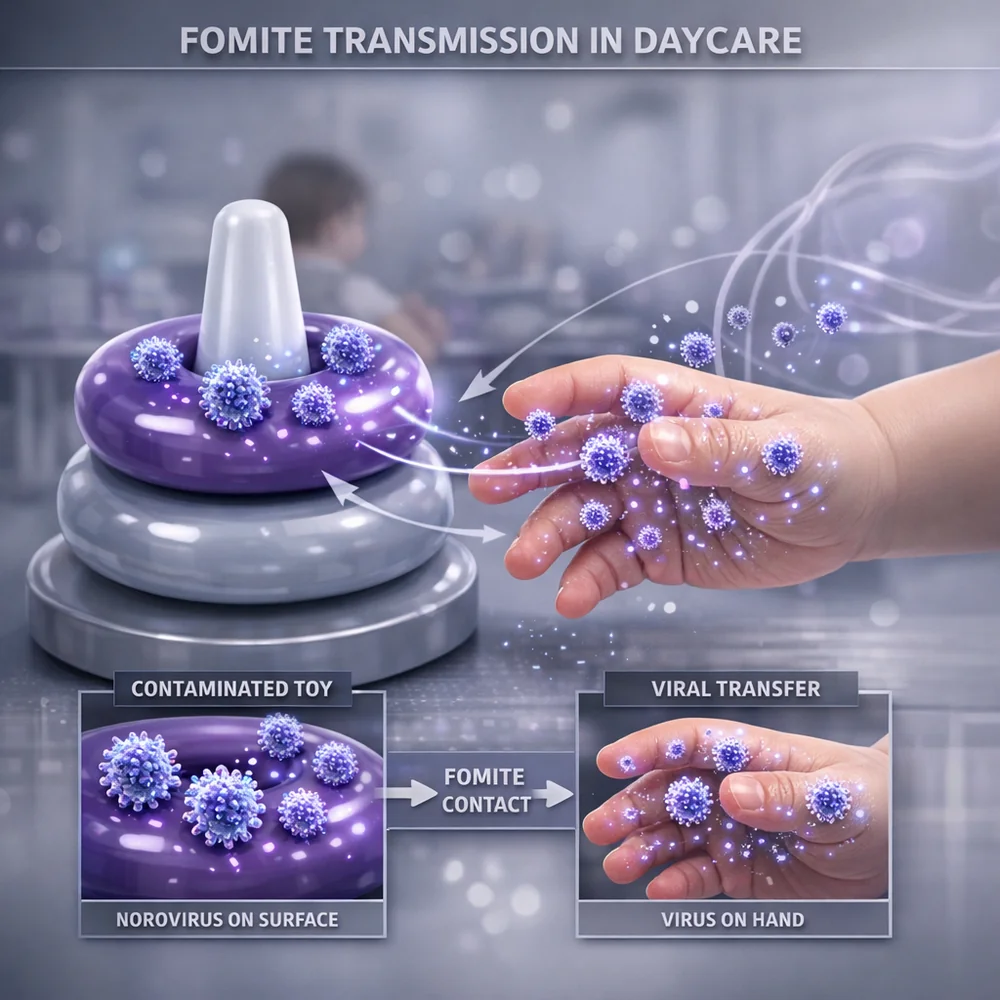
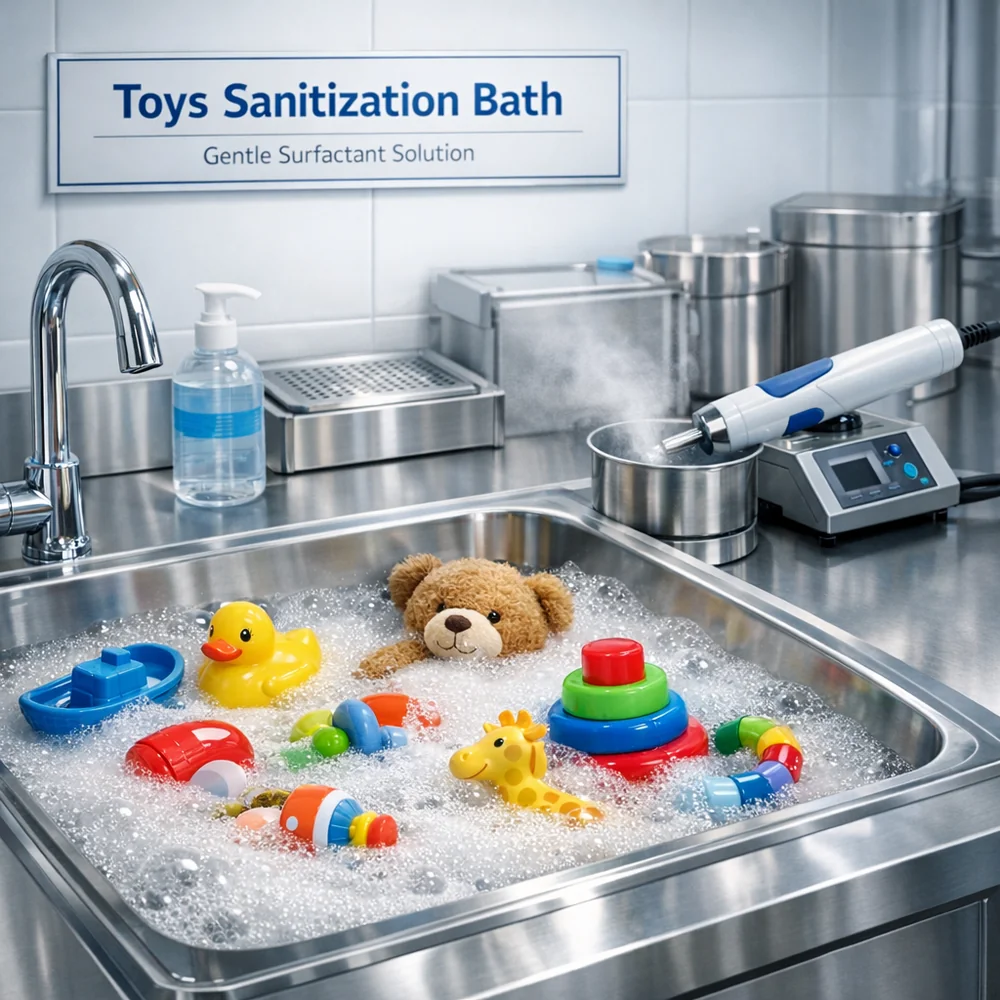
The regulation of toy and surface disinfection in childcare is governed by strict public health standards that differentiate between high-touch and low-touch items. Regulatory bodies like the EPA and local health departments mandate that you use registered disinfectants proven to be effective against a broad spectrum of pathogens including Influenza and Rhinovirus. For non-porous plastic toys, the protocol typically involves a three-step process where you wash with detergent, rinse with clean water, and then immerse in a sanitizing solution. This ensures that no residual soap interferes with the disinfectant’s performance.
Surfaces such as changing tables and food preparation areas are subject to even more frequent disinfection mandates. Regulations often require you to disinfect changing tables after every single use with a 500-1000 ppm chlorine solution or an equivalent antimicrobial agent. The challenge for daycare providers is maintaining the documentation to prove these regulations are consistently met throughout the chaotic day. Failure to follow these mechanical and chemical protocols can result in the rapid spread of hand-foot-and-mouth disease (HFMD) and other pediatric infections.
The Bottom Line Regulatory compliance in childcare hinges on the distinction between sanitization for food surfaces and disinfection for high-risk zones. Following the mandatory three-step wash-rinse-sanitize protocol is the only way to ensure both microbial safety and chemical residue management.
Difference Between Sanitizing and Disinfecting in Childcare
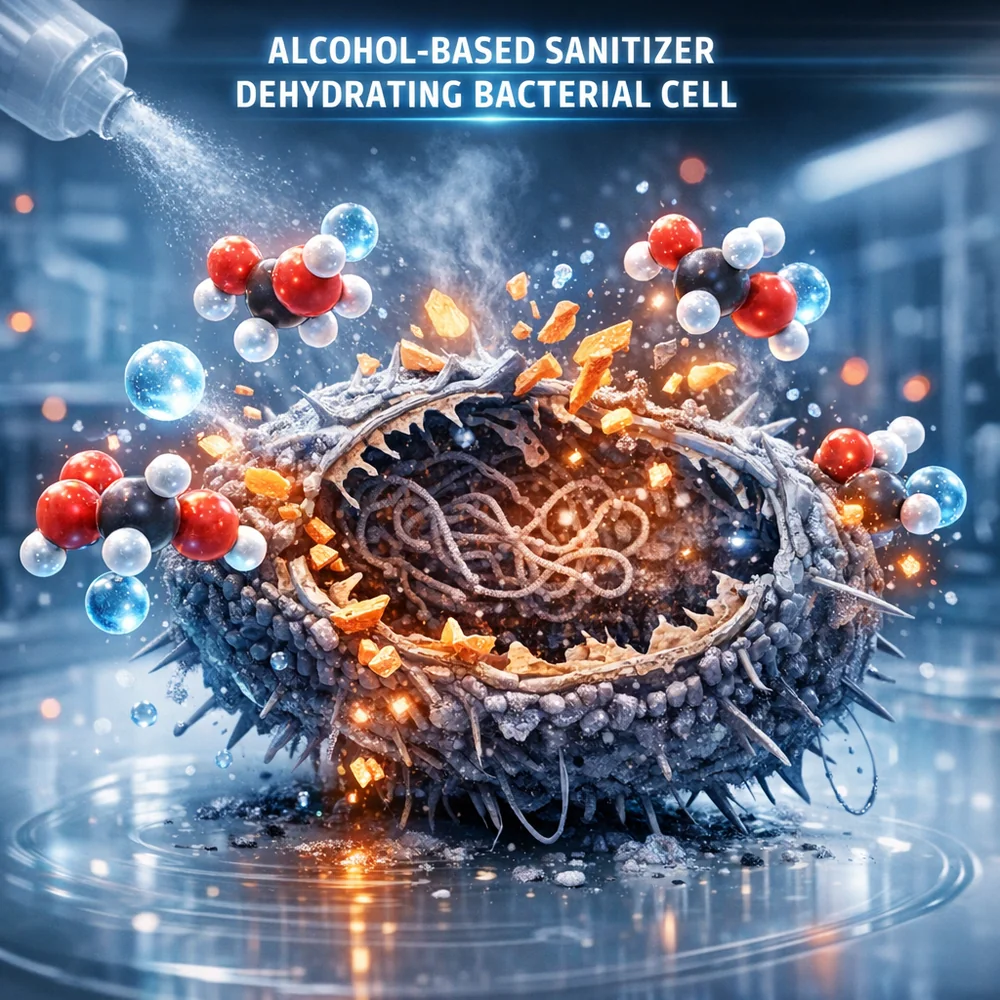
In the context of industrial hygiene, “sanitizing” and “disinfecting” are not interchangeable terms because they refer to distinct levels of germ killing. Sanitizing is a process that reduces the number of bacteria on a surface to a safe level, typically achieving a 99.9% reduction. In a daycare, sanitizing is the appropriate protocol for surfaces that come into contact with food or mouths, such as high-chair trays and teething toys. This level of cleaning is achieved with lower concentrations of chemicals to minimize the risk of ingestion.
Disinfecting is a much more aggressive process designed to destroy or irreversibly inactivate all specified infectious fungi and bacteria, achieving a 99.999% reduction. Disinfection is mandatory for surfaces contaminated with bodily fluids like diaper-changing stations, toilets, and floors after a spill. Because the chemicals required for disinfection are stronger, these surfaces often require a water-rinse step before being returned to service for children. Understanding this hierarchy of cleaning ensures that your daycare environment is sterile where necessary while remaining safe for crawling and playing.
Cleaning Bodily Fluids and Norovirus Protocols
Managing bodily fluid spills like vomit, blood, and feces requires a specific biohazard response protocol to prevent the aerosolization of pathogens like Norovirus. Norovirus is particularly resilient because it can survive on surfaces for weeks and resists many standard household cleaners. The industrial-grade response involves using high-concentration chlorine solutions (5,000 ppm) or specific EPA-approved virucides. You must cover these spills with absorbent material before treating them with disinfectant to trap the pathogens within a liquid-stable matrix.
Staff responding to these incidents must utilize appropriate Personal Protective Equipment (PPE) including gloves and face masks to avoid contaminating themselves. You must cordon off the “clean-up zone” and consider any soft surfaces within a 25-foot radius as potentially contaminated. Because Norovirus has a very low infectious dose, even a single microscopic droplet can lead to a facility-wide outbreak. The protocol also mandates that any clothing or linens involved in the spill be processed as biohazard laundry protocols to ensure total thermal and chemical eradication.
The Bottom Line Norovirus containment requires hyper-concentrated disinfectants and an expansive exclusion zone. Standard cleaning is insufficient; only a concentrated 1:10 bleach solution or a specialized virucide can disrupt the protective shell of these highly resistant stomach viruses.
Washing Dress-up Clothes and Soft Toys
Dress-up clothes and plush toys represent a significant challenge in childcare hygiene because they are porous and cannot be easily wiped down. These items often harbor dust mites, skin cells, and saliva-borne bacteria. The protocol for laundering these items involves a high-temperature wash cycle (at least 60°C or 140°F) combined with a specialized surfactant that can penetrate deep into synthetic fibers. For items that are not heat-stable, you must add a peroxide-based sanitizer to the wash liquor to achieve microbial reduction without damaging the fabric.
Soft toys that cannot be laundered in a machine should be rotated out of circulation frequently to allow pathogens to “die off” naturally. Some facilities use UV-C disinfection cabinets for plush items, although the efficacy of UV light on porous materials is limited by shadow effects within the fibers. The most effective strategy remains a strict weekly laundering schedule and the immediate removal of any item that has been visibly mouthed by a child. This prevents the dress-up corner from becoming a persistent reservoir for respiratory syncytial virus (RSV) and other seasonal illnesses.
Laundering Nap Mats and Bedding Frequency
Nap mats and bedding in a daycare must be treated with the same level of hygiene as hospital linens. Each child must have their own designated mat and sheets to prevent the cross-colonization of the skin microbiome. You should launder bedding at least once per week, or immediately if it becomes soiled. The wash cycle for bedding should include an alkaline builder to help remove body oils and sebum followed by a thorough rinse to prevent detergent-induced rashes on sensitive skin.
The storage of nap mats is equally important to the washing protocol. You must clean and disinfect mats before stacking or storing them to prevent the “clean” side of one mat from touching the “dirty” side of another. Many facilities use non-porous vinyl-coated mats that can be wiped down with a 100 ppm bleach solution. By maintaining a clear separation between individual items and following a disciplined washing schedule, you can significantly reduce the incidence of skin infections and allergen exposure among the children.
The Bottom Line Mat storage is a critical cross-contamination point. Hygienic integrity is only maintained when mats are disinfected and stored individually to prevent the transfer of skin flora and environmental allergens between children.
Safe Chemicals for Crawling Surfaces
Selecting disinfectants for crawling surfaces requires a balance between antimicrobial power and toxicological safety. Children in the “crawling” stage have significant skin contact with the floor and frequently put their hands in their mouths. Disinfectants based on quaternary ammonium compounds (quats) are popular for their stability and broad-spectrum activity, but they can irritate the respiratory system if not properly rinsed. Many pediatric environmental health experts recommend using hydrogen peroxide-based cleaners because they break down into water and oxygen leaving zero toxic residue.
The application method also matters because “spray and leave” protocols on floors can lead to sticky chemical films that trap more dirt. The gold standard involves a “mop-rinse-dry” cycle where you clean the floor with a disinfectant and then mop again with plain water. This ensures that the floor is sterile at the start of the day without posing a chemical threat to infants. By prioritizing low-toxicity and biodegradable options, you can protect the most vulnerable participants in your environment while maintaining a medical-grade level of cleanliness.
Color-Coded Cleaning Cloths to Prevent Cross-Contamination
To eliminate the risk of transferring pathogens from bathroom surfaces to food preparation areas, industrial-grade daycare operations utilize color-coded cleaning systems. Under this protocol, you assign specific colors of microfiber cloths and mops to specific zones. For example, red cloths are used exclusively for toilets and diaper areas, yellow for play zones, and blue for windows or low-risk surfaces. This visual system provides an immediate safeguard against human error and ensures that a cloth used to clean a toilet is never accidentally used on an eating table.
Microfiber is the preferred material for these cloths because its structure allows for the mechanical removal of 99% of bacteria even before a chemical is applied. However, you must launder the cloths correctly to maintain their effectiveness. They should be washed separately from other linens in a high-temperature cycle without using fabric softeners which can clog the micro-channels in the fibers. By integrating color-coding with a rigorous commercial laundry workflow optimization, you can ensure that your cleaning tools remain a part of the solution rather than the problem.
The Bottom Line Color-coding is a visual engineering control that overrides linguistic or training gaps. It prevents the catastrophic cross-contamination of enteric pathogens from high-risk bio-zones to food-contact surfaces.
Bleach Dilution Ratios for Childcare
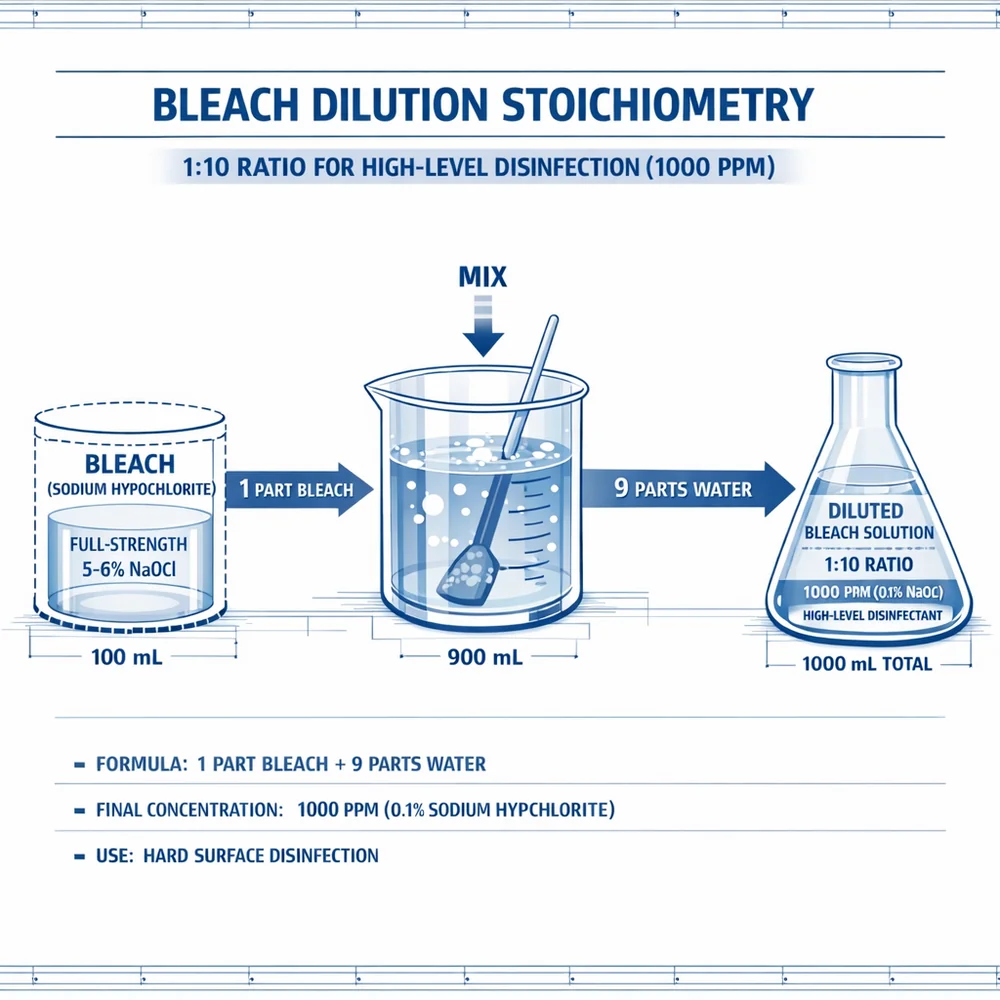
The use of sodium hypochlorite (household bleach) in daycare remains one of the most cost-effective and powerful sanitization methods, but it requires precise dilution to be both safe and effective. Standard dilutions are typically 1:100 (approximately 50-100 ppm) for food contact surfaces and 1:10 (approximately 500-1000 ppm) for disinfecting bodily fluid spills. You must mix these ratios fresh every 24 hours because chlorine is unstable in light and heat and loses its killing power rapidly once diluted.
Daycare staff must use test strips to verify the ppm concentration of every batch they mix. A solution that is too weak will fail to kill pathogens while a solution that is too strong can cause respiratory irritation and damage surfaces. The “smell of bleach” is not an indicator of effectiveness; only chemical titration or test strips can confirm that the solution meets the requirements for a virucidal kill. By standardizing these ratios and monitoring them daily, you can provide a consistently sterile environment without over-exposing children to harsh fumes.
Documenting Cleaning Schedules for Inspections
Rigorous documentation is the administrative backbone of daycare hygiene. Licensing agencies and health inspectors require proof that cleaning and sanitization protocols are being followed according to the prescribed frequency. You achieve this through logs that record the date, time, and initials of the staff member responsible for each cleaning task. These logs should also include the concentration readings of the disinfectants used to ensure the facility can prove compliance with chemical safety standards.
Digital documentation systems are increasingly used to track these schedules in real-time. These systems can send alerts to managers if a critical task, such as disinfecting the diaper area, has been missed. In the event of an outbreak, these records become invaluable for tracing the source of the infection and demonstrating that you took all “reasonable precautions” to protect the children. Comprehensive documentation transforms hygiene from a set of ad-hoc tasks into a disciplined system of public health protection.
Handling Lice Outbreaks in Laundry
Lice outbreaks are a common and stressful occurrence in childcare that require an immediate and systematic laundry response. While head lice only survive 24 to 48 hours off a human host, their eggs (nits) can be persistent. The protocol for handling an outbreak involves sealing all soft items, pillows, dress-up clothes, and nap mats in plastic bags for 14 days or laundering them immediately at high temperatures (60°C/140°F). The heat of the wash and the subsequent high-heat drying cycle is more effective at killing lice than chemical shampoos.
Items that cannot be washed should be subjected to 30 minutes in a high-heat dryer which provides sufficient thermal energy to kill both adult lice and their eggs. You should clean headrests and carpets thoroughly, but the primary focus must remain on the textiles that come into direct contact with children’s hair. By centralizing the laundry response and ensuring that all bedding is processed together, you can break the cycle of re-infestation. This coordinated effort between parents and caregivers is the only way to successfully manage these highly transmissible events.
The Bottom Line Thermal energy is the most reliable way to kill lice. A 30-minute high-heat dryer cycle is sufficient to eradicate the entire life cycle of lice and nits from textile reservoirs.
Conclusion
The science of daycare cleaning and sanitization is a multifaceted discipline that requires the integration of pediatric safety, infectious disease control, and industrial logistics. By maintaining a clear distinction between sanitization and disinfection, you can optimize your chemical use to provide a sterile environment that is also safe for developing children. Implementing rigorous protocols for bodily fluid spills, bedding maintenance, and toy disinfection forms a comprehensive shield against facility-wide outbreaks of Norovirus and other pediatric illnesses.
Ultimately, the goal of childcare hygiene is to create an environment where children can explore and learn without risk. This is achieved through the disciplined application of safe chemical dilutions, color-coded cleaning tools, and robust documentation. As we continue to understand the nuances of the pediatric immune system and the resilient nature of modern pathogens, these protocols will only become more critical. A daycare that prioritizes these technical standards is not just a place for supervision; it is a fortress of public health that protects the future health and well-being of the children in its care.
References
- Pediatrics. “Infection Control in the Child Care Setting.” American Academy of Pediatrics
- Environmental Health Perspectives. “Selecting Disinfectants for Childcare: A Toxicological Perspective.” NIEHS
- Journal of Applied Microbiology. “Persistence of Norovirus on Childcare Surfaces.” Wiley Online Library
- Centers for Disease Control and Prevention. “Cleaning and Sanitizing With Bleach in Child Care Settings.” CDC
- International Journal of Hygiene and Environmental Health. “Evaluating the Efficacy of Color-Coded Microfiber Systems in High-Density Environments.” Elsevier