Sanitizing Laundry for Sick Family: Pathogen Mitigation Protocols
Table of Contents
Things You'll Learn From This Article:
- Treat clothes, sheets, and towels from a sick person as germ carriers, not regular laundry.
- Wash sick laundry at **60°C (140°F) or hotter** to reliably kill most viruses and bacteria.
- Don’t trust “hot” by default—use a **sanitary or allergy cycle** if your machine has one.
- Rinse with cool water first if there’s blood, vomit, or mucus, then do the hot wash.
- Use **bleach for white, sturdy fabrics** when you want the strongest germ kill.
- For delicate or colored items, use a **laundry-safe disinfectant** instead of high heat.
- Keep the sick person’s laundry **completely separate** from everyone else’s items.
- Never shake dirty sheets or clothes—rolling them keeps germs from floating into the air.
- Load laundry carefully and as directly as possible into the washer.
- Wear gloves (and a mask if available) when handling heavily soiled bedding or clothes.
- Dry items **all the way until bone-dry**; leftover dampness lets germs survive and grow.
- Add extra dryer time if thick items still feel slightly wet.
- Clean or disinfect hampers, baskets, and laundry bags after every sick-laundry load.
- Use plastic or wipeable hampers instead of fabric ones during illness.
- Wash your hands with soap and water **immediately after loading the washer**.
- Avoid touching your face, food, or other surfaces until your hands are clean.
- Fold sick laundry on a separate surface, or disinfect the surface before reuse.
- Don’t let sick laundry sit for days—wash it as soon as possible.
- Remember that some viruses can live on fabric for **days**, especially in dried mucus.
- Keep using these steps until at least **48 hours after symptoms stop**.
When someone in your household is sick, their clothing, bedding, and towels become saturated with biological shedding: respiratory droplets, fecal particulates, and high viral loads. Standard laundry cycles that prioritize fabric softness and color retention are often insufficient to neutralize these infectious agents. To break the chain of transmission, you need a technical approach focused on the thermodynamics of disinfection and the chemistry of oxidative stress.
Every textile used by a sick person is a potential fomite, an object that can transmit infection.
The survivability of pathogens on fabric depends on environmental factors like temperature, humidity, and the fiber structure itself. Synthetic polymers and natural cellulosic fibers interact with microbes differently, often providing protective niches that resist superficial cleaning. This guide covers the advanced protocols for sanitizing laundry during household illness, from thermal thresholds that destroy viral protein coats to safe handling techniques that prevent spreading germs while doing the wash.
The 60-Degree Celsius Threshold
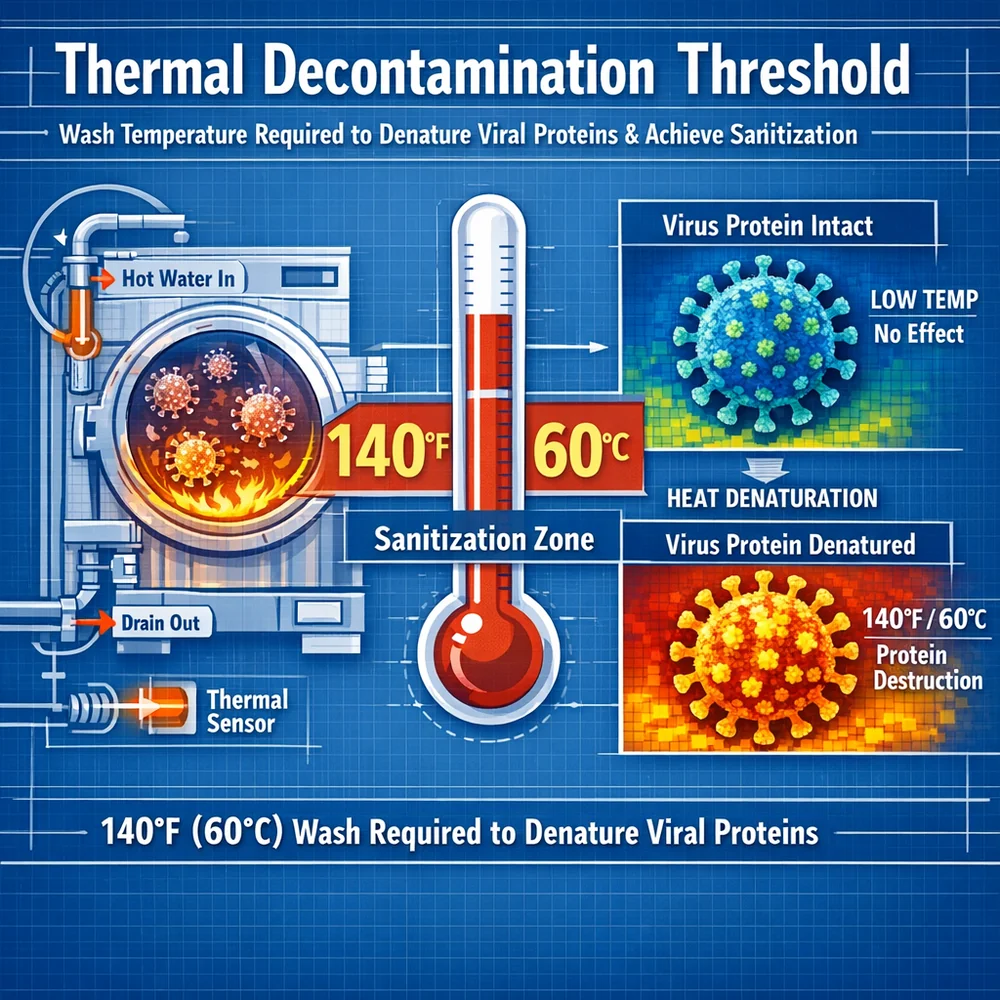
Thermal disinfection is one of the most reliable methods for inactivating a wide range of human pathogens, including norovirus, influenza, and antibiotic-resistant bacteria. The principle is simple: heat denatures proteins and disrupts the lipid envelopes that protect many viruses. To achieve genuine sanitization, wash water must reach and maintain at least 60 degrees Celsius throughout the cycle.
At this temperature, molecular vibrations collapse viral capsids altogether.
Many modern washing machines, even those labeled “hot,” use energy-saving regulations that may not consistently hit 60 degrees. You may need to specifically select a “sanitary” or “allergy” cycle designed for sustained high-temperature washing. For high-risk loads like bedding from someone with a stomach illness, temperatures approaching 70 or even 90 degrees Celsius are ideal if the fabric tolerates it. The higher the temperature, the shorter the time required for complete microbial inactivation.
This thermal load must be balanced against fiber degradation risk. Reference our wash temperature science guide for selecting parameters based on both fabric type and suspected pathogen. One important note: if blood or protein-based fluids are present, don’t start with hot water. High heat can “set” protein stains, binding pathogens more tightly to the fabric. Use an initial cool-water rinse to remove bulk organic matter, then follow with the high-temperature disinfection cycle.
Key Insight: Water temperatures of sixty degrees Celsius and above are required to achieve clinical-grade thermal disinfection. These temperatures denature viral proteins and lipid envelopes, making sustained high-heat cycles a cornerstone of infectious laundry management.
Chemical Sanitization with Phenolics
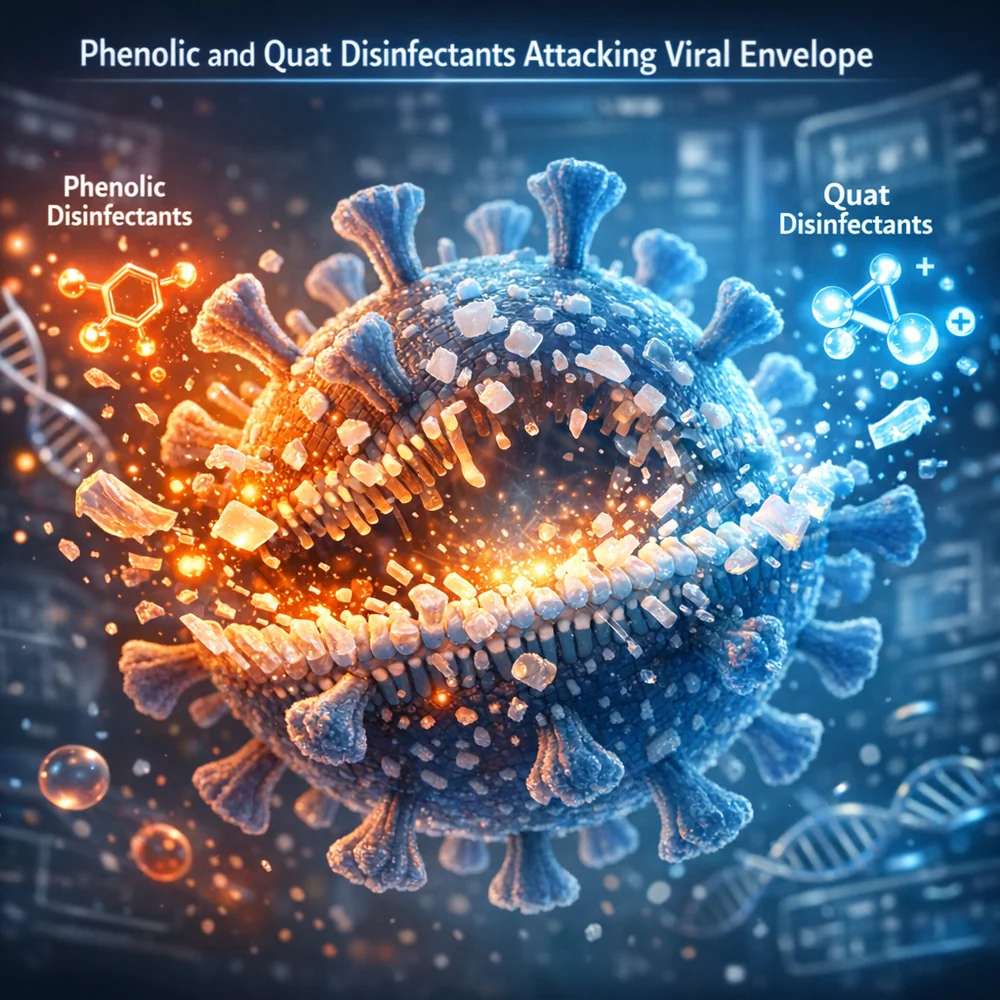
When thermal disinfection isn’t possible due to fabric sensitivity, chemical sanitization becomes your primary tool. Phenolic disinfectants are among the most effective household options for laundry. These compounds disrupt cell walls and precipitate cell proteins, working particularly well against gram-positive bacteria and enveloped viruses.
Phenolics maintain their efficacy even in the presence of organic matter like soil or mucus.
This is important because other disinfectants like chlorine bleach can be neutralized by organic material. Pine oil, provided it contains at least 80 percent active terpene alcohols, functions as a natural phenolic disinfectant. It’s traditionally used for sanitizing diapers and linens because it’s relatively gentle on fibers compared to harsh oxidizers. Add pine oil at the start of the wash cycle so it interacts with pathogens throughout the mechanical agitation phase.
Selection depends on your specific goals. Phenolics are compatible with a wide range of detergent ingredients, allowing single-cycle clean-and-sanitize. They’re less likely to cause yellowing than some storage materials discussed in our storage yellowing analysis. Follow manufacturer instructions for dilution, as under-diluted solutions may irritate the skin of a recovering patient. A thorough rinse cycle removes bulk chemical residue while leaving enough bacteriostatic layer to inhibit remaining microbes during drying.
Key Insight: Phenolic disinfectants and high-concentration pine oil provide chemical sanitization by disrupting microbial cell walls. These agents are effective alternatives for heat-sensitive fabrics and maintain their germicidal power in the presence of organic contaminants.
Handling Contaminated Bedding Safely
The way you handle biohazardous laundry matters as much as the washing process. The most common mistake is shaking out contaminated sheets before putting them in the hamper. This creates a cloud of aerosolized pathogens: virus-laden respiratory droplets and bacteria-carrying skin scales that settle on surrounding surfaces or get inhaled by the caregiver.
Never shake or fan contaminated bedding.
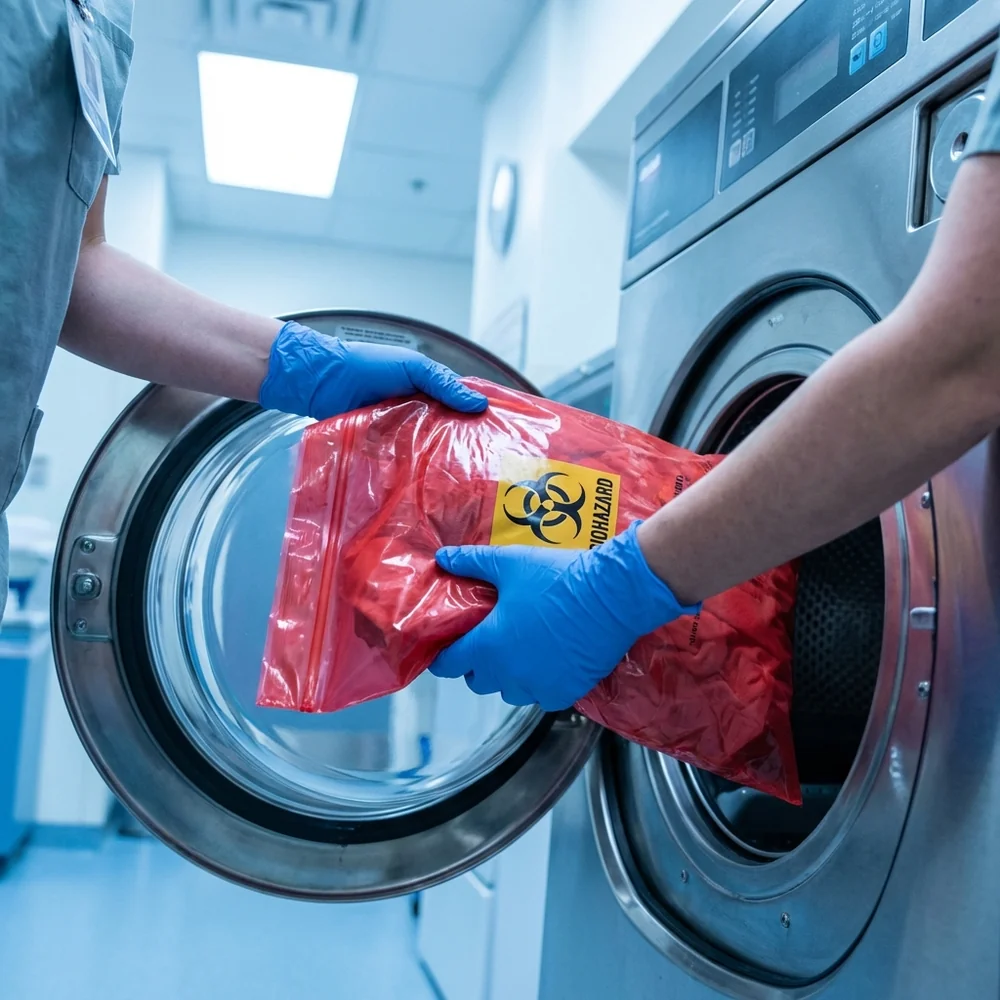
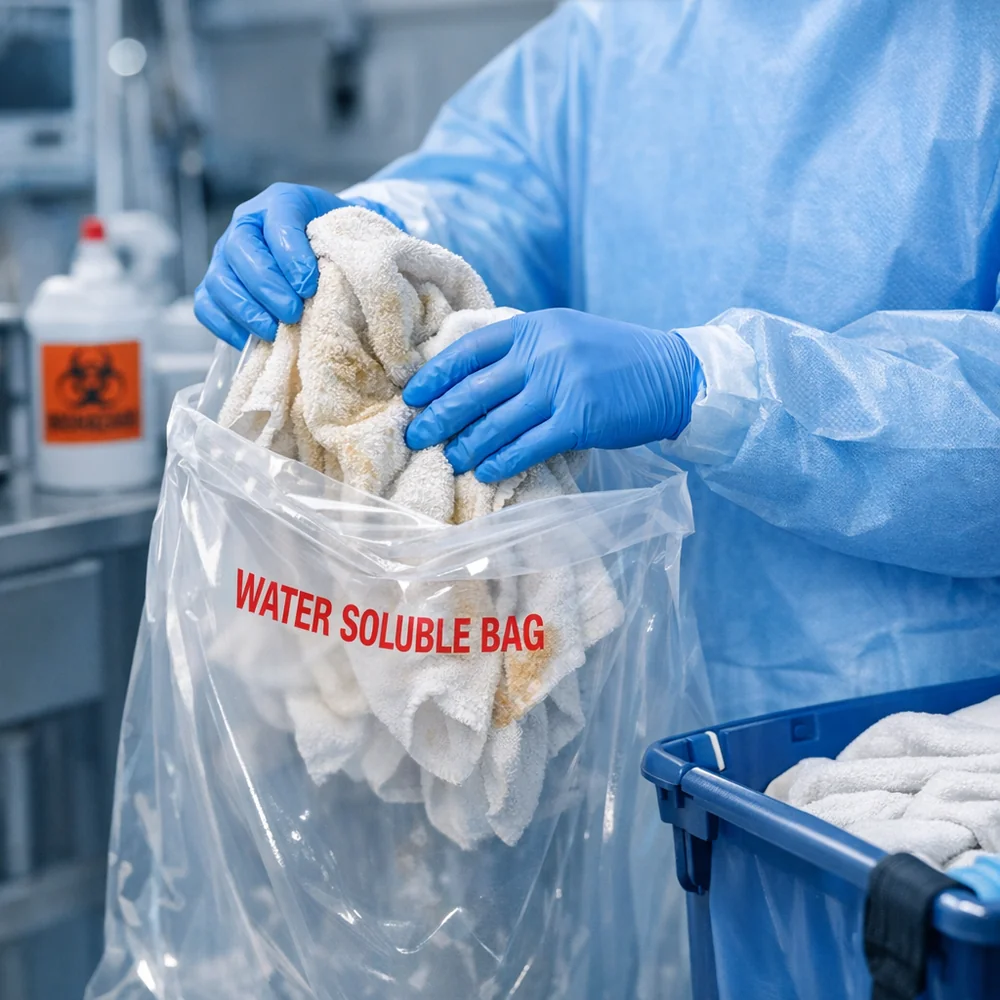
Instead, carefully roll sheets with the soiled side on the inside and place them immediately in a dedicated laundry bag at the bedside. If possible, use water-soluble laundry bags that go directly into the washing machine without reopening. This “no-touch” protocol eliminates aerosolization during transfer from bedroom to laundry room. If using a standard bag, empty it directly into the machine drum with minimal movement.
Caregivers should wear personal protective equipment during handling: gloves and a surgical-grade mask. The mask provides a barrier against unavoidable aerosolization, while gloves prevent mechanical transfer to hands. After loading the machine, the transport bag and hamper lining must be sanitized or disposed of to prevent the laundry room from becoming a contamination site.
Key Insight: Shaking contaminated bedding aerosolizes pathogens, creating an inhalation risk and spreading contamination. Utilizing water-soluble bags and a “no-touch” handling protocol prevents the mechanical dispersal of infectious agents during laundry transfer.
Keeping Sick Laundry Separate
In a household with active infection, sick-room laundry must never mix with the general household stream. Cross-contamination occurs when pathogens transfer from one garment to another within hampers or during mixed wash cycles. If wash temperature or chemical concentration is insufficient, the entire load becomes contaminated, which is a common pathway for rapid illness spread through families.
Establish a clearly marked “infection hamper” in the patient’s room.
This hamper is used exclusively for the patient’s clothing, linens, and towels, laundered in dedicated loads and never mixed with healthy family members’ items. This isolation ensures high pathogenic loads receive the necessary intense treatment without exposing the rest of the household wardrobe to potential contamination. Reference our laundry-stripping protocols for related aggressive cleaning techniques.
The separation extends through drying and folding. If patient laundry is folded on the same surface as clean family laundry without sanitizing that surface between uses, recontamination is possible. Use dedicated baskets for “inbound” (dirty) and “outbound” (clean) patient items. This creates a closed-loop system that never intersects with healthy family members’ textiles.
Key Insight: Dedicated laundry streams for sick family members prevent the mechanical cross-contamination of healthy family members’ clothing. Establishing a “closed-loop” system for infectious textiles is essential for containing pathogenic reservoirs.
Bleach for Maximum Pathogen Kill
For white cottons and bleach-tolerant fabrics, sodium hypochlorite (liquid chlorine bleach) remains the gold standard for chemical disinfection. Its mechanism is rapid oxidation: it chemically shreds the proteins and nucleic acids of pathogens. Unlike soaps that merely lift dirt, bleach proactively destroys microbial life. It’s effective against the hardest-to-kill viruses, including non-enveloped varieties like norovirus that survive high heat and standard detergents.
Timing matters for bleach effectiveness.
Add it after the initial soil removal phase using your machine’s dedicated bleach dispenser. Adding too early neutralizes the enzymes in detergent, while adding too late doesn’t provide enough contact time. A ten-minute exposure at standard dilution typically ensures sterile textiles. Reference our chlorine bleach chemistry guide for reaction specifics.
Bleach limitations include high reactivity with fabric dyes and potential fiber weakening. Reserve it for the patient’s white linens, towels, and undershirts. For colored or delicate items, oxygen-based bleach like sodium percarbonate is safer, though it requires higher temperature (60 degrees or above) to activate fully. Follow any bleach sanitization with a double-rinse to remove residual chlorine, which can irritate skin already weakened by illness.
Key Insight: Chlorine bleach provides rapid, total oxidation of pathogens, making it the most effective chemical sanitizer for bleach-tolerant fabrics. Precision in timing and a dedicated rinse cycle are necessary to balance germicidal power with fiber and skin safety.
The Drying Cycle as Secondary Kill-Step
Sanitization doesn’t end when the wash cycle stops. The dryer provides a secondary thermal kill-step that’s often overlooked. While many pathogens die during washing, some bacterial spores and fungal structures can survive immersion if temperatures weren’t high enough. The sustained heat of a mechanical dryer (typically 55 to 75 degrees Celsius) continues denaturing any remaining microbial proteins.
Items must be dried until completely, thoroughly bone-dry.
Even slight residual moisture provides a bridge for surviving bacteria to multiply during storage. Moisture sensors may shut the cycle down prematurely if thick seams are still damp, so consider adding a timed twenty-minute “sanitizing” dry after the automatic cycle finishes. If using outdoor drying instead, sunlight provides UV radiation that’s highly germicidal for surface bacteria. However, UV only works on directly exposed areas; flip items halfway through to ensure complete coverage.
Combining high-heat mechanical drying with a hot wash creates the double-barrier hygiene system standard in medical and industrial laundry. Complete desiccation is the final guarantee of biological stability.
Key Insight: The drying cycle serves as a secondary thermal kill-step, reinforcing the disinfection process. Sustained high heat until textiles are completely dry eliminates residual moisture that could support microbial regrowth.
Sanitize the Hampers Too
An often-neglected component of infection control is cleaning the logistics chain: the hampers, baskets, and transport bags used to move laundry. These become contaminated the moment they contact soiled clothing. If you place a clean, hot-washed load into a basket that just carried flu-laden pajamas, the entire load is immediately recontaminated.
This “fomite transfer” is a primary reason illness persists even when everyone washes their hands.
Hampers for sick-room laundry should be made of easy-to-sanitize materials like plastic or metal. Fabric hampers that can’t be laundered are unsuitable during illness. After every use, wipe the hamper down with a disinfectant containing at least 70 percent alcohol or diluted bleach. Pay attention to handles and ventilation holes where biological material accumulates.
Using a disposable or washable liner provides additional protection. Treat this liner as part of the biohazardous load and launder or dispose of it with every cycle. You cannot touch a dirty hamper and then handle clean sheets without a hand-hygiene intervention between. Every surface touching textiles must be as clean as the textiles themselves.
Key Insight: Laundry baskets and hampers are persistent fomites that can re-contaminate clean textiles. Rigorous sanitization of these containers after every contact with soiled items is mandatory to maintain the biological integrity of the laundry cycle.
Always Wash Your Hands
Hand hygiene is the single most effective way to prevent transferring pathogens from soiled laundry to your face, food, or other family members. Loading the machine inevitably transfers microbes to your skin. If you then touch your eyes or prepare a meal before washing up, you complete the infection cycle.
Wash hands for at least twenty seconds with warm water and soap immediately after loading laundry.
This is a critical boundary. Don’t touch washing machine controls, door handles, or your own face until this handwash is completed. Professional protocols often recommend using the back of your hand or a towel to close the laundry door until you’ve washed. Alcohol-based hand sanitizers are useful supplements but shouldn’t replace the mechanical removal of pathogens that soap and water provide.
In a sick-room context, hands are often contaminated with organic matter like mucus that can shield bacteria from alcohol. Soap emulsifies these organic bridges and allows pathogens to rinse away. Reference our hand-washing hygiene protocols for the specific science. Every laundry intervention must begin and end with rigorous hand hygiene.
Key Insight: Hands are the primary vector for pathogen transfer during laundry handling. Immediate, surfactant-based hand washing after loading soiled textiles is the most critical step in protecting the caregiver and preventing household spread.
How Long Viruses Survive on Fabric
Understanding pathogen survival times helps you gauge risk and timing. Viruses generally survive longer on non-porous surfaces (like buttons or zippers) than on porous textiles like cotton. However, some pathogens are remarkably resilient. Influenza can persist on cloth for eight to twelve hours in an infectious state. Norovirus survives on fabric for several days under the right conditions.
Biological protection significantly extends survival. A virus encased in dried mucus is shielded from desiccation.
This highlights why high-heat washing with effective detergent is so important: you must first dissolve the biological shield before killing the virus itself. Textile chemistry also matters. Natural protein fibers like wool have complex surfaces that can trap microbes. Synthetic polyester carries static charge that holds onto airborne pathogens. Knowing viruses persist for days reinforces the need for immediate, high-intensity laundering rather than letting sick-room items sit in a hamper over the weekend.
Continue treating laundry as hazardous through the entire illness plus at least 48 hours after the last symptom disappears. Pathogens continue to be shed during convalescence.
Key Insight: Pathogens can survive on textiles for hours or days, especially when shielded by biological fluids. Immediate laundering and sustained high-intensity hygiene protocols are required throughout the illness and into the recovery phase to ensure safety.
Conclusion
Sanitizing laundry during family illness requires treating textiles as biohazard materials. Thermal disinfection at 60 degrees Celsius or above denatures viral proteins and is the most reliable method for pathogen destruction. When heat isn’t possible, chemical sanitizers like phenolics or chlorine bleach provide effective alternatives for appropriate fabrics.
Safe handling prevents spreading germs during the laundry process itself. Never shake contaminated bedding; use a containment roll technique and water-soluble bags when possible. Wear gloves and a mask when handling infectious textiles. Maintain completely separate laundry streams for sick family members to prevent cross-contamination.
The drying cycle provides a secondary kill-step, so ensure complete desiccation. Sanitize hampers and baskets after every contact with soiled items. Wash hands immediately after loading the machine. Continue these protocols through the illness and 48 hours into recovery. This systematic approach transforms the laundry room into a critical line of defense for household health.
References
- Gerba, C. P., & Kennedy, D.
(2007). “The Role of Fomites in the Tertiary Transmission of Human Viruses.” Applied and Environmental Microbiology.
- International Fabric Institute. (2015).
“Hygiene and Textiles: Thermal and Chemical Disinfection Protocols.” IFI Technical Bulletin. 923. 1-12.
- Sattar, S.
A., et al. (2001). “Viral and Bacterial Survival on Textiles and Non-porous Surfaces.” Journal of Hospital Infection.
- World Health Organization (WHO).
(2020). “Infection Prevention and Control during Health Care when COVID-19 is Suspected.” WHO Technical Guidance.
- Fijan, S., & Turk, S. S.
(2012). “Efficiency of Laundering Procedures in Removing Pathogenic Microorganisms.” International Journal of Environmental Research and Public Health.