Soap Nuts and Natural Laundry Alternatives: Science, Efficacy, and Practical Guide
Table of Contents
Things You'll Learn From This Article:
- Soap nuts clean by releasing natural soap-like compounds into water, not by scrubbing or enzymes, so they work best on lightly dirty clothes.
- Warm or hot water is key for decent results; cold water alone usually doesn’t pull out enough cleaning power.
- Clothes with visible stains or heavy grime won’t get clean with soap nuts unless you pre-treat or use another cleaner.
- Using soap nuts for “refresh” loads—clothes that aren’t truly dirty—makes more sense than using them for everything.
- If you wash in cold water, soaking the soap nuts in hot water first can help, but it won’t match a hot wash.
- Soap nuts don’t sanitize laundry; killing germs still requires hot water or a disinfecting additive.
- Used soap nut shells can go straight into compost once they stop feeling slippery when wet.
- Boiling old shells lets you squeeze out a bit more cleaning liquid before composting them.
- Horse chestnuts from local trees can replace imported soap nuts, but they take more effort to prepare and clean about the same.
- Vinegar in the rinse cycle softens clothes by removing residue, not by coating fabric, and the smell disappears when dry.
- Vinegar shouldn’t be used regularly on elastic, rubber parts, or dyes that react badly to acid.
- Baking soda helps remove stubborn odors instead of covering them up with fragrance.
- Adding baking soda can slightly improve cleaning in hard water, especially when using mild cleaners like soap nuts.
- Natural laundry options don’t replace bleach or oxygen cleaners when hygiene really matters, such as after illness.
- Soap nuts can be cheap per load on paper, but extra hot water, soaking, and rewashing can cancel out the savings.
- They make the most sense for households already washing light loads in warm or hot water.
- Soap nuts are well-suited for greywater systems because they break down easily and are gentler on soil and plants.
- Choosing soap nuts means accepting lower cleaning power in exchange for biodegradability and simple ingredients.
The search for laundry alternatives that avoid synthetic chemicals leads many consumers to soap nuts, also called soap berries. These dried fruit husks from the Sapindus mukorossi tree contain natural surfactants called saponins that have been used for cleaning in Asia for centuries. The zero-waste community has embraced soap nuts as an eco-friendly alternative, but scientific testing reveals a more nuanced picture than marketing claims suggest.
Understanding what soap nuts can and cannot do requires examining both the chemistry that gives them cleaning properties and the controlled studies that have measured their actual performance. The honest assessment shows soap nuts occupying a specific niche: adequate for light soiling, inadequate for stains and heavy soil, and dependent on usage conditions that many consumers do not realize are critical.
This guide provides the scientific foundation for deciding whether soap nuts suit your laundry needs. The analysis incorporates peer-reviewed research alongside practical user experience to give a complete picture.
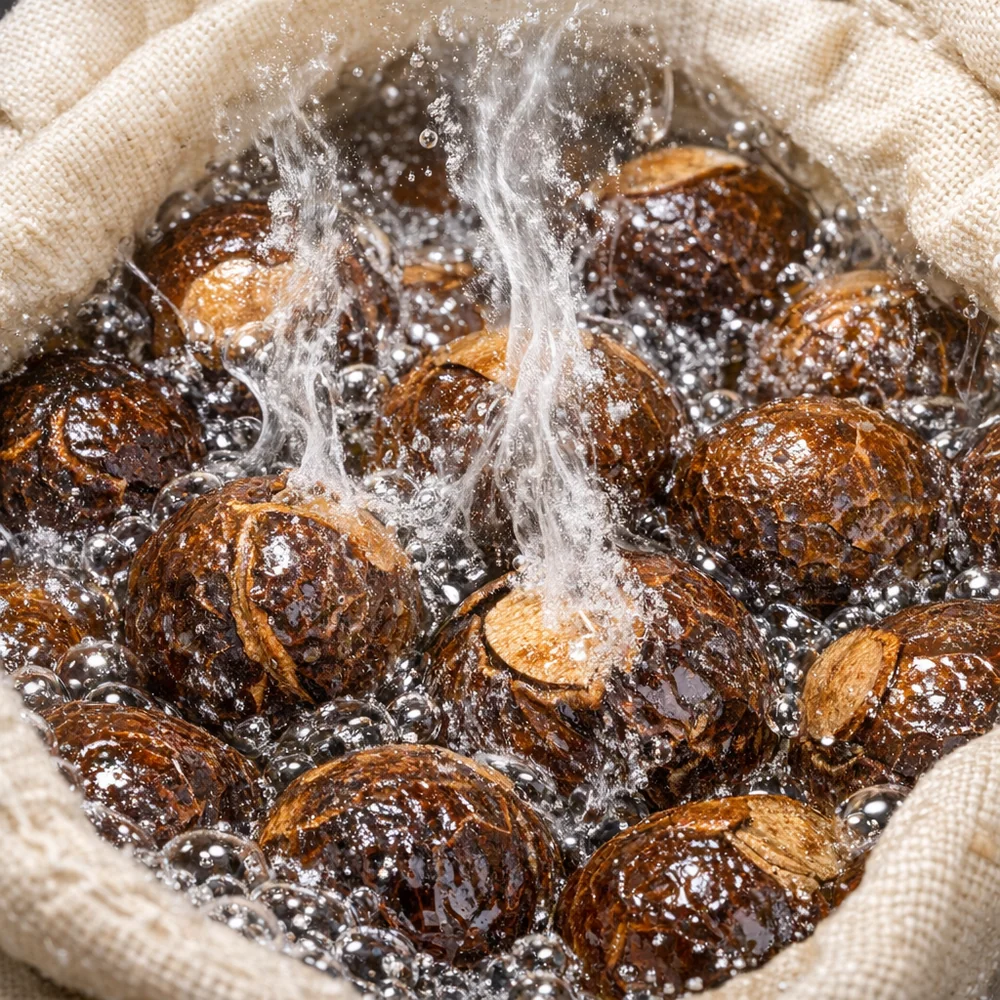
The Science of Saponin Extraction
The cleaning power of soap nuts derives from triterpenoid saponins contained in the fruit pericarp, which is the outer shell. Research published in the journal Plants documents that soap nut pericarps contain approximately 10.1 to 11.5 percent saponins by weight, with the drupe portion reaching up to 56.5 percent saponin content. These concentrations make Sapindus mukorossi one of the richest natural saponin sources.
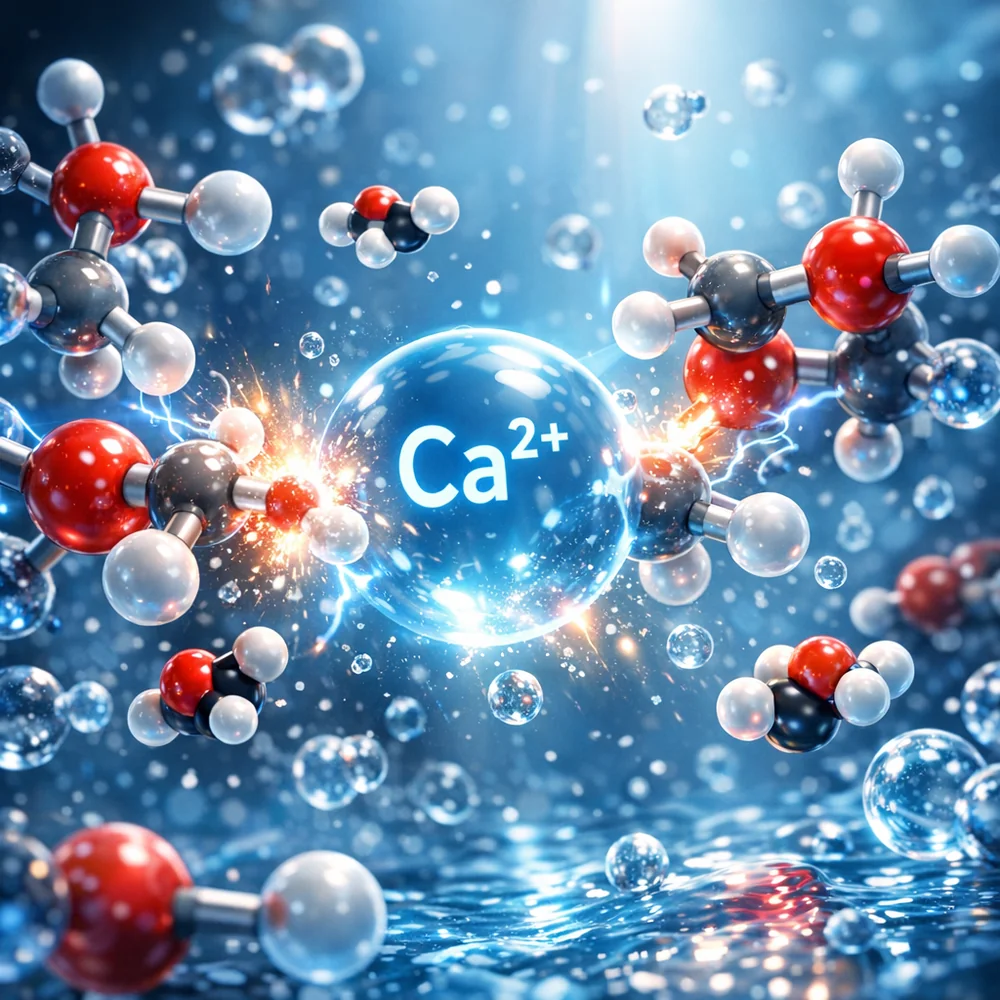
Saponins are glycosides with an amphiphilic structure. They have a hydrophobic aglycone backbone, which is oil-attracting, connected to hydrophilic sugar groups, which are water-attracting. This dual nature gives saponins their surfactant properties, allowing them to reduce water surface tension and emulsify oils, similar to synthetic detergents. The name “saponin” derives from the Latin sapo, meaning soap.
Extraction occurs when water contacts the soap nut shells, dissolving the saponins and creating a mildly sudsy solution. Warm or hot water accelerates extraction significantly. The extracted saponins function identically regardless of extraction method, whether by soaking shells in the washing machine or by pre-boiling to create a liquid concentrate.
The saponin types present in Sapindus mukorossi include oleanane, dammarane, tirucallane, and lupane-type triterpenoids. Research has identified over 60 individual saponin compounds in different parts of the plant. This chemical diversity contributes to the multiple traditional uses of soap nuts beyond laundry, including cosmetic, insecticidal, and medicinal applications.
Key Insight: Soap nuts contain 10-11% saponins that work as natural surfactants. This is genuine chemistry, not marketing fiction.
When Soap Nuts Work and When They Do Not
The critical question for practical use concerns whether soap nuts actually clean laundry effectively. The answer depends heavily on what you mean by “effectively” and what type of soiling you are trying to address.
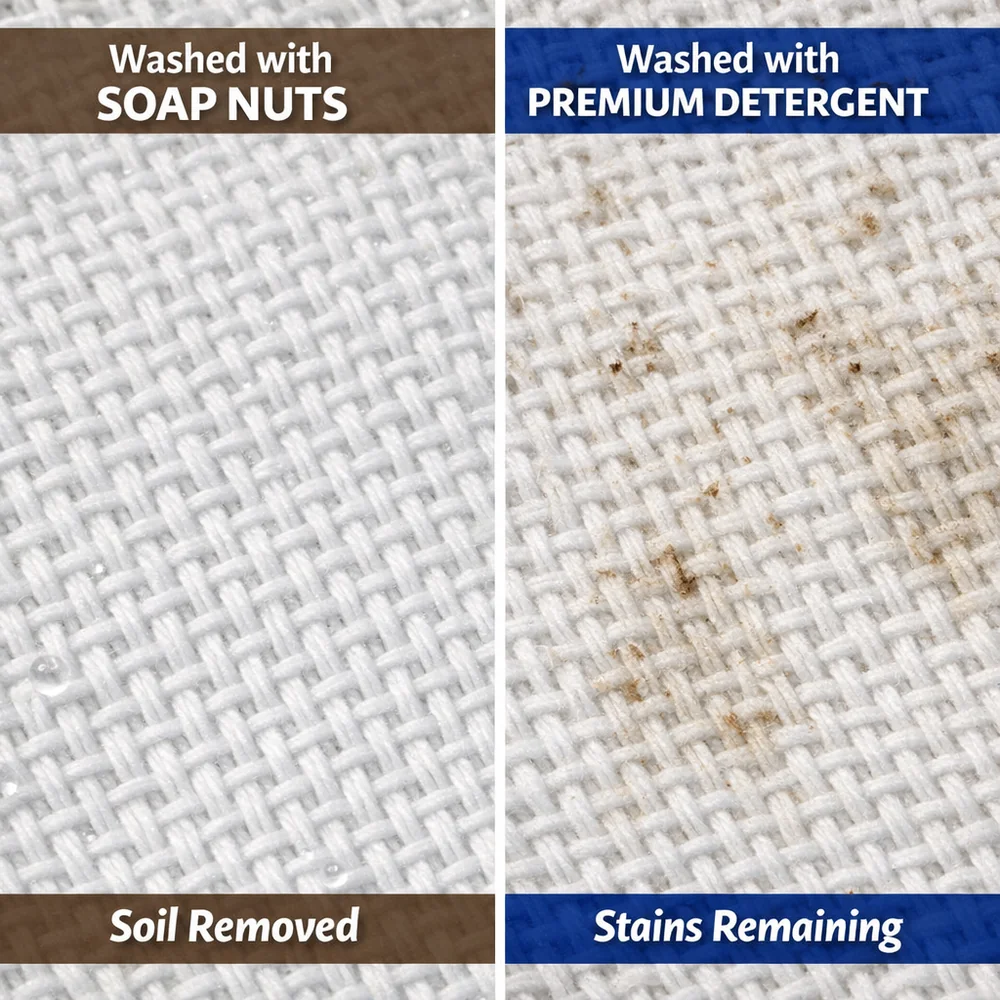
For light soiling, such as worn-but-not-dirty clothing refreshed between deeper washes, soap nuts provide adequate cleaning comparable to mild detergents. Research on naturally soiled cotton fabrics found “good washing performance” with soap nuts, particularly at elevated temperatures. Industrial textile studies have confirmed soap nuts as “a sustainable and cheaper alternative to synthetic detergent” for fabric scouring.
However, controlled testing on stained fabrics tells a different story. Research by Kruschwitz, Augsburg, and Stamminger found that “soap nuts and all kinds of wash balls do not show a significant difference in cleaning performance compared to treatment in pure water” when evaluated against standardized stain monitors. The Choice consumer organization tested soap nuts and scored them 42 percent, finding them “no more effective than washing your clothing in plain water.”
The soap nut industry disputes these findings by arguing that the tests focused on stain removal rather than general cleaning. This distinction is valid: soap nuts are surfactants that can emulsify and suspend general soil, but they lack the enzymes, oxidizers, and specialized chemistry that commercial detergents use to break down specific stain types like proteins, oils, and dyes.
Key Insight: Soap nuts work for lightly soiled clothes but fail on stains. Studies show they perform no better than plain water for stain removal.
Temperature Makes or Breaks Performance
Temperature represents the most commonly overlooked variable affecting soap nut performance. Unlike commercial detergents engineered for cold-water cleaning, soap nuts release their saponins more effectively in warm to hot water. Users who report inadequate cleaning often have not accounted for this temperature dependency.
Research comparing washing performance at different temperatures found significantly better results at 90°C compared to 60°C, with both substantially outperforming cold water washing. The heat serves dual purposes: accelerating saponin extraction from the shells and improving the surfactant action of the released saponins against soil.
For typical household use, this temperature requirement creates practical conflicts. Modern washing guidance emphasizes cold water for energy savings and fabric protection. Many synthetic fabrics, delicates, and dark colors specifically require cold water washing to prevent damage or fading. Soap nuts work best in exactly the conditions where many garments should not be washed.
Pre-soaking the soap nuts in hot water before adding them to a cold wash can partially address this limitation. Users report improved results by pouring hot water over the soap nut bag and allowing 10 to 15 minutes of steeping before adding to the wash. This pre-extraction releases saponins that then function in the cooler wash water, though at reduced efficiency compared to a fully hot wash cycle.
Key Insight: Soap nuts need 60-90°C water for best results. Cold water washing extracts minimal saponins and produces poor cleaning.
Composting Exhausted Shells
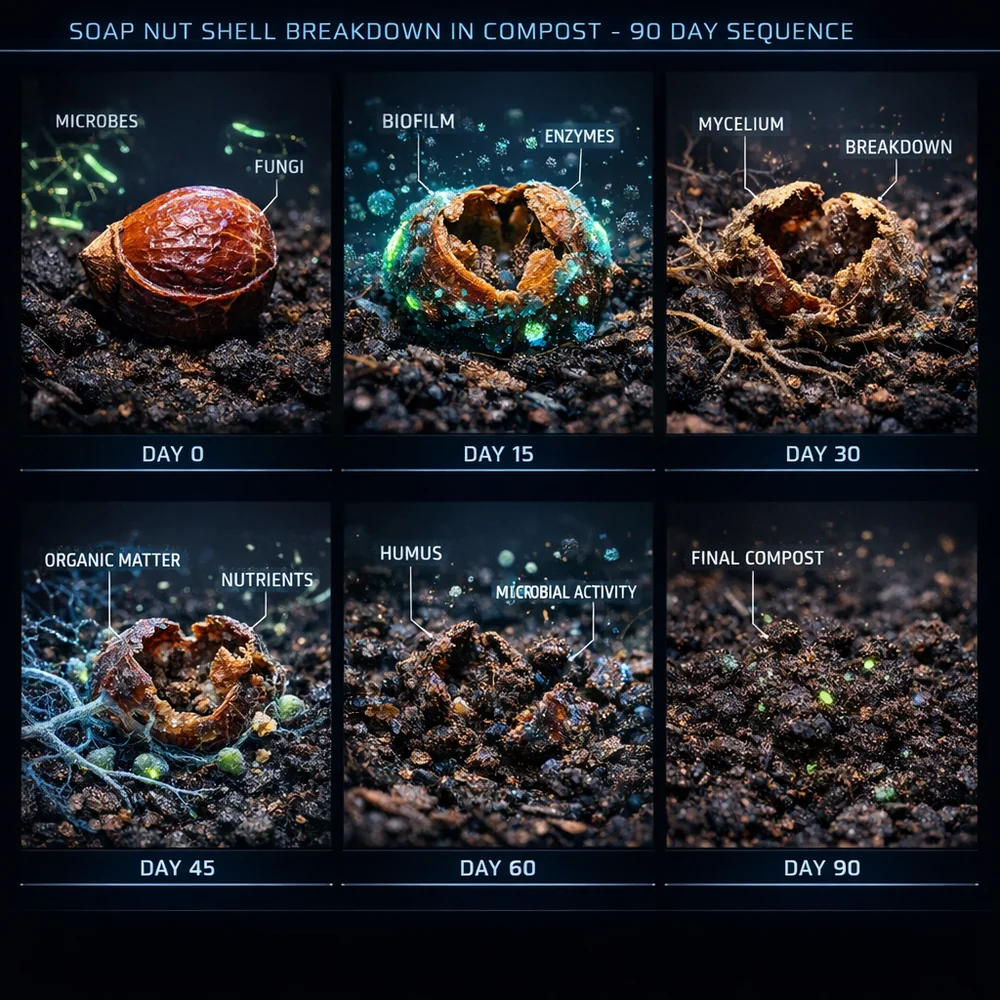
One genuine advantage of soap nuts involves their end-of-life disposal. After the saponins have been exhausted through multiple uses, the remaining shells are fully biodegradable plant material that composts readily in home systems.
The shells consist primarily of cellulose and lignin, similar to other woody plant material. In an active compost pile, soap nut shells break down within one to three months depending on conditions. They contribute carbon, or “brown” material, to the compost balance and do not require any special handling beyond being mixed with nitrogen-rich “green” materials.
The number of uses before shells are exhausted varies by water temperature, wash cycle duration, and initial shell quality. Typical guidance suggests 4 to 6 uses for warm or hot water washing, with shells remaining effective as long as they feel slightly slimy when wet. Shells that feel dry and papery when wet have exhausted their saponin content.
Shells can also be boiled to extract remaining saponins as a liquid concentrate useful for cleaning applications beyond laundry. This extended extraction maximizes value before composting the remaining fiber.
Key Insight: Spent soap nut shells compost in 1-3 months. This is genuinely zero-waste, unlike detergent sheets which often have unclear end-of-life pathways.
Horse Chestnuts as a Local Alternative
Soap nuts require importation from Asia, which undermines some of their environmental appeal. Horse chestnuts, known as Aesculus hippocastanum or conkers in Britain, contain similar saponins and grow wild throughout temperate regions of North America and Europe. Foraging local horse chestnuts provides an alternative with minimal transportation footprint.
Horse chestnuts contain escin, a saponin mixture that produces cleaning action similar to soap nuts. Preparation requires more effort: the nuts must be collected, dried, processed, often by chopping or grinding, and then used in similar fashion to soap nut shells. The cleaning efficacy is comparable, with the same limitations regarding temperature and stain removal.
Important safety note: horse chestnuts are toxic if eaten and should not be confused with edible chestnuts, which are Castanea species. Processing for laundry use poses no toxicity concern as there is no ingestion or significant skin absorption from laundry contact.
The effort-to-benefit calculation for horse chestnuts depends on availability and personal values. Those with easy access to horse chestnut trees and high commitment to local sourcing may find the processing worthwhile. Others may consider the effort excessive for cleaning performance equivalent to soap nuts.
Key Insight: Horse chestnuts (conkers) contain similar saponins and grow wild in North America and Europe. They’re a local alternative to imported soap nuts.
Using Vinegar as Fabric Softener
White distilled vinegar provides an effective natural alternative to synthetic fabric softeners without the concerns associated with conventional softener chemicals. The mechanism differs from commercial softeners but achieves similar results through different chemistry.
Commercial fabric softeners deposit cationic surfactants on fabric that lubricate fibers and reduce static. Vinegar’s acetic acid accomplishes softening by neutralizing alkaline detergent residues that can leave fabric stiff. The acid also helps remove mineral deposits from hard water that contribute to fabric roughness.
Adding half a cup of white vinegar to the rinse cycle provides noticeable softening without fragrance or chemical residue on fabric. The vinegar smell does not persist after drying as acetic acid volatilizes completely. For those who prefer scented laundry, a few drops of essential oil can be added to the vinegar before use.
Vinegar is not appropriate for all fabrics. Elastic and rubber components may degrade with repeated vinegar exposure. Colored fabrics should be tested for colorfastness before regular vinegar use, as some dyes are acid-sensitive.
Key Insight: Vinegar softens fabric by neutralizing detergent residue and mineral deposits. Add 1/2 cup to the rinse cycle.
Baking Soda for Odor Control
Baking soda, or sodium bicarbonate, addresses odor through chemistry that synthetic fragrances only mask. The substance neutralizes both acidic and basic odor compounds, actually eliminating smell rather than covering it with competing fragrance.
Adding half a cup of baking soda to the wash cycle boosts odor removal for items that develop persistent smells, such as gym clothes, work uniforms, and towels that have developed mildew odor. The mechanism involves pH neutralization of acidic body odors and direct reaction with volatile odor compounds.
Baking soda also provides mild water softening by precipitating calcium and magnesium ions. This supplementary water softening can improve the performance of soap nuts or other marginal cleaning agents in hard water areas. The effect is modest compared to dedicated water softeners but contributes to overall cleaning efficacy.
Unlike washing soda, or sodium carbonate, baking soda is mild enough to be safe for most fabrics without pH concerns. The higher pH of washing soda makes it more aggressive as a cleaning booster but also more risky for delicate or pH-sensitive materials.
Key Insight: Baking soda neutralizes odors chemically instead of masking them. Add 1/2 cup to the wash for gym clothes and musty towels.
Natural Alternatives Cannot Sanitize
Natural laundry alternatives share a common limitation: none provide the sanitizing capability that some laundry applications require. Soap nuts, vinegar, baking soda, and similar alternatives clean by removing soil but do not necessarily kill pathogens.
Sanitizing laundry to eliminate bacteria, viruses, and fungi requires either high heat above 140°F or 60°C, chemical disinfectants like chlorine bleach, hydrogen peroxide, or quaternary ammonium compounds, or specialized antimicrobial additives. Natural surfactants like saponins do not provide this antimicrobial action at the concentrations present in laundry water.
Applications requiring sanitization include cloth diapers, bedding after illness, items contaminated with body fluids, and laundry from individuals with compromised immune systems. For these applications, either hot water washing at temperatures that also optimize soap nut performance, or addition of oxygen bleach, which is sodium percarbonate, provides necessary sanitization.
The limitation is not unique to natural alternatives. Most conventional detergents are not sanitizers either and rely on the same heat and additive mechanisms. The difference is that consumers may incorrectly assume that synthetic detergents provide sanitization that soap nuts lack.
Key Insight: Natural alternatives clean but do not sanitize. For illness, bedding contamination, or cloth diapers, you need heat or sanitizing additives.
Cost Per Load Comparison
The economics of soap nuts depend on usage patterns, water temperature requirements, and the opportunity cost of any additional steps required for comparable cleaning results.
Soap nuts typically cost $15 to $25 per pound, with a pound containing approximately 250 to 300 individual shells. At 4 to 6 shells per load and 4 to 6 uses per shell batch, a pound provides roughly 150 to 250 loads. This translates to approximately $0.06 to $0.17 per load, substantially less than most commercial detergents.
However, the cost calculation becomes less favorable when considering hot water energy costs for optimal soap nut performance, pre-treatment products needed for stained items, potential rewashing if results are unsatisfactory, and time costs for preparation including soaking and making concentrate.
For lightly soiled laundry washed in existing hot water cycles, soap nuts provide genuine cost savings. For households with predominantly cold-water, stain-heavy laundry, the supplementary requirements may erode the cost advantage.
Key Insight: Soap nuts cost $0.06-0.17 per load, cheaper than most detergents. But factor in hot water energy costs and pre-treatment needs for fair comparison.
Greywater Irrigation Benefits
Soap nuts excel for greywater applications where laundry water is diverted to landscape irrigation rather than sewer or septic systems. The natural, biodegradable saponins pose minimal risk to plants compared to synthetic detergent ingredients.
Conventional detergents often contain sodium compounds, optical brighteners, and synthetic fragrances that can accumulate in irrigated soil or stress sensitive plants. Soap nut saponins biodegrade readily in soil environments through microbial action, returning to basic organic compounds without persistent residues.
Research has documented the biodegradability of Sapindus saponins in various environmental settings. The compounds show activity against some soil-dwelling organisms, as soap nuts have documented molluscicidal properties, but at concentrations far above what laundry greywater would deliver. Normal laundry use produces dilute solutions that pose minimal ecological concern.
For households committed to greywater irrigation, soap nuts represent one of the safest laundry options available. The primary limitation is the same cleaning performance ceiling that applies to all laundry applications.
Soap nuts occupy a legitimate niche in the laundry product ecosystem, but that niche is narrower than marketing and zero-waste enthusiasm suggest. The saponin chemistry is real and functional. The environmental benefits are genuine. The cleaning limitations are also genuine and should not be minimized.
The ideal soap nut user has lightly soiled laundry, accesses hot water washing, does not expect stain removal, values greywater safety and compostability, and tolerates the effort of maintaining a natural laundry routine. This can be complemented by using dissolvable cleaning tablets for other household tasks and microplastics laundry filters for synthetic loads. Users outside this profile may find the performance compromises frustrating.
Supplementing soap nuts with targeted treatments addresses some limitations: oxygen bleach for stains and sanitization, baking soda for odor, vinegar for softening. This supplemented approach delivers acceptable results for a broader range of laundry while maintaining predominantly natural inputs.
Key Insight: Soap nuts are ideal for greywater irrigation. The saponins biodegrade quickly and don’t harm plants like sodium-heavy detergents can.
The Bottom Line
References
- PMC9502486. “Triterpenoid Saponins from Washnut (Sapindus mukorossi Gaertn.).”
- ResearchGate. “How Effective are Alternative Ways of Laundry Washing?”
- Choice Australia. “Soap Nuts Review: Eco-Friendly Laundry Detergent?”
- Treehugger. “Soap Nuts: Pros, Cons, and How to Use Them.”
- Better Homes & Gardens. “What Are Soap Nuts and Do They Really Clean?”