Composting Dryer Lint from Natural Fibers: A Complete Safety Guide
Table of Contents
Things You'll Learn From This Article:
- You need to know what your clothes are made of before composting lint, because natural fibers break down and synthetic ones turn into long‑lasting plastic pollution.
- A quick burn test at home can help you spot synthetic fibers: natural lint burns to ash, while synthetic lint melts and smells chemical.
- Mixed laundry loads usually mean mixed lint, and even a small amount of synthetic fiber makes the whole batch a bad fit for compost.
- Adding synthetic lint to compost creates microplastics that stay in soil for decades and can end up in food plants.
- Pure cotton, wool, linen, and silk lint will break down in compost, but wool can take years while cotton breaks down much faster.
- Lint from loads that used dryer sheets or fabric softener carries waxy chemicals that slow composting and harm soil life.
- Laundry detergent residues stick to lint and can affect soil microbes, especially if the detergent is heavily fragranced or has brighteners.
- Worm bins are more sensitive than regular compost, and lint can tangle worms or expose them to chemicals they cannot tolerate.
- Dryer lint should not be given to birds because fibers and chemical residues can injure or kill nestlings.
- If lint cannot be composted safely, it works well as fire starter and keeps it out of the landfill.
- Composting lint works best only when you separate natural‑fiber laundry, skip dryer sheets, and use simple, fragrance‑free detergents.
- It helps to decide lint use load by load, rather than assuming all dryer lint is safe for compost.
Every load of laundry leaves behind that fuzzy stuff in your dryer’s lint trap. If you are trying to reduce waste, it seems like an obvious candidate for the compost bin. After all, lint comes from fabric, fabric comes from plants or animals, and organic matter belongs in compost, right? Well, it is not that simple. Modern textiles have made this question way more complicated than our grandparents ever had to think about.
The truth is that whether your dryer lint belongs in compost depends entirely on what you washed. That fluffy pile might be pure cotton that will break down beautifully, or it might be full of polyester microplastics that will contaminate your soil for the next few centuries. You cannot tell just by looking at it, and getting it wrong has real environmental consequences.
This guide will walk you through exactly how to figure out what is in your lint, what the risks actually are, and what to do with lint that cannot be composted. The goal is to give you practical knowledge so you can make informed decisions about this small but surprisingly complicated piece of your household waste stream.
How to Tell If Your Lint Is Natural or Synthetic
The first thing you need to do is figure out what your lint is actually made of. Most people have closets full of mixed materials, which means the lint trap captures a blend of everything. Pure cotton households are rare. More likely, your lint contains at least some petroleum-based fibers that simply will not break down in a compost pile.
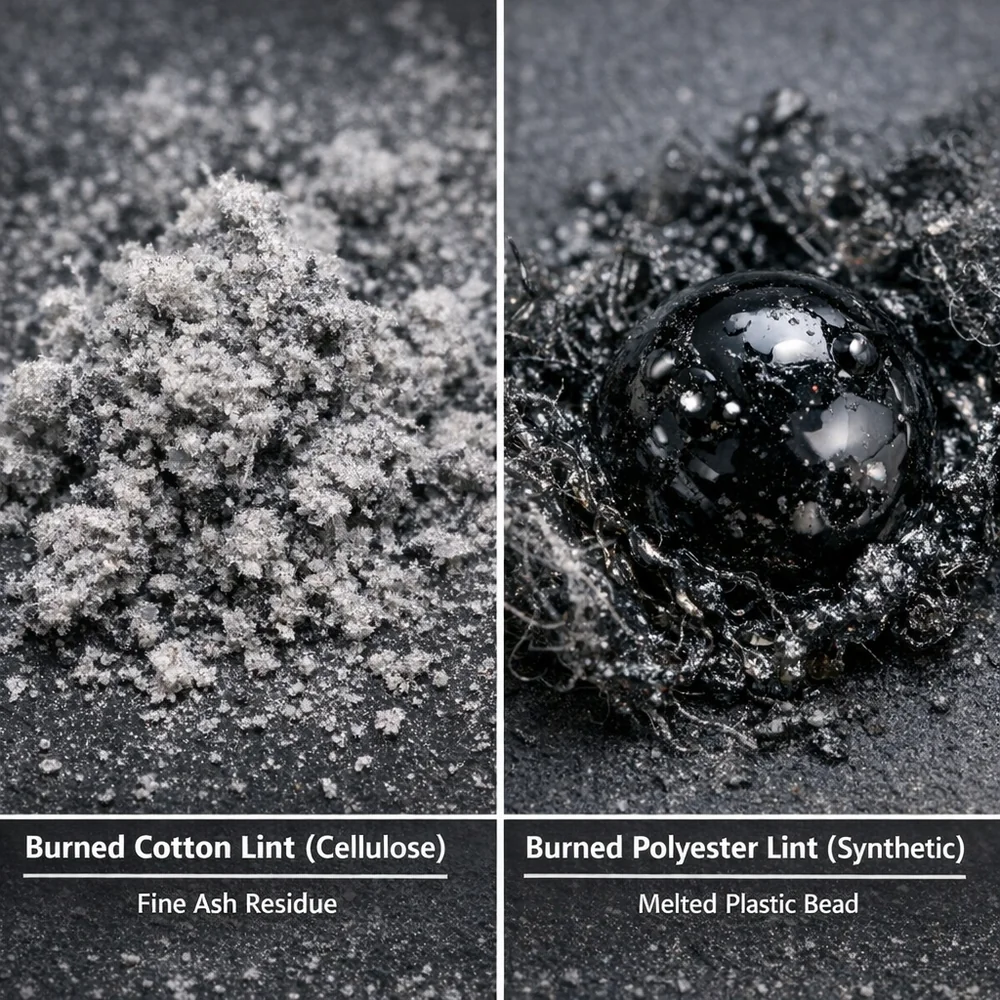
Natural fiber lint looks and feels different from synthetic stuff. Cotton lint appears as short, somewhat twisted fibers that feel soft and compress easily when you pinch it. Wool creates longer, springier fibers that bounce back when you let go. Linen produces stiffer, straighter fragments. These natural materials share something important: when you burn them, they smell like burning hair or paper and leave fine ash behind.
Synthetic fibers tell a completely different story when you test them. Polyester, nylon, and acrylic lint melts instead of burning, forming hard little plastic beads and giving off that unmistakable acrid chemical smell. This simple burn test is your most reliable home method for checking whether your lint contains synthetic contamination. Even a small percentage of synthetic content makes the entire batch unsuitable for composting.
The reality for most households is that your lint contains mixed content. Unless you keep your natural and synthetic laundry completely separate, that trap is going to catch fragments of everything. Some people dedicate specific laundry days to all-natural loads specifically so they can compost the lint, but this requires significant lifestyle changes that most folks are not willing to make.
Key Insight: Burn a small lint sample. Natural fibers smell like burning hair and leave ash; synthetics melt into hard beads and smell like burning plastic.
The Real Problem With Microplastics
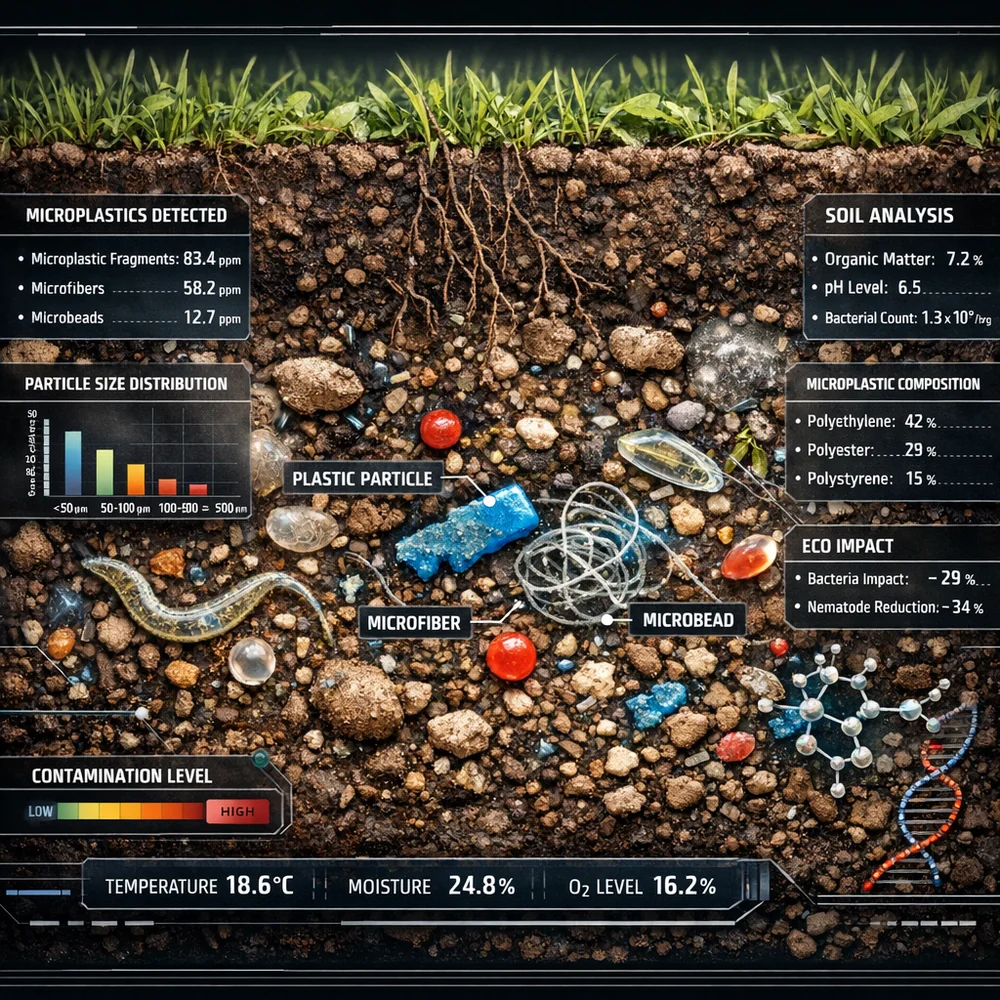
When synthetic fibers end up in a compost pile, they do not just sit there doing nothing. The mechanical action of composting, combined with UV exposure and temperature swings, gradually breaks them into smaller and smaller pieces. Eventually you get microplastics, particles smaller than 5 millimeters that stick around in soil for centuries and can work their way into the food chain through plant uptake.
Research from the European Environment Agency has shown that these microplastics accumulate in agricultural soils that receive contaminated compost. The particles can change soil structure, mess with water retention, and potentially transfer to crops grown in that soil. Scientists are still figuring out exactly how bad the long-term consequences are, but nobody is suggesting they are good.
The scale of this problem depends on how often and how much synthetic lint you add. One handful of polyester-contaminated lint seems harmless, but compost is cumulative. Years of adding even small amounts compound into significant contamination levels. Unlike some contaminants that eventually break down, microplastics are essentially permanent once they make it into your garden soil.
Professional composting facilities have largely stopped accepting dryer lint specifically because of this issue. The EPA’s guidance on composting acknowledges that pure natural fiber lint is technically compostable, but notes how difficult it is for typical households to ensure fiber purity. When the professionals are this cautious, it is worth paying attention. For another way to combat these particles at the source, consider microplastics laundry filters.
Key Insight: Synthetic lint does not disappear in compost. It fragments into microplastics that persist in soil for centuries and can enter your food through plant uptake.
What Happens When Cotton and Wool Break Down
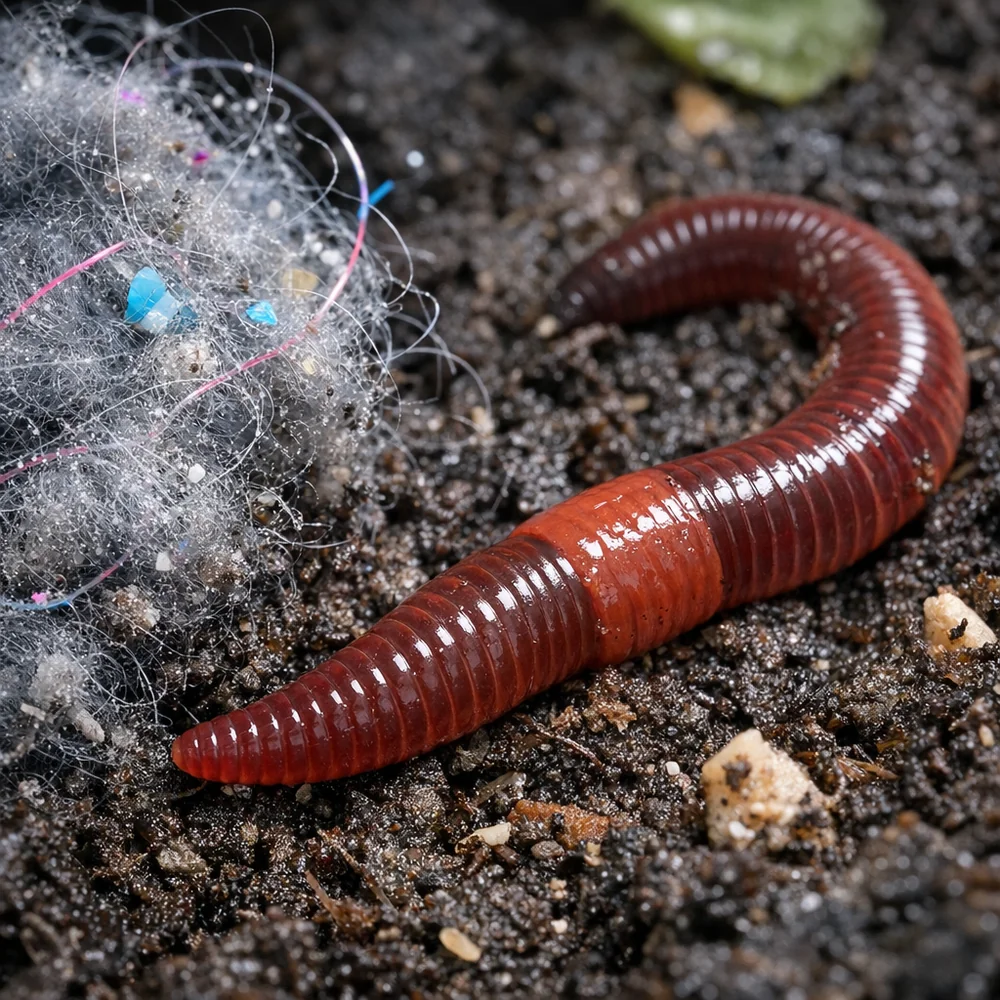
When lint actually does consist purely of natural fibers, it behaves like any other organic material in compost. Wool and cotton are carbon-rich additions that provide structure and help absorb excess moisture. The microorganisms that drive decomposition happily consume these natural polymers, turning them into humus over a normal composting cycle.
Cotton biodegrades relatively quickly. Research from Cotton Incorporated shows that cotton fabric can substantially break down within 90 days in an actively managed compost pile. The cellulose structure provides accessible nutrition for decomposer organisms, and no specialized microbial communities are required to process it.
Wool takes longer because the keratin protein structure that makes it durable as a textile also makes it resistant to microbial attack. The same properties that help wool last years as a sweater mean it can take one to five years to fully decompose depending on conditions. According to the International Wool Textile Organisation, wool is completely biodegradable and leaves no harmful residues in soil.
Linen, which comes from flax plants, biodegrades at rates somewhere between cotton and wool. Silk, though rarely a major component of household laundry, also composts readily. These natural protein and cellulose fibers have participated in soil ecosystems for millennia before we started spinning them into textiles. Returning them to soil through composting just closes a natural material loop.
Key Insight: Cotton lint breaks down in about 90 days; wool takes 1-5 years. Both are safe and beneficial carbon sources for compost when free of synthetics.
Using Lint as Fire Starter Instead
If your lint contains synthetic content or other stuff that rules out composting, fire starting gives you an alternative that keeps it out of the landfill. Dryer lint catches fire easily and burns hot, making it surprisingly effective tinder for fireplaces, campfires, and fire pits.
The low density and high surface area of lint means it ignites from a single match or spark. If you pack lint loosely into cardboard egg carton cups and seal them with melted candle wax, you get portable waterproof fire starters. These homemade starters often work better than commercial alternatives, and they cost nothing beyond materials you already have lying around.
Burning synthetic lint does release some pollutants, but the amounts involved in occasional fire starting are tiny compared to baseline emissions from any wood fire. This approach redirects lint away from landfills while getting some actual use out of what would otherwise be pure waste. Campers and people with wood-burning heat sources often keep lint specifically for this purpose.
One thing to keep in mind: never burn lint in confined spaces without good ventilation. Synthetic lint produces more acrid smoke than natural fiber, so outdoor fires and well-ventilated fireplaces work best. A closed wood stove may not provide enough air exchange for comfortable burning if your lint is heavy on synthetics.
Key Insight: Lint contaminated with synthetics should not be composted, but makes excellent fire starter material when packed into egg cartons with melted wax.
Why You Should Not Give Lint to Birds
You have probably seen the suggestion to put dryer lint out for birds to use as nesting material. It sounds like a nice way to help wildlife, but experts increasingly advise against it. The problems involve fiber length, chemical contamination, and moisture retention that can actually harm nestlings.
Long synthetic fibers can wrap around bird feet, legs, and wings. Unlike natural plant fibers that break under stress, nylon and polyester strands maintain their strength even when wet. Baby birds moving around in their nests can get tangled in these fibers, leading to circulation problems, lost limbs, or death. Adult birds trying to remove the material may hurt themselves or just abandon the nest entirely.
Chemical contamination is equally serious. Dryer lint absorbs residues from laundry detergents, fabric softeners, and dryer sheets. Many of these products contain fragrances, optical brighteners, and surfactants that are toxic to small organisms. Wildlife rehabilitators report that chemical exposure through nest materials causes respiratory problems, skin irritation, and developmental issues in baby birds.
Moisture is the third concern. Lint absorbs water easily but dries slowly, unlike the natural materials birds naturally select. Wet nesting material can chill eggs and babies, potentially killing them even without any direct toxicity. The National Audubon Society and other wildlife organizations now specifically recommend against providing dryer lint for bird nesting.
Key Insight: Do not offer dryer lint to birds. Long fibers entangle nestlings, and detergent residues can poison them through skin contact.
Special Concerns for Worm Bins
Vermicomposting uses red wiggler worms to process organic waste into rich castings. It works great for kitchen scraps, but you need to be extra careful with dryer lint. The worm bin environment concentrates whatever contaminants are in the feedstock, making problems more acute than in regular outdoor compost.
Synthetic fibers create mechanical dangers for composting worms. These creatures move by squeezing their muscles in waves, and long fibers can wrap around their bodies or clog their digestive systems. Outdoor compost piles are spread out enough that this is less of an issue, but worm bins pack their inhabitants into confined spaces where fiber tangles become a real risk.
Chemical sensitivity is also much higher with worms. They are more affected by detergent residues than the bacteria and fungi that run traditional composting. Surfactants can damage the worms’ permeable skin, which is their main way of breathing. Fragrance compounds may repel them from treated materials or cause behavioral changes that mess up composting efficiency.
If you do want to add natural fiber lint to a worm bin, keep the amounts small and only use lint from loads washed with minimal fragrance-free detergent. Watch how the worms react after adding lint. Healthy worms move toward new food; stressed worms cluster at the edges of their container or try to escape. Any stress signals mean you should remove the lint and stick to proven feedstocks.
Key Insight: Worm bins concentrate contaminants and fiber hazards. Only add lint from confirmed 100% natural fiber loads with minimal detergent use.
Detergent Chemicals That End Up in Soil
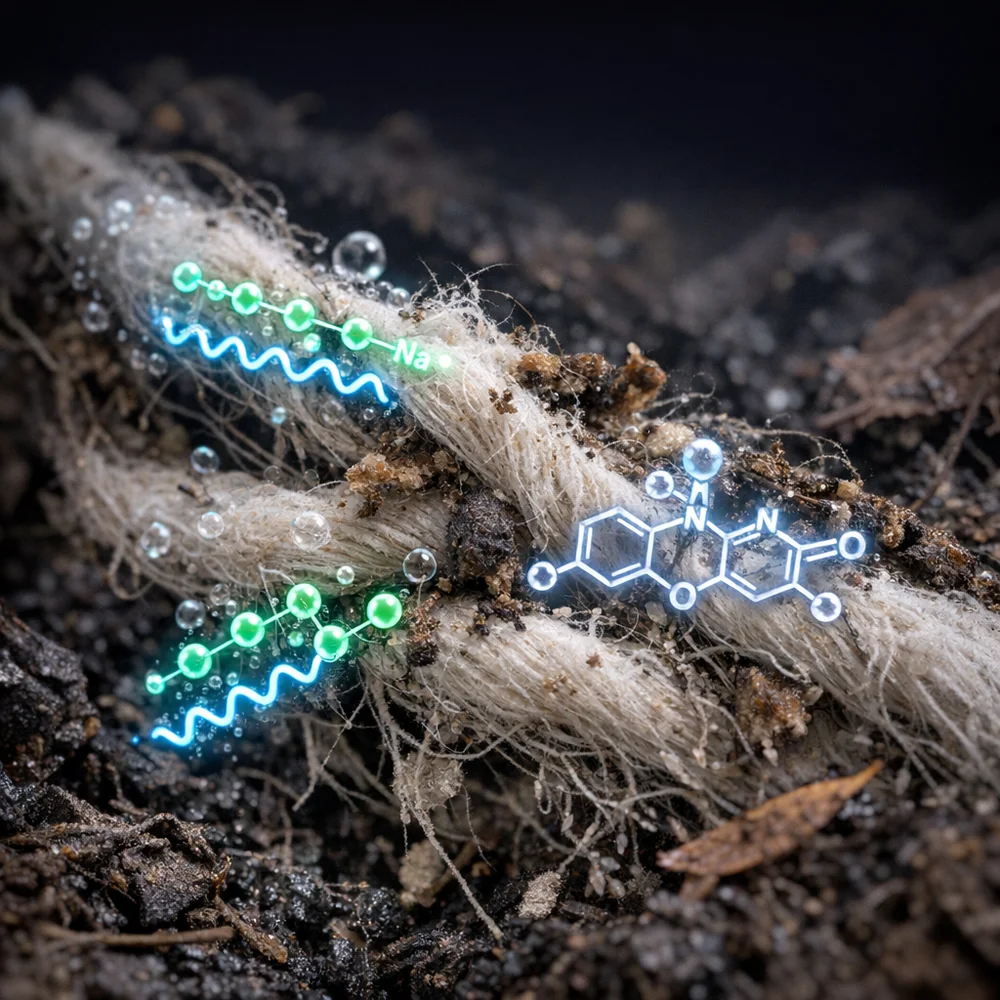
Even when your lint is 100 percent natural fibers, the chemicals it has absorbed during washing and drying may affect your garden. Modern laundry products contain dozens of active ingredients designed to perform on fabric, not to behave well in soil ecosystems. All those compounds travel with lint into compost and eventually into your garden beds.
Surfactants are the biggest chemical component. These molecules reduce water surface tension to improve cleaning, but concentrated surfactants can disrupt soil structure. Some types persist in soil for extended periods, potentially suppressing the beneficial microorganisms that healthy soil depends on. Research from agricultural extension services shows that high surfactant concentrations can temporarily kill off soil biological activity.
Optical brighteners raise another concern. These fluorescent compounds make whites look whiter, but they do not biodegrade easily and can accumulate in soil over years of compost application. Whether they directly harm plants is still debated, but their presence represents contamination that many careful gardeners prefer to avoid.
Fragrance compounds add yet another layer of uncertainty. The word “fragrance” on product labels can cover hundreds of individual chemicals, many of which have never been tested for soil safety. Some fragrance compounds act as endocrine disruptors in aquatic life, which raises questions about what they might do in soil or whether plants could take them up. If you are going to compost natural fiber lint, seriously consider switching to fragrance-free detergents with minimal ingredient lists.
Key Insight: Detergent residues in lint can disrupt soil microbes. Use fragrance-free, minimal-ingredient detergents if composting lint from natural fiber loads.
The Dryer Sheet Problem
Fabric softener sheets add their own category of contamination that makes lint composting much harder. These products work by coating fabrics with lubricating compounds, typically cationic surfactants and waxy substances that reduce static and make things feel softer. Those same compounds transfer to your lint and cause real issues in compost.
The waxy coating on dryer-sheet-treated lint resists breakdown by composting organisms. While natural waxes would eventually decompose, the synthetic waxes in dryer sheets can persist for years. This coating also prevents lint from properly absorbing moisture, potentially throwing off the moisture balance that healthy composting requires.
Cationic surfactants carry positive electrical charges that bind them tightly to fabric and organic matter. That binding persistence, which is considered a feature for keeping clothes soft through multiple wearings, makes these compounds extremely difficult to remove from lint or compost. Some cationic surfactants even have antimicrobial properties, meaning they may actively suppress the very organisms that are supposed to be doing the decomposing.
If you actually want to compost your lint, you need to stop using dryer sheets entirely. Wool dryer balls provide static reduction without any chemical additives, and they last basically forever before eventually being compostable themselves. Cutting dryer time so fabrics come out just dry rather than over-dried also reduces static without any chemical intervention.
Key Insight: Dryer sheets coat lint in synthetic wax and antimicrobial compounds that persist in compost. Never compost lint from loads dried with fabric sheets.
A Practical Decision Framework
Given all these complicating factors, it helps to have a systematic way to decide whether any particular batch of lint belongs in your compost. Here is a framework that walks through the key questions in order. Any “no” answer means that lint should not go in the compost.
First, check the fiber composition. Can you confirm that everything in that load was 100 percent natural fibers with no synthetic blends? Remember that even when the main fabric is natural, hems, threads, and elastic components might contain synthetics. If there is any doubt about fiber purity, keep that lint out of the compost.
Second, think about chemical additions. Did that load go through the dryer without fabric softener sheets? Was it washed with a minimal-ingredient detergent rather than something heavily fragranced with optical brighteners? These residues persist and can affect both compost organisms and plants grown in the finished product.
Third, consider where you are using the compost. Is it just for ornamental plantings, or will you grow food you plan to eat? Stricter standards make sense for food garden applications where any chemical transfer to vegetables matters more. You can be a bit more flexible with flower beds or lawn areas.
If you can honestly answer yes to all three questions for a specific load, that lint is probably fine for composting. The key word is “specific” because each laundry load has different characteristics. This batch-by-batch evaluation prevents contamination from quietly accumulating over time.
Dryer lint sits in an awkward spot in the waste hierarchy. It looks organic and seems like it should be compostable, but modern textiles and laundry chemistry have introduced complications our grandparents never dealt with. Figuring out what to do with this fuzzy byproduct requires understanding fiber content, chemical residues, and how both of those things behave in soil over the long term.
For most households, the honest answer is that typical mixed-content lint should not go in compost. The microplastic risk from synthetic fibers and the chemical burden from conventional laundry products outweigh the modest carbon contribution lint provides. Fire starters, craft projects, or just putting it in the trash may be more appropriate for typical lint.
Households that maintain strict separation between natural and synthetic laundry, use minimal-chemistry detergents, and skip the dryer sheets can safely compost selected batches of confirmed natural-fiber lint. This takes ongoing vigilance rather than just dumping every lint trap into the bin. Integrating this into a zero-waste laundry routine can work for people truly committed to closing material loops. But honestly, the benefit is small compared to composting kitchen scraps and yard waste that can go in without all this scrutiny.
Key Insight: For lint to be safely compostable, you must answer “yes” to three questions: all natural fibers, no dryer sheets, and minimal detergent chemicals.
The Bottom Line
References
-
United States Environmental Protection Agency. “Composting at Home.” EPA Sustainable Materials Management. https://www.epa.gov/recycle/composting-home
-
European Environment Agency. “Microplastics in the Environment.” EEA Environmental Indicators. https://www.eea.europa.eu/
-
Cotton Incorporated. “Cotton Biodegradability Research.” Cotton Works Technical Resources. https://www.cottonworks.com/
-
International Wool Textile Organisation. “Wool Biodegradability Studies.” IWTO Research Publications. https://www.iwto.org/
-
National Audubon Society. “Creating Bird-Safe Backyards.” Audubon Conservation Resources. https://www.audubon.org/
-
Cornell Waste Management Institute. “Home Composting Guidelines.” Cornell Cooperative Extension Publications.