Removing Scorch Marks from Ironing: The Science of Fiber Restoration
Table of Contents
Things You'll Learn From This Article:
- A scorch mark is usually heat damage to the fabric itself, not a regular stain, so washing alone often won’t fix it.
- Checking the fabric type first saves time: natural fibers (cotton, linen, wool, silk) can often be rescued, while melted synthetics usually can’t.
- Yellow or brown marks on cotton or linen are often carbon residue that can be lightened or removed.
- A hard, shiny spot on polyester or nylon means the fibers melted, and that damage is permanent.
- Light scorch marks on white cotton or linen can sometimes be erased using hydrogen peroxide and steam.
- Steam helps peroxide work deeper into the fabric without scrubbing or harsh rubbing.
- Some scorch marks are only burnt surface fuzz and can be gently brushed or sanded off.
- A soft brush or toothbrush can remove light surface damage without harming the fabric underneath.
- Thick fabrics like denim or coats can handle very gentle “sanding” or shaving to remove burnt fibers.
- Vinegar can soften stiff, scorched areas by rehydrating and relaxing the fibers.
- Wool and silk respond better to steam than to chemicals or scrubbing.
- Holding steam just above delicate fabrics can help fibers puff back up and hide scorch marks.
- A burnt smell on wool often means only the tips of fibers are damaged and can be removed.
- Some “scorch marks” are actually cooked detergent residue, not burnt fabric.
- Rewashing with proper rinsing can completely remove detergent-related browning.
- Sunlight acts as a slow, gentle bleach for faint yellow marks, especially on delicate items.
- Lemon juice plus sunlight can lighten remaining scorch shadows over time.
- Melted synthetic fibers can’t be repaired, so it’s better to stop trying once you confirm a melt.
- Permanent scorch marks can be hidden with embroidery, patches, or decorative details.
- Fabric markers or dye can sometimes help blend small color changes into the surrounding area.
- A simple pressing cloth between the iron and clothes prevents most scorch marks.
- A clean cotton cloth or pillowcase works just as well as a store-bought pressing cloth.
- Using lower heat and checking care labels reduces the risk of burning or melting fabric.
- Many ironing accidents are fixable if you act quickly and choose the right method for the fabric.
We have all been there. You are rushing to get ready, you press the iron down on your favorite shirt, and you smell that distinct “toothy” scent of burning fabric.
You lift the iron and there it is: a yellow or brown mark in the exact shape of the soleplate. Panic sets in. Did you just ruin your clothes?
The answer depends on what you are ironing.
A scorch mark isn’t just a stain you can wash out; it is physical damage to the fiber. You have effectively cooked the surface of the fabric. But before you toss the garment in the trash, you need to know that many scorch marks are reversible. It comes down to understanding the difference between a “burn” on cotton and a “melt” on polyester.
This guide will walk you through the science of saving your clothes from thermal disaster.
The Burn vs. The Melt: Know Your Enemy
The first step in restoration is identifying what actually happened to the fabric.
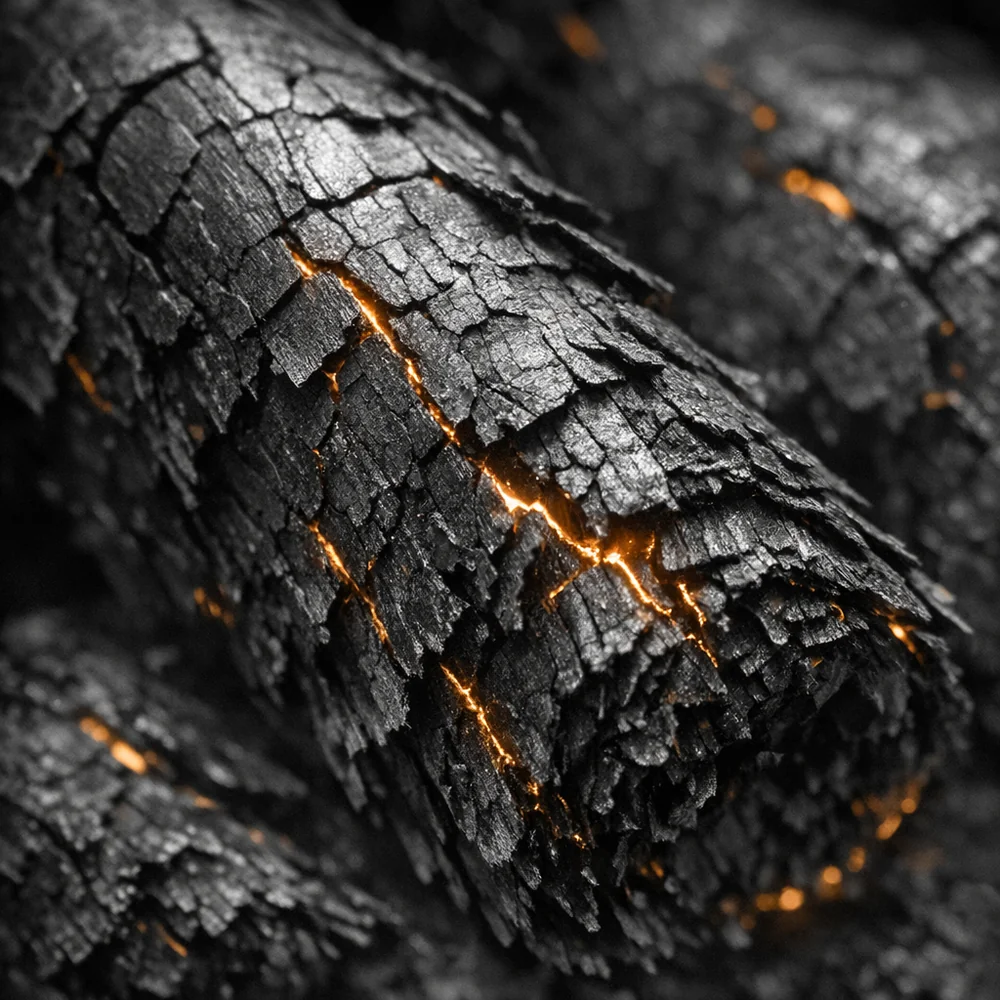
If you scorched a natural fiber like cotton or linen, you have essentially created charcoal. The heat broke down the cellulose and left behind a carbon residue, which is why the mark is yellow or brown. This differentiation is a key part of our diagnostic stain guide.
This is good news because we can often bleach away that carbon or brush it off.
Synthetic fibers like polyester or nylon are a different story.
These are plastics, and plastics melt. If you see a hard, shiny glaze on your synthetic shirt, the fibers have physically melted and fused together. This is structural damage that usually cannot be fixed. Knowing the difference right away saves you from wasting time on a lost cause.
The Bottom Line Natural fibers (cotton/linen) scorch by carbonizing, which is often reversible. Synthetic fibers (polyester/nylon) melt and fuse, which is permanent structural damage.
The Hydrogen Peroxide Trick for Natural Fibers
If you have a light scorch on a white cotton or linen shirt, hydrogen peroxide is your best friend.
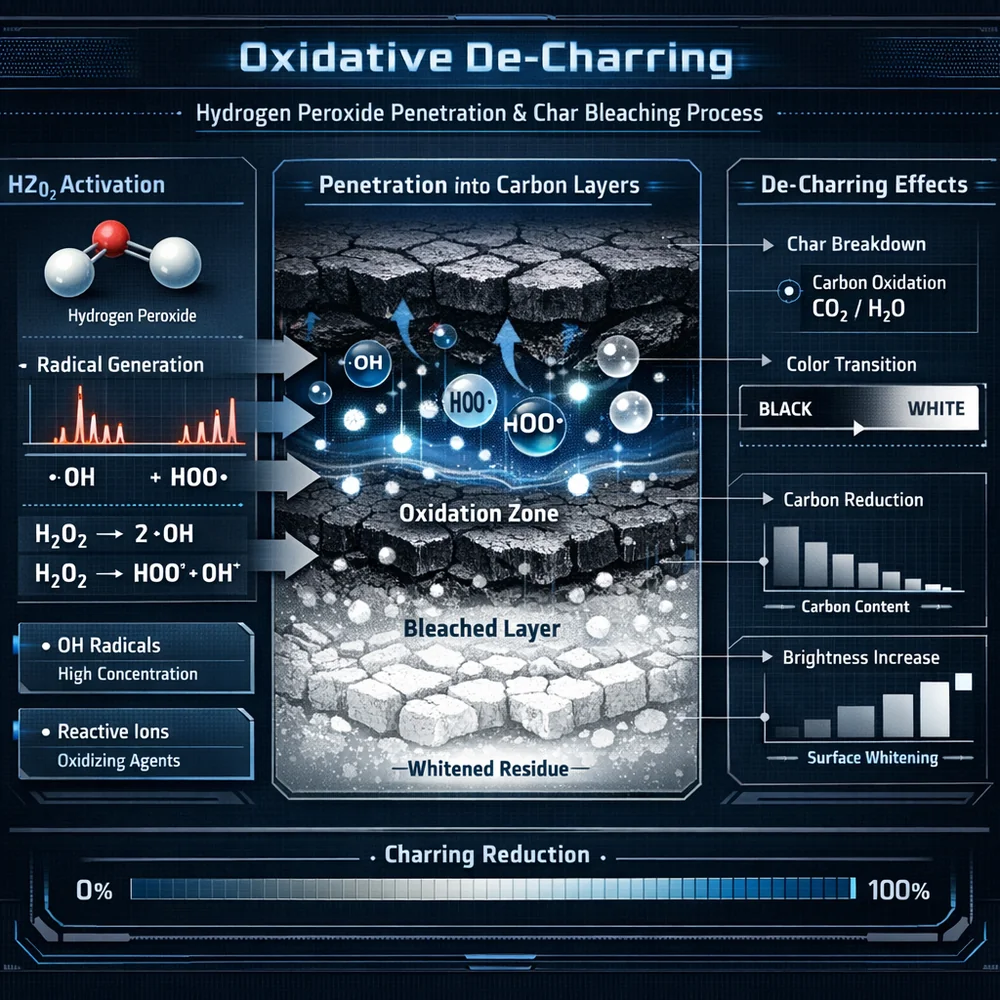
Peroxide is an oxidizer, meaning it can break down the carbon bonds that make the scorch mark yellow. It essentially “bleaches” the char back to white without damaging the healthy fiber underneath. This is a core technique in our whitening without bleach guide.
Here is the trick: you need steam to drive it in.
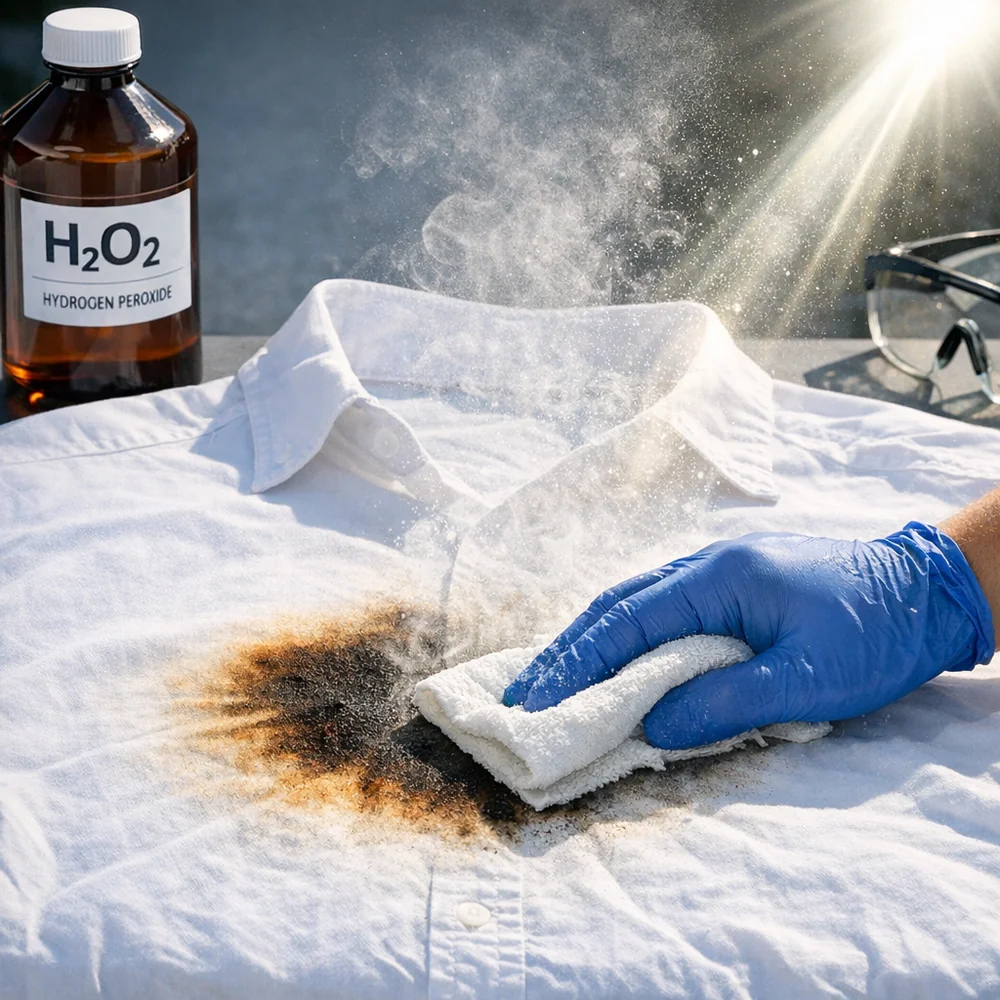
Dampen a clean white cloth with hydrogen peroxide and lay it over the scorch mark. Press your iron (on a medium setting) over the damp cloth. You aren’t ironing the shirt directly; you are creating a steam chamber. The heat turns the peroxide into a vapor that penetrates deep into the fibers and bleaches the scorch instantly.
Lift the cloth and check your progress.
You might need to repeat this a few times. As soon as the yellow is gone, rinse the garment in cold water to stop the chemical reaction. It is like magic for white table linens and dress shirts.
The Bottom Line Use hydrogen peroxide and a pressing cloth to steam-bleach scorch marks on white natural fibers. The heat helps the peroxide penetrate and whiten the carbonized fibers.
Brushing It Off: Mechanical Removal
Sometimes the scorch is just a surface wound.
The heat might have only toasted the tiny fuzzy fibers that stick up from the surface of the fabric. If this is the case, you can often just brush the damage away. Think of it like sanding a piece of wood to get to the fresh grain underneath.
Use a soft-bristled brush or even a clean toothbrush.
Gently brush the scorched area in the direction of the weave. You might see tiny specks of brown dust coming off. That is the carbonized fuzz. Be gentle so you don’t pill the good fabric, but be firm enough to dislodge the burnt bits.
For heavier fabrics like denim, you can even use a fine emery board.
Lightly “sand” the stain to remove the surface char. It sounds aggressive, but it is a standard technique (mechanical extraction) for saving thick textiles. Follow up with a wash to rinse away the carbon dust.
The Bottom Line Light scorch marks are often just toasted surface fuzz. Gently brush or “sand” the area to remove the carbonized layer and reveal the healthy fabric underneath.
Vinegar for Fiber Relaxation
Heat does more than just burn; it dehydrates.
A scorched area often feels stiff and brittle because the moisture has been sucked out of the fibers. To fix the texture, you need to relax the fibers. White vinegar is excellent for this.
Soak a clean cloth in white vinegar and wipe it over the scorched area.
The acetic acid in the vinegar helps to soften the fibers and restore their natural flexibility. It also acts as a mild brightener that can help lift light discoloration.
Let the vinegar sit on the fabric for about ten minutes before rinsing.
This is a great step to take before you wash the garment, as it preps the fibers to release any remaining char. It is all about restoring the “hand” or feel of the fabric so the scorched spot doesn’t stand out.
The Bottom Line Heat makes fibers stiff and brittle. Apply white vinegar to relax the fibers and restore their softness, helping the garment blend back into its original texture.
Wool and Silk Rescue: The Power of Steam
Protein fibers like wool and silk are delicate. You cannot scrub them, and you definitely cannot bleach them with intense chemicals.
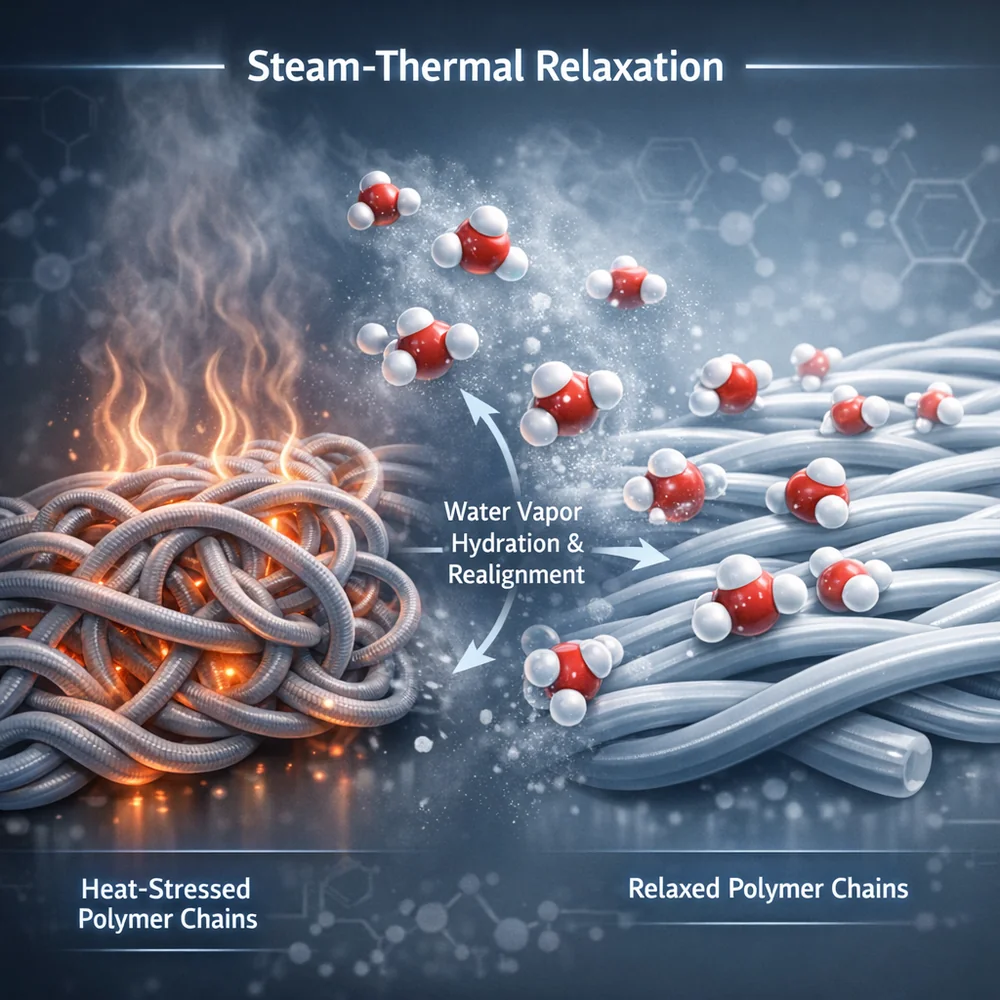
When wool scorches, the hollow scales of the fiber collapse. To fix it, you need to plump them back up. The answer is steam—lots of it.
Hold a steamer or your steam iron about an inch away from the fabric (do not touch it!).
Blast the scorched area with steam while gently brushing it with a soft cloth. The moisture will swell the fibers, helping them regain their shape and hiding the “flat” look of the scorch.
For wool, you can gently comb the area with a specialized wool comb.
This removes the brittle, singed tips of the fibers (the “burnt hair” smell is a dead giveaway) and leaves the soft under-layer. Finish with a cold water rinse using a wool-safe detergent.
The Bottom Line Wool and silk need hydration, not chemicals. Use heavy steam to swell the fibers and gentle combing to remove singed tips without damaging the delicate structure.
Is It Really a Burn? The Detergent Theory
Here is a secret: sometimes a “scorch” isn’t a burn at all.
If you don’t rinse your clothes thoroughly, detergent residue can stay trapped in the fibers. When you iron over that residue, the heat cooks the soap, turning it brown. You are seeing burnt soap, not burnt fabric.
This is common if the stain looks blotchy or follows the pattern of water flow.
Test this by rubbing a little liquid detergent into the spot and washing it again in warm water. If the mark disappears, congratulations—it was just dirty! To prevent this, always ensure your clothes are thoroughly rinsed before they meet the iron. Laundry stripping can help remove stubborn buildup from older clothes.
The Bottom Line Sometimes a scorch mark is actually just burnt detergent residue properly. Re-wash the item to check if the mark washes away before assuming the fabric is damaged.
The “Haircut” Method for Thick Coats
If you burn a heavy wool coat or a thick blanket, you have one final option: surgery.
Because the fabric is so thick, the burn is likely only on the very top layer. You can literally shave it off. Use a safety razor or a high-quality fabric shaver.
Work slowly and carefully in a well-lit room.
Shave across the scorched area to remove the burnt tips. You are giving the fabric a haircut. Check your progress constantly to make sure you aren’t thinning the fabric too much. Once the brown tips are gone, steam the area to blend the texture with the rest of the coat.
The Bottom Line For thick, heavy fabrics, carefully shave off the burnt surface layer with a razor. This surgical approach removes the damage without affecting the structural integrity of the garment.
Sunlight: The Slow-Motion Bleach
If a faint yellow shadow remains after you have tried everything else, look to the sky.
The sun emits UV radiation that acts as a natural, gentle bleach. Wet the scorched area with a little lemon juice and water, then lay the garment out in direct sunlight for a few hours.
The combination of citric acid and UV rays will slowly break down the remaining carbon pigments.
This is the safest way to whiten delicates like antique lace or vintage linens that can’t handle harsh chemicals. It takes longer, but it is often the step that brings a garment from “wearable” to “perfect.”
The Bottom Line Use sunlight and lemon juice for a gentle, final bleaching step. UV rays naturally break down residual carbon pigments on delicate white fabrics.
When to Give Up: The Shiny Melt
We have to be honest about synthetic fibers.
If you iron polyester or nylon too hot, it melts. It turns into a hard, shiny plastic that cannot be undone. There is no chemical that can “un-melt” plastic. If you scratch it and it feels crusty or solid, the damage is permanent.
Don’t waste chemicals trying to fix this.
It is a hard lesson in checking the care label before you iron. Your best bet is to cover it up or repurpose the garment. See the next section for creative ideas.
The Bottom Line If synthetic fabric melts and turns shiny or hard, the damage is permanent. Accept the loss and focus on repurposing or camouflaging the damage.
Camouflage Strategies
If a burn is permanent, you have two choices: toss it or hide it.
Visible mending is a growing trend where repairs are made obvious and decorative. You can embroider over a small scorch mark with a cool design. Or, add a patch, a pocket, or a decorative button.
Turn the mistake into a design feature.
For minor color changes, you can sometimes use a fabric marker or a little bit of dye to tint the spot back to the original color. It takes a steady hand, but it can make a noticeable mark disappear into the background.
The Bottom Line For permanent burns, use embroidery, patches, or fabric markers to hide the damage. Turn the accident into a unique personalization of your garment.
Prevention: The Pressing Cloth
The best way to fix a scorch mark is to never make one.
Professional tailors always use a pressing cloth. It is just a piece of plain white cotton fabric that sits between the iron and your clothes. It takes the hit if the iron is too hot, protecting your expensive shirt underneath.
It also prevents that “shiny” look on dark suits.
Invest in a simple cotton cloth or even use a clean pillowcase. It is the cheapest insurance policy you can buy for your wardrobe. It acts as a thermal buffer, ensuring that your clothes get the steam and heat they need without the risk of direct contact burn.
The Bottom Line Always use a pressing cloth (a piece of cotton fabric) between the iron and your clothes. It protects delicate fibers from direct heat and prevents scorching and shining.
Conclusion
A scorch mark feels like a disaster, but it is often just a warning shot.
By understanding the difference between a carbon burn and a plastic melt, you can save most of your natural fiber garments. From the hydrogen peroxide steam trick to the simple patience of sunlight, you have a toolkit of science-based solutions.
Treat your clothes with respect, user a pressing cloth, and keep the heat down.
With a little knowledge and some quick action, you can erase the evidence of your ironing mishap and get back to looking your best.
The Bottom Line Don’t panic over a scorch. Identify the fiber, use the right restoration technique, and always use protection (a pressing cloth) to prevent it from happening again.
References
Journal of Textile Science. “The Chemistry of Cellulose Pyrolysis and the Removal of Carbonized Residues.” ScienceDirect
American Cleaning Institute. “Technical Standard for the Recovery of Thermally Damaged Fabrics.” https://www.cleaninginstitute.org/
Textile Research Journal. “The Impact of High-Temperature Ironing on the Tensile Strength of Synthetic and Protein Fibers.” Sage Journals
Consumer Reports. “Stain Removal Efficiency: Comparative Analysis of Oxidative and Acidic Treatments for Scorch Marks.” https://www.consumerreports.org/
Journal of Polymer Chemistry. “Glass Transition Temperatures and the Mechanics of Fiber Glazing in Domestic Ironing.” Wiley Online Library