Ink and Dye Transfer Rescue: Salvaging Clothes from Pen Marks and Color Bleeding
Table of Contents
Things You'll Learn From This Article:
- Matching the cleaner to the stain matters more than scrubbing harder. Oil‑based inks need alcohol, while water‑based inks usually just need water and detergent.
- Figuring out what kind of ink you’re dealing with saves time and fabric. A quick water test can tell you if the ink is water‑based or not.
- Rubbing alcohol is your go‑to for ballpoint pen stains because it breaks down the oily shell holding the ink in place.
- Pushing ink out from the back of the fabric onto paper towels works better than rubbing from the front.
- Permanent marker stains may need acetone, but only on fabrics that can handle it. Some synthetics can melt or weaken instantly.
- Modern hairspray is unreliable and can make stains worse. Straight rubbing alcohol or hand sanitizer is a safer choice.
- Hand sanitizer is useful in emergencies because the gel stays put and keeps ink from spreading or drying.
- Gel pens and washable markers usually come out with water and enzyme detergent, no harsh chemicals required.
- If clothes come out of the washer pink or gray, don’t use the dryer. Heat locks the color in permanently.
- Oxygen bleach or color run remover works best on dye transfer while the clothes are still wet.
- Acting fast keeps dyes and inks mobile and much easier to remove than dried stains.
- Air‑dry stained clothes and check them carefully before applying heat, even if the stain looks faint.
- New dark clothes are the biggest risk for dye bleeding and should be washed separately at first.
- Color catcher sheets can protect lighter clothes by grabbing loose dye in the wash water.
- Different fabrics react differently to solvents, so checking the fabric label before treating a stain prevents accidental damage.
- Gentle blotting is safer than rubbing, especially on rayon, wool, or silk.
- Hard water can make dye transfer harder to fix, but adding borax or washing soda can improve results.
- Vinegar rinses help remove mineral buildup that can trap leftover color in fabric.
Finding a leaking pen in your pocket or pulling pink whites from the washer triggers instant panic. These disasters feel permanent because they involve concentrated pigments designed to last. But the chemistry of ink and dye offers clear pathways for rescue if you act quickly and choose the right approach.
The key principle is matching your solvent to the carrier fluid in the stain. Ballpoint ink uses oil-based resins that water cannot touch. Fugitive dye from a red sock floats freely until it finds new fabric to bond with. Understanding these different mechanisms lets you apply targeted chemistry instead of desperate scrubbing.
Understanding Ink Chemistry
Not all inks behave the same way. The composition determines the treatment approach.
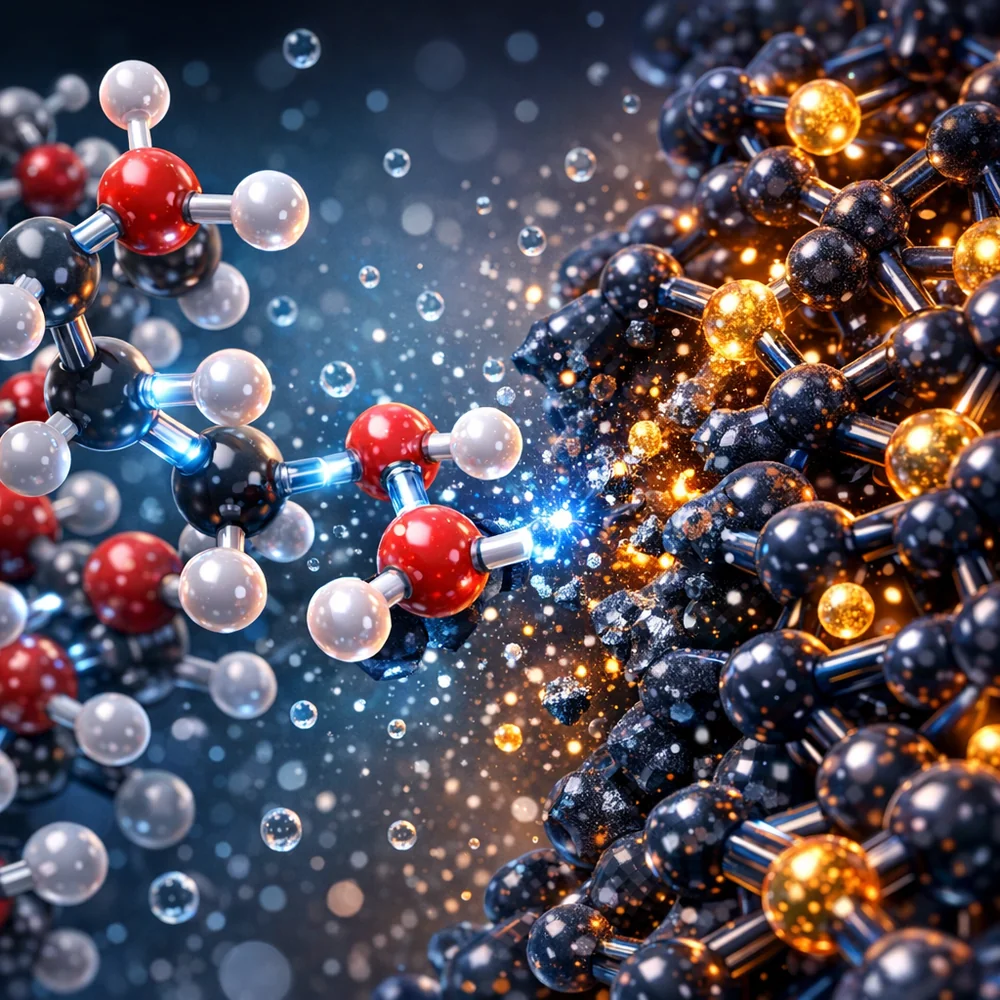
Ballpoint pen ink is designed to be thick, permanent paste. It contains intense dyes like phthalocyanine blue mixed with synthetic resins that harden when exposed to air. These resins create a waterproof shell that laughs at normal detergent. The resins are typically alkyd or phenolic compounds that polymerize after application.
Gel pens use water-based pigment suspensions. They flow more smoothly than ballpoint but dissolve readily in water. Most gel ink stains respond well to enzyme soaks without aggressive solvents.
Permanent markers contain volatile solvents like xylene or toluene along with aggressive binding resins. These are the most challenging inks because both the carrier and the binder require strong solvents for removal.
Identifying the ink type before treatment prevents wasted effort and potential damage from using the wrong solvent.
The Bottom Line Different inks require different solvents. Ballpoint needs alcohol; gel pens respond to water; permanent markers need acetone.
Ballpoint Ink: The Alcohol Protocol
Breaking the resin shell of ballpoint ink requires a two-stage attack.
First, use high-concentration isopropyl alcohol (rubbing alcohol) to dissolve the resin binders. The alcohol penetrates the hardened surface and softens the resin matrix holding the pigment particles.
Apply alcohol to the back of the fabric and let it push the ink toward an absorbent cloth placed in front. This “back-flushing” technique moves the stain out rather than deeper in. The hydraulic pressure of the alcohol flow carries dissolved ink through the fabric weave.
Place multiple layers of absorbent material behind the stain and reposition frequently as ink saturates the absorbent layer. White paper towels or old white cloth work well because you can see the transferred ink.
Once the resin softens, follow with dish soap or liquid detergent to emulsify the oily residue. The alcohol breaks the shell; the surfactant sweeps away what is left.
Repeat the alcohol and soap sequence until no more ink transfers to the absorbent backing.
The Bottom Line Ballpoint ink needs alcohol to dissolve the resin shell, followed by surfactant to lift the oily pigment. Apply from the back to push contamination out.
Permanent Markers: Proceed With Caution
Permanent markers use even more aggressive resins than ballpoint pens. Many contain xylene or toluene carriers that require equally strong solvents for removal.
For cotton and linen, acetone works well. Apply carefully with a cotton swab, keeping the acetone confined to the mark itself. The solvent will dissolve the marker binder, letting you blot the pigment onto a sacrificial cloth.
Acetone evaporates quickly, which limits its cleaning time. You may need multiple applications to fully dissolve a heavy mark. Work in short bursts, reapplying as needed.
Synthetic fabrics complicate everything. Acetone can literally melt polyester and many blends. The solvent dissolves the same polymer bonds that hold the fabric together. Check your fabric content before using any strong solvent. When in doubt, test on an inside seam first.
For synthetics that cannot tolerate acetone, try a high-proof rubbing alcohol (91% or higher) as a weaker alternative. Results may be partial, but you avoid destroying the fabric.
The Bottom Line Permanent markers need acetone on natural fibers. Synthetics may be permanently damaged, so always test first.
The Hairspray Myth
There is persistent advice that hairspray removes ink. This was true decades ago when hairsprays were mostly alcohol. Modern formulations contain silicones, oils, and conditioners that can leave secondary stains worse than the original ink.
Modern hairsprays are designed to add shine and hold to hair, not to remove stains. The silicones create a film that can spread the ink rather than lifting it. The oils can leave greasy spots after the alcohol evaporates.
If you must use hairspray, buy the cheapest, most basic aerosol formula with high alcohol content. Better yet, skip the gamble and use straight rubbing alcohol or alcohol-based hand sanitizer.
Hand sanitizer makes an excellent emergency tool. Most contain 60% to 70% alcohol in a gel that stays localized on the stain. The gel prevents the spreading “halo” that liquid alcohol sometimes creates.
The Bottom Line Modern hairspray often makes things worse. Use rubbing alcohol or hand sanitizer instead.
Water-Based Inks Are Different
Not all inks behave the same way. Gel pens and washable markers use water-based carriers that respond to entirely different treatment.
Test with a damp cotton swab. If the ink smears and runs when wet, you are dealing with a water-based formula. These inks dissolve readily in water and respond well to enzyme-rich detergent soaks. No aggressive solvents needed.
Water-based inks contain pigments suspended in water with small amounts of humectants to prevent drying. Once wet again, these pigments become mobile and can be washed away.
Trying to use alcohol on water-based ink wastes time and may spread the stain unnecessarily. Identify the ink type first, then choose your approach.
For stubborn water-based ink, soak in cold water with enzyme detergent for several hours before washing.
The Bottom Line Water-based inks (gel pens, washable markers) dissolve in water. Test before reaching for alcohol.
Dye Transfer: The Pink Whites Emergency
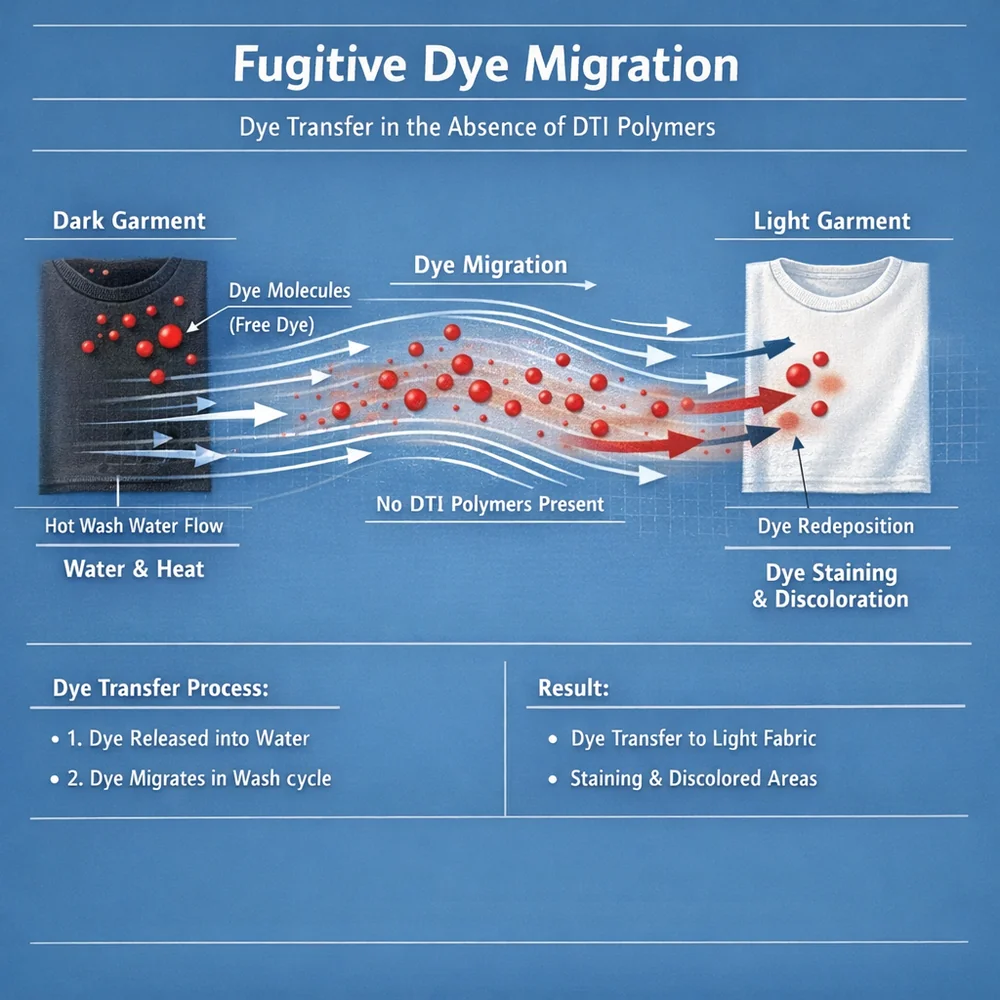
When your white laundry comes out pink, one of your dark items “bled” unstable dye into the wash water. This fugitive dye settled on every light-colored surface it could find.
Dye transfer happens when fabric dyes are not properly fixed to their fibers. The loose dye molecules dissolve into the wash water and then reattach to any fabric they contact. White cotton is especially receptive because its cellulose structure readily accepts dye molecules.
The critical rule: do not put anything in the dryer. While the dye is still wet and loosely attached, you have a rescue window. Dryer heat permanently bonds the fugitive pigment to the fiber, and then you really are stuck.
While items are still wet, soak them immediately in a hot solution of oxygen bleach (sodium percarbonate). For natural fibers like cotton and linen, an overnight soak often oxidizes the fugitive color away completely.
The hot water keeps the newly attached dye mobile while the oxygen bleach attacks the chromophores that produce color. This combination can completely reverse dye transfer if you act quickly.
Commercial “color run remover” products use reducing agents that specifically target escaped dyes without affecting stable original colors. These are designed exactly for this emergency and are worth keeping on hand.
The Bottom Line Never dry pink whites. Soak immediately in oxygen bleach or use commercial color run remover while the dye is still mobile.
Preventing Dye Transfer
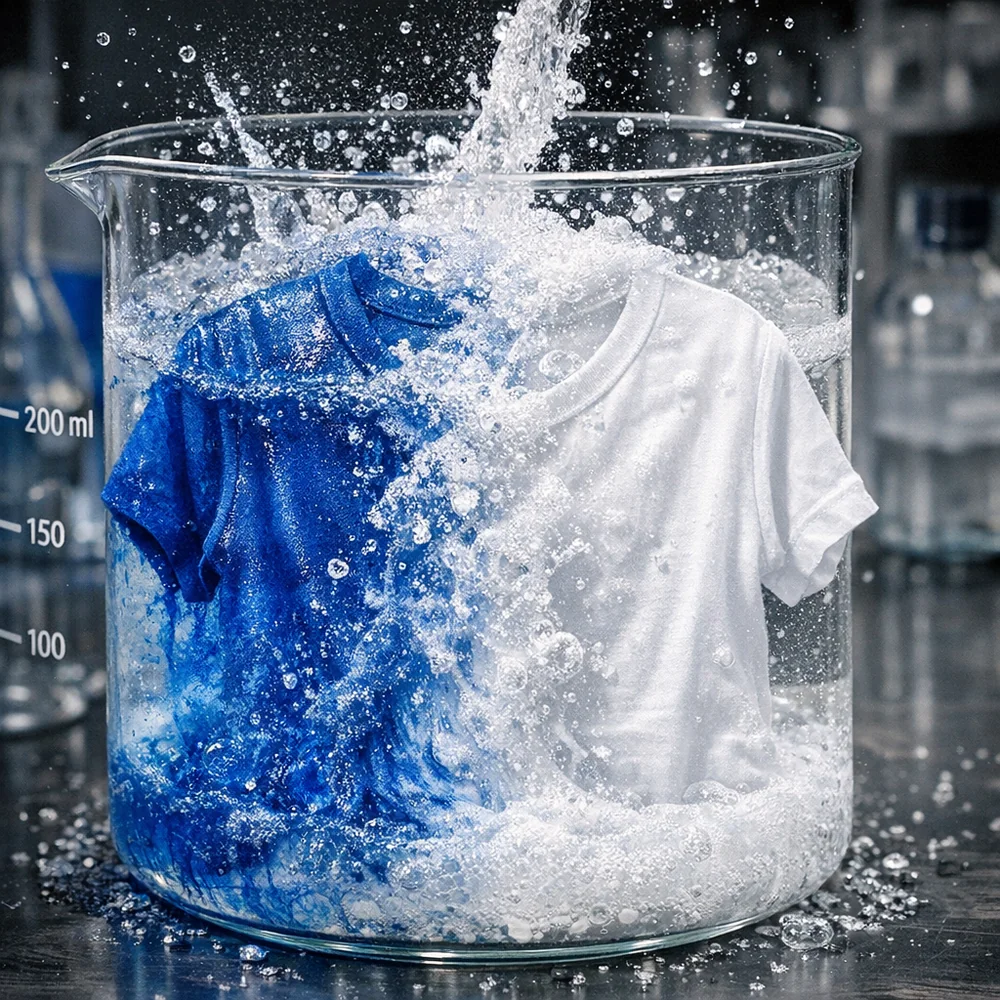
Prevention beats rescue every time. Color catcher sheets work by attracting fugitive dye molecules before they can settle on your clothes.
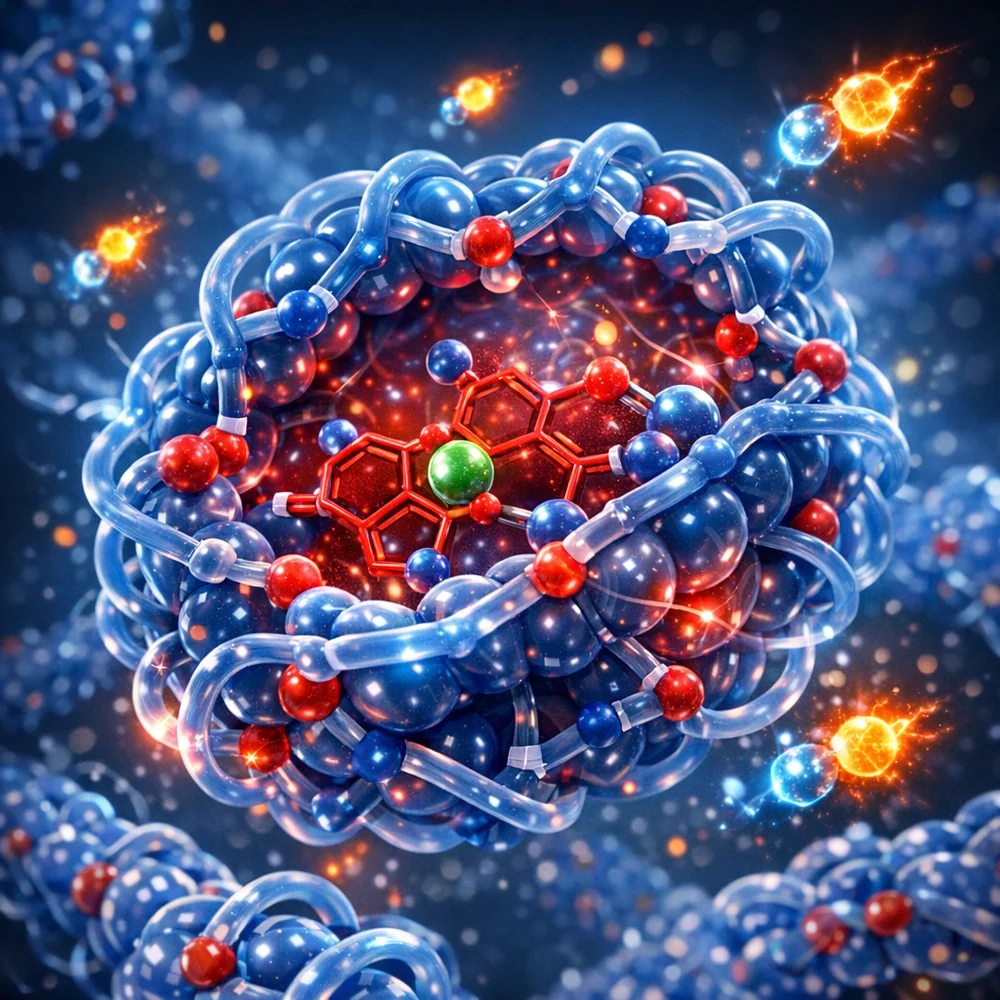
These sheets contain positively charged polymers that act as dye magnets. Negatively charged fugitive dye molecules prefer bonding to the sheet rather than your white shirt. After the cycle, you discard the sheet along with the trapped pigment.
Include a color catcher in any mixed load containing dark items you do not trust. As manufacturers move toward faster, cheaper dyeing processes, unstable colors become more common.
New dark garments are especially risky. Wash them separately for the first few cycles until excess dye has been flushed away.
The Bottom Line Color catcher sheets trap fugitive dye before it can reach your whites. Use them with any questionable dark items.
The Dryer Destroys Your Chances
Heat is the enemy of stain rescue. Once a garment goes through the dryer, ink and dye molecules bond permanently to the fiber structure.
At high temperatures, fabric polymers expand and allow pigment molecules to enter the fiber core. As the fabric cools, the polymers contract and trap the color inside. This “heat-setting” is essentially permanent.
The same principle is used intentionally in commercial dyeing to make colors permanent. You accidentally replicate this industrial process when you dry a stained garment.
Always air dry stained items and inspect them in good lighting before finalizing. If any trace of the stain remains, retreat while the fabric is damp. It is better to repeat cold treatment three times than to dry once and fail forever.
The Bottom Line Dryer heat permanently bonds stains. Air dry and verify stain removal before applying any heat.
Emergency First Aid for Ink Leaks
When a pen explodes in your pocket away from home, immediate action prevents permanent damage.
Blot the excess ink with paper towels using a firm “press and lift” motion. Do not rub, as this drives pigment deeper and frays yarns. If possible, place cardboard or plastic behind the stain to prevent bleed-through.
Apply hand sanitizer to keep the ink mobile until you can properly treat it. The alcohol gel prevents the stain from drying and hardening. A dried ink stain is exponentially harder to remove than a fresh one.
If no hand sanitizer is available, club soda or plain water can help keep the ink from setting while you get home to proper supplies.
The Bottom Line Blot immediately, do not rub. Hand sanitizer keeps ink mobile until you can properly treat it.
Fiber Sensitivity Matters
Different fabrics react dramatically to the solvents needed for ink removal.
Acetate dissolves instantly in acetone. One drop of nail polish remover on an acetate lining creates a permanent hole. Always check fiber content before using any strong solvent.
Rayon and viscose lose strength when wet. Aggressive blotting can shift yarns and create permanent “thin spots.” Use gentle press-and-lift motions on these delicate fabrics.
Wool and silk need neutral pH environments. Avoid alkaline stain sticks that can make protein fibers brittle. Stick to alcohol treatments and rinse thoroughly.
The Bottom Line Check fiber content before treating. Acetate dissolves in acetone. Rayon tears when wet. Test everything.
Hard Water Complicates Everything
If you live in an area with hard water, mineral ions can interfere with dye transfer rescue. Calcium and magnesium act as “bridges” that help escaped pigments attach more firmly to fabric.
Adding borax or washing soda to your rescue soak helps chelate these minerals, keeping fugitive dyes mobile for easier removal. Managing water chemistry improves the effectiveness of every other treatment.
A white vinegar rinse after treatment strips away mineral films that might trap residual pigment.
The Bottom Line Hard water minerals help dye stick. Use borax or washing soda in rescue soaks to neutralize them.
Conclusion
Ink and dye rescue follows clear chemical principles. Match your solvent to the stain type: alcohol for ballpoint resins, enzymes for water-based inks, oxygen bleach or reducing agents for fugitive dye.
The universal rules are simple: never dry a stained item, act quickly while pigments are mobile, and verify complete removal in good lighting before finishing. With these principles, even the most panic-inducing laundry disasters become solvable problems.
References
- Journal of Forensic Sciences. “Molecular Analysis of Ballpoint and Permanent Ink Resins.” Wiley
- American Cleaning Institute. “Ink and Dye Extraction Protocols.” https://www.cleaninginstitute.org/
- Textile Research Journal. “Dye Migration and Fixation Thermodynamics.” Sage Journals
- Consumer Reports. “Solvents and Reducing Agents for Dye Transfer.” https://www.consumerreports.org/
- Dyes and Pigments. “Chromophores and Oxidative Bleaching.” ScienceDirect