Laundry Stripping Protocols: The Science Behind Deep-Cleaning Your Fabrics
Table of Contents
Things You'll Learn From This Article:
- The brown water from laundry stripping comes from minerals, detergent residue, dye runoff, and body oils—not just dirt.
- Hard water can slowly coat your towels and clothes with minerals, making them stiff and less absorbent over time.
- Using too much detergent leaves residue behind, which can trap odors and oils even after washing.
- Laundry stripping works by using hot water and alkaline cleaners to loosen buildup that normal washes can’t remove.
- Stripping makes sense when towels feel crunchy, clothes smell musty, or activewear holds onto odors after washing.
- Items that already feel soft and smell clean usually don’t need stripping, even if videos online suggest otherwise.
- Hot, alkaline soaking is rough on fabrics, so elastic, delicate materials, wool, and silk shouldn’t be stripped.
- Dark or colored items may release dye during stripping, so color changes are possible and normal.
- Enzyme detergents are a gentler option for odor and oil problems and work well before trying full stripping.
- Measuring detergent carefully in regular laundry helps prevent the buildup that makes stripping necessary later.
- Hard water problems are easier to prevent with water softeners, borax, washing soda, or vinegar rinses than to fix later.
- After stripping, habits like using less detergent and fully drying items help fabrics stay fresh longer.
- DIY stripping uses the same basic ingredients as most commercial products, just without the extra cost.
Laundry stripping has exploded on social media, with viral videos showing murky brown water that supposedly proves your “clean” clothes were actually filthy. The brown water is real, but the explanation is more nuanced than internet videos suggest.
Stripping does have legitimate applications. It removes mineral buildup from hard water, flushes out excess detergent that accumulates over time, and releases embedded oils that normal washing misses. But understanding what stripping actually does helps you decide when it is necessary and when it is overkill.
What Stripping Actually Removes
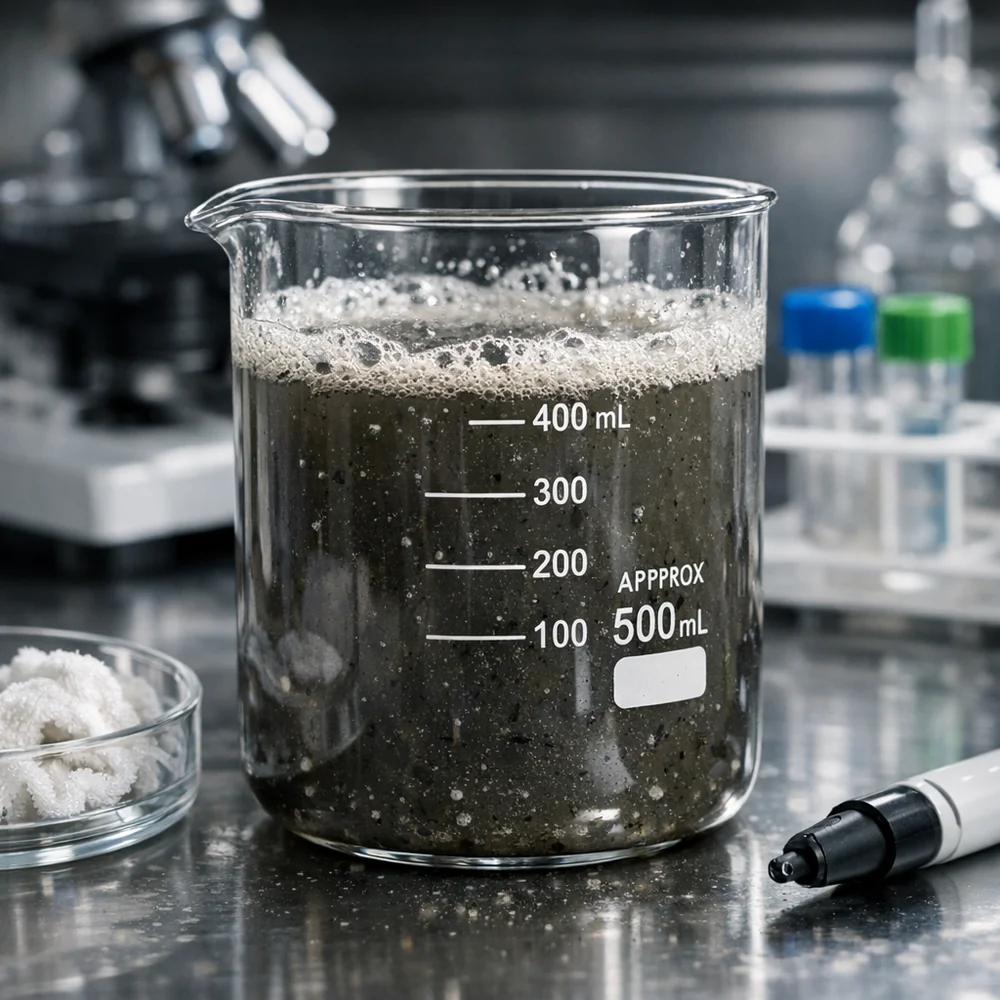
The dramatic brown water in stripping videos comes from several sources, not all of which indicate “dirty” laundry.
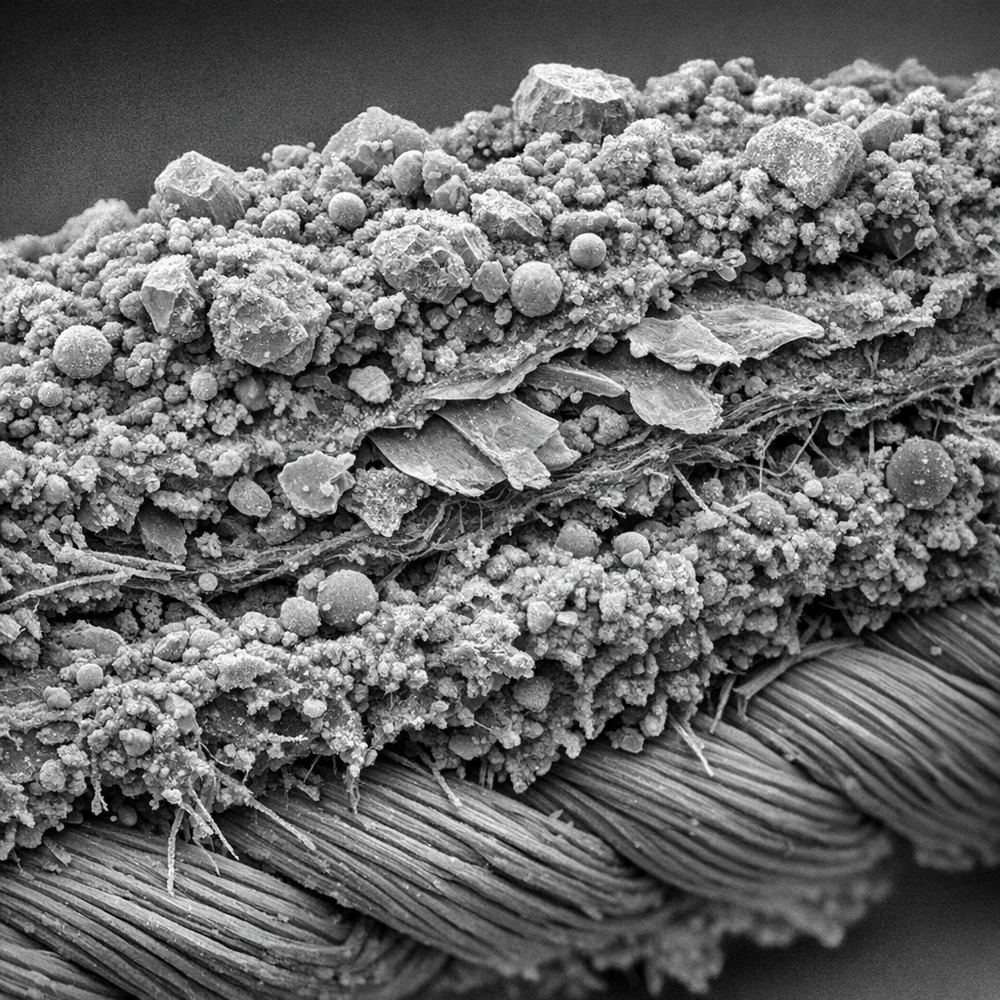
Mineral deposits from hard water account for much of the discoloration. Calcium and magnesium ions bond with soap molecules and fabric fibers over repeated washes. These minerals build up in layers, creating a grayish film that makes towels feel stiff and reduces absorbency. The calcium carbonate crystals that form are the same substance that creates scale in your kettle and showerhead.
Excess detergent residue contributes to the buildup. Most people use far more detergent than necessary, often two to four times the recommended amount. The excess does not rinse away completely and instead deposits on fabric. Over time, this residue creates an invisible coating that traps body oils and dirt. This explains why towels can smell musty even after washing.
Fabric dye runoff is especially visible when stripping dark items. The hot, alkaline stripping solution can release some dye from the fabric. This looks alarming but is often dye that was never properly fixed during manufacturing. This dye would eventually wash out over time anyway.
Body oils and skin cells contribute the true “dirt” component. Sebum, the natural oil your skin produces, has a yellowish color that contributes to the murky water. Dead skin cells add a grayish tint.
The Bottom Line Brown stripping water contains minerals, detergent residue, loose dye, and some body oils. Not all of it indicates “dirty” laundry.
The Classic Stripping Formula
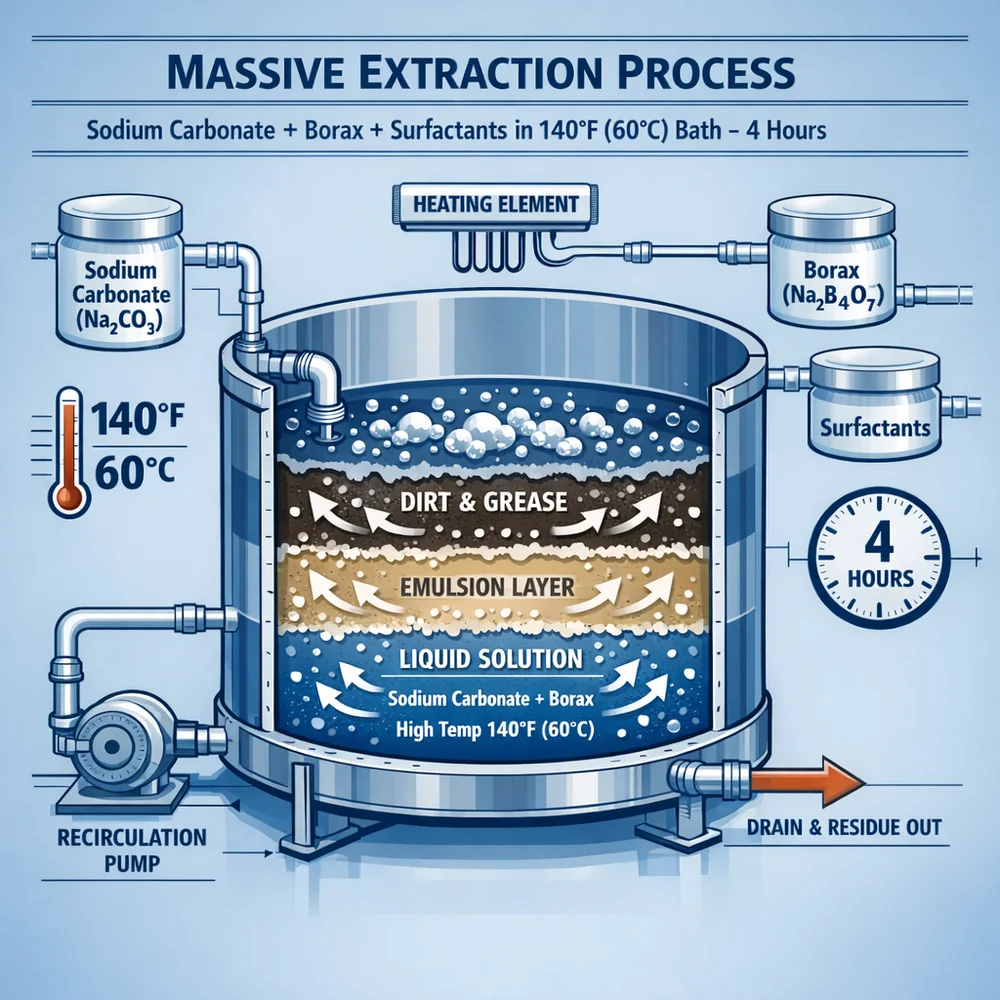
The standard stripping recipe uses three ingredients that work synergistically to release buildup from fabric.
Hot water provides the thermal energy needed to mobilize stuck residues. The temperature should be as hot as your fabric can tolerate, typically around 140°F (60°C) for cotton and synthetic items.
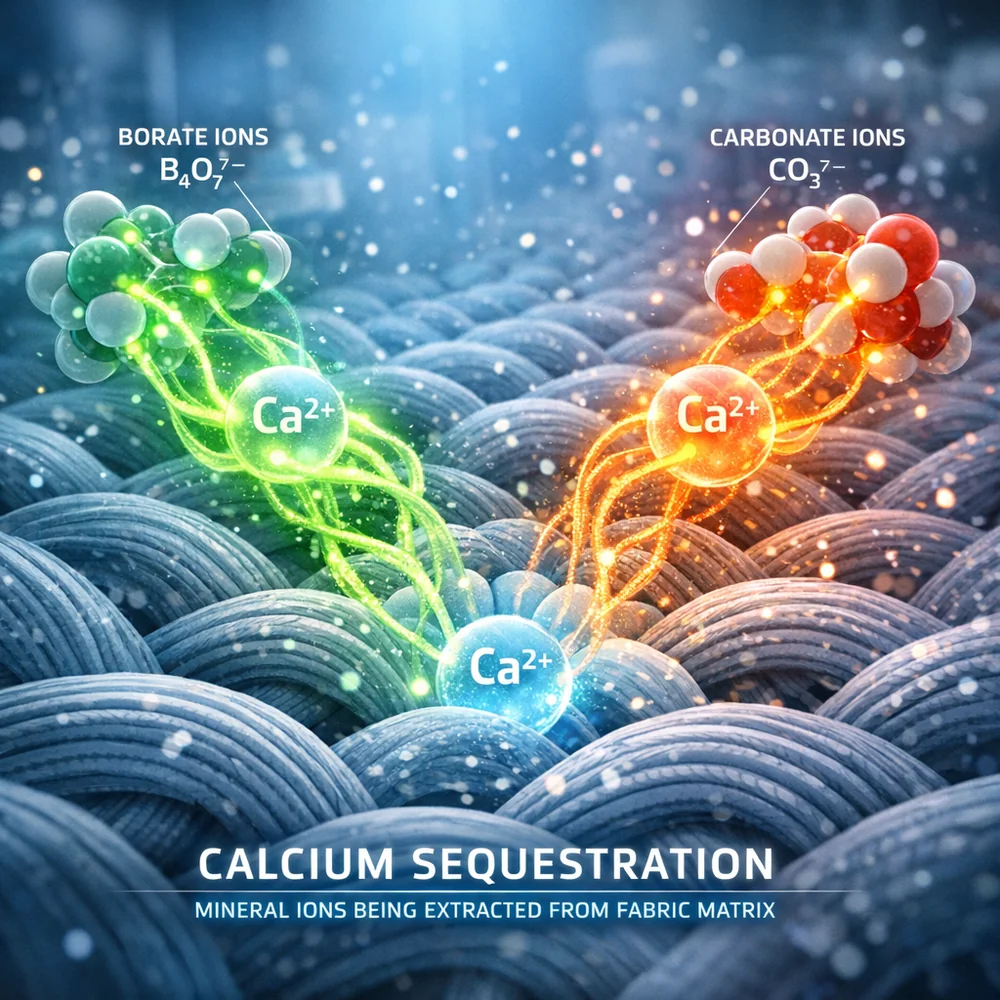
Borax (sodium tetraborate) raises the pH of the water to about 9.5, creating an alkaline environment that helps break down oils. Borax also softens water by precipitating out calcium and magnesium ions, preventing them from redepositing on the fabric.
Washing soda (sodium carbonate) is even more alkaline, with a pH around 11. This stronger base attacks greasy buildup more aggressively. The carbonate ions form insoluble compounds with hard water minerals, pulling them out of the fabric.
Laundry detergent provides surfactants that emulsify the released oils and suspend particles in the water so they cannot reattach to the fabric.
The typical ratio is one-quarter cup borax, one-quarter cup washing soda, and one-half cup detergent per bathtub of hot water.
The Bottom Line The stripping formula of borax, washing soda, and detergent creates an alkaline solution that chelates minerals and emulsifies oils.
Step-by-Step Protocol
Fill a bathtub or large basin with the hottest water your items can tolerate. For most cotton towels and sheets, 140°F (60°C) is ideal.
Dissolve the borax, washing soda, and detergent completely before adding fabric. Undissolved granules can leave white residue on dark items.
Submerge the fabric completely and agitate by hand to ensure full saturation. The items should not be packed so tightly that water cannot circulate freely.
Let the items soak for 4 to 6 hours, stirring every hour or so to redistribute the released buildup. You will see the water darken progressively as residue releases.
Drain the basin and rinse the items thoroughly. Follow with a normal machine wash cycle using hot water but no additional detergent. The wash removes any residual stripping solution.
Dry as normal. Towels may feel softer immediately as accumulated residue is gone.
The Bottom Line Soak 4-6 hours in hot alkaline solution, stirring periodically. Rinse thoroughly and wash before drying.
When Stripping Makes Sense
Stripping is appropriate in specific situations, not as routine maintenance.
Towels that have become stiff, feel “crunchy,” or smell musty despite washing benefit from stripping. The mineral and detergent buildup that causes these problems cannot be removed by normal washing.
Activewear that retains body odor after washing often has oil buildup in the synthetic fibers. The sebum creates a bacterial habitat that normal washing does not penetrate. Stripping resets these items. Our activewear odor guide covers this in detail.
Whites that have yellowed or grayedover time may respond to stripping. The discoloration comes from accumulated residue rather than the fabric itself aging.
Second-hand clothing of unknown history benefits from stripping as a deep reset before entering your wardrobe.
Items moving from hard water to soft water regions should be stripped to remove mineral buildup that will no longer be replenished.
The Bottom Line Strip when items are stiff, smelly, yellowed, or of unknown history. Not needed for routine laundry maintenance.
When Stripping Is Unnecessary
Many people strip laundry that does not need it, wasting time and potentially stressing fabric.
Clothes that smell fresh and feel soft do not need stripping. The dramatic internet videos create anxiety about “hidden dirt” that often does not exist in well-maintained laundry.
Items washed in soft water rarely develop mineral buildup. If your water does not leave deposits on faucets and showerheads, your fabrics are probably fine.
Delicate fabrics, wool, and silk should never be stripped. The hot alkaline solution damages protein fibers and can cause shrinkage and felting.
New items do not need stripping. While some people strip new purchases to remove “manufacturing chemicals,” this is mostly unnecessary. A normal cold wash sufficiently removes any surface treatments.
The Bottom Line Do not strip laundry that feels and smells fine. Stripping is for remediation, not routine care.
Fabric Damage Risks
Stripping is not gentle. The hot, alkaline solution that releases buildup also stresses fabric.
Elastic components in underwear, bras, and fitted sheets can degrade from extended hot soaking. Elastane and spandex are heat-sensitive and may lose recovery after stripping.
Colors can shift or bleed in the prolonged hot soak. Always strip similar colors together and expect some dye release from dark items.
Decorative finishes like embroidery, screen prints, and appliqués can loosen or distort in the alkaline environment.
Natural fiber dyes, particularly in organic cotton and hemp items, may be less stable than synthetic dyes and could fade significantly.
The Bottom Line Stripping stresses fabric. Avoid on delicates, elastics, and decorated items. Expect some color release.
Alternative: Enzyme Soaking
For odor and oil problems, enzyme detergents offer a gentler alternative to full stripping.
Enzyme soaks work at lower temperatures and neutral pH by biologically digesting organic residue. Lipase enzymes break down body oils while protease enzymes attack skin cells and protein residue.
Soak items in warm (not hot) enzyme detergent solution for 2 to 4 hours. This addresses the organic component of buildup without the aggressive mineral-stripping action.
Enzyme treatment is safe for elastics and more color-stable than hot alkaline stripping. Use it as a first intervention before escalating to full stripping.
The Bottom Line Enzyme soaking is gentler than stripping and handles organic buildup effectively. Try it first.
Hard Water Prevention
If hard water is your primary issue, prevention beats remediation.
Water softeners installed on your home’s water supply eliminate the root cause of mineral buildup. Softened water requires less detergent and leaves fabrics cleaner.
For renters or those without whole-home softeners, adding borax or washing soda to regular wash loads helps chelate minerals before they deposit on fabric.
Vinegar rinses in the fabric softener dispenser help dissolve fresh mineral deposits before they crystallize into stubborn buildup.
Using the right detergent amount prevents excess residue. Modern HE detergents require far less product than traditional formulas. More is not better.
The Bottom Line Prevent buildup with water softening, appropriate detergent amounts, and vinegar rinses. Strip only when needed.
Post-Stripping Care
After stripping, your fabrics have been reset to baseline. How you care for them afterward determines how long they stay fresh.
Use measured amounts of detergent. The packaging recommends amounts for heavily soiled loads. Most washes need less. Excess detergent starts the residue cycle over.
Wash synthetic activewear separately from cotton items. Synthetics hold onto oils that can transfer to cotton fibers in mixed loads.
Add a water conditioner if your water is hard. This prevents immediate reaccumulation of the minerals you just stripped away.
Dry completely before storing. Damp fabric encourages mold growth and musty odors that will require treatment.
The Bottom Line Use less detergent, condition hard water, and dry completely. Good maintenance prevents the need for future stripping.
DIY vs. Commercial Strippers
Commercial laundry stripping products offer convenience but rarely differ significantly from DIY formulas.
Most commercial strippers contain washing soda, borax, or similar alkaline compounds combined with surfactants. You pay a premium for packaging and convenience rather than proprietary chemistry.
DIY is more economical for large batches. A box of borax and washing soda can strip dozens of loads at a fraction of the commercial product cost.
Commercial products may be worthwhile for occasional use when buying bulk ingredients is not practical.
The Bottom Line Commercial strippers work but offer no magical advantage over DIY formulas. DIY is more economical.
Conclusion
Laundry stripping legitimately addresses mineral buildup, detergent residue, and embedded oils. The dramatic brown water you see online is real, though it represents multiple sources rather than simple “dirt.”
Strip when items are stiff, smelly, or discolored. Skip stripping for routine laundry or delicate items. Better yet, prevent buildup with proper water treatment and detergent use.
Stripping is remediation, not maintenance. Use it wisely.
References
- Journal of Surfactants and Detergents. “Alkaline pH Effects on Lipid Emulsification.” Springer Link
- American Cleaning Institute. “Laundry Stripping Efficacy and Safety.” https://www.cleaninginstitute.org/
- Textile Research Journal. “Calcium Carbonate Deposition on Cotton Fiber.” Sage Journals
- Consumer Reports. “Deep Cleaning Methods for Household Textiles.” https://www.consumerreports.org/
- Water Quality Association. “Hard Water Effects on Fabric and Appliances.” WQA