Adhesive and Gum Removal: The Science of Interfacial De-bonding
Table of Contents
Things You'll Learn From This Article:
- Sticky messes come off more easily when you change their state, not when you scrub harder. Cold makes rubbery things brittle, and solvents make sticky things slide.
- Chewing gum should always be frozen first; scraping it while soft just pushes it deeper into the fabric.
- Sticker and tape residue usually won’t budge with water, but alcohol or oils can loosen it because most of these adhesives aren’t water‑based.
- Applying solvents from the back of the fabric helps push dissolved glue out instead of driving it deeper into the weave.
- Candle wax removal works best in two steps: freeze and chip off the bulk, then gently melt and absorb what’s left with paper towels and an iron.
- Tree sap and pine pitch respond well to rubbing alcohol, but they need time to soak so the alcohol can break the resin down.
- Dryer heat can permanently set sap, glue, and wax, so always remove adhesive problems before washing and drying.
- Fabric type matters as much as the adhesive; some fibers are instantly damaged by common solvents like acetone.
- Acetone can dissolve super glue on cotton or linen, but it can ruin many synthetic fabrics on contact.
- Hot glue is easier to remove than super glue and often releases with alcohol or freezing instead of heat.
- Oily, waxy tape residue can be handled by using dish soap to lift it, sometimes after dissolving it first with cooking oil.
- Old, yellowed sticker residue may need glycerin first to soften it before any solvent will work.
- Gentle tapping straight down works better than back‑and‑forth rubbing and helps avoid fraying or pilling the fabric.
- Always work from the outside of a sticky spot toward the center to keep it from spreading.
- After removal, wash the garment before drying and check carefully, since leftover residue will set permanently in the dryer.
Getting gum, stickers, or industrial tape stuck to your favorite shirt feels like a death sentence for the garment. The sticky mess seems impossible to remove without tearing the fabric or spreading the contamination further. But here is the thing: sticky substances follow predictable physics, and once you understand that physics, removal becomes straightforward.
The key principle is that adhesives do not simply sit on fabric. They flow into the tiny gaps between yarns, creating both mechanical and chemical bonds. Your job is to either freeze them solid so they snap off, or dissolve them with the right solvent so they slide out. This guide covers both approaches, from chewing gum to super glue, using science you can actually apply at home.
Chewing Gum: The Freezing Trick Explained
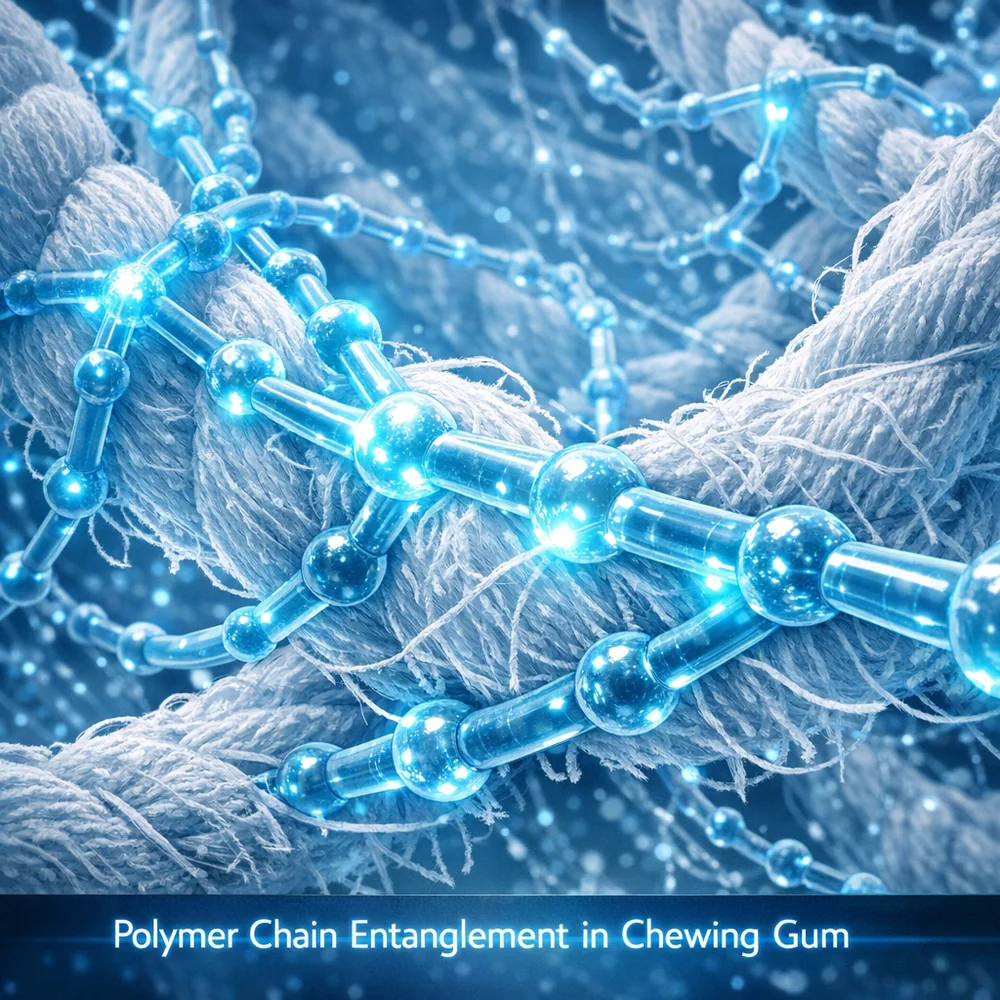
Chewing gum is primarily made of synthetic elastomers like polyisobutylene. These materials are designed to be stretchy and resilient at body temperature. At room temperature, gum exists in a “rubbery” state where its molecules can flow and conform to surfaces. When gum gets pressed into fabric, it achieves maximum contact with the fibers, creating a bond that resists scrubbing.
Scraping gum while it is soft only makes things worse. You stretch the polymer chains and push them deeper into the yarn. The solution is temperature manipulation.
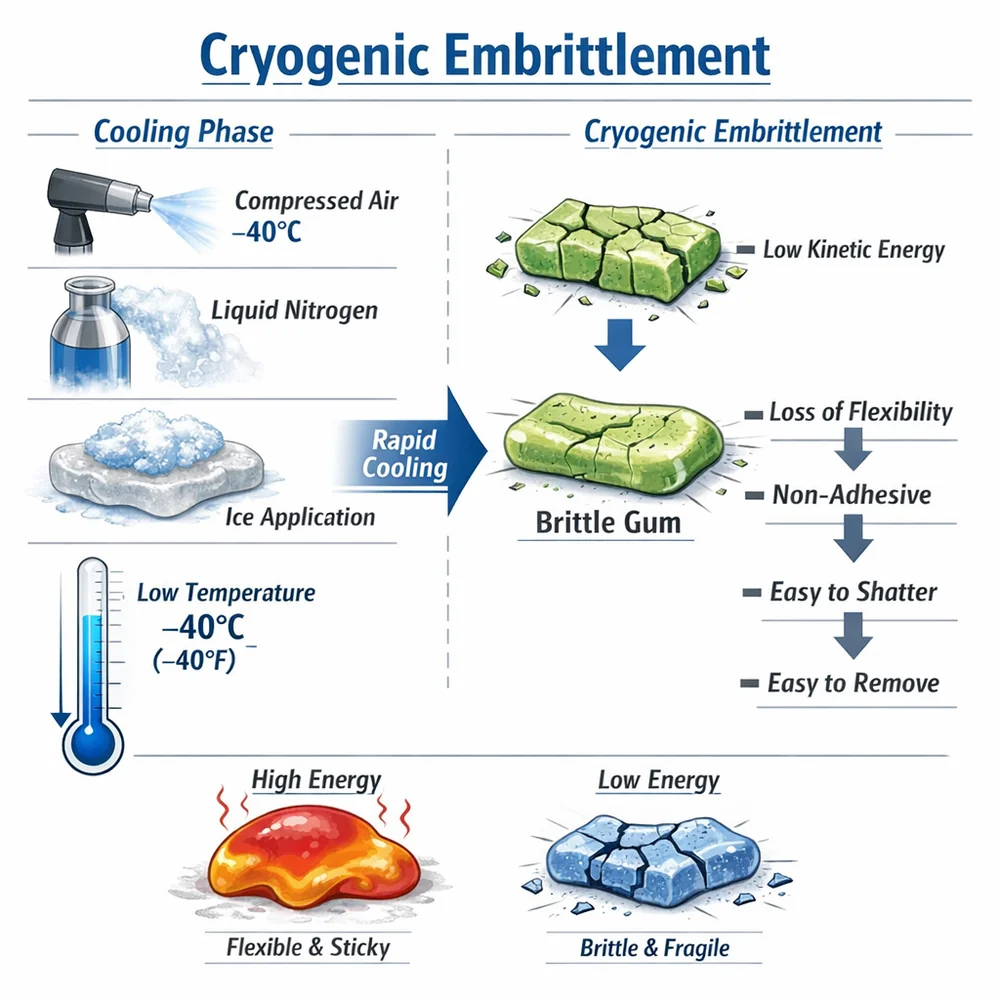
Every polymer has a “glass transition temperature” where it changes from soft and pliable to hard and brittle. For gum, this happens below freezing. When you apply ice or freeze the garment, the molecular chains stop moving and the gum becomes like glass.
Once frozen, gum shatters rather than stretches. You can pop it off in chunks using a dull edge like a butter knife or credit card. Work quickly because the gum will warm up and become sticky again within minutes. This method works purely through physics, requiring no chemicals that might spread staining.
The Bottom Line Gum removal is about temperature, not chemicals. Freeze it below its glass transition point and it becomes brittle enough to snap off cleanly.
Sticker Residue: Understanding Pressure-Sensitive Adhesives
That gummy residue left behind when you peel off a price tag or sticker comes from pressure-sensitive adhesives (PSAs). Unlike gum, these never fully harden. They are designed to stay permanently tacky.
PSAs bond through weak but numerous Van der Waals forces between the adhesive molecules and the fiber surface. Removing this residue requires a solvent that can overcome these molecular attractions and re-liquefy the adhesive.
Most PSAs are non-polar, meaning they dissolve in oils and alcohols rather than water. Rubbing alcohol works well for light residue. For heavier deposits, try cooking oil or commercial products like Goo Gone that contain citrus-derived solvents.
Apply the solvent from the back side of the fabric whenever possible. This “back-spotting” technique pushes the dissolved adhesive out through the weave rather than driving it deeper. Place an absorbent cloth underneath to catch the residue as it migrates through.
The Bottom Line Sticker residue needs a non-polar solvent like alcohol or oil to re-liquefy. Always apply from the back side to push contamination out, not in.
Candle Wax: The Two-Phase Approach
Candle wax presents a unique problem because it starts as a hot liquid that immediately solidifies inside the fabric. The wax uses capillary action to travel deep into yarn centers before cooling into a waterproof plug that essentially glues fibers together.
Successful wax removal requires two distinct phases. First, freeze the wax using ice or your freezer to make it brittle enough to chip away the bulk deposit. This prevents you from melting a large volume of wax and spreading it further during the next step.
The second phase uses heat and absorption. Sandwich the remaining wax stain between paper towels and apply a warm iron (no steam). As the wax melts, the paper provides a more attractive path than the fabric, and the wax migrates into the towels. Replace with fresh paper and repeat until no more translucent marks appear.
The Bottom Line Wax removal is a two-step process: freeze and chip the bulk, then iron between paper towels to transfer the residue.
Tree Sap and Pine Pitch: The Alcohol Protocol
Tree sap and pine pitch are natural resins designed by the plant to be waterproof and highly adhesive. These substances act like nature’s super glue and become nearly permanent if exposed to dryer heat before treatment.
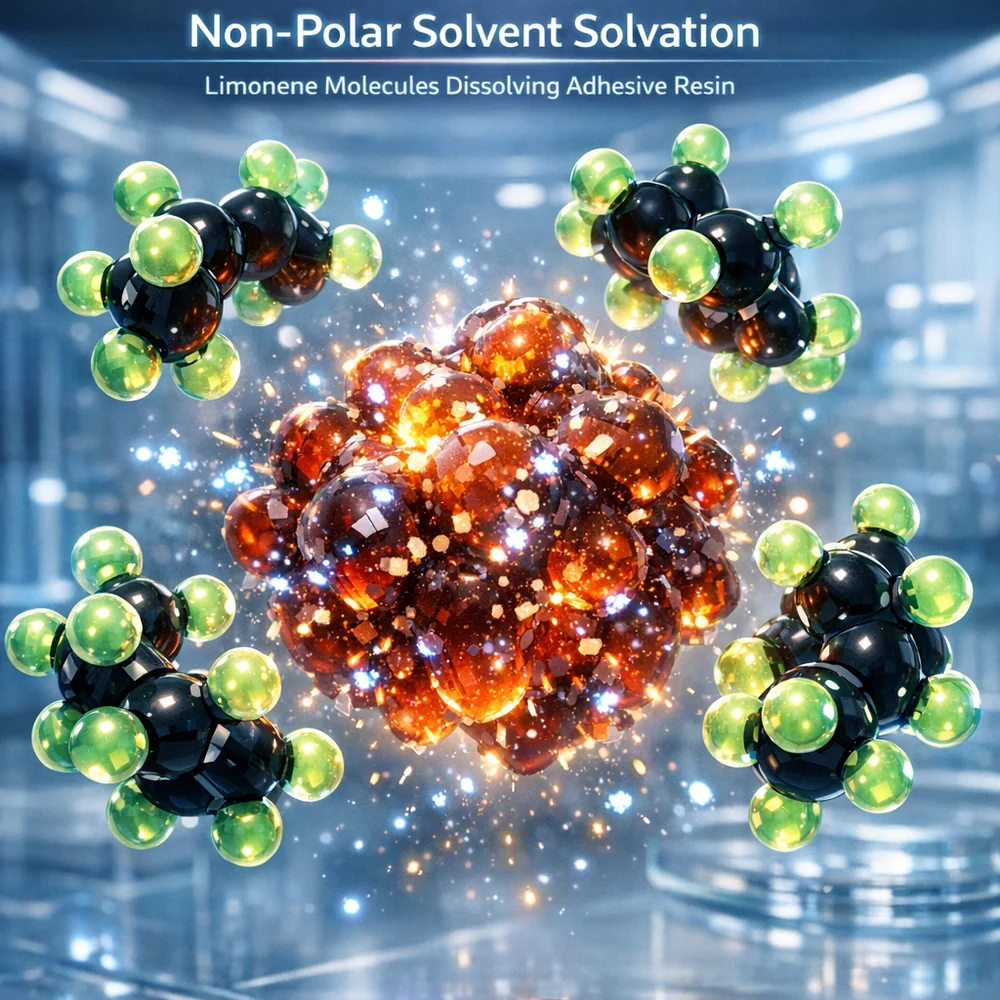
Isopropyl alcohol (rubbing alcohol) is your best tool for sap removal. The small alcohol molecules penetrate the hardened surface of the sap and disrupt its terpenoid structure. You may notice fizzing or bubbling as the resin breaks down.
Dwell time matters enormously with older, hardened sap. Saturate the area and let the alcohol work for several minutes before attempting removal. For extremely stubborn pine pitch, mineral spirits may be necessary, though these carry higher risk of color damage.
Always follow sap treatment with a thorough wash using a pH-neutral detergent to remove the liquefied resins before they can re-set.
The Bottom Line Tree sap requires isopropyl alcohol to dissolve the terpenoid structure. Give it time to penetrate hardened deposits before scrubbing.
Fiber Sensitivity: Know Before You Treat
Before reaching for any solvent, check your fabric content. The aggressive chemicals needed for adhesive removal can destroy certain fibers instantly.
Acetate and modacrylic fabrics dissolve into shapeless puddles when exposed to acetone. This reaction is instant and irreversible. Acetone is found in many nail polish removers, so never use these products without checking the label.
Rayon and viscose lose significant strength when wet with solvents. Aggressive rubbing while the fibers are weakened causes permanent “thin spots” where the yarns have shifted. Use a gentle tamping motion instead of circular scrubbing.
Protein fibers like wool and silk tolerate alcohol safely but can be damaged by highly alkaline products. Stick to neutral cleaning solutions for these delicate materials. When in doubt, always spot-test on an inside seam before treating the visible stain.
The Bottom Line Check fiber content before treating. Acetate dissolves in acetone instantly. Rayon tears easily when wet with solvents. Spot-test everything.
Super Glue: The Acetone Exception
Cyanoacrylate adhesives, sold as “Super Glue” or “Krazy Glue,” represent the extreme end of textile contamination. Unlike other adhesives that simply stick, super glue undergoes a chemical reaction with moisture that creates actual plastic fused to the fiber.
Traditional solvents have zero effect on cured super glue. The only effective reagent is acetone, but its use is limited by fabric sensitivity.
On cotton or linen, apply acetone carefully with a cotton swab directly to the glue spot. The process is slow because acetone evaporates quickly. You will need multiple applications to gradually dissolve the plastic. Keep the acetone confined to the glue itself to prevent spreading dissolved plastic into surrounding fabric.
For synthetic fabrics that cannot tolerate acetone, mechanical micro-scraping is the only option. Using a very fine blade, carefully chip the plastic where it meets the fiber. This carries high risk of cutting the yarn and should only be attempted with extreme patience. In many cases, super glue on synthetics is permanent damage.
The Bottom Line Super glue forms actual plastic that only acetone can dissolve. Use it carefully on cotton; accept that synthetic fabrics may be permanently damaged.
Hot Glue from Craft Projects
Hot melt adhesives used in crafting are thermoplastic polymers, usually ethylene-vinyl acetate (EVA). Unlike super glue, these do not chemically react with fibers, making removal more straightforward.
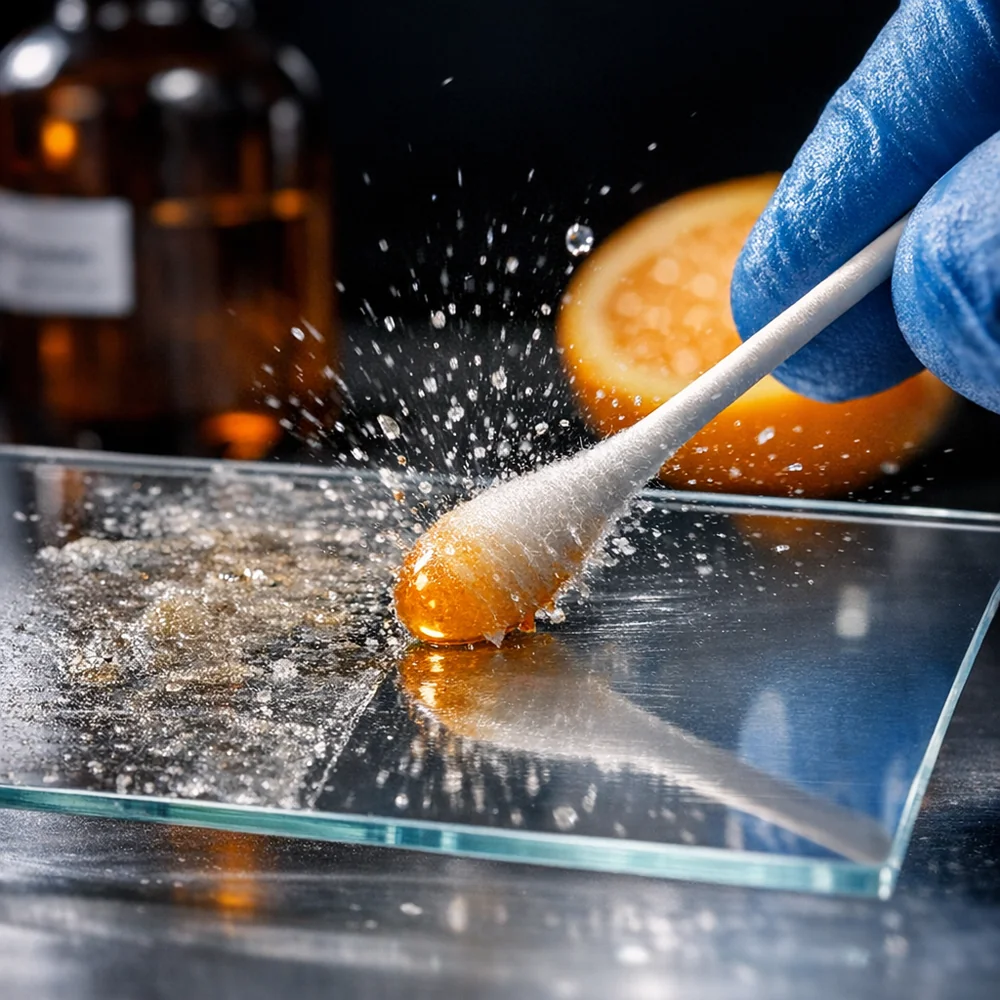
Isopropyl alcohol works surprisingly well at releasing hot glue bonds. When saturated with alcohol, hot glue often peels off in one continuous piece. The alcohol penetrates the interface between glue and fiber, essentially lubricating the separation.
For delicate fabrics, the freezing method also works. Cold temperatures make EVA polymers brittle and less compliant, allowing them to snap away from the textile structure.
Avoid the temptation to re-melt hot glue with an iron. This usually spreads the problem into a larger, flatter mess that is harder to remove than the original blob.
The Bottom Line Hot glue releases with isopropyl alcohol or freezing. Never try to re-melt it, as this spreads the contamination.
Waxy Industrial Tape Residue
Heavy-duty shipping labels and industrial tapes often leave behind an oily, waxy residue after the backing is removed. These residues are hydrophobic and will attract dust to create permanent gray smudges if not fully removed before washing.
The solution is sequential emulsification. First, apply concentrated dish soap directly to the residue. The surfactant molecules surround the oil droplets and lift them away from the fiber. Work the soap into the residue with your fingers, then rinse with warm water. Repeat until the fabric no longer feels tacky.
For extremely stubborn waxy residue, apply a small amount of cooking oil first. This seems counterintuitive, but the oil dissolves the wax following the “like dissolves like” principle. Then use dish soap to emulsify both the original residue and the added oil. The final wash must be thorough to remove everything.
The Bottom Line Waxy residue needs dish soap for emulsification. For stubborn deposits, use oil to dissolve the wax first, then soap to remove both.
Aged Sticker Residue: The Glycerin Trick
When a sticker has been on fabric for months or years, the adhesive undergoes chemical aging. It loses plasticizers and cross-links into a hard, yellowed crust that standard solvents cannot penetrate effectively.
Before using alcohol or oil, you need to re-soften this aged adhesive. Vegetable glycerin works exceptionally well as a humectant that pulls moisture back into the hardened plastic. Apply glycerin liberally and give it several hours to work. The brittle crust will gradually become pliable and receptive to solvent treatment.
Once softened, proceed with the alcohol or oil-based protocols described earlier. This patience-first approach prevents fabric damage from excessive scrubbing.
The Bottom Line Old, crusty adhesive needs glycerin to re-hydrate before solvents can work. Give it several hours to soften.
Mechanical Techniques: Tamping vs. Rubbing
Your physical technique during adhesive removal matters as much as your chemical choices. Back-and-forth scrubbing causes fiber damage called “pilling,” where yarn ends fray and tangle into permanent balls.
Use tamping instead. Strike the stain vertically with a brush or cloth bundle. This provides energy to dislodge adhesive without the horizontal shear that causes pilling.
For solid masses like gum or wax, always work from the outside edge toward the center. This contains the contamination rather than spreading it into surrounding clean fabric. Use a dull plastic edge rather than metal to avoid cutting yarns.
The Bottom Line Tamp vertically rather than scrubbing horizontally. Work from edges toward center to contain contamination.
Post-Removal Cleanup
After successful adhesive removal, wash the garment in the hottest water safe for the fabric. This flushes out residual solvents and dissolved adhesive that might re-set over time.
Inspect the treated area under good lighting before drying. Any remaining residue will become permanent when exposed to dryer heat. If you see any trace of the original problem, retreat while the fabric is still damp.
Prevent future problems by removing labels and stickers promptly. Never leave temporary tags on fabric in hot cars or sunny windows where heat accelerates adhesive penetration.
The Bottom Line Wash hot after treatment to flush solvents. Check carefully before drying, as heat will permanently set any remaining residue.
Conclusion
Adhesive removal follows predictable science. Freeze rubbery substances to make them brittle. Dissolve sticky residues with matching solvents. Respect fiber sensitivities and check your fabric before treating.
The key is understanding which physical or chemical intervention breaks the specific bond you are dealing with. Gum needs cold. Stickers need solvents. Wax needs heat transfer. Super glue needs acetone (on compatible fabrics only). Armed with this knowledge, even the stickiest situations become manageable.
References
- Journal of Adhesion Science and Technology. “Interfacial De-bonding and the Removal of Pressure-Sensitive Adhesives from Porous Substrates.” Taylor & Francis
- American Cleaning Institute. “Technical Protocols for Polymer and Resin Extraction in Fabric Care.” https://www.cleaninginstitute.org/
- Textile Research Journal. “Solvency Parameters and Non-Polar Contaminant Migration.” Sage Journals
- Consumer Reports. “Thermal and Chemical Methods for Gum and Wax Removal.” https://www.consumerreports.org/
- Journal of Polymer Science. “Glass Transition Thresholds of Synthetic Elastomers.” Wiley