Scent Chemistry and Fabric Interaction: The Science of Scent Beads
Table of Contents
Things You'll Learn From This Article:
- Laundry scent that lasts isn’t magic—it comes from tiny capsules that stick to fabric and crack open later when you move or warm up.
- Regular fragrance oils can’t survive dryer heat, which is why “natural” scents often disappear unless they’re protected inside capsules.
- Strong laundry smells can fade from your own notice over time, leading to overuse and more residue on clothes without you realizing it.
- Scent beads rely on waxy carriers that can stay on fabric, especially if they don’t fully dissolve in cooler washes.
- Cold-water washing makes it easier for scent bead residue to build up on clothes and inside the washing machine.
- Leftover wax and polymer buildup can trap dirt, body oils, and bacteria, causing sour or musty smells that don’t wash out easily.
- Activewear can lose its sweat-wicking ability when fragrance residues coat the fibers and block moisture movement.
- Using scent boosters on workout clothes can actually make odor problems worse once your body heats up.
- Extra laundry additives can increase how easily some fabrics burn, which is why they’re discouraged on children’s sleepwear.
- Long-lasting fragrance on fabric means longer skin contact, which can trigger rashes or irritation if you’re sensitive to scents.
- Using more than one scented product in the same wash often leads to heavier buildup and an overwhelming smell.
- Lower doses, warmer wash water, and skipping fabric softener can reduce residue while still giving some fragrance.
- Treating scent beads as an occasional extra instead of an every-load habit helps clothes last longer and perform better.
- Truly clean clothes aren’t just scented—they’re free of leftover waxes and coatings that interfere with the fabric itself.
Have you ever wondered how laundry fragrance manages to stick around for days or even weeks after washing? That lingering scent is not a random outcome. It is the result of sophisticated micro-encapsulation technology that turns your clothing into a slow-release fragrance delivery system.
Standard perfume compounds are volatile, meaning they evaporate rapidly when exposed to heat and air. In a dryer operating at 60°C, most traditional aromatic oils would simply boil off and disappear through the vent. To overcome this thermodynamic limitation, modern scent boosters use tiny polymeric capsules that protect fragrance molecules until they are triggered by friction or body heat. When you move in your clothes, these capsules crack open and release a fresh burst of scent.
This technology is genuinely impressive from a material science perspective. However, the chemical carriers required to anchor these capsules, specifically polyethylene glycol and various waxes, introduce complex interactions with the textile substrate. From reduced moisture wicking in activewear to potential increases in garment flammability, understanding scent chemistry reveals trade-offs that casual users rarely consider.

How Micro-encapsulation Works
The heart of modern scent booster technology is the microscopic capsule, typically ranging from 10 to 100 micrometers in diameter.
These capsules are engineered with durable polymer shells, often composed of melamine-formaldehyde or polyacrylate resins. During the wash cycle, these shells serve as protective barriers, preventing the highly volatile fragrance oils inside from dissolving in the water or being degraded by the alkaline environment of the detergent. The capsules possess a specific surface charge that allows them to adhere to the negatively charged fibers of cotton, polyester, and nylon through electrostatic attraction.
The release of fragrance is a kinetic process triggered by shell rupture. When you move while wearing the garment, the mechanical friction between the fabric and your skin creates enough shear force to break the polymeric wall. This releases a burst of fragrance, which is why scents often seem to intensify during physical activity or when you brush against furniture. This controlled-release mechanism allows for a sustained scent profile that is impossible to achieve through traditional liquid perfumes.
The Bottom Line Micro-encapsulation protects volatile fragrance molecules inside polymer shells that bond to fabric. Movement creates friction that ruptures these capsules, releasing scent on demand rather than all at once.
Why Essential Oils Evaporate in the Dryer
The thermodynamics of aromatic compounds present a fundamental challenge for scent retention during the drying cycle.
Most fragrance molecules are comprised of terpenes and esters with low boiling points. When subjected to the 50°C to 70°C temperatures found in a standard tumble dryer, these molecules reach their vapor pressure rapidly. Without encapsulation, up to 90 percent of the fragrance can be boiled off and exhausted through the dryer vent before the cycle is even complete. This is the primary reason why clothes washed with purely natural detergents often lose their scent by the time they are folded.
Micro-encapsulation provides a thermal shield for these volatile oils. The polymeric shell acts as an insulator, slowing the rate of heat transfer to the dormant fragrance core. This modulation of vapor pressure ensures that the aromatic molecules remain liquid until the garment is actually worn. For high-end luxury laundry products, this technology allows for the inclusion of expensive and delicate notes like sandalwood or jasmine that would otherwise be destroyed by the thermal energy of the machine.
The Problem of Nose Blindness

The widespread use of high-intensity scent boosters has a biological consequence known as olfactory fatigue, commonly called nose blindness.
The human olfactory system is designed to detect changes in the environment rather than constants. When you are continuously exposed to a strong fragrance, such as that from encapsulated scent beads on your own clothing, the scent receptors in your nose become desensitized to that specific molecular trigger. This is a survival mechanism that prevents the brain from being overwhelmed by non-critical sensory information.
As you become blind to your own scent load, you often compensate by increasing the dosage of scent boosters in the wash. This leads to cumulative buildup of encapsulated resins on the fabric, which can have detrimental effects on the fiber’s hand (the tactile feel) and breathability. From a chemical perspective, the pursuit of eternal freshness creates a feedback loop of over-application that stresses the fabric matrix and contributes to chemical sensitivity issues for those nearby who can still smell the overwhelming fragrance.
The Bottom Line Your nose adapts to constant fragrances and stops detecting them. This leads to over-application of scent products, causing residue buildup that affects fabric performance and creates overpowering scent for others.
How PEG Carriers Work in Scent Beads
Polyethylene glycol, commonly abbreviated as PEG, is the structural foundation of most solid scent booster beads.
PEG is a versatile polymer with high water solubility and the ability to encapsulate significant volumes of fragrance oil in a solid matrix. In the manufacturing process, molten PEG is mixed with fragrance oil and then cooled into the characteristic bead or pearl shape. When these beads are introduced to water, the PEG dissolves, acting as a delivery vehicle that disperses the encapsulated fragrance throughout the wash liquor.
While PEG itself is non-toxic and biodegradable, its high molecular weight can lead to solubility issues in cold water cycles. If the PEG does not fully dissolve, it can leave a waxy residue on the fabric surface. This residue acts as a glue for dust and soil, leading to the gradual graying of white fabrics. For those using cleaning tablets or liquid detergents, the addition of solid PEG-based beads increases the total mineral and polymer load of the wash, necessitating longer rinse cycles to ensure complete removal.
Cold Water Solubility Problems
The push for energy efficiency in laundry has led to an increase in cold-water washing, which directly conflicts with the solubility of scent boosters.
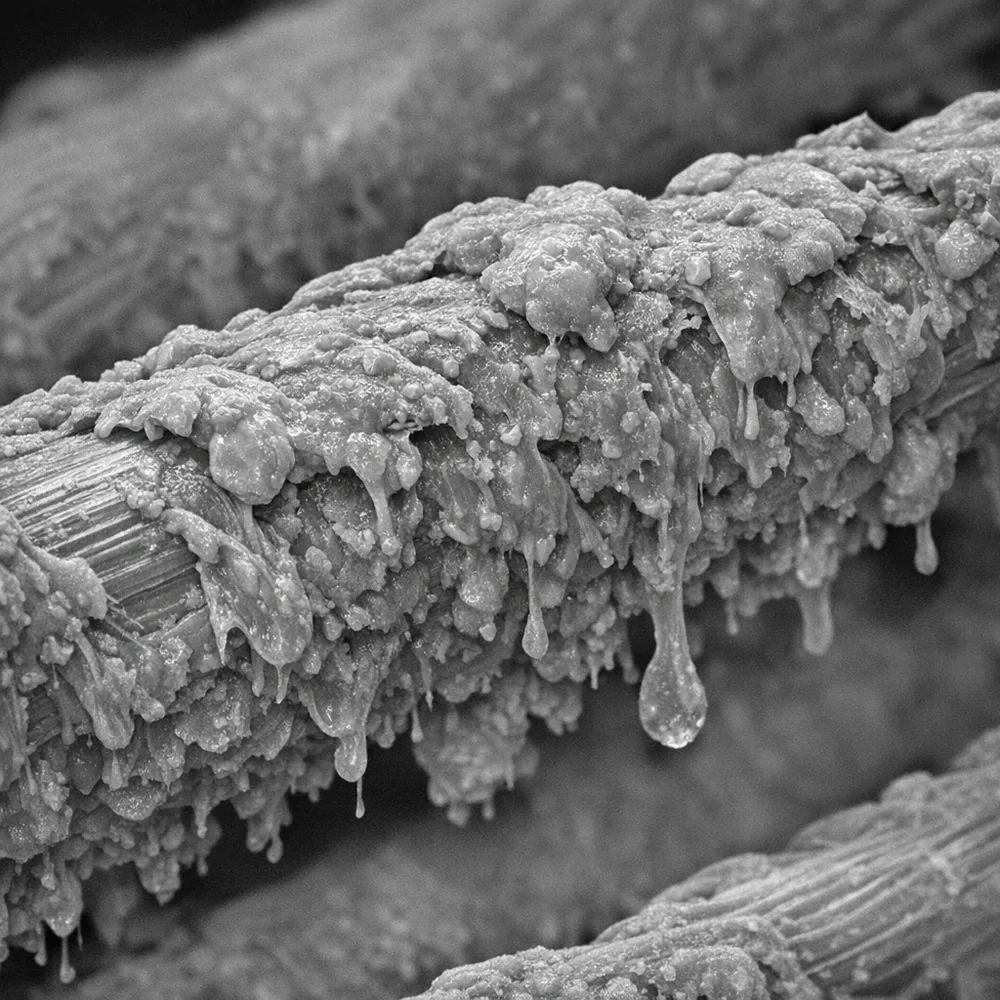
PEG and the resins used in micro-encapsulation often have a cloud point, which is a temperature below which they become less soluble or even precipitate out of solution. In water temperatures below 15°C, scent beads may only partially dissolve, leaving undissolved particles trapped in the folds of the clothing or stuck in the gaskets of the machine. This results in the slug of residue often found in the rubber seal of front-loading washers.
This undissolved residue is more than a cosmetic annoyance. It can become a breeding ground for bacteria and mold. When PEG-based waxes build up in the hidden areas of the machine, they can form a biofilm that produces the very musty odors that scent boosters are designed to hide. This creates a paradox where the over-use of scent products in cold water eventually leads to a less hygienic washing machine.
The Bottom Line Scent boosters need adequate temperature to dissolve completely. In cold water, PEG carriers precipitate out and accumulate as waxy films that attract soil and harbor odor-causing bacteria.
How Wax Residue Accumulates
The cumulative effect of scent boosters, fabric softeners, and detergents can lead to a phenomenon known as scrubbing-resistant buildup.
Traditional softeners use cationic surfactants to provide lubricity, while scent boosters contribute non-ionic waxes and resins. When these substances interact, they can form a complex chemical multilayer on the fiber. This buildup is lipophilic, meaning it attracts and holds onto body oils, skin cells, and environmental pollutants. Over time, this mixture hardens into a water-repellent coating that is difficult for standard detergents to penetrate.
This buildup is the primary target of laundry stripping protocols. The use of high heat and alkaline boosters is required to hydrolyze these wax layers and release the trapped soil. For the home user, the first sign of excessive scent residue is often a sour smell that persists even after a garment is washed, indicating that the fragrance is simply masking a core of bacteria-laden wax buildup within the fiber bundles.
Why Activewear Loses Its Wicking Ability
High-performance activewear relies on wicking, the ability of a fabric to move moisture away from the skin through capillary action.
This process is dependent on the surface tension of the fiber being higher than that of the water. When scent booster residues and PEG carriers coat a synthetic fiber like polyester, they lower the surface energy of the fabric. The result is a hydrophobic surface that causes sweat to bead up on the inside of the garment rather than being pulled to the outside to evaporate. This wetting out effectively destroys the technical advantage of leggings and yoga pants designed for moisture management.
Wicking reduction also contributes to permastink in activewear. Because the wax buildup prevents the detergent from reaching the oils trapped deep in the weave, bacteria can colonize the inner fiber matrix undisturbed. The fragrance from the beads may hide the smell temporarily, but as soon as the body warms up the garment during exercise, the trapped bacterial odors are released. For those prioritizing activewear performance, the use of scent boosters is often a counterproductive strategy.
The Bottom Line Wax residues from scent boosters coat synthetic fibers and reduce surface energy. This destroys moisture wicking, traps sweat against the skin, and creates an environment where odor-causing bacteria thrive.
Flammability Risks on Children’s Sleepwear
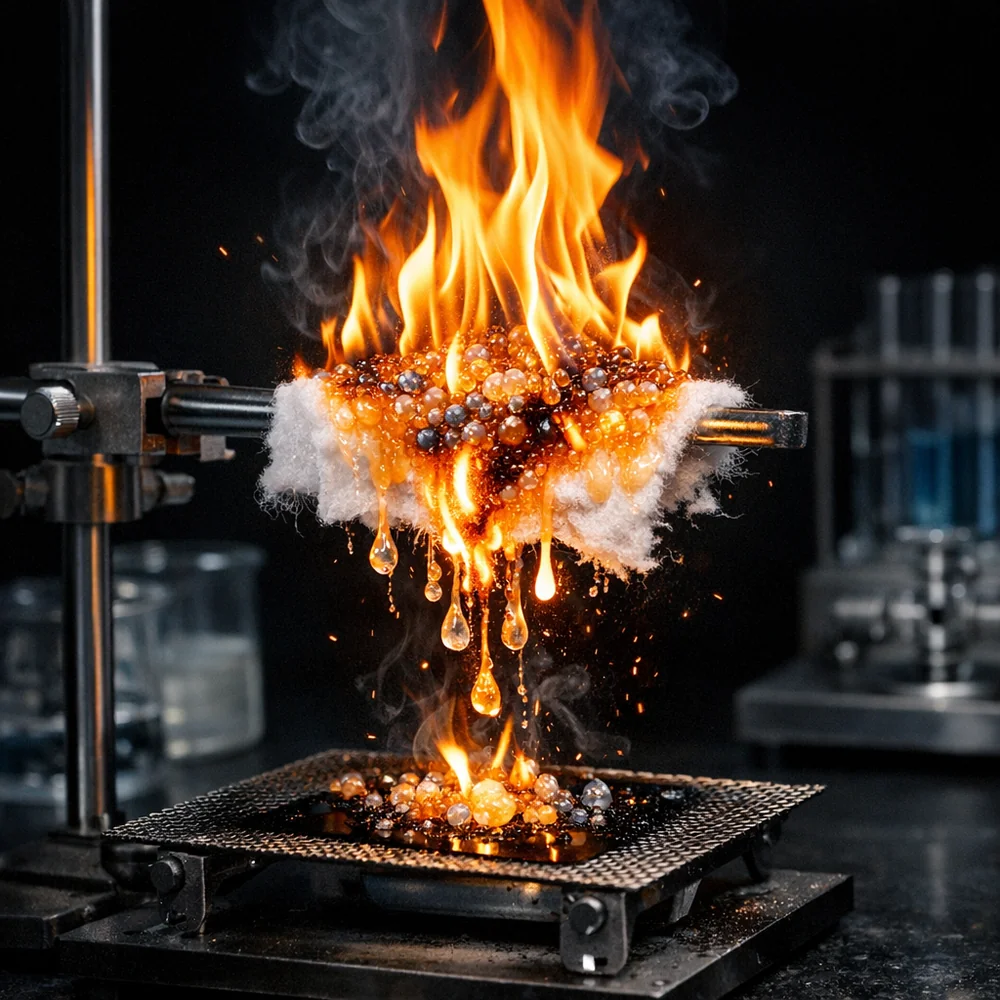
One of the least discussed risks of scent chemistry is the potential impact on the flame resistance of certain textiles.
Children’s sleepwear is often treated with flame retardants or made from fibers like treated polyester that are naturally slow to ignite. The accumulation of oily or waxy residues from scent boosters and fabric softeners can act as fuel that bypasses these safety features. Oils, even when encapsulated in tiny amounts, increase the total combustible content of the fabric surface.
Studies have shown that garments coated in high levels of laundry additives can ignite more easily and burn more intensely than untreated fabrics. This is particularly concerning when combined with the wicking effect of these residues, which can spread a flame across a surface more rapidly. While the risk is low for general apparel, it is significant enough that safety labels on children’s sleepwear often explicitly forbid the use of extra laundry additives that might leave a residue.
The Reality of Allergic Contact Dermatitis
The primary medical concern with scent beads is the potential for allergic contact dermatitis and skin sensitization.
Fragrance is one of the top five allergens in the world. The goal of micro-encapsulation is to keep the fragrance on the cloth, which maximizes the window of exposure for the skin. As the capsules rupture, the concentrated fragrance oils come into direct contact with the skin’s acid mantle. For individuals with sensitive skin, this constant micro-dosing of perfume can lead to redness, itching, and chronic rashes.
Furthermore, some of the shell materials, such as melamine-formaldehyde, can be irritants in their own right. While the industry is moving toward greener chemistries, the fundamental goal of permanent fragrance delivery is at odds with the goal of a laundry routine for eczema which seeks to minimize chemical residues. For those with established sensitivities, the only safe scent load is zero, as even natural encapsulated oils can be potent allergens.
The Bottom Line Fragrance compounds are major allergens, and micro-encapsulation maximizes prolonged skin contact. For sensitive individuals, the constant release of perfume oils from clothing can trigger chronic dermatitis reactions.
How to Layer Scents Safely
If you choose to use scent boosters, the key to safety and fabric longevity is moderation and proper layering.
To avoid excessive buildup, treat scent beads as an occasional luxury rather than a daily necessity. Using a half-dose of beads and skipping the fabric softener can reduce the total polymer load on the fabric while still providing the desired fragrance. Additionally, ensuring that the wash temperature is at least 30°C helps to facilitate the complete dissolution of the PEG carriers.
Layering scents through different products, such as a scented detergent combined with a scented softener and then scent beads, creates a clashing chemical environment that often results in a muddled, overwhelming odor and a heavy layer of residue. Choosing a single source for fragrance and relying on its specific delivery mechanism is far more efficient. For those who enjoy a customized scent profile, adding a few drops of essential oils safely to the detergent can provide a cleaner aromatic experience with less polymeric waste.
Conclusion
Scent chemistry is a marvel of modern material science, offering a way to extend the temporal experience of cleanliness through sophisticated micro-encapsulation technology.
However, the pursuit of forever freshness carries hidden costs for both the garment and the wearer. The waxy residues that enable scent retention are the same compounds that reduce moisture wicking, attract soil, and increase flammability risks. The chemical load of PEG and resins can lead to a less hygienic machine and skin sensitivities that outweigh the aesthetic benefits of the fragrance.
By understanding the mechanics of scent beads, you can use them more intelligently. Success lies in balancing the desire for aromatic impact with the physical needs of the fabric. Choosing to use these products selectively, maintaining proper wash temperatures, and avoiding the feedback loop of nose blindness ensures that clothes stay fresh without compromising their technical performance or safety. A truly clean garment is one that is free from excessive residues, allowing its original fibers to breathe and perform as intended.
References
- Journal of Controlled Release. “Micro-encapsulation Systems for Fragrance Delivery in Consumer Products.” ScienceDirect
- Textile Research Journal. “The Impact of Laundry Additives on the Wicking and Vapor Permeability of Synthetic Polyesters.” Sage Journals
- Environmental Science & Technology. “Persistence and Environmental Load of Melamine-Formaldehyde Microplastics from Laundry Scent Boosters.” ACS Publications
- Contact Dermatitis. “Allergen Exposure to Encapsulated Perfumes in Household Detergents.” Wiley Online Library
- Fire and Materials. “The Effect of Fabric Softeners and Scent Boosters on the Flammability of Children’s Sleepwear.” Wiley