Hospital-Grade Laundry Standards: How to Sanitizing Clinical Textiles
Table of Contents
Things You'll Learn From This Article:
- Clean hospital linens aren’t just about looking white; they’re processed so germs are reduced to almost zero.
- Heat matters a lot—hospital laundry uses very hot water (around 160°F / 71°C) for long enough to actually kill bacteria and viruses.
- Dirty and clean linens are kept completely separate so germs from used sheets don’t drift back onto clean ones.
- Soiled laundry is handled as little as possible to protect workers, especially from hidden needles or sharp objects.
- Washing scrubs at home can spread hospital germs into your house because home machines usually don’t get hot enough.
- Special industrial machines are designed so laundry goes in dirty on one side and comes out clean on the other, with no crossover.
- Even clean-looking sheets are tested for tiny traces of blood or body fluids, since those can help germs grow again.
- Some germs, like C. diff, are extremely tough and need stronger chemicals and more aggressive washing to remove them.
- Laundry chemicals are carefully measured so they kill germs without damaging fabric or irritating skin.
- The final rinse is adjusted to match normal skin pH, which helps prevent skin irritation and bedsores in patients.
- Airflow, storage, and transport of clean linens are controlled so dust and germs don’t settle back onto them.
- Hospital laundry follows written rules and training programs so everyone handles textiles the same safe way every time.
Hospital-grade laundry standards represent the absolute pinnacle of industrial hygiene where the processing of textiles is managed with the same level of scientific rigor as the sterilization of surgical instruments. In a healthcare environment, linens serve as a common vector for the transmission of multi-drug resistant organisms (MDROs) and other nosocomial pathogens. To break the chain of infection, hospital laundries must adhere to a “triple-threat” approach of high-temperature thermal disinfection, aggressive oxidative chemistry, and absolute physical isolation of clean and dirty textiles. These protocols are meticulously designed to ensure that the microbial load on a “clean” sheet is indistinguishable from zero.
The complexity of healthcare textile management is driven by the diversity of the pathogen profiles encountered in acute care settings. From the highly resilient spores of Clostridium difficile to the lipid-enveloped viruses like Influenza and HIV, the laundering process must be broad-spectrum and fail-safe. Moreover, you must maintain the physical integrity of the laundry to ensure that textiles do not cause skin friction or contribute to the formation of decubitus ulcers (bedsores). This article analyzes the technical benchmarks and regulatory frameworks that define clinical-grade textile processing.
CDC Guidelines for Healthcare Textiles
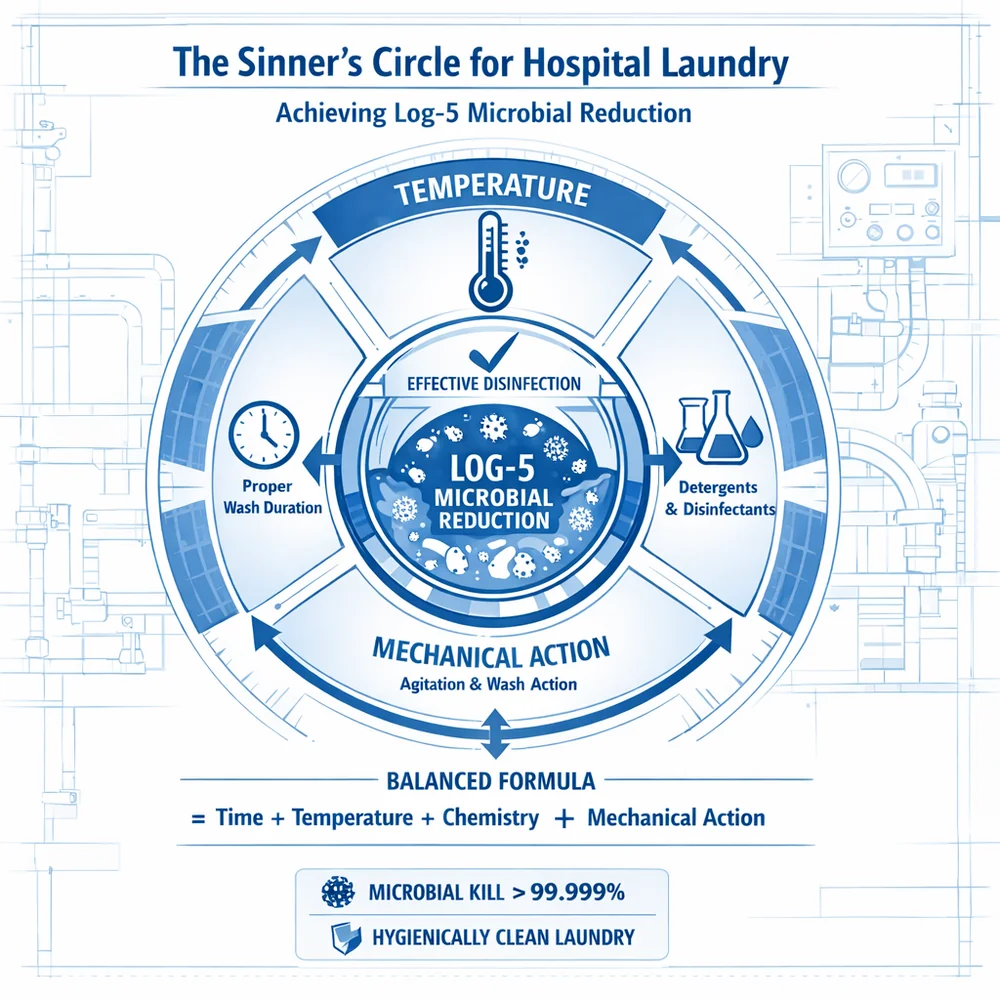
The primary authority for healthcare laundry in the United States is the Centers for Disease Control and Prevention (CDC) which publishes comprehensive guidelines for the environmental control of textiles. The CDC framework emphasizes the importance of maintaining a “steady-state” of cleanliness throughout the entire life cycle of the linen. Key to this is the requirement for a minimum wash temperature of 71°C (160°F) for at least 25 minutes. This thermal threshold is specifically calculated to ensure the denaturation of the most common healthcare-associated pathogens.
CDC guidelines also address the logistics of transport and storage. Clean linens must be packaged or covered during transport to protect them from environmental dust and accidental contact with staff or patients. Furthermore, the guidelines mandate that healthcare facilities implement a documented training program for all persons handling laundry emphasizing the use of biohazard laundry protocols for soiled items. These standards provide a legal and technical baseline that ensures consistency across different facilities regardless of whether the laundry is processed on-premise or outsourced to an industrial plant.
The Bottom Line CDC healthcare laundry standards are built on the foundational concept of “thermal/chemical synergy.” The interaction of a 71°C wash temperature with oxidative chemicals ensures a level of pathogen reduction that exceeds the requirements for standard hospitality or domestic laundering.
Thermal Death Point of Pathogens
In the context of industrial disinfection, the “Thermal Death Point” (TDP) refers to the lowest temperature at which all microorganisms of a specific species in a liquid suspension are killed across a specified duration. For the majority of vegetative bacteria found in hospital settings such as Staphylococcus aureus and E. coli, the TDP is well below 65°C (149°F). However, certain viruses and fungal spores require significantly higher thermal energy to achieve total inactivation. Hospital-grade cycles are engineered to exceed the TDP of the most resilient targets encountered in the daily load.
The kinetics of thermal death follow a logarithmic decay model which means that every degree of increase in temperature results in a proportionally greater reduction in the time required for disinfection. Industrial programmers utilize these “D-values” (the time required to kill 90% of the population at a specific temperature) to design wash cycles that provide a “safety buffer.” By maintaining the wash at 71°C for 25 minutes, you provide an energy throughput that is several times greater than the minimum required for standard pathogen elimination. This over-engineering is what guarantees the microbial safety of the linen in high-risk environments like Neonatal Intensive Care Units (NICUs).
Handling Contaminated Sharps in Linens
One of the most significant safety hazards in hospital laundry is the presence of “hidden sharps” such as needles, scalpels, and broken glass that are accidentally discarded into the bedding by busy clinical staff. These items pose a severe risk of percutaneous injury and the potential transmission of bloodborne pathogens like Hepatitis B and HIV. Hospital-grade protocols mandate a “zero-search” policy where bags of soiled linens are never opened or sorted by hand. Instead, they are loaded directly into the washer using hydraulic lifters or water-soluble bags to minimize human contact.
In facilities processing surgical linens, specialized magnetic and high-frequency metal detectors are often installed along the intake conveyor belts. These systems can detect a 22-gauge needle buried underneath several layers of fabric and automatically pause the belt for manual removal by trained personnel using puncture-resistant tweezers. Furthermore, hospital laundry contracts include “sharps penalty” clauses to incentivize clinical departments to adhere to proper source-point disposal. By treating sharps management as a high-priority technical challenge, you can protect your workers and maintain the operational flow of the laundry plant.
The Bottom Line Sharps management in healthcare laundry relies on “no-touch” handling and mechanical detection. By eliminating the manual sorting of soiled bags, facilities decouple the risk of infectious needle-sticks from the daily workflow of the laundry operator.
Washing Uniforms and Scrubs at Home Risks
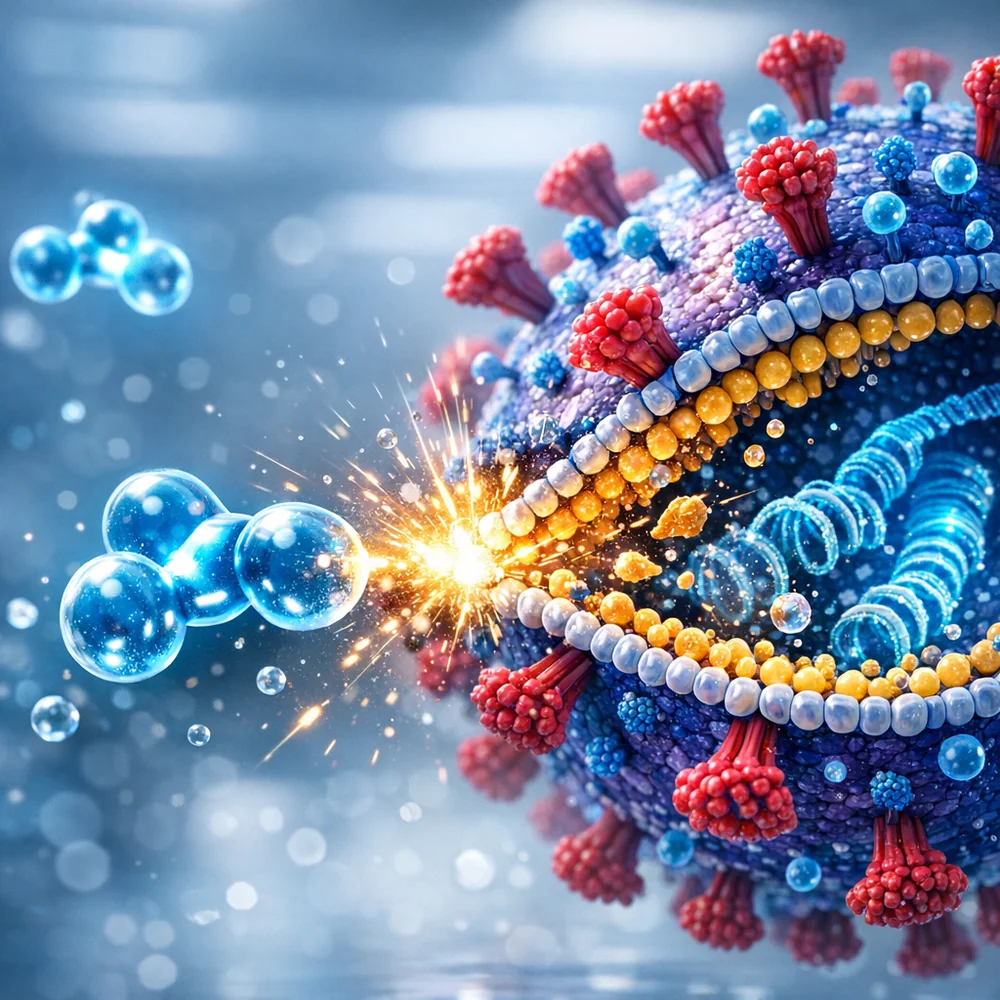
A persistent challenge in healthcare hygiene is the practice of staff washing their clinical uniforms and scrubs at home. Domestic washing machines rarely reach the 71°C thermal threshold required for hospital-grade disinfection and home laundry cycles are often too short to ensure the total removal of pathogenic biofilms. Furthermore, transporting contaminated scrubs from the hospital to the home creates a potential “take-home” risk where pathogens like MRSA can be introduced into the family environment.
Professional hospital laundries discourage home laundering for any staff working in high-risk zones. The specialized industrial chemicals such as high-alkalinity builders and chlorine bleach in concentrations of 50-150 ppm provide a level of bacterial log-reduction that domestic detergents cannot match. Moreover, the high-heat drying and industrial pressing processes provide additional stages of thermal sanitization. For hospitals aiming for the highest levels of patient safety, providing an on-site scrub exchange program with professional laundry workflow optimization is a mandatory component of their infection control strategy.
Barrier Washing Machines Explained
The most effective mechanical defense against cross-contamination in a clinical laundry is the barrier-wall washing machine. These specialized extractors are installed through a structural wall that separates the “dirty” intake side of the plant from the “clean” finishing side. The machine features two interlocked doors where once a load is started from the dirty side, the dirty-side door is locked and only after the full disinfection cycle is complete can the clean-side door be opened. This ensures that the air, personnel, and moisture from the soiled side are physically excluded from the clean environment.
The design of a barrier facility also incorporates “positive air pressure” in the clean zone. This ensures that when doors are opened, the air flows away from the clean linens and toward the dirty intake preventing any airborne particulates from settling on disinfected textiles. Barrier machines often include sophisticated data logging systems that track the temperature and chemical concentration of every load providing an auditable record of the hospital-grade sanitization protocols. For facilities processing linens contaminated with high-consequence pathogens, the use of barrier technology is a non-negotiable standard for safety.
The Bottom Line Barrier washing is a physical fail-safe that overrides human error. By locking the “clean” and “dirty” sides of the plant through a structural and mechanical divide, facilities ensure that cross-contamination is architecturally impossible.
Testing for Protein Residue on “Clean” Linen
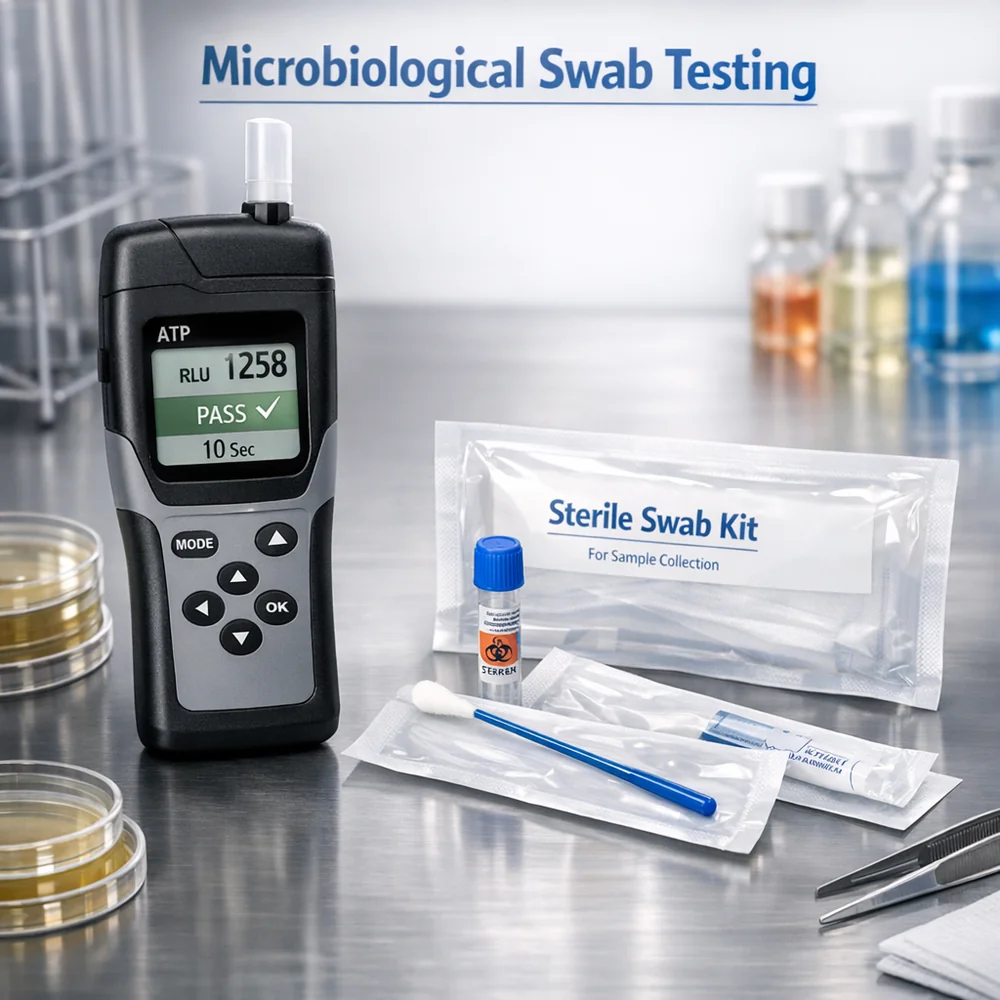
To verify the effectiveness of the laundry process, hospital-grade operations utilize protein detection tests (such as the fluorescein or ninhydrin tests) on finished linens. While a sheet may look white, it could still harbor microscopic protein residues from blood or body fluids that can serve as a substrate for microbial regrowth. These tests involve swabbing a section of the linen and applying a chemical reagent that changes color in the presence of even trace amounts of peptide chains.
If a batch of linen fails a protein residue test, you must effectively flag it for a “salvage cycle” involving higher concentrations of protease enzymes and extended wash times. Regular residue testing is part of a comprehensive Quality Assurance (QA) program that also includes microbiological “contact plate” tests. This data-driven approach allows the facility manager to identify if a specific machine is losing its chemical dosing accuracy or if the steam supply is failing to maintain the required temperatures. High-standard healthcare laundries rely on these invisible metrics to ensure their output is safe for even the most immunocompromised patients.
Clostridium Difficile Spore Elimination
Clostridium difficile (C. diff) represents one of the most difficult pathogens to eradicate in a laundry setting because it produces highly resistant spores that can survive extreme temperatures and many common disinfectants. Standard thermal cycles that kill vegetative bacteria are often insufficient for C. diff spores. To ensure elimination, hospital-grade laundry must utilize high concentrations of sodium hypochlorite (500-1000 ppm) during the wash cycle. Chlorine is one of the few chemicals capable of penetrating the thick outer shell of the spore and destroying the internal genetic material.
In addition to aggressive chemistry, you must optimize the mechanical action of the wash cycle to physically “scour” the spores from the cotton fibers. Tunnel washers with high-turbulent zones are more effective for this than gentle extractors. The linens must also be subjected to high-speed centrifugal extraction to ensure that any suspended spores are removed with the wastewater rather than being redeposited on the fabric. Handling C. diff loads requires strict adherence to RABC risk analysis biocontamination control to prevent the spores from contaminating the sorting belts or transport carts.
The Bottom Line C. diff eradication requires a specific synergy of “scouring” mechanical action and high-concentration chlorine oxidation. Without these specific parameters, the resilient spores can survive the laundering process and lead to environmental re-colonization in the clinical zone.
pH Neutralization to Prevent Bedsores
While aggressive alkalinity (pH 11.0+) is necessary for soil removal, the final state of the clinical linen must be slightly acidic to protect the patient’s skin barrier. Residual alkalinity in sheets can react with skin moisture to cause chemical irritation and “micro-burns” which are the primary precursors to decubitus ulcers (bedsores). Hospital-grade laundry protocols include a “souring” step in the final rinse where organic acids like phosphoric or silicic acid are injected to bring the fabric pH to 5.5-6.5 matching the natural pH of human skin.
Technicians must titrate the pH of the final rinse water and the fabric itself daily to ensure consistency. This process also helps to neutralize any residual chlorine which can weaken the fabric and irritate the skin. Using softened water is essential for this step because hard water minerals can interfere with the souring chemistry and lead to the formation of “harsh” mineral crystals in the fibers. By prioritizing the final pH of the textile, the hospital laundry contributes directly to the clinical goal of skin integrity and patient comfort.
Conclusion
The science of hospital-grade laundry is a vital component of modern infection control. By strictly adhering to CDC guidelines and understanding the thermodynamics of pathogen thermal death points, healthcare laundries transform potentially hazardous waste into a sterile clinical tool. From the architectural precision of barrier-wall washing machines to the molecular management of fabric pH, every choice is predicated on the goal of patient safety.
The prevention of sharps injuries and the elimination of resilient pathogens like C. diff demonstrate the high stakes of this industrial discipline. Ultimately, the standard for healthcare textiles is not measured by whiteness alone but by the absence of protein residues and microbial colonization. The implementation of rigorous testing and biocontamination verification ensures that the hospital laundry plant functions as a sterile pharmaceutical environment. As we encounter increasingly resistant pathogens, the role of these advanced laundry standards in breaking the chain of infection will only become more critical.
References
- Centers for Disease Control and Prevention. “Guidelines for Environmental Infection Control in Health-Care Facilities: Laundry and Bedding.” CDC
- Healthcare Laundry Accreditation Council. ” HLAC Standards for Healthcare Textile Processing.” HLAC
- Journal of Hospital Infection. “The Role of Textiles in the Transmission of Nosocomial Pathogens.” Elsevier
- American Journal of Infection Control. “Efficacy of Commercial Laundry in Eradicating Clostridium difficile Spores.” APIC
- Textile Research Journal. “Impact of Laundry Chemistry on Textile Fiber Friction and Skin Physiology.” Sage Journals