Firefighter Gear Decon: How to Clean Turnout Gear Safely (NFPA 1851)
Table of Contents
Things You'll Learn From This Article:
- Dirty turnout gear isn’t just smelly—it can carry cancer-causing chemicals that soak into your skin if you don’t clean it properly.
- Rinsing gear at the scene right after a fire can remove most of the surface toxins and keep them from spreading into trucks and stations.
- Gear needs professional “advanced cleaning” at least every six months, and immediately after any fire with smoke or hazardous exposure.
- Home washers and regular laundry detergents aren’t safe for turnout gear and can fail to remove dangerous contaminants.
- The wrong soap or the wrong pH can damage the fibers that protect you from heat, even if the gear looks fine afterward.
- Chlorine bleach and brighteners can permanently weaken fire-resistant materials, even after one wash.
- Spinning or drying gear too fast or too hot can ruin the moisture barrier that protects you from steam burns and fluids.
- Air-drying or low-heat forced-air drying is the safest way to dry turnout gear without damaging it.
- The moisture barrier needs regular testing, because damage isn’t always visible but can still put you at risk.
- SCBA masks need careful cleaning and low-heat drying since they sit directly on your face and lungs.
- Bagging contaminated gear right after a fire helps stop toxins from spreading to vehicles, stations, and even your home.
- Keeping records of cleanings and inspections isn’t paperwork for its own sake—it proves the gear was cared for correctly.
- Verified professional service providers are trained and audited to clean gear without reducing its protective performance.
- Proper decontamination protects both your health and the full service life of your turnout gear.
- Clean gear is lighter, safer, and more comfortable, which directly affects how well you can do your job.
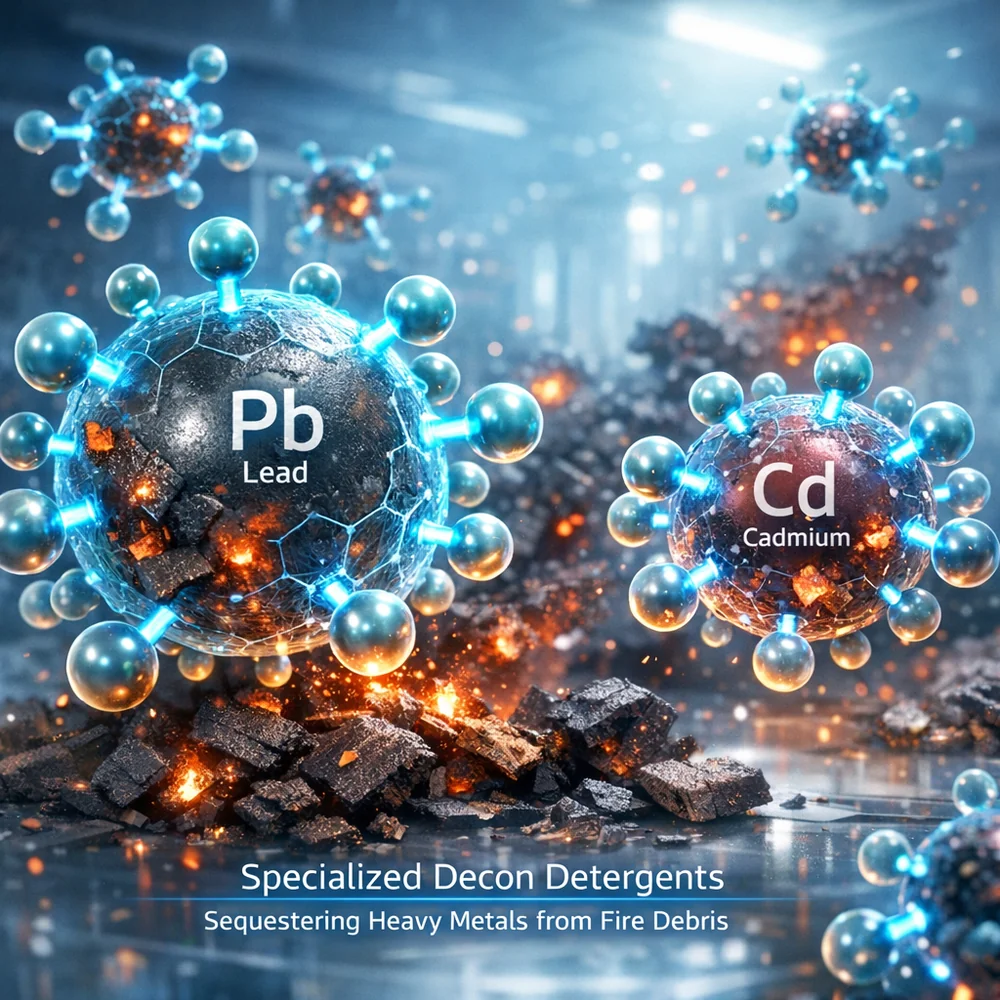
Decontaminating firefighter turnout gear is a critical health intervention in an industry facing an epidemic of occupational cancer. During a fire incident, protective ensembles are exposed to a “toxic cocktail” of combustion products including polycyclic aromatic hydrocarbons (PAHs), heavy metals, volatile organic compounds (VOCs), and per- and polyfluoroalkyl substances (PFAS). These carcinogens can be absorbed through the skin if the gear is not properly cleaned which makes the laundering process a vital component of firefighter safety. The science of turnout gear decontamination is governed by the NFPA 1851 standard which mandates a transition from simple “washing” to a rigorous process of “advanced cleaning” and “preliminary exposure reduction.”
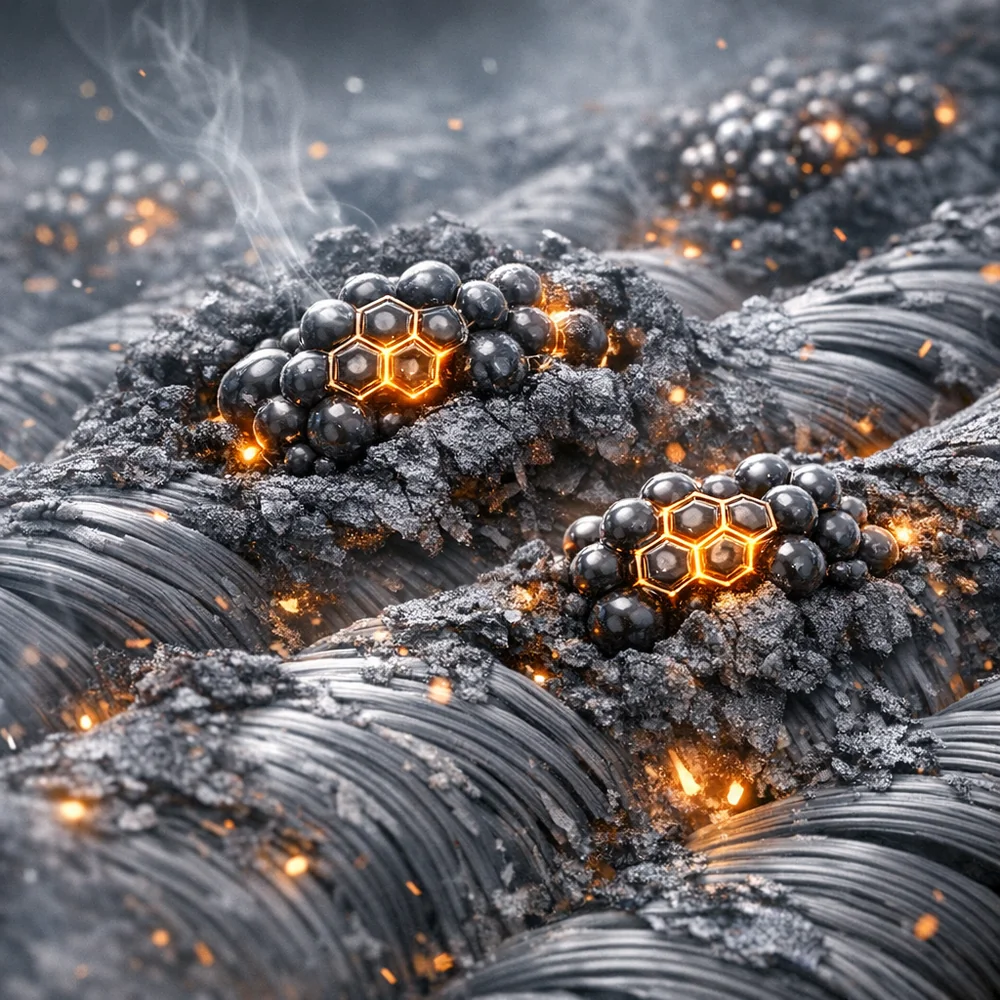
Advanced decontamination requires you to have a deep understanding of the molecular interactions between carcinogens and the specialized materials used in turnout gear such as Nomex, Kevlar, and PBI. These fibers are engineered for thermal protection but can trap contaminants within their microscopic structure if not processed correctly. Professional decon protocols utilize programmable washer-extractors and specialized “carcinogen-removing” detergents that can achieve a 50% or greater reduction in heavy metal and organic contamination. This article examines the technical benchmarks and mechanical systems that define the modern standards for structural fire fighting ensemble maintenance.
NFPA 1851 Advanced Cleaning Frequency
The NFPA 1851 (2020 Edition) “Standard on Selection, Care, and Maintenance of Protective Ensembles for Structural Fire Fighting” mandates a strict schedule for the advanced cleaning of turnout gear. Every ensemble must undergo a professional advanced cleaning at least once every six months with at least one cleaning coinciding with the mandatory annual advanced inspection. However, this is a minimum requirement because any gear that has been exposed to products of combustion or hazardous materials must be subjected to advanced cleaning immediately after the incident. This ensures that carcinogens are not allowed to “dwell” on the fabric where they can migrate through the layers and contact the wearer’s skin.
The frequency of cleaning is also a factor in the “mechanical life” of the gear. While frequent cleaning is essential for health, improper laundering can degrade the reflective trim and the moisture barrier. Professional facilities must document the number of “advanced cleanings” for every garment utilizing an RFID or barcode tracking system. This administrative rigor is a core component of industrial laundry workflow optimization ensuring that the department can prove its compliance with safety standards during an audit or a health and safety investigation.
The Bottom Line NFPA 1851 mandates a “bi-annual minimum” for advanced cleaning, but immediate incident-based cleaning is the primary defense against carcinogen absorption. Documentation of these cleaning cycles is as critical as the cleaning process itself for departmental liability and firefighter health.
Carcinogen Removal Chemistry (PAHs/VOCs)
The primary targets of turnout gear decontamination are polycyclic aromatic hydrocarbons (PAHs) and volatile organic compounds (VOCs) which are pervasive products of modern structure fires involving synthetic materials. These chemicals are highly lipophilic (oil-attracting) and tend to bond strongly with the organic fibers of the outer shell. To break these bonds, professional detergents utilize “micelle-encapsulation” technology. These detergents contain surfactants with a high affinity for PAHs allowing them to lift the carcinogens from the fabric and hold them in suspension in the wash liquor so they can be rinsed away.
The pH of the cleaning agent is a critical variable in turnout gear chemistry. NFPA 1851 specifies that detergents must have a pH between 6.0 and 10.5. Solutions that are too alkaline can damage the aramid fibers and cause the delamination of the moisture barrier while solutions that are too acidic may fail to emulsify heavy greases and oils. Masterful decon involves using “builder-free” detergents that maximize cleaning energy without compromising the thermal integrity of the ensemble. This level of chemical precision is what distinguishes a professional decon service from a standard laundry that might use inadequate industrial vs home detergent formulas.
Preliminary Exposure Reduction (Gross Decon)
NFPA 1851 (2020) introduced a mandatory requirement for “Preliminary Exposure Reduction” (PER), also known as gross decontamination, at the scene of every fire incident. This immediate action involves using water and a soft-bristle brush to remove surface-level soot and debris before the firefighter leaves the “hot zone.” Studies have shown that a rigorous PER process can remove up to 85% of the surface-level contaminants which significantly reduces the “off-gassing” of VOCs inside the transport vehicle and the fire station.
During PER, firefighters should remain on air (SCBA) to prevent the inhalation of aerosolized particulates. The goal is to “wet-down” the gear and scrub the areas with the highest exposure such as the hood, gloves, and knees. Once PER is complete, you should bag and seal the contaminated gear in “impermeable containers” for transport to the laundry facility. This containment protocol prevents carcinogens from transferring to the interior of the fire truck which is a critical measure in reducing take-home toxin risks for the entire crew.
The Bottom Line Preliminary exposure reduction is the “first barrier” in the decon chain. By removing 85% of contaminants on-scene, departments drastically lower the concentration of VOCs and PAHs that would otherwise be transported back to the fire station and living quarters.
Managing Turnout Gear Moisture Barriers
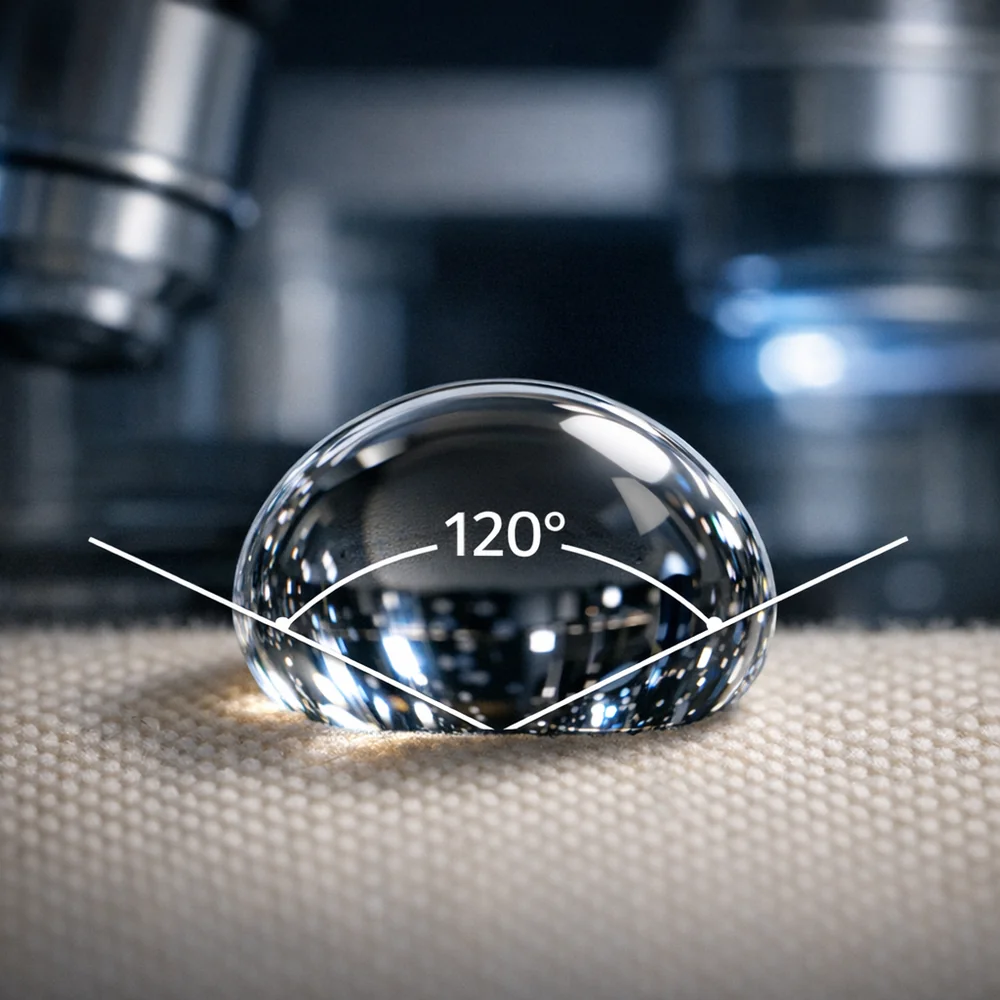
The most sensitive component of a turnout gear ensemble is the moisture barrier which is a thin microporous membrane (often made of PTFE or ePTFE) that prevents liquid water and pathogens from entering while allowing metabolic heat to escape. If this barrier is damaged during laundering, the firefighter is at risk of steam burns and exposure to bloodborne pathogens. Professional washer-extractors for turnout gear must be programmed with “controlled extraction G-force” that does not exceed 100 Gs. Excessive spin speed can cause the “delamination” of the membrane from its substrate fabric.
To verify the integrity of the moisture barrier, NFPA 1851 requires a “Hydrostatic Pressure Test” (the “cup test”) after every advanced cleaning. This involves applying a specific pressure of water to the membrane to see if any liquid penetrates through. If a barrier shows signs of leaking, it must be repaired or replaced by a verified Independent Service Provider (ISP). The preservation of these specialized membranes is a primary reason why fire departments are increasingly shifting from on-premise laundry to outsourced laundry service with verified ISPs who specialize in turnout gear maintenance.
SCBA Mask Sanitization Protocols
Self-Contained Breathing Apparatus (SCBA) masks are a primary vector for contamination because they are in direct contact with the firefighter’s face and respiratory system. After a fire incident, the mask is often covered in “black soot” that is rich in PAHs and heavy metals. Sanitization involves a three-step process of manual gross cleaning, a deep-clean in an ultrasonic bath or specialized mask washer, and a final disinfection step with an EPA-registered virucide. These virucidal agents are necessary to ensure the mask is free of respiratory pathogens from the wearer.
Mask washers represent a significant advancement in firefighter hygiene. These machines use low-pressure, high-volume water and specialized detergents to reach the “nooks and crannies” of the mask that are impossible to clean by hand. Furthermore, you must dry the mask at low temperatures (typically below 40°C/105°F) to prevent the silicone face-seal from cracking and the polycarbonate lens from fogging. Proper mask decon ensures that the “clean air” provided by the SCBA cylinder is not compromised by a contaminated mask interface.
The Bottom Line SCBA mask decon requires a clinical approach to both “soot removal” and “microbial disinfection.” By utilizing specialized mask washers and EPA-registered virucides, departments protect the firefighter’s airway from both carcinogenic dusts and infectious diseases.
Prohibiting Chlorine Bleach for Aramid Fibers
One of the strictest prohibitions in firefighter laundry is the use of chlorine bleach (sodium hypochlorite) and other halogenated oxidants. Aramid fibers such as Nomex and Kevlar are highly susceptible to “oxidative degradation” when exposed to chlorine. Even a single wash cycle with bleach can significantly reduce the tensile strength of the outer shell and permanently damage the flame-resistant (FR) properties of the material. Instead of chlorine, professional decon facilities use “peroxygen-based” oxidants or specialized enzymes for stain removal.
This prohibition extends to any detergent that contains “optical brighteners” because these chemicals can leave a residue that interferes with the thermal-imaging visibility of the gear and may even be flammable. Firefighters must be trained to recognize the difference between industrial vs home detergent formulas because many domestic detergents contain “hidden” bleach or brighteners. By maintaining a “no-bleach” environment in the washroom, facilities ensure that turnout gear provides its full rated thermal protection for its entire 10-year service life.
Drying Racks and Low-Heat Cabinets
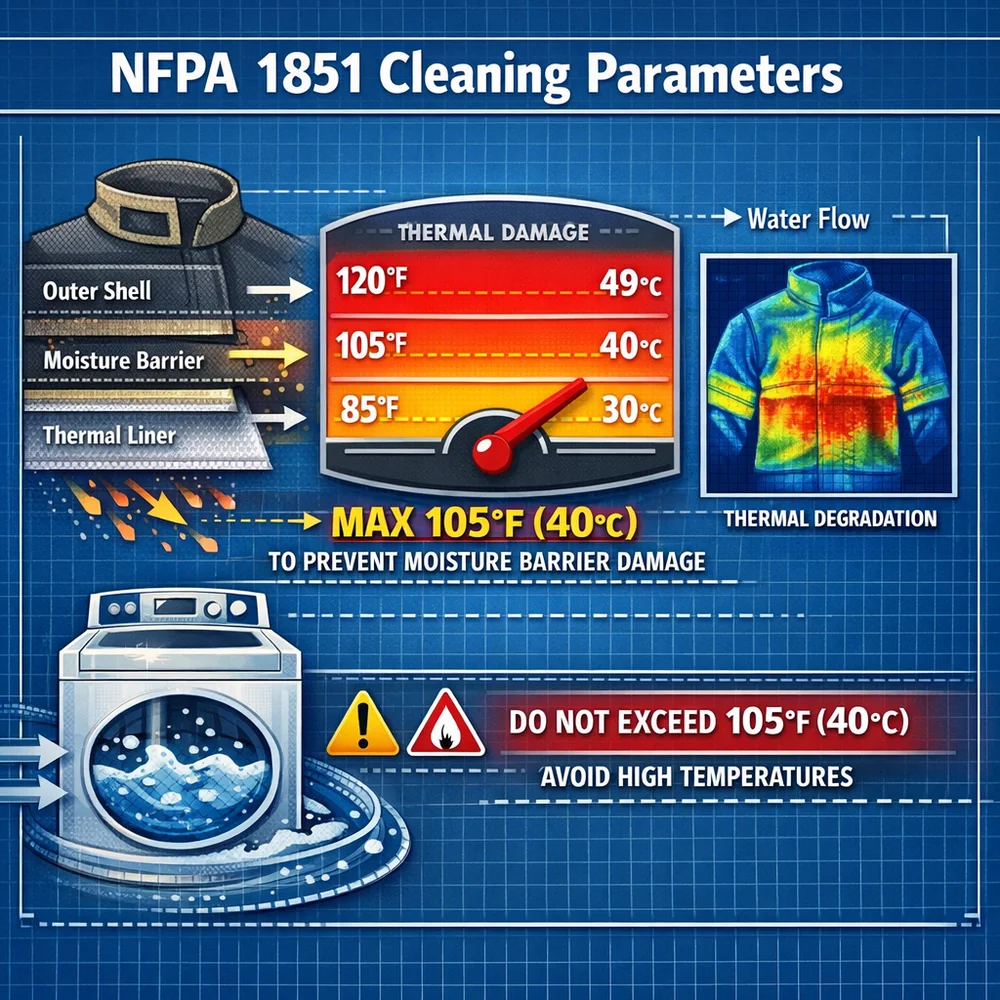
Drying is the final and critical step in the turnout gear decon process. NFPA 1851 prohibits using high-heat mechanical tumblers for drying turnout gear because temperatures above 40°C (105°F) can cause aramid fibers to become brittle and the moisture barrier to shrink. Instead, you should air-dry gear or use “forced-air” drying racks or specialized drying cabinets. These systems blow high-volume ambient-temperature air through the interior of the garments which removes moisture from the thick thermal liners without inducing thermal stress.
Drying racks are particularly effective because they can be configured to dry the “inner” and “outer” layers simultaneously. Proper drying also helps prevent the growth of mildew and bacteria within the damp layers of the gear which can lead to odors and skin infections. A fully dried garment is also lighter and more comfortable for the firefighter to wear. By integrating forced-air drying with the barrier washing machines workflow, decon facilities ensure that the gear is returned to service in a “premium” state of readiness.
The Bottom Line High-heat drying is a primary cause of turnout gear failure. By utilizing ambient forced-air racks and low-heat cabinets, professional facilities preserve the structural integrity and thermal performance of aramid fibers and membrane barriers.
Independent Service Provider (ISP) Verification
To ensure the highest level of safety, many fire departments utilize Independent Service Providers (ISPs) that are “verified” to meet the requirements of NFPA 1851. These providers are audited by third-party agencies such as Intertek or UL to prove their competence in cleaning, inspecting, and repairing turnout gear. Verified ISPs must demonstrate that their cleaning processes achieve a 50% or higher reduction in specific surrogate contaminants and that their repairs do not compromise the “flame-resistant” (FR) rating of the ensemble.
ISP verification provides an added layer of liability protection for your fire department. In the event of an injury or illness, the department can prove that they followed the “best practices” of the industry by utilizing a certified professional. Verification also ensures that the equipment and chemicals used are within the parameters specified by the gear manufacturer. For any department serious about its “cancer prevention” initiative, using an ISP with a documented RABC EN14065 certification or equivalent verification is a non-negotiable standard.
Conclusion
The science of firefighter turnout gear decontamination is a high-stakes application of industrial hygiene that directly impacts the life expectancy of first responders. By strictly adhering to NFPA 1851 standards and leveraging advanced cleaning chemistry, fire departments can significantly reduce the “carcinogenic burden” on their members. The transition from gross decontamination at the fire scene to professional “advanced cleaning” in a verified facility forms a comprehensive shield against occupational cancer.
Ultimately, turnout gear maintenance is about more than just keeping it clean; it is about preserving the life-saving technical properties of specialized fibers and membranes. A commitment to this technical discipline, from prohibiting chlorine bleach to using low-heat drying racks, is the most effective way to protect those who protect the community. As we continue to develop even more sophisticated decon technologies and carcinogen-removing detergents, the role of professional laundry science will remain a critical pillar of firefighter health and safety.
References
- National Fire Protection Association. “NFPA 1851: Standard on Selection, Care, and Maintenance of Protective Ensembles for Structural Fire Fighting and Proximity Fire Fighting (2020 Edition).” NFPA
- Journal of Occupational and Environmental Hygiene. “Efficacy of Decontamination Methods for Removing Carcinogens from Firefighter Personal Protective Equipment.” Taylor & Francis
- Firefighter Cancer Support Network. “Healthy In, Healthy Out: Best Practices for Firefighter Health and Safety.” FCSN
- International Association of Fire Fighters. “Cancer Prevention in the Fire Service: An Industrial Hygiene Perspective.” IAFF
- Textile Research Journal. “Impact of Repeated Laundering on the Thermal and Mechanical Performance of Aramid Firefighting Fabrics.” Sage Journals