Biohazard Laundry Protocols: How to Wash Contaminated Linen Safely
Table of Contents
Things You'll Learn From This Article:
- Treat all contaminated linen as infectious, even if it doesn’t look dangerous, to avoid accidental exposure.
- Use clearly marked or color-coded bags so risky laundry is identified and handled differently from the start.
- Water‑soluble laundry bags let you load dirty linen into machines without touching it, lowering the chance of contact with germs or sharps.
- High heat matters more than a normal wash—very hot water held for long enough is key to killing most pathogens.
- Bleach isn’t just for whitening; at the right strength and pH, it helps destroy viruses and bacteria that heat alone may miss.
- Wearing the right protective gear (gloves, gowns, face shields) protects you from splashes, hidden sharps, and contaminated fabric.
- Keep dirty and clean laundry completely separate, with one‑way movement from soiled to clean to prevent mix‑ups.
- Watch for needles or broken glass in linens, and stop the process immediately if one is found to protect staff from injury.
- Barrier washing machines physically separate dirty loading areas from clean unloading areas, reducing mistakes and cross‑contamination.
- Clean laundry can be re‑contaminated by dirty carts, so carts and trucks need regular, documented sanitizing too.
Handling biohazardous textiles is one of the most critical challenges in industrial hygiene because the goal shifts from making things look clean to ensuring they are absolutely safe. Contaminated linens often contain bloodborne pathogens, viruses, and drug-resistant bacteria that require a specialized workflow far beyond standard washing practices. You need to maintain the integrity of the process through physical containment, high heat, and aggressive chemical disinfection. Every step of the protocol is designed to eliminate the risk of cross-contamination and protect both the staff and the people using the linens.
From a scientific perspective, biohazard decontamination involves permanently destroying viral proteins and breaking down cellular membranes. You achieve this through the precise application of heat and oxidative stress at levels much higher than what you would use at home. This complex system requires you to strictly follow regulatory frameworks that dictate exactly how your equipment must work and what chemicals you must use. This guide explores the scientific foundations and operational requirements you need to know for high-risk laundry processing.
OSHA Bloodborne Pathogen Standards
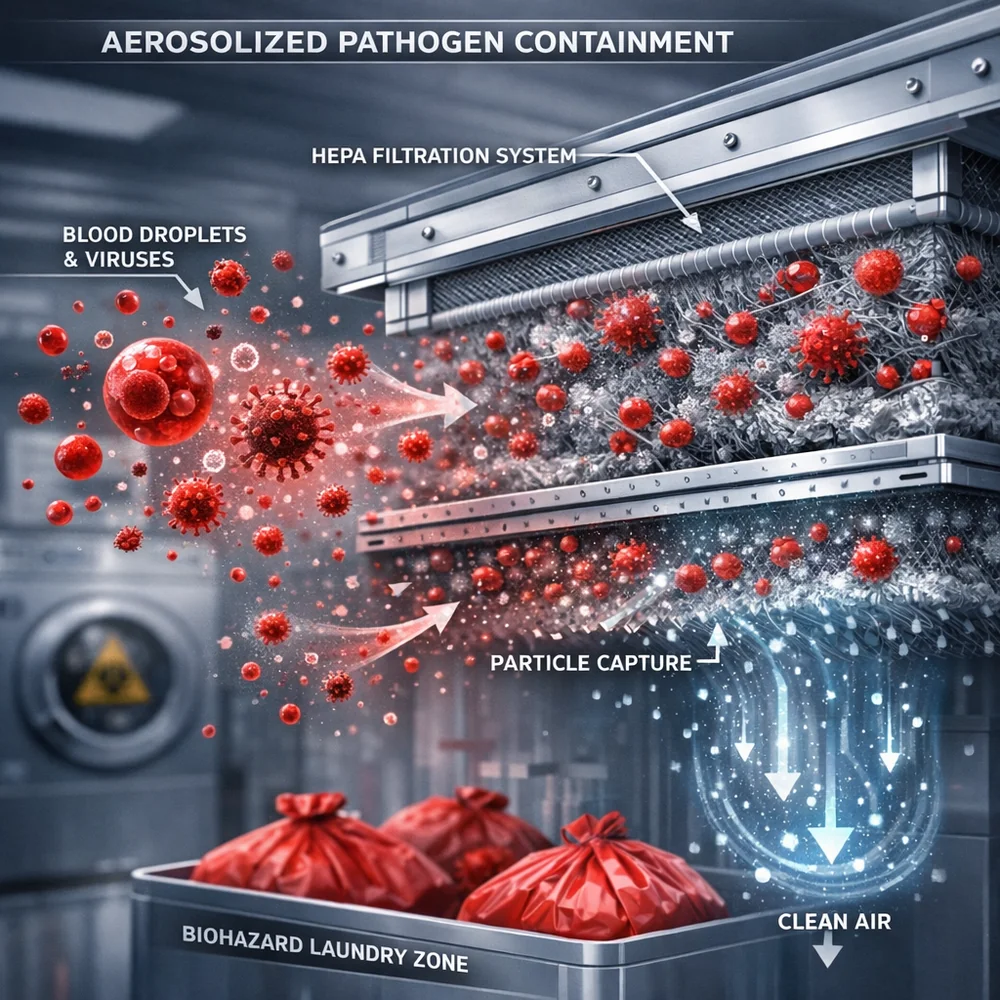
The main rules for biohazard laundry in the United States come from the OSHA Bloodborne Pathogens Standard (29 CFR 1910.1030). This standard mandates that you must handle all linens contaminated with blood or other potentially infectious materials (OPIM) with “universal precautions,” which means treating everything as if it is infectious. In a laundry context, this requires you to implement an Exposure Control Plan that specifies exactly how contaminated items are bagged, transported, and processed. These rules are designed to prevent healthcare-associated infections (HAIs) and keep the environment safe.
Compliance starts with appropriate labeling and containment. You must place contaminated linens in bags or containers that are color-coded (usually red) or clearly marked with the biohazard symbol. This allows laundry personnel to identify high-risk loads immediately and bypass standard sorting procedures where they might accidentally touch something dangerous.
Furthermore, the standard dictates that employers must provide comprehensive training on the risks of hepatitis B and HIV, along with vaccinations and medical follow-up after any potential exposure. These legal requirements form the foundation of all technical laundering protocols you will use.
The Bottom Line OSHA standards establish the legal necessity of universal precautions and source-point containment. By mandating red-bagging and specific labeling, the framework ensures that biohazardous risk is communicated clearly throughout the entire chain of custody.
Water Soluble Bags (Alginate)
One of the most effective ways to manage biohazardous linen is by using water-soluble bags made from polyvinyl alcohol or alginate-based polymers. These specialized bags allow you to load contaminated textiles directly into the washing machine without ever touching the dirty linen inside. Upon contact with the heated wash water, the bag dissolves rapidly and releases the soiled contents into the wash liquor. This “no-touch” workflow significantly reduces the risk of aerosolizing pathogens or exposing staff to needle sticks during the sorting phase.
The chemistry of these bags is tuned to a specific dissolution temperature, typically between 45°C and 60°C (113°F to 140°F). This ensures that the bag remains intact while you transport and store it but breaks down efficiently once the sterilization cycle begins. You must be careful not to overload the bags because you need enough water volume to dissolve the polymer completely and prevent residue from sticking to the linen. By integrating water-soluble bags into your intake protocol, you can create a sealed handling process that isolates infectious agents from the external environment.
Washing Temperature for Thermal Disinfection
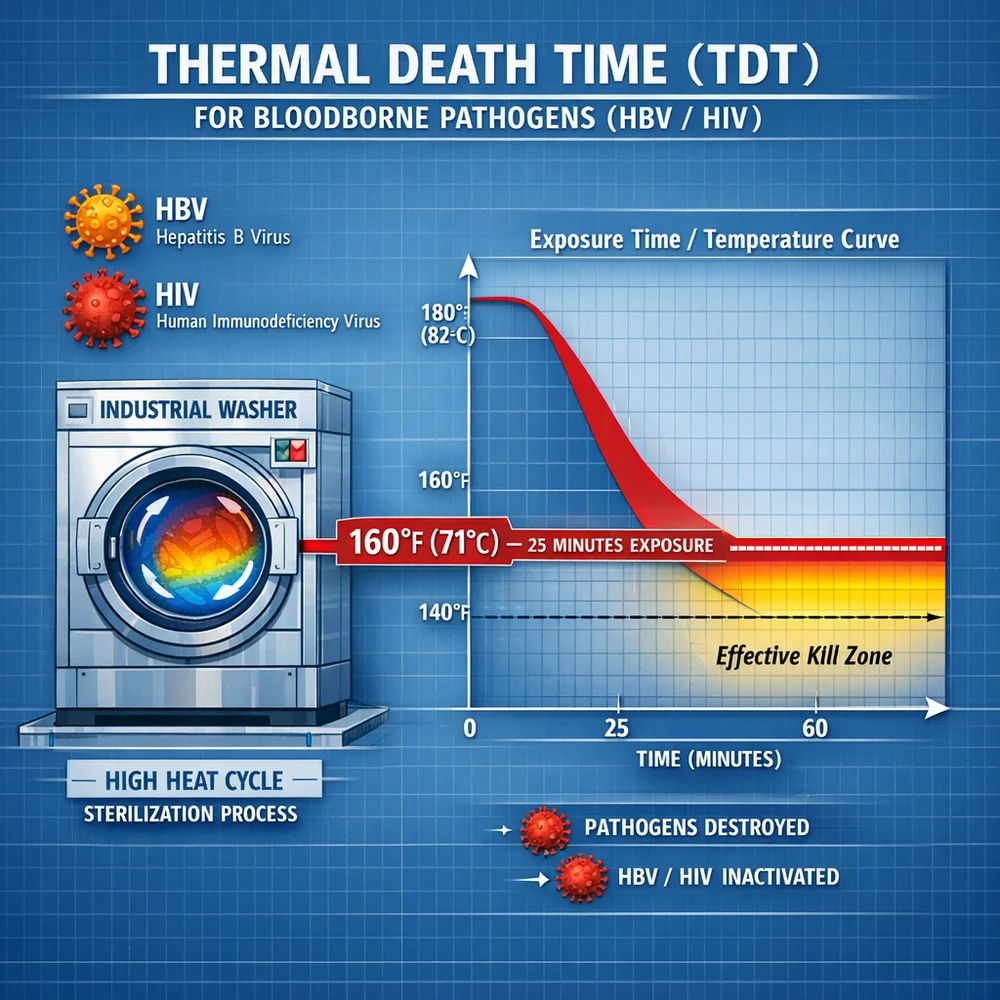
Thermal disinfection is your primary weapon for killing pathogens in biohazard laundry. The kinetics of microbial destruction are logarithmic, meaning that as you increase the temperature, the time required to kill germs decreases exponentially. The Center for Disease Control (CDC) guidelines suggest that a temperature of at least 71°C (160°F) for a minimum of 25 minutes is adequate for thermal sanitization. This temperature is high enough to denature the protein shells of most enteric and bloodborne viruses.
In high-risk scenarios involving spores like Clostridium difficile, you might need even higher temperatures or extended cycles. Industrial machines utilize steam injection to rapidly reach these thermal plateaus and precision sensors to maintain the temperature throughout the entire wash phase. The challenge is ensuring that the core of the laundry load reaches the target temperature and not just the surface water.
This requires sophisticated load sensing and water circulation pumps to prevent stagnant cold spots. Consistent thermal monitoring is a mandatory component of the documentation you need for healthcare laundry certification.
The Bottom Line Thermal disinfection relies on the principle of logarithmic cell death. Maintaining a stable temperature of 71°C for 25 minutes ensures that the cumulative thermal energy is sufficient to denature most infectious proteins and lipid membranes.
Chlorine Concentration for Viral Kill
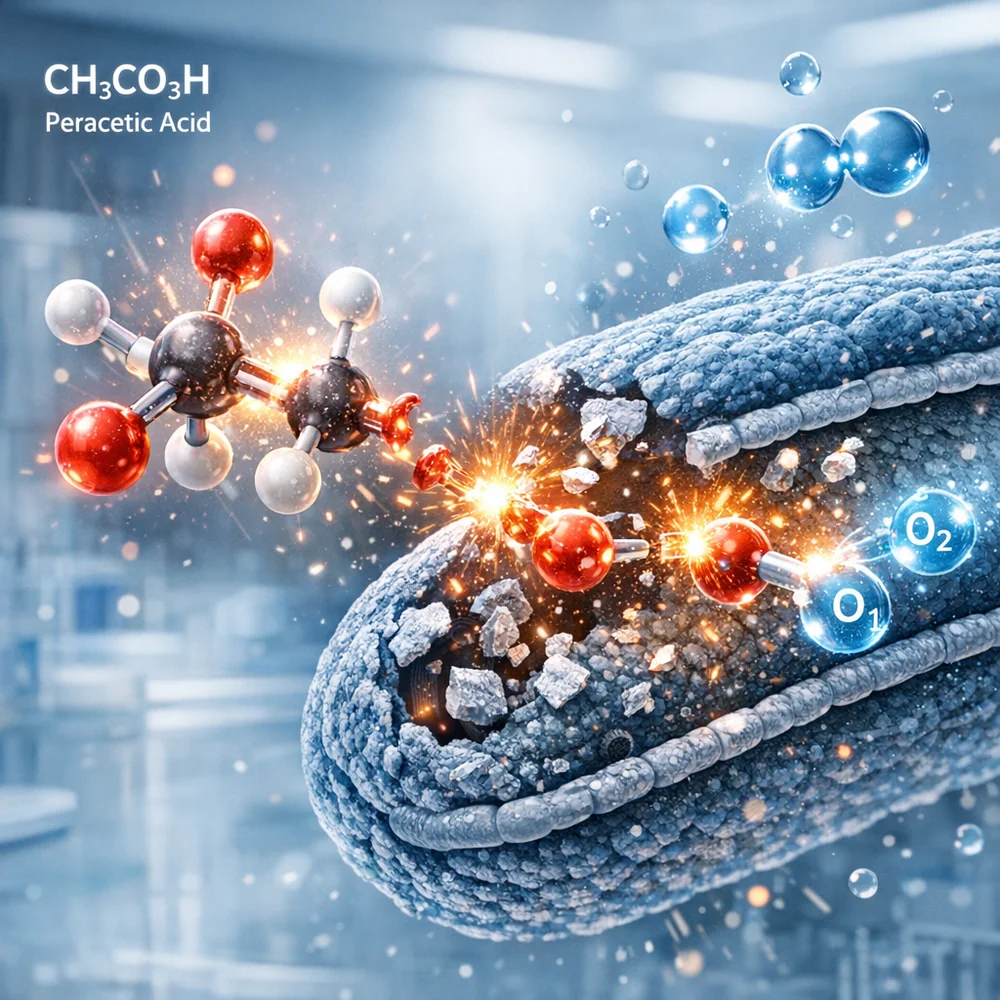
When heat alone is not enough or when the textiles cannot withstand extreme temperatures, chemical disinfection using sodium hypochlorite (chlorine bleach) becomes your secondary line of defense. For biohazard loads, you need chlorine concentrations significantly higher than those used for standard whitening. You typically maintain a concentration of 50 to 150 parts per million (ppm) of available chlorine during the bleach cycle. This chlorine acts as a broad-spectrum oxidant that reacts with viral nucleic acids and bacterial enzymes to render them inactive.
The efficacy of chlorine depends heavily on the pH of the wash solution. To maximize the concentration of hypochlorous acid (which is the most active disinfecting agent), you must control the pH of the wash liquor carefully, ideally keeping it between 7.0 and 8.0. If the pH is too high, the chlorine remains in a less effective form, and if it drops too low, toxic chlorine gas can form. Automated chemical dosing systems help monitor both pH and chlorine levels in real-time to ensure the “viral kill” threshold is maintained without destroying the fabric.
PPE for Laundry Staff
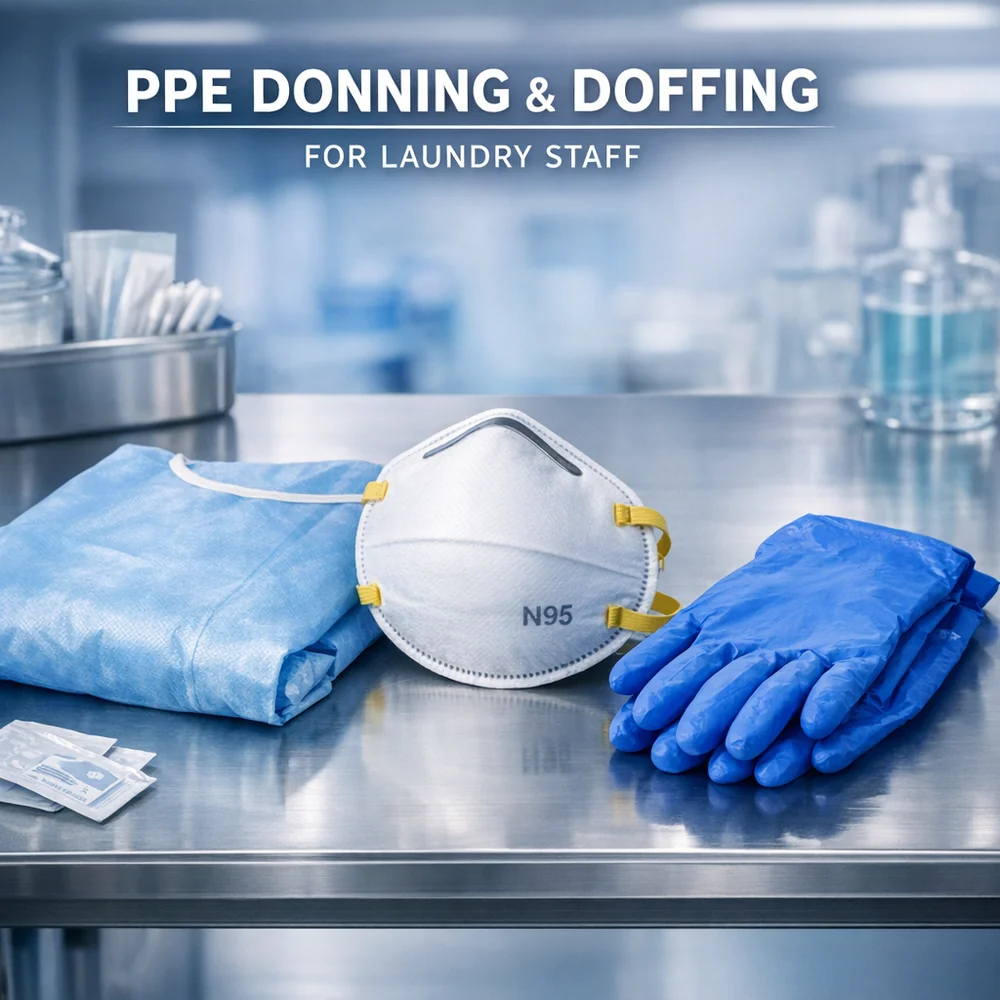
Protecting personnel in a biohazard laundry facility requires a multi-layered approach to Personal Protective Equipment (PPE). Staff working in the “soiled” or “dirty” zone must wear fluid-resistant gowns, heavy-duty nitrile gloves, and face shields. This gear serves as a barrier against accidental splashes of contaminated wash water or airborne droplets released when handling dry linen. Because the risk of skin contact is high, double-gloving is often standard practice when manual sorting of red bags is necessary.
In addition to respiratory and skin protection, managing the PPE itself requires a strict protocol. You must train staff in the correct doffing sequence to prevent self-contamination when removing soiled gear. PPE must either be disposed of as biohazardous waste or laundered in a dedicated cycle that meets the same disinfection standards as the linens themselves. Providing comfortable and effective PPE is not just a safety requirement but a key factor in maintaining operational consistency in a high-stress workplace.
The Bottom Line PPE in a biohazard laundry facility functions as the final engineering control. Its efficacy depends entirely on the correct donning and doffing sequences, which must be rigorously audited to prevent the “take-home” risk of infectious agents.
Separating Contaminated from Non-Contaminated Linen
A core principle of industrial hygiene is the absolute physical separation of “soiled” and “clean” textiles. In a biohazard facility, you often achieve this through a layout that utilizes separate entrances, ventilation systems, and processing equipment. You must ensuring that linens designated as biohazardous never cross paths with general hospitality or wardrobe items. This “zonal” architecture ensures that even if there is a chemical or mechanical failure in one part of the plant, the risk of cross-contamination is limited to that area.
The separation extends to the transport vehicles and carts used to move the linen. Carts used for contaminated red bags must be distinct from those used for clean, folded items. Often, these carts are made of non-porous plastics that can withstand aggressive chemical sanitization after every use.
Maintaining a “one-way” flow of linen from the receiving dock through the wash, dry, fold, and dispatch stages is the most effective way to eliminate accidental re-contamination. Any breach in this “clean-dirty” divide requires an immediate shutdown and decontamination of the affected zone.
Sharp Object Safety in Laundry
One of the most persistent hazards in medical laundry is the presence of “sharps” like needles, scalpels, and broken glass that are accidentally left in the linens. These items pose a direct risk of injury and potential exposure to bloodborne pathogens like HIV and Hepatitis C. Industrial facilities implement rigorous screening protocols such as magnetic separators and manual inspection stations with puncture-resistant surfaces. However, your most effective defense remains educating the source-point staff to ensure sharps are disposed of in dedicated containers before the linen is bagged.
If you discover a sharp object during the sorting process, you must trigger a formal “sharps injury protocol.” This includes immediately isolating the affected load and medically evaluating the person who found the item. Some advanced facilities are experimenting with X-ray or high-frequency metal detection systems to scan incoming bags before they are opened. By treating sharps safety as a high-priority challenge, you can protect your team from life-altering injuries and maintain the integrity of your processing line.
The Bottom Line Sharp object safety is a critical failure point in medical laundry. While mechanical detection systems are improving, the primary defense remains the “no-touch” handling enabled by water-soluble bags and source-point disposal compliance.
Barrier Wall Washing Machines
The ultimate technology for preventing cross-contamination in biohazard laundry is the barrier-wall washing machine. These machines are installed directly through a physical wall that separates the “soiled” side of the plant from the “clean” side. The machine has two distinct doors so that you load contaminated linen on the dirty side and unload disinfected items on the clean side. The internal logic of the machine prevents both doors from being open at the same time, ensuring that air and personnel from the dirty side never mix with the clean side.
Barrier machines also incorporate sophisticated air filtration systems and pressure differentials. The “soiled” side is typically kept at a negative pressure relative to the “clean” side, ensuring that any airborne pathogens are sucked into the filtration system rather than drifting toward finished products. This technological solution provides a fail-safe barrier that overrides human error. For facilities processing high-consequence pathogens, using barrier washing machines explained is often a non-negotiable requirement for safety.
Transport Cart Sanitization
Even the most perfectly laundered linen can be re-contaminated if you place it in a soiled transport cart. Therefore, sanitizing carts and delivery vehicles is just as important as washing the textiles themselves. Commercial facilities utilize specialized “cart wash” units that act like large-scale dishwashers to spray carts with high-temperature water and disinfectant. These units ensure that every surface, including wheels and handles, is free of microbial contamination before it enters the “clean” zone.
Vehicle sanitization protocols are equally rigorous. Trucks used to transport biohazardous linens must be cleaned and disinfected according to a documented schedule. The internal surfaces of the truck are often coated with antimicrobial materials or deep-cleaned with fogging units using hydrogen peroxide vapor.
By maintaining a clean environment throughout the entire logistics chain, you ensure that linens remain in a “patient-ready” state from the moment they leave the dryer until they reach the bedside. This holistic approach to hygiene is what defines a professional biohazard operations center.
The Bottom Line Cart and vehicle sanitization closes the loop in the hygiene chain. A “clean” linen load is only as hygienic as the container it is transported in, necessitating automated high-temperature cart washing after every single use.
Conclusion
Managing biohazard laundry is a rigorous exercise in risk mitigation and pathogen control. By integrating the legal requirements of OSHA with the molecular precision of thermal and chemical disinfection, you create a safe environment for both staff and the public. The use of advanced technologies like water-soluble alginate bags and barrier-wall washing machines provides a physical and chemical architecture that prevents the spread of infectious disease. Successful operations rely on continuous monitoring of temperature, pH, and ORP levels to guarantee consistent results.
As we face new global health challenges, the role of high-standard laundry protocols in breaking the chain of infection cannot be overstated. The protocols described here, from the initial bagging of contaminated linen to the final sanitization of transport carts, form a comprehensive system of defense. This technical discipline ensures that even the most high-risk textiles can be returned to service in a safe and sterile condition. Ultimately, biohazard laundry is a testament to the power of controlled chemistry and engineering in the service of public health and industrial safety.
References
- Centers for Disease Control and Prevention. “Guidelines for Environmental Infection Control in Health-Care Facilities: Laundry and Bedding.” CDC
- Occupational Safety and Health Administration. “Bloodborne Pathogens Standard (29 CFR 1910.1030).” OSHA
- Journal of Hospital Infection. “Contamination of Hospital Curtains and Linens: Mechanisms and Prevention.” Elsevier
- American Journal of Infection Control. “Efficacy of Barrier Washing Machines in Preventing Cross-Contamination.” APIC
- International Standards Organization. “ISO 14065: Textiles , Laundry Processed Textiles , Biocontamination Control System.” ISO