Cleaning Microfiber Cloths: Technical Protocols for High-Efficiency Textiles
Table of Contents
Things You'll Learn From This Article:
- Microfiber works because of tiny split fibers and static electricity, so anything that clogs or melts those fibers makes the cloth useless.
- Hot water and hot dryers permanently damage microfiber; warm washes and air drying (or no-heat tumbling) keep it working.
- Fabric softener coats the fibers and stops them from absorbing water or dust, so it should never be used.
- Chlorine bleach weakens microfiber fibers and shortens their life; safer options exist for cleaning and sanitizing.
- Washing microfiber with cotton towels fills it with lint, which then shows up on glass, screens, and shiny surfaces.
- Hard water minerals can kill microfiber’s static “grab,” and a vinegar rinse helps strip those minerals away.
- Waxes, polishes, and greasy residues can clog microfiber, so cloths used for those jobs need stronger detergents and quick washing after use.
- Air drying keeps the fibers fluffy and absorbent, while heat or compression can flatten them.
- Kitchen microfiber needs stronger detergents and an extra rinse so leftover soap doesn’t attract more dirt later.
- Boiling microfiber for a few minutes can sanitize it without bleach, but it should be done occasionally, not every wash.
- Using different colored cloths for different areas (like bathrooms and kitchens) helps prevent spreading germs around your home.
- GSM tells you how thick and absorbent a cloth is, making it easier to choose the right microfiber for glass, general cleaning, or heavy messes.
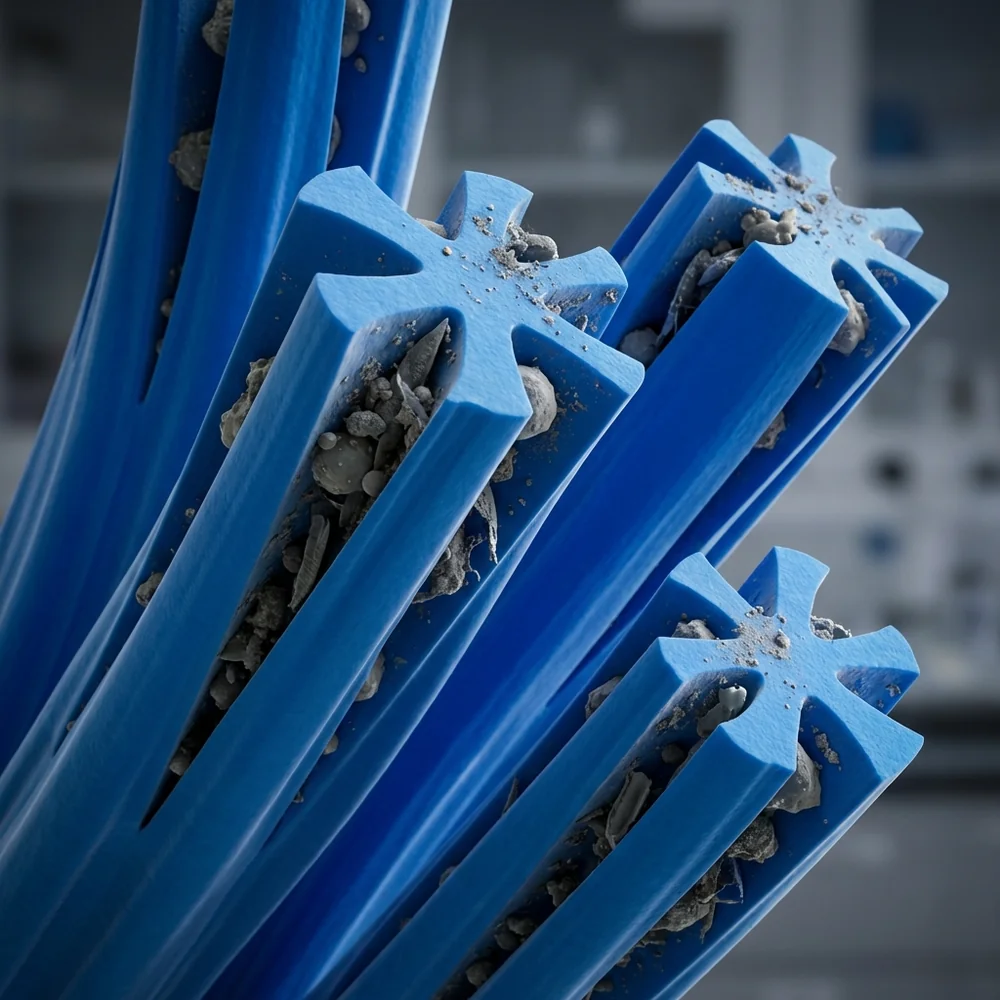
Microfiber cloths are incredible cleaning tools when they’re working properly, but they’re also surprisingly easy to ruin with the wrong care. Unlike regular cotton towels, microfiber is made from ultra-fine strands of polyester and polyamide that are split into wedge-shaped fibers. These tiny wedges create massive surface area that grabs dust and dirt through a combination of physical trapping and static electricity.
When you wash microfiber incorrectly, those microscopic channels that make it so effective get clogged with soap residue or, worse, fused together by heat.
The difference between a high-performance microfiber cloth and a useless rag often comes down to how you care for it. Fabric softeners coat the fibers and kill their absorbency. Hot dryers melt the polyamide strands together. Even washing with cotton towels ruins microfiber because it becomes a lint magnet. This guide covers the science behind keeping microfiber cloths working at peak performance, from electrostatic recharging to proper sanitization without bleach.
How Static Charge Makes Microfiber Work
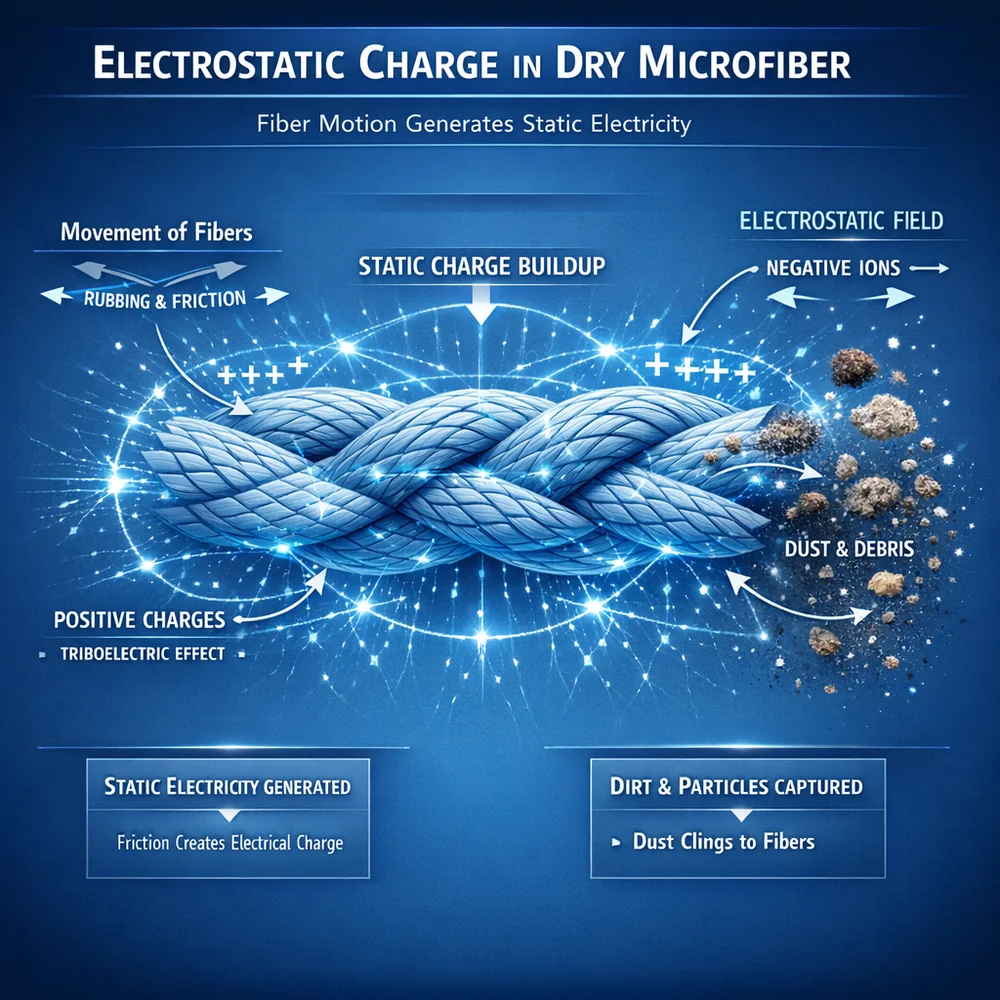
The secret weapon of microfiber isn’t just physical, it’s electrical. The polyester in microfiber carries a natural negative surface charge. When you wipe a dry microfiber cloth across a surface, friction generates static electricity through what’s called the triboelectric effect. This charge actively attracts dust particles like a magnet, pulling them into the wedge-shaped fibers where they get trapped.
After washing, this electrostatic charge is often diminished or completely lost, especially if you have hard water.
The minerals in hard water bond to the fiber surface and neutralize the charge. To restore this critical cleaning property, you need to strip those minerals away. A simple acid rinse works perfectly. Adding distilled white vinegar to your final rinse cycle neutralizes alkaline residues and dissolves mineral deposits. The acidic environment helps realign the fiber structure and restores the original electronegativity.
After rinsing, the tumbling or rubbing action during drying helps regenerate the static charge by transferring electrons between the polyamide and polyester components. That’s why well-maintained microfiber has that “grabby” feel when you pick it up.
Key Insight: Electrostatic attraction in microfiber relies on the triboelectric effect and surface energy. Recharging these properties requires stripping mineral residues using a mild acid rinse and providing sufficient mechanical friction to induce electron transfer.
Why Heat Destroys Microfiber
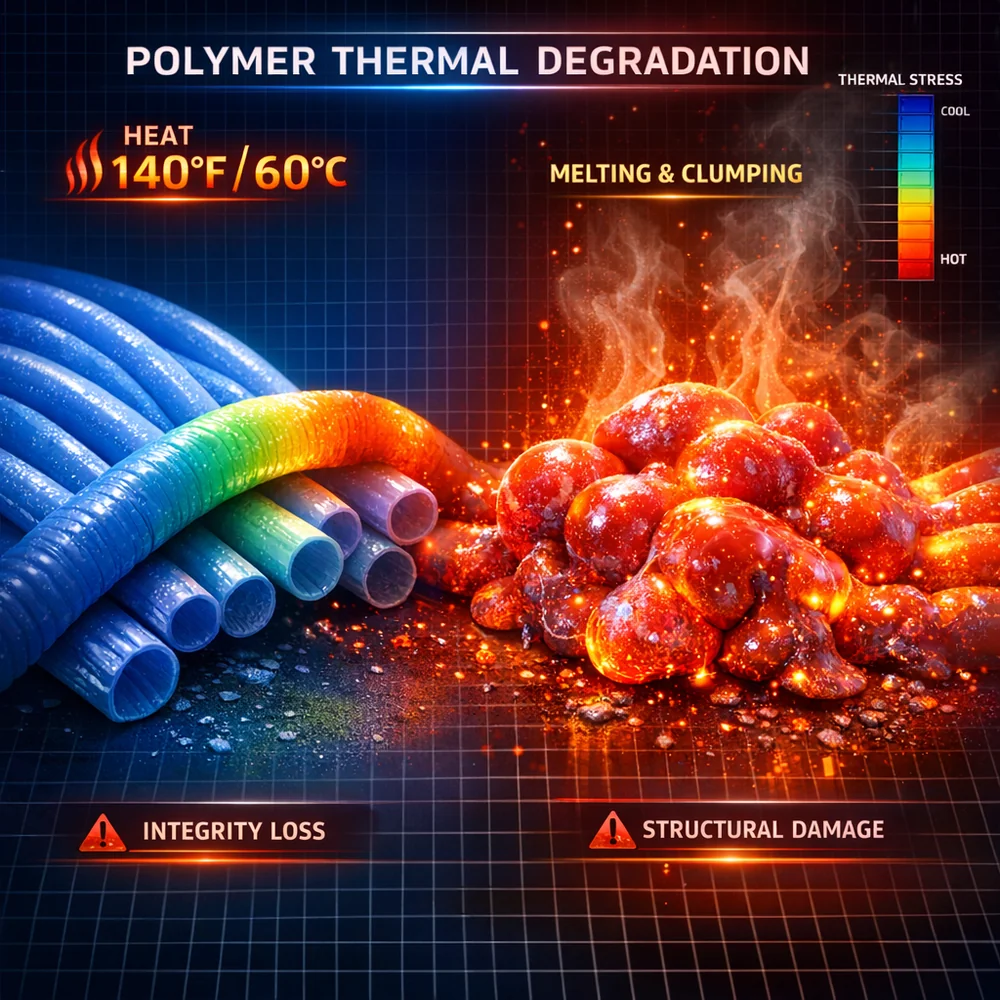
Now that you understand how static works, let’s talk about microfiber’s biggest vulnerability: heat. Most quality microfiber cloths are roughly 80 percent polyester and 20 percent polyamide, and it’s that polyamide component that creates the absorbent split-fiber structure. Unfortunately, polyamide starts softening at temperatures as low as 70 degrees Celsius.
When you throw microfiber in a hot dryer, those microscopic split ends literally melt together.
Once the fibers fuse, the cloth becomes slick and non-absorbent. Instead of lifting water through surface tension, it just pushes water around. The damage is permanent. There’s no way to “unsplit” fused fibers. To protect the integrity of your microfiber, keep wash temperatures below 60 degrees Celsius. When drying, air drying is the gold standard because it eliminates any heat risk while keeping the fibers lofted and open.
If you need to use a dryer for convenience, the no-heat or air-fluff setting is your only safe option. The tumbling action actually helps open up the fibers and restore that grabby static quality. Just monitor the cycle to make sure no residual heat enters the drum from a previous load.
Key Insight: Polyamide fibers within microfiber blends are extremely sensitive to heat and can begin to soften at seventy degrees Celsius. Exceeding these thermal thresholds causes microscopic fusion of the fibers, permanently destroying the capillary channels necessary for absorbency.
Dealing with Wax and Polish Buildup
Heat isn’t the only threat to microfiber performance. If you use microfiber cloths for furniture polishing or car detailing, you’re dealing with waxes and silicones that are specifically designed to be water-resistant. These substances can infiltrate the split-fiber structure and create a hydrophobic barrier that blocks water absorption entirely.
When wax clogs the fiber wedges, your cloth repels water instead of absorbing it.
Standard detergents often don’t have enough surfactant power to break down heavy automotive waxes or furniture polish. You need a specialized degreaser or a high-surfactant detergent designed for heavy grease. Pre-soak the cloths in the solution before washing. Using a scrub brush during the pre-soak helps drive the cleaner deep into the fiber splits where the wax is hiding.
Multiple cycles of soaking and rinsing may be required for badly clogged cloths. The key is being proactive: launder polishing cloths immediately after use, before the wax has time to cure. Once a cloth is completely saturated with hardened wax, it’s often impossible to rescue and needs replacement.
Key Insight: Wax and polish residues create a hydrophobic layer that seals the microfiber’s capillary channels. Unclogging these fibers requires high-density surfactants and targeted mechanical agitation to emulsify and lift the cured solids.
Never Use Fabric Softener
Speaking of product damage, let’s address the two most common laundry additives that will ruin your microfiber: fabric softener and chlorine bleach. Fabric softener works by coating fibers with a lubricating layer of oil or silicone. On cotton towels, this makes them feel soft. On microfiber, it’s catastrophic.
The softening agent fills exactly those microscopic wedges that make microfiber work.
A microfiber cloth treated with fabric softener will repel water and fail to pick up fine dust. The coating is cumulative, meaning it gets worse with every wash. If you accidentally soften a microfiber cloth, you’ll need a stripping procedure using high-pH detergent and hot water to attempt removal, but results aren’t guaranteed.
Chlorine bleach is equally damaging but for different reasons. Bleach is a powerful oxidizing agent that attacks the molecular bonds of polyester directly. Repeated exposure makes the fibers weak, brittle, and prone to excessive linting. The cloth will fall apart far sooner than its designed lifespan. Keep both of these products far away from your microfiber.
Key Insight: Fabric softeners coat microfiber in a lubricating film that eliminates capillary action and dust capture. Chlorine bleach oxidizes the polymer chains, making fibers brittle and prone to structural failure.
Never Wash with Cotton
One of the most common mistakes is washing microfiber cloths alongside cotton towels or other natural fibers. Cotton is a short-staple fiber that sheds significant lint during every wash cycle. Microfiber is engineered to be a lint magnet through that same electrostatic charge that makes it so good at grabbing dust.
Put them together and the microfiber actively pulls cotton lint into its fiber matrix.
When you use that lint-contaminated microfiber on glass or electronics, it leaves behind small white specks that defeat the purpose of using a high-quality cloth. Even worse, those trapped cotton fibers can provide a substrate for bacterial growth inside the microfiber. If cross-contamination happens, you can sometimes rescue the cloth using a lint roller to pull the cotton fibers out.
Strict segregation is the only way to maintain truly lint-free microfiber. Wash synthetic cloths together in their own load. This applies to drying as well. A dedicated microfiber laundry routine ensures your cloths stay pristine for precision cleaning tasks.
Key Insight: Microfiber’s electrostatic nature makes it a magnet for cotton lint during mixed laundry cycles. Total segregation of synthetic and natural fibers is mandatory to maintain the “lint-free” status required for precision cleaning.
Air Drying is Best
With heat damage covered earlier, let’s focus on why air drying is superior even beyond temperature concerns. The drying method affects how the fiber pile sets for future use. If microfiber dries under compression, the fibers can flatten permanently. This reduces the loft that creates absorbency and grabbing power.
Hanging cloths on a rack allows air to circulate around all sides of the fiber matrix.
This open-air approach prevents mildew growth while keeping the pile lofted and ready for use. It’s also the most energy-efficient method for maintaining any technical textile. If you choose to use a dryer, the no-heat tumbling action is actually beneficial because it fluffs and opens the fibers. Just make absolutely sure no heat enters the drum.
Store dry microfiber in a clean, dedicated container away from dust and other fabrics. A well-maintained microfiber cloth should feel grippy and slightly rough when you run your fingers across it. That texture is the split fibers ready to grab dust. If your cloth feels slick or smooth, something has gone wrong.
Key Insight: Air drying is the safest method to prevent thermal damage and preserve the loft of microfiber fibers. If a dryer is used, the “no heat” setting provides beneficial mechanical fluffing that restores electrostatic grab without risking fiber fusion.
Cleaning Greasy Kitchen Cloths
When microfiber is used to clean kitchen surfaces, it becomes saturated with heavy cooking oils and fats. Standard gentle detergents often don’t have the chemical strength to break these lipids free from the fiber structure. You need a detergent with high surfactant concentration that can saponify fats and emulsify oils.
Professional cleaners often use dedicated microfiber detergents designed specifically for this purpose.
These formulas are typically fragrance-free and contain agents that reduce surface tension for better penetration into the fiber channels. Warm water around 40 to 50 degrees Celsius increases fat solubility without risking fiber damage. The heat softens the grease, making it easier for surfactants to surround and lift the molecules.
The critical step that gets skipped: add an extra rinse cycle for heavily soiled cloths. Any residual detergent left in the textile acts as a dirt magnet during your next cleaning session. The goal is returning the fibers to a zero-residual state where they’re ready to grab new soil rather than releasing old soap.
Key Insight: Heavy grease requires high-surfactant detergents and warm water to effectively emulsify lipids trapped within the microfiber weave. An extra rinse cycle ensures no residual surfactants remain to clog the capillary channels.
Boiling for Sanitization
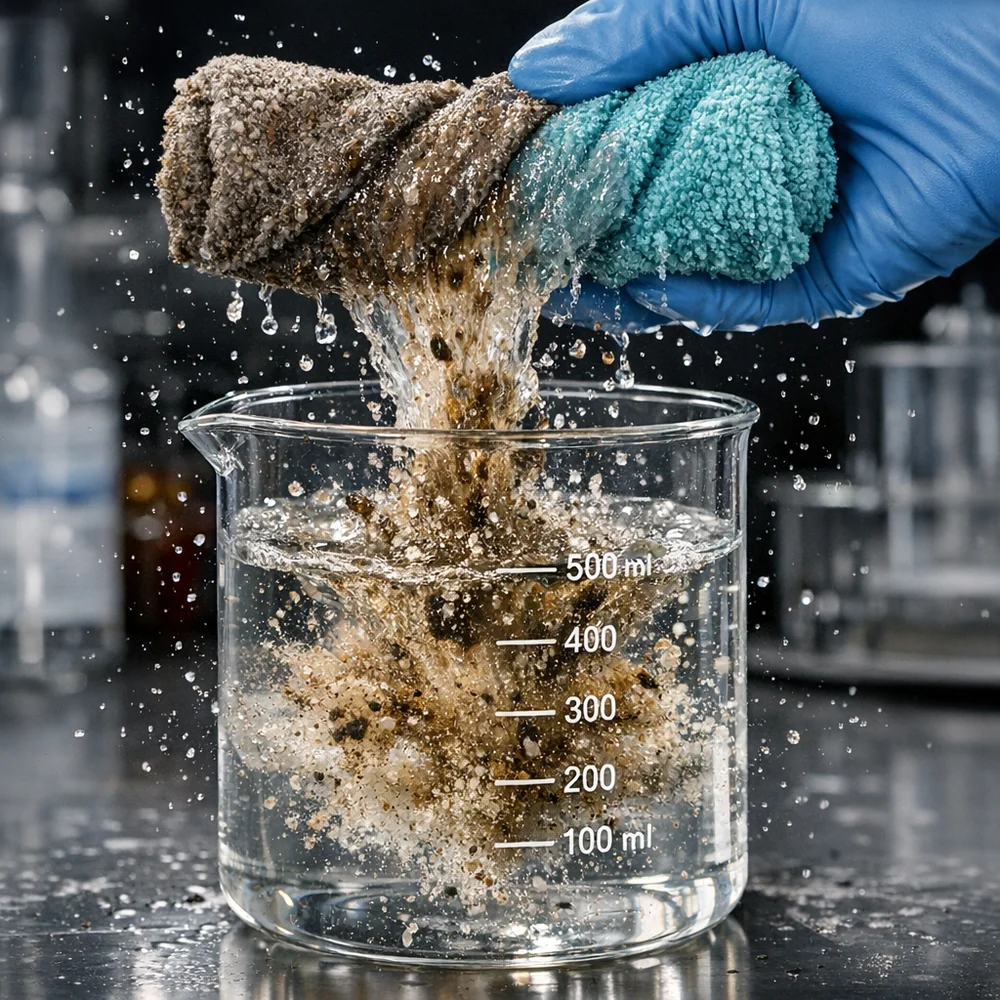
For cloths used in bathrooms or other high-contamination areas, sanitization is essential. Since chlorine bleach is off the table, the boiling method offers a powerful alternative. Boiling water kills a wide range of bacteria by denaturing their proteins, providing hospital-level hygiene without any chemical residues.
Submerging microfiber in boiling water for three to five minutes is sufficient for sanitization.
Boiling also helps shake loose particles that are stubbornly trapped in the fiber splits, acting as a deep-cleaning reset. After boiling, move the cloths immediately to a cold water rinse. This thermal shock helps snap the fibers back into an open state. Think of it like tempering chocolate: the controlled temperature change sets the final structure.
Boiling shouldn’t be a daily routine since it does accelerate wear over time. Use it as a periodic deep-clean procedure and rely on sodium percarbonate (oxygen bleach) in regular wash cycles for sustainable sanitization. The combination of methods ensures cloths stay both performant and hygienically safe.
Key Insight: Boiling microfiber for three to five minutes provides high-level sanitization and “resets” fibers by shaking loose stubborn residues. This method serves as a chemical-free alternative to bleach, though it should be used sparingly to avoid cumulative thermal fatigue.
Color-Coding for Safety
Because microfiber is so effective at trapping bacteria, using the same cloth across different zones of your home is a contamination risk. A color-coding system provides instant visual clarity about which cloth belongs where. This prevents bathroom germs from ending up in your kitchen.
The standard system uses red for high-risk areas like toilets, yellow for lower-risk bathroom surfaces like sinks, blue for general living areas, and green for food preparation zones.
Maintaining this separation means never guessing which cloth is “safe” for food surfaces. Each color lives in its own container and gets washed with its own color group. Over time, boiling or harsh chemicals will cause some color drift, so replace faded cloths before confusion happens.
This kind of systematic organization transforms casual cleaning into professional-grade hygiene. It’s especially important in households with young children, elderly family members, or anyone with a compromised immune system. The upfront effort of sorting pays dividends in health protection.
Key Insight: Color-coding microfiber cloths prevents the mechanical transfer of pathogens between household zones. Implementing a red-for-high-risk and green-for-food-safe system ensures consistency in hygiene standards and prevents cross-contamination.
Choosing the Right GSM
Finally, let’s talk about GSM, or grams per square meter. This technical metric tells you how dense and heavy the cloth is, which directly correlates to its absorbency and cleaning power. Higher GSM cloths are thicker and plusher, holding more water and soil. Lower GSM cloths are thinner and better for precision work like glass or electronics.
For heavy-duty floor mopping, you want a high-GSM cloth that can extract significant dirty water.
For delicate screens and optical surfaces, a low-GSM suede-style cloth provides gentle cleaning without risk of scratching. Matching GSM to the task prevents surface damage while maximizing efficiency. Higher-density cloths also tend to be more durable and resistant to thermal and chemical fatigue.
When shopping for microfiber, GSM is listed in the product specifications. Look for 300+ GSM for general cleaning and 200 or less for delicate work. Investing in the right GSM for each task ensures a higher return on your cleaning textile investment.
Key Insight: GSM density determines a microfiber cloth’s functional absorbency and its appropriateness for specific mechanical tasks. Selecting a high-GSM plush for heavy soil and a low-GSM suede for delicate optics prevents surface damage while maximizing the efficiency of particulate extraction.
Conclusion
Microfiber maintenance comes down to respecting the material’s unique chemistry. These aren’t ordinary cloths but precision instruments that work through electrostatic charge and capillary action. Protect those properties by avoiding heat, fabric softener, chlorine bleach, and cross-contamination with cotton.
Wash microfiber separately in warm water with high-surfactant detergent and add an acid rinse to strip mineral buildup. Air dry whenever possible or use a no-heat dryer setting. For sanitization, use periodic boiling or oxygen bleach rather than chlorine.
Color-code your cloths to prevent cross-contamination between zones. Match GSM density to the cleaning task. These small investments in proper care extend the functional lifespan of microfiber from weeks to years while keeping its cleaning performance at peak levels. A well-maintained microfiber cloth is one of the most powerful tools in your cleaning arsenal.
References
- Daud, W. M.
A. W., et al. (2014).
“Performance of Microfiber Cloth in Removing Contaminants from Surfaces.” Journal of Applied Polymer Science. 2. Hart, G.
W. (2007). “Electrostatic Properties of Synthetic Textiles in Cleaning Applications.” Textile Research Journal.
- Smith, J. L., et al.
(2011). “Thermal Degradation of Synthetic Microfibers during Laundry Cycles.” Journal of Polymer Engineering. 4.
Tebbutt, C., et al. (2018). “Color-Coding and Hygiene Protocols in Commercial Cleaning Environments.” Infection Control & Hospital Epidemiology.
- International Fabric Institute. (2010).
“The Science of Microfiber Maintenance: Surfactants and Porosity.” IFI Technical Bulletin. 845. 1-8.