Capsule Wardrobe Maintenance: Extending Garment Lifespan Strategies
Table of Contents
Things You'll Learn From This Article:
- Giving clothes a rest day between wears helps them bounce back and keeps knees, elbows, and seats from stretching out.
- Wearing the same item two days in a row wears it out faster than rotating between a few options.
- Airing clothes out after wearing them reduces smells and moisture without needing a wash.
- Washing less often makes clothes last longer, especially sweaters, jeans, and jackets.
- Spot-cleaning small stains saves the rest of the garment from unnecessary wear.
- Base layers like socks and underwear are different—they need washing after every wear because they soak up oils and sweat.
- Checking clothes for loose buttons, snags, or weak seams before putting them away prevents bigger damage later.
- Fixing small problems right away is easier and cheaper than replacing a whole garment.
- Heavy knits and stretchy items should be folded, not hung, to keep them from stretching out.
- Structured items like blazers and dresses last longer on wide, shaped hangers instead of thin wire ones.
- Cleaning clothes before long-term storage prevents yellow stains and keeps insects away.
- Clothes must be completely dry before storage to avoid mold and mildew.
- Breathable storage bags are safer for natural fabrics than airtight vacuum bags.
- Odors often come from bacteria, not dirt, so airing out, vinegar rinses, or targeted treatments work better than extra washing.
- Treating stains based on what caused them (oil, sweat, food) works better than scrubbing everything the same way.
- Gentle handling—less washing, less rubbing, and proper storage—does more to extend clothing life than buying expensive pieces.
A capsule wardrobe is fundamentally an exercise in materials engineering and fatigue management. Unlike a fast-fashion rotation where fiber degradation is outpaced by replacement, a capsule system relies on the sustained structural integrity of a limited number of assets. This imposes a significant mechanical and chemical load on individual garments. Every hour of wear subjects polymer chains to tensile stress, friction, and moisture fluctuations.
Without a scientifically grounded maintenance protocol, the cost per wear efficiency of premium textiles collapses as fibers succumb to premature fatigue. The longevity of a garment is not determined by its price tag but by the rest-to-wear ratio and the mitigation of microscopic damage. Successful maintenance requires shifting focus from cleaning to preservation.
Conventional laundry practices are often too aggressive for high-rotation items, stripping natural oils from wool and micro-abrading cotton fibers. A technical approach prioritizes the physics of fiber recovery and the chemistry of stain prevention. We must understand the impact of hygral expansion on seams and the role of humidity in polymer relaxation. This guide details the advanced strategies for extending the lifecycle of core pieces, covering everything from the molecular bonds of recovery to the thermodynamics of storage.
Why Your Fibers Need Rest Days
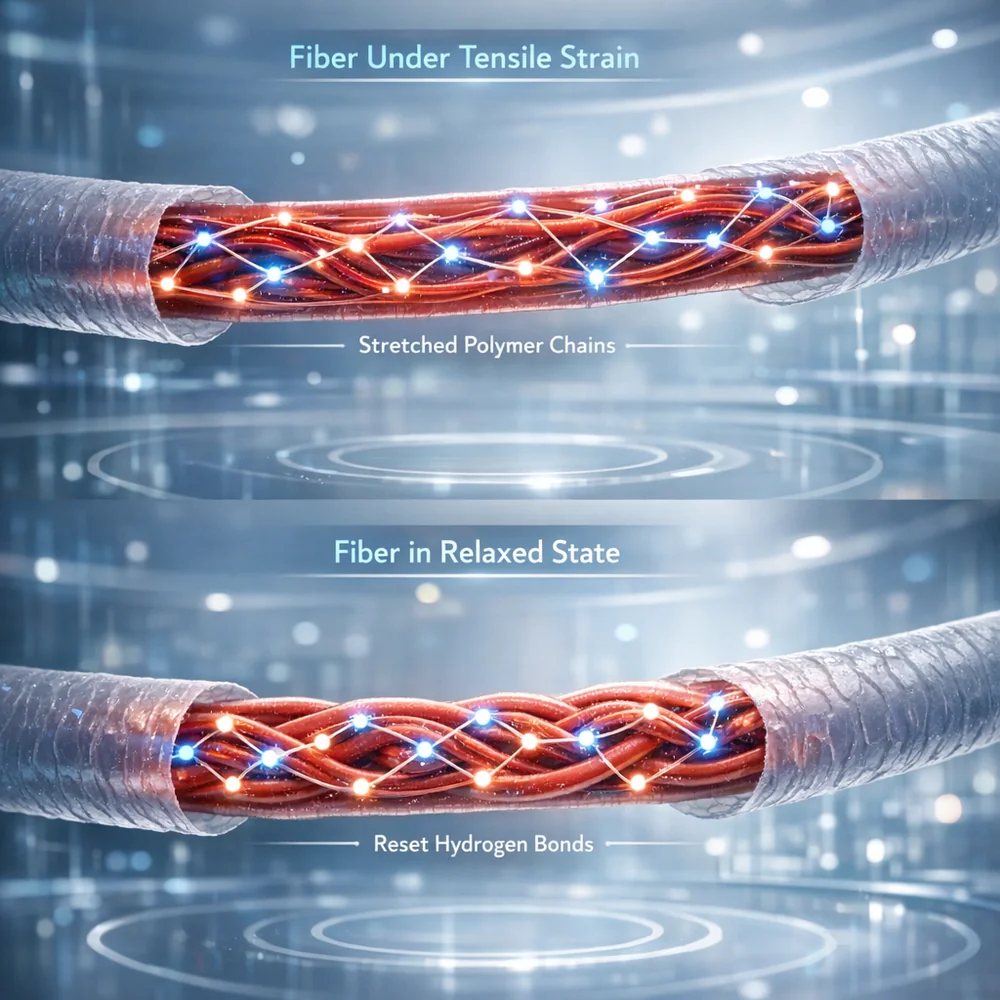
Textiles, particularly natural protein fibers like wool and cellulosic fibers like linen, function as viscoelastic materials. When you wear a pair of jeans or a wool sweater, the fibers are subjected to constant strain from body movement. This strain stretches the amorphous regions of the polymer chains, causing temporary deformation. If the garment is worn again immediately, this temporary deformation becomes plastic deformation. The result is permanent structural failure, manifested as bagging out at the knees, elbows, and seat.
The technical rule is a strict minimum 24-hour rest period between wears. This interval allows the hydrogen bonds within the fiber’s internal structure to relax and revert to their original low-energy configuration. For complex weaves like worsted wool suits or heavy gauge knits, a 48-hour rest is optimal. This recovery phase is non-negotiable for preserving the garment’s dimensional stability.
Humidity control during this rest phase is equally critical. Hanging the item in a well-ventilated area allows retained hygroscopic moisture (sweat) to evaporate. If moisture remains trapped within the fiber core, it plasticizes the polymer, making it more susceptible to wrinkling and weakness. Furthermore, persistent dampness creates an ideal substrate for bacterial colonization, which releases enzymes that can degrade the fiber surface.
Rotation is not just an aesthetic choice. It is a structural necessity that allows your clothes to recover from the mechanical stress of being worn.
The Bottom Line Natural fibers act as viscoelastic materials that require 24 to 48 hours of rest to recover from tensile strain. Adhering to a strict rotation schedule allows hydrogen bonds to reset and prevents permanent plastic deformation of the garment’s silhouette.
Why You Should Wash Less Often
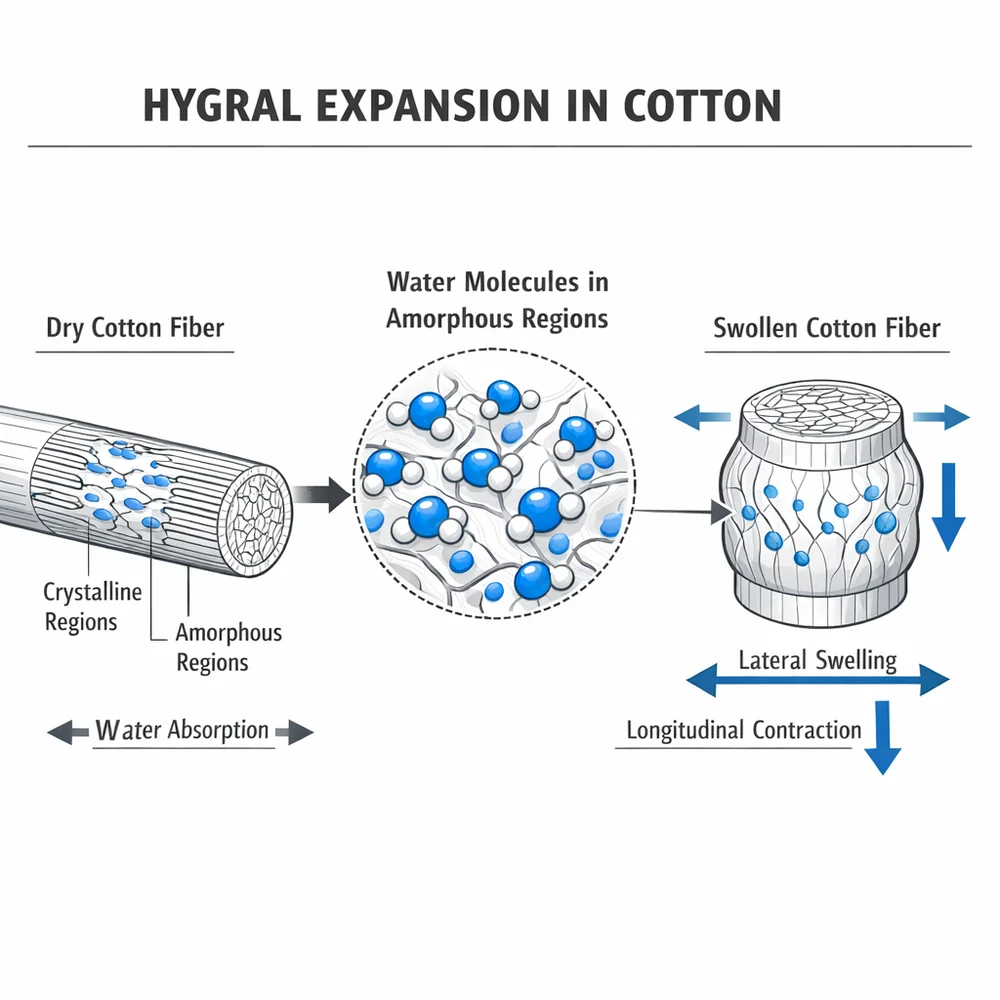
Chemical cleaning, by definition, is a degradative process. Every exposure to water and surfactants causes swelling in natural fibers, a phenomenon known as hygral expansion. This swelling stresses the yarns and can lead to differential shrinkage between the fabric and the stitching thread. Additionally, mechanical agitation in a washing machine causes micro-fibrillation, where small fibrils peel off the main fiber surface. This manifests as pilling and a loss of surface luster.
Over-washing is the primary cause of accelerated aging in capsule wardrobes. The objective is to maximize the interval between full immersion cycles without compromising biological hygiene. For mid-layers such as merino sweaters, unstructured blazers, and heavy denim, the target should be 5 to 10 wears per wash. This creates a reliance on spot-treatment protocols rather than holistic submersion.
Localized cleaning targets the contamination without stressing the entire matrix. Instead of washing a whole shirt for a single coffee splash, apply a specific enzyme solution to the affected area. This preserves the sizing and dye molecules of the surrounding fabric. For odor management, utilize the bactericidal properties of ultraviolet light and oxidation. Hanging a stale garment outdoors in a shaded, breezy spot allows UV radiation to neutralize surface bacteria and airflow to carry away volatile odor molecules.
Base layers represent the only exception to this conservation rule. Socks, underwear, and undershirts are in direct contact with the sebaceous glands. They absorb significant quantities of lipids and salts, which can oxidize and turn rancid if left in the fabric. These lipids also bind to dirt, creating a grinding paste that abrades fibers from the inside. Therefore, base layers must be washed after every wear to prevent lipid oxidation and yellowing.
Hygiene must be precise and targeted, not generalized. Spot cleaning and aeration preserve fiber mass, while daily washing is reserved strictly for lipid-absorbing base layers.
The Bottom Line Water and mechanical agitation cause hygral expansion and micro-fibrillation. Extending wash intervals through spot cleaning and aeration preserves fiber mass, while daily washing is reserved strictly for lipid-absorbing base layers.
Why Proactive Mending Saves Your Wardrobe

In a limited inventory system, a single failure reduces total capacity significantly. A loose button or a popped seam effectively removes an asset from circulation, creating a bottleneck in the rotation schedule. Maintenance requires a proactive, almost predictive, mending protocol. You must inspect garments before returning them to the closet, looking for signs of stress rather than waiting for failure.
A small snag in a knit structure is a stress concentration point. If left unattended, the tension will unravel adjacent loops, turning a cosmetic flaw into a structural hole. Using a crochet hook to pull the snag back into the wrong side of the fabric restores the grid immediately. Similarly, button shanks are high-stress points that often degrade before the fabric does.
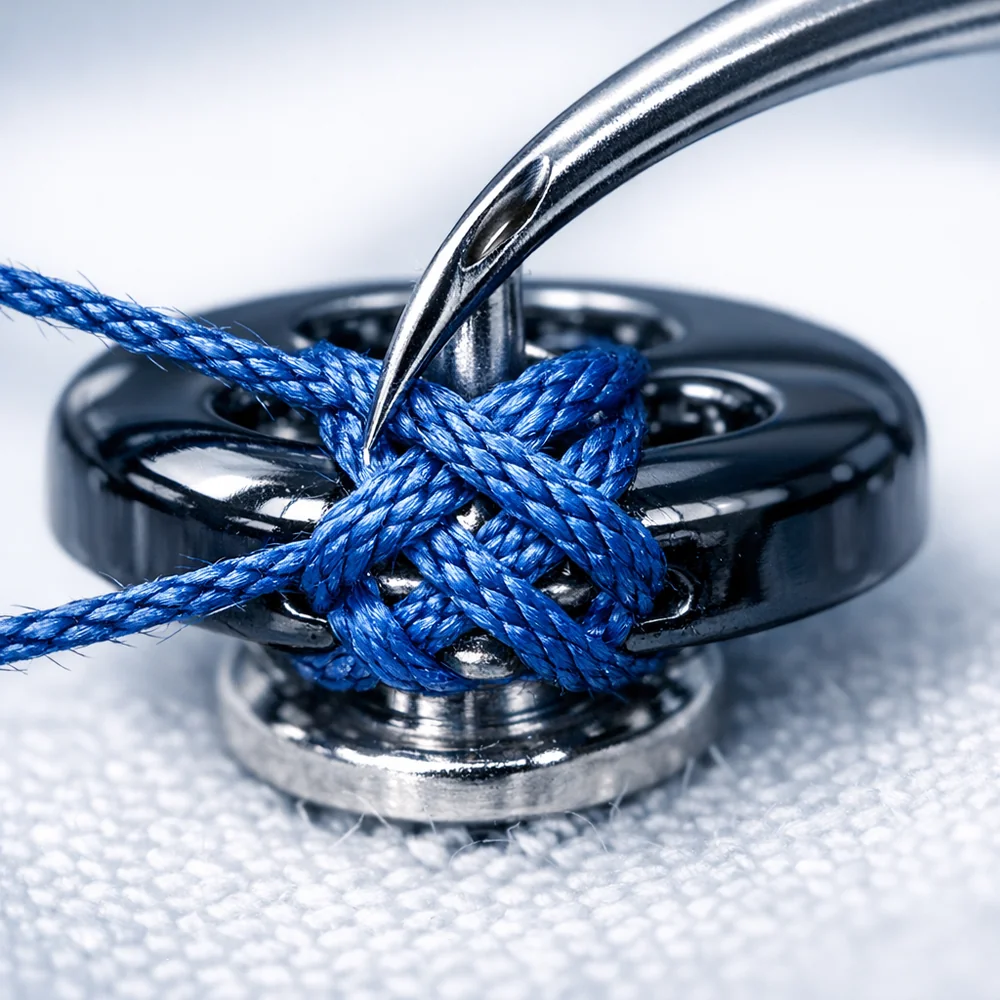
Reinforcing hardware is a critical preventative measure. Learn to reinforce a button shank with elastic thread or dental floss before it detaches. This prevents the loss of original matching hardware, which can be impossible to replace. Re-hemming trousers that show early signs of abrasion at the cuff prevents the fabric from fraying into irreversible damage. This aligns with the principles of mending and repairing clothes basics, where early intervention is key.
Preventative repair is orders of magnitude cheaper than replacement. It preserves the functional status of the garment and ensures 100 percent availability. This vigilance prevents the deferred maintenance death spiral that ruins many wardrobes.
The Bottom Line Proactive inspection identifies stress concentration points before they fail. Reinforcing buttons and correcting snags immediately maintains the operational readiness of the capsule wardrobe and prevents catastrophic material loss.
How to Store Different Fabrics Correctly
Gravity is a constant force that must be managed to prevent creep deformation. Creep is the tendency of a solid material to move slowly or deform permanently under the influence of persistent mechanical stresses. Hanging a heavy material like a wool knit creates constant vertical tension. Over time, this stretches the shoulder seams and elongates the torso, destroying the intended fit and recovery potential.
Conversely, folding a structured linen blazer creates sharp stress creases. These creases can break the brittle cellulosic fibers of linen or ramie, leading to permanent lines that require high-heat ironing to remove. The storage method must therefore be matched to the tensile, shear, and compressive strength of the fabric.
Knits, jersey t-shirts, and denim require folding. Their open, looping structures distort easily under tension. They should be stacked on shelves with dividers to prevent toppling pressure, which can crush the bottom layers and set hard wrinkles. Refer to our preventing pilling on sweaters guide for more on handling delicate knits.
Structured woven garments require support. Blouses, jackets, trousers, and dresses should be hung on wide, contoured wooden or velvet hangers. Wire hangers are forbidden. Their narrow surface area acts like a blade, cutting into the shoulder fabric and creating dimples. The hanger must mimic the anatomical curve of the user’s shoulder to distribute the weight evenly across the yoke.
Gravitational management preserves the silhouette. Heavy knits suffer from creep deformation and must be folded to neutralize gravity, while structured garments require contoured hangers to support the yoke.
The Bottom Line Matching storage physics to fiber type prevents passive distortion during dormancy. Fold knits to prevent stretching; hang wovens on wide contoured hangers to maintain their structure.
The Deep Clean Before Seasonal Storage
The most dangerous period for a garment is the off-season dormancy. Ideally, every item must undergo a rigorous deep clean before long-term storage. The primary enemy is invisible contamination. Sugars from food spills or clear body oils may be invisible when fresh, but they undergo chemical changes over time.
Oxidation turns these residues into permanent yellow stains. This is a result of the Maillard reaction or lipid oxidation, which binds the contaminant insolubly to the fiber. Furthermore, these residues act as attractants for keratophagous insects like clothes moths and carpet beetles. A single microscopic egg can result in the destruction of multiple garments during a six-month storage window.
The protocol involves a final, detergent-free rinse cycle. Ensure items are 100 percent dry before packing to prevent mold growth. Moisture is the catalyst for fungal enzymes that digest cellulose. Pack clean, dry items into breathable cotton or linen bags. These allow for air exchange while blocking dust and pests.
Avoid vacuum compression bags for natural fibers. Vacuum sealing exerts immense pressure on the fibers, fracturing the keratin scales of wool and crushing the loft of down. This damage is often irreversible. As detailed in our seasonal clothing storage protocols, breathable protection is superior to hermetic sealing for natural textiles.
A proper shutdown procedure ensures a successful startup next season. Invisible sugars and lipids oxidize into permanent yellow stains during storage. A deep clean removes these precursors and pest attractants.
The Bottom Line Breathable storage prevents moisture accumulation while avoiding the crushing damage of vacuum compression. Always clean garments thoroughly before storing them for the season.
Managing Odors and Stains Without Over-Washing
Managing the chemistry of the wardrobe extends beyond the washing machine. Odor accumulation is often caused by biofilm-producing bacteria. When a garment develops a persistent musty smell, it indicates that the bacterial colony has survived the wash cycle. High-heat washing can kill them but damages the fibers.
The solution lies in chemical neutralization. For protein fibers like wool, an acid rinse using dilute acetic acid (white vinegar) helps strip detergent residues that trap odors. It also realigns the pH of the fiber, smoothing the cuticle. For cellulosic fibers like cotton, occasional use of an oxygen-based bleach (sodium percarbonate) can oxidize organic stains without the damage associated with chlorine bleach.
Probiotic sprays offer a modern alternative. These introduce beneficial bacteria that outcompete odor-causing strains for resources. This bio-augmentation approach keeps fabrics neutral between washes. Always test any chemical treatment on an inconspicuous seam allowance first.
Stain removal must be specific to the stain chemistry. Enzymatic cleaners are essential for breaking down biological stains like blood or sweat. Solvents are required for oils and grease. Rubbing a stain can fray the fibers while blotting transfers the contaminant into the absorbent medium. Consult the washing wool and cashmere guide for specific pH requirements when treating protein fibers.
Chemical knowledge prevents physical damage. Persistent odors are often biofilms that require pH correction or enzymatic breakdown, not just fragrance masking.
The Bottom Line Using fiber-appropriate chemical neutralizers like acetic acid or oxygen bleach manages hygiene without mechanical abrasion. Target the chemistry of the stain for best results.
Conclusion
Mastering capsule wardrobe maintenance is a shift from passive consumption to active stewardship. The effectiveness of any minimalist protocol rests on the disciplined rotation of garments and the intelligent reduction of washing frequency. By respecting the viscoelastic recovery time of natural fibers and proactively mending minor stress points, we can make a small wardrobe outlast a large, neglected one.
This technical approach maximizes the functional lifespan and return on investment for high-quality textiles. Every well-maintained coat is a testament to the synergy between rest, chemistry, and repair. Moving away from fast fashion requires a commitment to material science. It prevents the waste of premium resources and ensures that your personal style remains consistent and sharp.
By treating your closet as a curated archive rather than a disposable resource, you build a sustainable relationship with what you wear. The discipline of maintenance is the ultimate luxury. Technical mastery of garment longevity is the final frontier of sustainable fashion.
References
- Laitala, K., & Boks, C. (2012). “Sustainable clothing design: use matters.” Journal of Cleaner Production, 29, 121-130.
- McQueen, R. H., et al. (2007). “Odor intensity in apparel fabrics and the role of bacteria.” Textile Research Journal, 77(6), 449-456.
- Rigby, A. J., et al. (1997). “The mechanical properties of wool fibers in relation to structure.” Journal of Textile Institute, 88(3), 234-250.
- Van der Sluijs, M. H. J. (2009). “The effect of laundering on the sensory properties of fabrics.” Textile Progress, 41(4), 1-62.
- International Fabric Institute. (2005). “Storage damage: The chemistry of yellowing.” IFI Bulletin, 674.