Washing Linens and Towels: Restoring Absorbency and Hygiene
Table of Contents
Things You'll Learn From This Article:
- Fabric softener makes towels feel soft at first but actually ruins absorbency and causes bad smells, so it’s better to skip it completely.
- Crunchy, smelly towels are usually coated with detergent and softener residue, not “worn out,” and can often be fixed.
- Vinegar in a hot wash helps dissolve built-up detergent minerals and waxy residue so towels can absorb water again.
- A second hot wash with a smaller amount of detergent and baking soda finishes cleaning the fibers and removes lingering odors.
- Hot water and high heat matter for sheets and towels because they actually reduce bacteria, not just move it around.
- If your washer doesn’t get hot enough, a long, high-heat dryer cycle does most of the sanitizing work.
- Oxygen bleach whitens sheets and towels without weakening fabric, unlike chlorine bleach which can cause yellowing and holes.
- Laundry bluing can make whites look brighter by canceling out yellow tones instead of stripping the fabric.
- Shaking towels before drying and giving them room in the dryer helps keep the loops fluffy instead of flat and stiff.
- Over-drying makes cotton hard and scratchy, so taking towels out while they’re still slightly damp keeps them softer.
- Wool dryer balls soften towels by physical movement, not chemical coating, and don’t block absorbency.
- Microfiber towels need low or no heat because high heat melts the fibers and destroys their ability to absorb.
- Microfiber should never be washed with cotton because cotton lint gets permanently stuck in it.
- Washing towels only with other towels prevents lint transfer and keeps the loops clean and smooth.
- Hanging towels to dry fully between uses slows bacteria growth and reduces long-term odor problems.
- Washing towels every three uses keeps smells from becoming permanent.
- Weekly sheet washing prevents body oils from soaking deep into the fabric and causing lasting yellowing.
- Pillowcases need more frequent washing because they collect the most oil, sweat, and hair products.
Towels and bed linens are the undisputed workhorses of the household textile ecosystem, subjected to intense daily biological loading, including desquamated skin cells, sebum (body oils), sweat salts, and cutaneous bacteria. Despite this demanding service life, they are often the most chemically degraded items in the modern linen closet.
Towels become crunchy, scratchy, and non-absorbent, while cotton sheets turn dingy, yellow, and malodorous. This degradation is rarely due to the physical age of the fabric. It is almost always a result of cumulative chemical residue buildup. The very products marketed to clean and soften our linens, high-alkaline detergents and lipid-heavy fabric softeners, are often the primary cause of their functional failure.
When these alkaline and lipid compounds accumulate on the fiber surface, they create a hydrophobic barrier. Water beads off the towel loops instead of soaking into the cellulose core. Restoring the performance of your linens requires a chemical reset known as stripping, followed by a disciplined maintenance routine that prioritizes aggressive rinsing over chemical coating.
Why Fabric Softener Destroys Towels
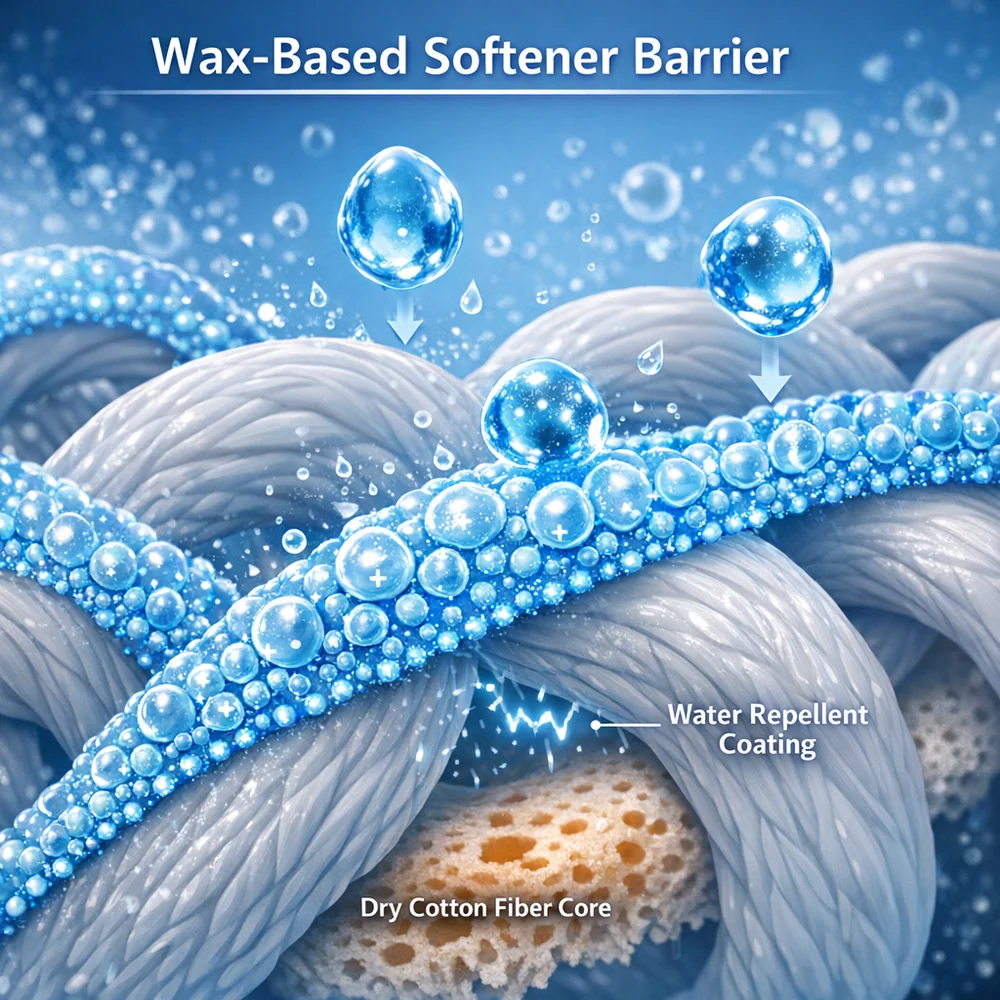
Fabric softener functions by coating natural fibers with a thin layer of electrically conductive lipids (fats) and silicones. On a synthetic polyester shirt, this coating successfully reduces static electricity and provides a smooth hand feel. On a cotton towel, however, this coating is catastrophic.
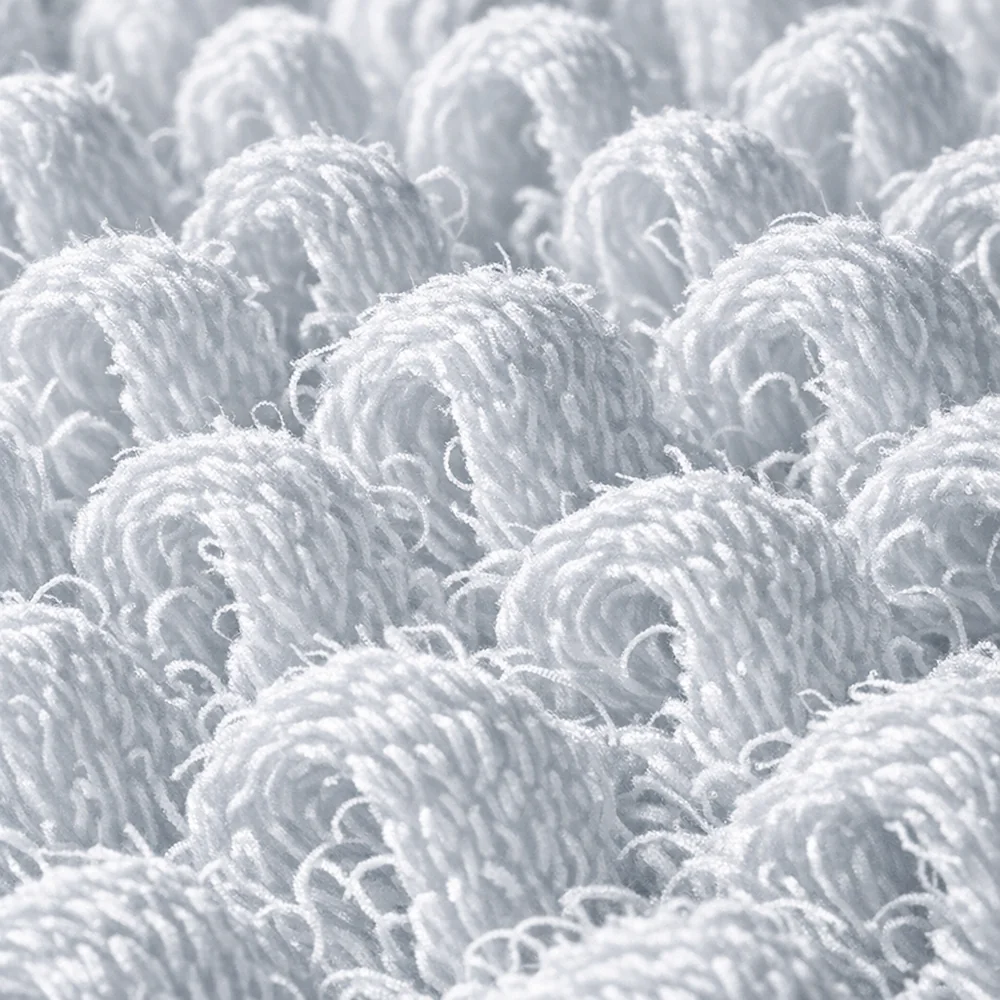
Cotton achieves its absorbency through capillary action within the hollow cellulose fibers and the physical surface area of the terry loop weave. Fabric softener effectively clogs these microscopic capillaries with wax. Over time, this waxy layer builds up, rendering the towel hydrophobic. You may feel a sensation of softness on the surface, but you are actually touching a layer of silicone or tallow that repels water.
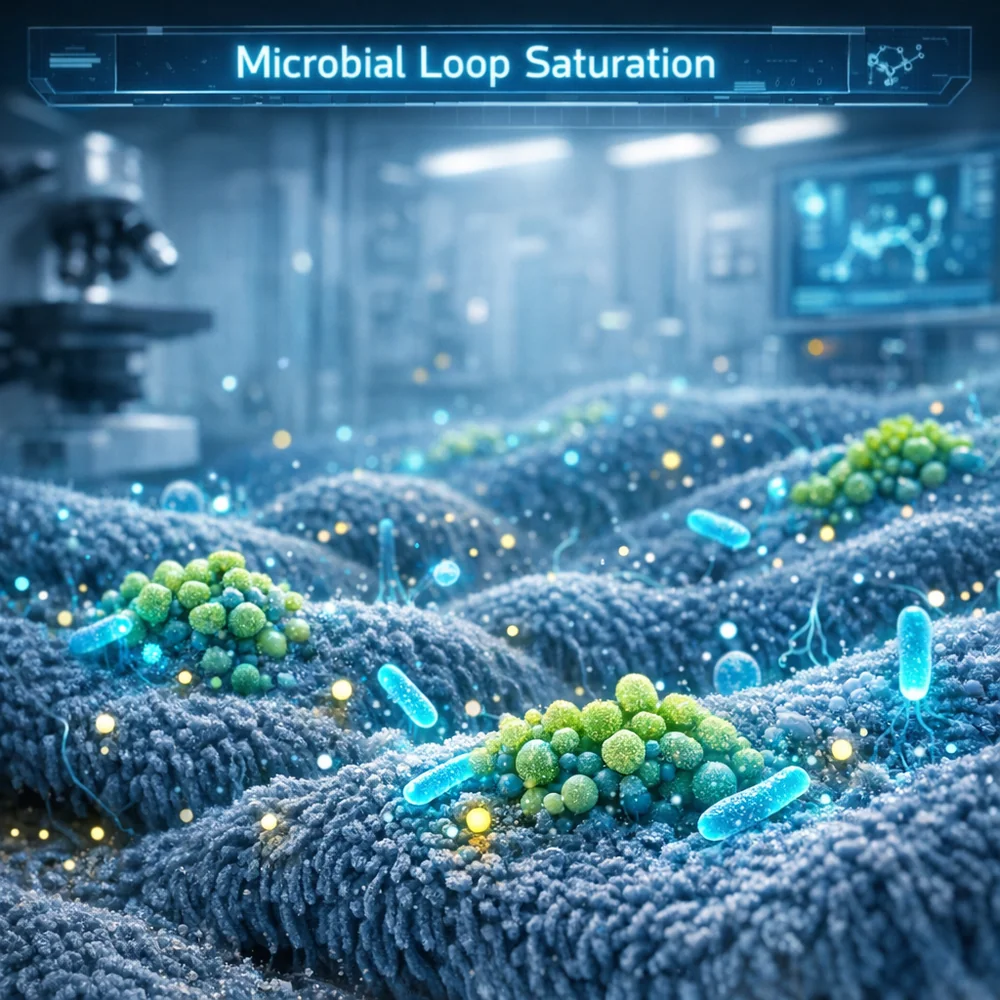
Furthermore, this sticky coating acts as a biofilm substrate, trapping bacteria and dead skin against the fiber. This biological entrapment leads to the dreaded sour towel smell that re-emerges instantly once the towel becomes damp.
The technical rule is absolute: never use fabric softener on towels or absorbent linens. To achieve softness mechanically, relying on the kinetic tumbling action of the dryer with wool dryer balls is the superior method. These heavy balls fluff the terry pile physically, separating the loops without depositing a chemical film.
The Bottom Line Fabric softeners coat fibers with hydrophobic lipids that block the capillary action of cotton. This destroys the absorbency of towels and traps odorous bacteria. Wool dryer balls act as a superior, chemical-free softening alternative.
How to Strip Towels with Vinegar
If your towels are already stiff, non-absorbent, or smell musty, they require stripping. This process uses acid to break down the alkaline detergent minerals and lipid softener residue that have bonded to the fiber. The reagent of choice is white distilled vinegar (5 percent acetic acid solution).
Restoration involves two distinct, sequential wash cycles. First, run the towels through a hot wash cycle with one cup of white vinegar and no detergent. The acetic acid reacts with the alkaline calcium deposits (from hard water) and soap scum, dissolving them back into solution so they can be rinsed away.
Follow this immediately with a second hot wash using half the normal amount of detergent and a half-cup of baking soda (sodium bicarbonate). The baking soda acts as a mild abrasive and deodorizer, scrubbing the fibers clean.
This acid-base reset clears the microscopic clog caused by months of improper washing. You will notice an immediate difference in the weight and texture of the fabric. Stripped towels feel lighter, fluffier, and drink water instantly.
The Bottom Line Vinegar (acetic acid) dissolves alkaline detergent buildup and mineral deposits that stiffen towels. A stripping cycle with vinegar, followed by a baking soda wash, restores the natural absorbency and softness of the terry cloth.
Why Hot Water Is Essential for Linens
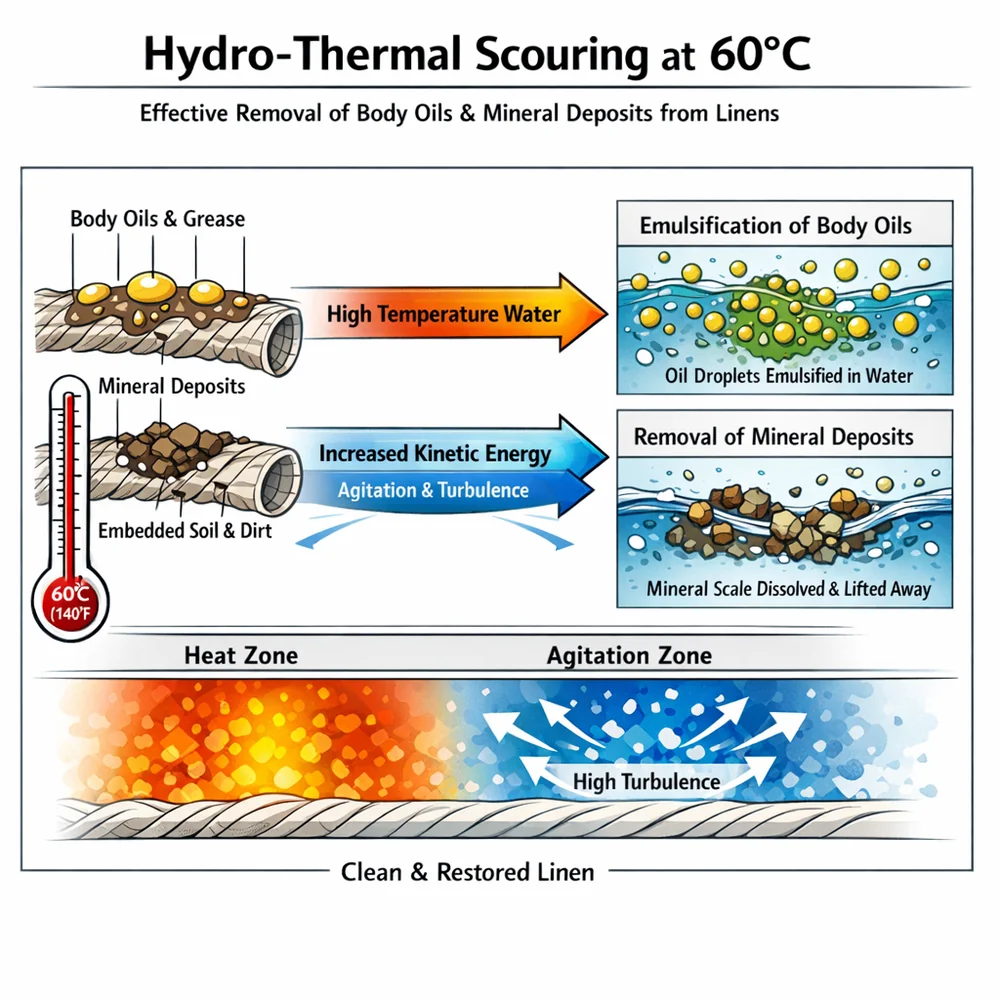
Sheets and towels are primary vectors for skin bacteria (Staphylococcus aureus) and fungal spores. Washing in cold water (classified as below 85°F), while energy-efficient, effectively creates a bacteria soup where germs are agitated and spread from one item to another without being killed. To achieve genuine sanitization without using damaging bleach, thermal energy is the primary weapon.
The target temperature for sanitization is 140°F (60°C). Most residential water heaters are safely set to 120°F to prevent scalding. Therefore, standard Hot cycles are often insufficient for disinfection. To compensate, selecting the Sanitize or Heavy Duty cycle on modern washers often activates an internal heating element to boost the water temperature.
If your washing machine lacks an internal heater, the dryer becomes the critical sanitizing step. Tumbling wet linens on High Heat for at least 45 minutes ensures thermal destruction of microorganisms through prolonged exposure. However, prolonged high heat degrades latex elastic. For fitted sheets with elastic perimeters, it is crucial to remove them while they are slightly damp or avoid the hottest setting if strict sanitization is not clinically required.
The Bottom Line Cold water washing does not kill skin bacteria or dust mites. A water temperature of 140°F (60°C) or a high-heat drying cycle is required to thermally sanitize bed linens and towels.
How to Whiten Linens Without Bleach
White linens eventually yellow due to the oxidation of body oils (sebum) and the degradation of optical brighteners. Chlorine bleach (sodium hypochlorite) is often the knee-jerk solution, but it has a significant downside. It chemically reacts with protein stains (sweat, skin) to make them more yellow, and it aggressively weakens the cellulose fibers, causing fraying and holes.
Oxygen bleach (sodium percarbonate) is the superior whitening agent for cotton. Unlike chlorine, which works by stripping color molecules, oxygen bleach releases hydrogen peroxide when mixed with water. This oxidizes the stain molecules without damaging the fiber integrity. It is safe for most colors and highly effective on protein-based body soils.
If whites still look dingy after oxidative cleaning, laundry bluing can be added to the rinse cycle. This old-fashioned additive deposits a microscopic trace of blue dye onto the fabric. Because blue and yellow are opposites on the color wheel, this blue tint cancels out the yellowing, tricking the human eye into perceiving a cooler, brighter white.
The Bottom Line Chlorine bleach damages cotton fibers and yellows protein stains. Oxygen bleach (sodium percarbonate) provides a safer oxidative whitening mechanism, while laundry bluing optically corrects dinginess without chemical damage.
How to Dry Towels for Maximum Softness
The tactile texture of a towel is largely determined by how the loops dry. If a wet towel is thrown into the dryer in a crumpled ball, the loops can get crushed or matted down as they dry. The technique starts at the transfer. Take each towel out of the washer and give it a sharp, aggressive snap or shake. This mechanical force generates centripetal force that unsticks the loops and stands them up before the thermal drying process begins.
Do not overload the dryer. Towels need significant air circulation to fluff up. A stuffed dryer will result in dense, flat towels with damp cores. Dry on medium heat with wool dryer balls to continuously agitate and separate the layers.
Over-drying cotton causes baking, which makes the fibers brittle and harsh (the crunchy feeling). Removing sheets and towels while they have 2 to 5 percent moisture content (cool to the touch) prevents static electricity and leaves the fabric feeling smoother and more supple.
The Bottom Line Snapping wet towels aligns the terry loops for maximum fluffiness. Avoiding dryer overload and removing sheets while slightly damp prevents thermal embrittlement, ensuring a soft hand feel.
How Microfiber Differs from Cotton
Not all towels are made of cotton. Microfiber towels (polyester/polyamide) are increasingly common for hair and gym use. Unlike cotton, which tolerates high heat, microfiber is plastic. High dryer heat will melt the microscopic fibers, fusing them together and destroying their absorbency. Always dry microfiber on Air Only or Low.
Never wash microfiber with cotton towels. The lint from the cotton will become permanently trapped in the microfiber hooks, rendering the towel useless for cleaning or drying.
The Bottom Line Microfiber is heat-sensitive plastic. Dry on low heat only. Wash separately from cotton to prevent lint contamination that clogs the synthetic fibers.
Why You Should Wash Towels Separately
Cotton terry cloth is unique. It is both a heavy lint generator and a lint magnet. Washing towels with items like corduroy, flannel, or high-pile fleece is a recipe for disaster. The lint from these fabrics will embed deeply into the towel loops, creating pills that feel rough against the skin. Conversely, washing towels with synthetic athletic wear will cover your black gym clothes in fine white cotton fuzz that is nearly impossible to remove.
Wash towels with towels. Segregating loads by fiber type prevents cross-contamination of lint. This simple sort step ensures that the loops remain clean and open, rather than matted with foreign fibers.
The Bottom Line Terry cloth is both high-linting and a lint magnet. Always wash towels in a dedicated load. Mixing them with fleece or synthetics leads to pilling and difficulty in debris removal.
How Often to Wash Linens
How often should you wash? this balance determines the lifespan of the linen. Towels should ideally be washed after every 3 uses. This prevents the bacterial colony from reaching a critical mass that results in permanent odor. Always hang towels to dry completely between uses to slow bacterial growth.
Sheets should be washed weekly. We shed millions of skin cells and a liter of sweat every night. Extending the wash interval allows oils to penetrate deeper into the fiber core, causing permanent yellowing that even oxygen bleach cannot reverse.
Pillowcases should be washed as often as possible, ideally every 2-3 days. The pillowcase absorbs the highest concentration of facial oils and hair products. Keeping this surface clean is a critical factor in preventing facial acne.
Conclusion
Mastering the laundry of linens and towels requires a disciplined rejection of chemical softeners and an embrace of thermal and acidic maintenance. The effectiveness of any protocol rests on the foundation of residue removal and proper sanitization. By respecting the absorptive physics of the cotton loop and the biological load of bedding, we can maintain a five-star hotel quality in our own homes.
This technical approach respects the function of the textile while optimizing for comfort and hygiene. Every fluffy, absorbent towel is a testament to the synergy between chemical stripping and mechanical agitation. Moving away from the more soap is better mindset allows for a cleaner, lighter laundry result. It prevents the buildup of hydrophobic scum and extends the useful life of the fabric.
References
- Journal of Surfactants and Detergents. “The Impact of Cationic Softeners on the Wettability of Cotton Terry Cloth.”
- American Cleaning Institute. “Sanitization Efficacy of Laundry Processes: Temperature vs Chemical Action.”
- Textile Research Journal. “Degradation of Cotton Cellulose by Chlorine vs Oxygen Bleach.”
- Consumer Reports. “Towel Absorbency Test: The Effect of Laundering Variables.”
- Journal of Hospital Infection. “Survival of Bacteria on Hospital Linens and the Efficacy of Washing Protocols.”