Restoring Yellowed Vintage Linens: Science-Based Whitening Methods
Table of Contents
Things You'll Learn From This Article:
- Yellowing usually comes from air, heat, light, and storage materials, not from the fabric “wearing out,” so the cloth underneath is often still strong.
- Where and how linens are stored matters more than how old they are; cool, dry, dark storage slows yellowing a lot.
- Oxygen-based bleach (like sodium percarbonate or OxiClean) can safely whiten old cotton and linen when mixed in fully dissolved warm water.
- Warm water helps whitening work better, but water that’s too hot or poorly mixed can damage or spot fragile fabric.
- Long, gentle soaking and patience are safer than short, harsh treatments, especially for badly yellowed pieces.
- Lemon juice and sunlight can whiten fast, but they also weaken fabric and are risky for anything valuable or sentimental.
- Brown age spots (foxing) are harder to remove than general yellowing and may need spot treatment with regular hydrogen peroxide.
- Old cardboard boxes, paper, and wooden drawers can cause yellowing by releasing acids into fabric over time.
- A mild baking soda soak can help neutralize acid damage before trying to whiten the fabric.
- Bluing doesn’t actually remove yellowing; it just hides it with blue dye and can look blotchy on fragile or uneven fabric.
- Lace and crochet need extra support when wet to prevent stretching, snagging, or losing their shape.
- Rinsing thoroughly is just as important as soaking, because leftover chemicals can settle back into the fabric.
- Old starch should be removed before whitening, since it yellows, traps stains, and blocks cleaning solutions from reaching the fibers.
- Re-starching is best done only right before use, not for long-term storage.
- Acid-free tissue paper and proper wrapping greatly reduce future yellowing during storage.
- Buffered tissue helps cotton and linen but should not be used with silk or wool.
- Some damage, like dry rot and brittle fibers, cannot be fixed and will worsen with aggressive cleaning.
- Thin, cracking, or powdery fabric is a sign to stop cleaning and consider display or professional help instead.
- Not every textile needs to be perfectly white; sometimes preservation is safer than pushing for more cleaning.
- Knowing when to treat, when to stop, and when to store properly helps keep family linens usable for longer.
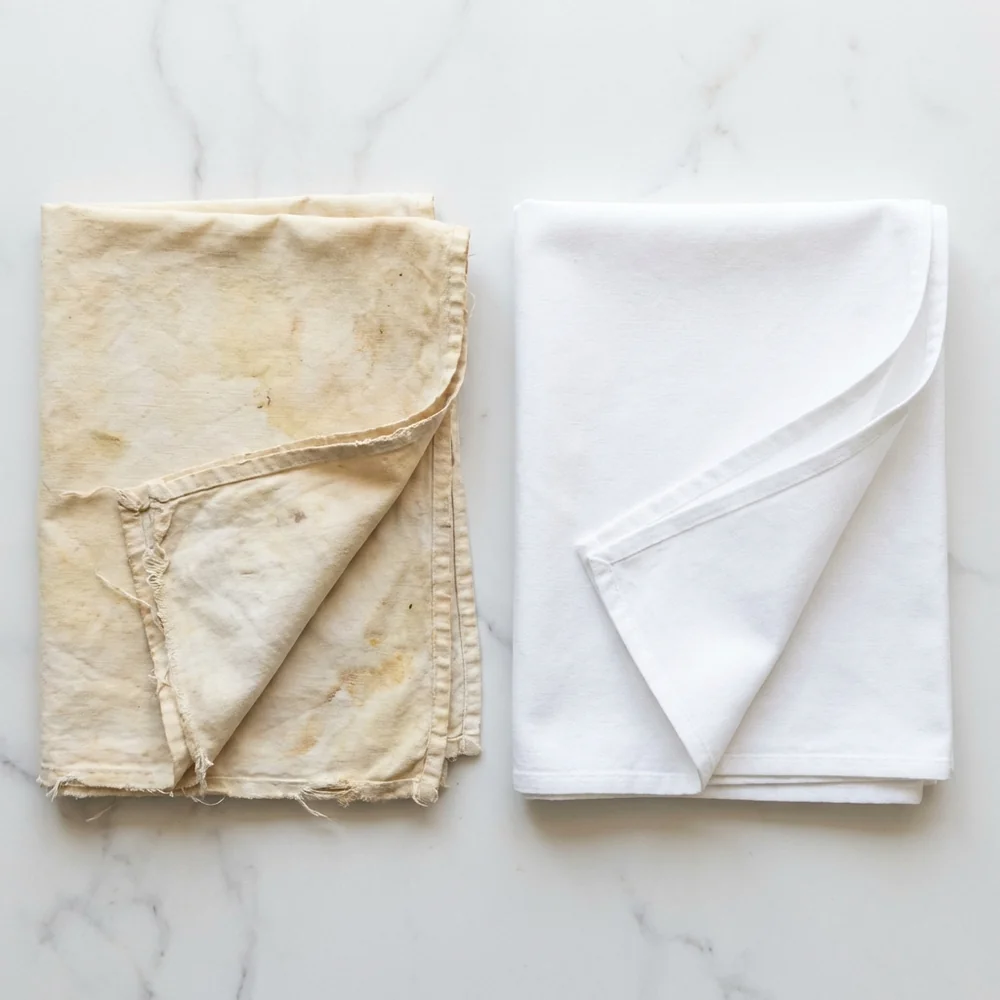
The drawer opens to reveal grandmother’s tablecloth, carefully saved for decades but now noticeably yellow with scattered brown spots. What was once crisp white linen looks like old paper. This kind of transformation feels like irreversible damage, but the fibers themselves are often perfectly sound beneath the discoloration.
Understanding why fabrics yellow makes all the difference between gentle, effective restoration and aggressive treatment that might harm the very textiles you’re trying to save.
Some pieces respond dramatically, while others prove more stubborn. The methods here cover both traditional approaches and modern chemistry, offering options for various levels of discoloration and fabric fragility.
Why Cotton and Linen Yellow Over Time
The yellowing of stored cotton and linen comes primarily from oxidation, where oxygen in the air reacts with organic compounds in the fabric to create colored molecules. The fibers themselves are cellulose, a fairly stable material. The problem is the small amounts of other organic stuff, like lignin, pectin, and natural waxes, that are more vulnerable to oxidation.
Storage conditions matter enormously. Heat speeds up chemical reactions, so textiles in warm attics or near heating vents yellow faster than those kept in cool basements. Humidity helps the reactions along too. Textile preservation specialists at the Smithsonian Museum Conservation Institute recommend keeping temperatures below 70°F (21°C) with relative humidity between 30 and 50 percent.
Light exposure, especially UV radiation, provides energy that kicks off oxidation. Even brief periods in the sun can start the process, which then continues quietly in dark storage. This explains why textiles in clear plastic containers often show worse discoloration than those stored in opaque boxes.
Time obviously plays a role, with longer storage allowing more discoloration. But conditions matter more than age. Properly stored linens can remain white for generations while poorly stored ones yellow within years.
Key Insight: Oxidation of accessory compounds like waxes causes yellowing, accelerated by heat, humidity, and UV light.
Sodium Percarbonate Soaking
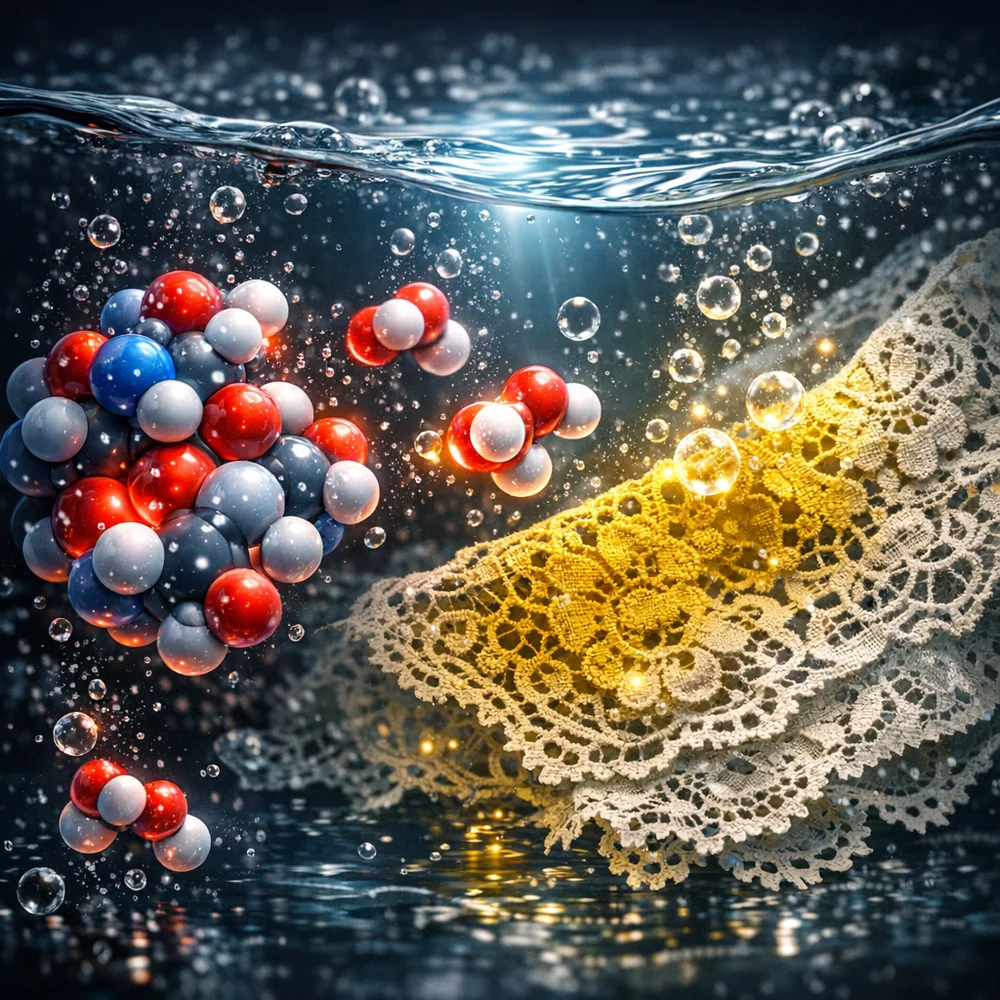
Sodium percarbonate is an oxygen-based bleach that releases hydrogen peroxide when dissolved in water. This active ingredient attacks the yellow compounds, breaking them into smaller colorless pieces that wash away. Unlike chlorine bleach, which can weaken fibers and damage fabric, sodium percarbonate works gently when used correctly.
The chemistry needs warm water to activate properly.
Below about 100°F (38°C), sodium percarbonate dissolves slowly and works at reduced rates. The sweet spot is between 130°F and 150°F (54°C to 66°C), which speeds up both dissolution and whitening without being hot enough to stress aged fibers.
Use about one tablespoon of sodium percarbonate per quart of warm water. Products like OxiClean contain this as their active ingredient, though concentrations vary. Dissolve the powder completely before adding textiles, since undissolved granules can create localized bleaching spots. Use a container big enough that the fabric can be fully submerged without bunching.
Soaking time depends on severity. Lightly yellowed pieces might respond in a couple of hours. Heavily yellowed fabrics might need overnight soaking or even multiple 24-hour sessions with fresh solution. Check progress periodically. When the fabric looks acceptable or stops improving, remove it for rinsing.
According to textile restoration guides, thorough rinsing with cool clean water removes both the bleach and the dissolved yellow stuff, preventing redeposition during drying.
Key Insight: Sodium percarbonate activates best between 130°F and 150°F (54°C to 66°C), releasing hydrogen peroxide safely.
The Risks of Lemon Juice and Sunlight
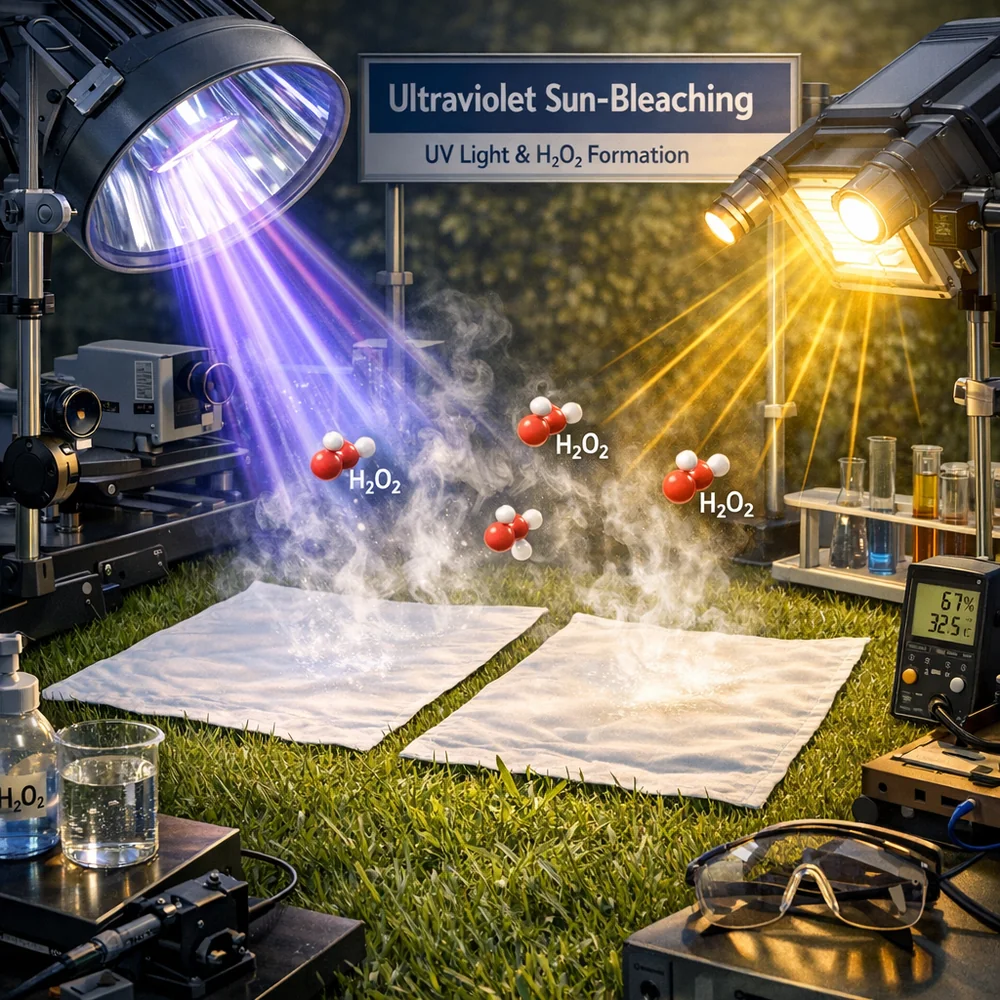
Folk wisdom often recommends lemon juice and sunlight for whitening yellowed linens. This combination can produce dramatic results, with severe yellowing fading to white over hours of sun exposure. The appeal is obvious. But these methods carry real risks that deserve consideration before applying them to valuable textiles.
Lemon juice contains citric acid, which acts as a mild bleach that intensifies under UV light. The visible results can seem magical. But residual citric acid weakens cellulose fibers through hydrolytic degradation, which accelerates with later heat exposure.
Sunlight itself damages aged textiles. While UV helps drive the whitening reaction, it simultaneously damages both fibers and any colored elements like embroidery. Extended exposure leaves fabric brittle and prone to tearing.
The American Institute for Conservation recommends against sun bleaching for valuable textiles. Reserve this method for sturdy, purely white fabrics of limited sentimental value. If you do use it, rinse thoroughly afterward to remove citric acid residue, similar to proper protocols for delicate items.
Key Insight: Avoid lemon juice and sun bleaching on valuable textiles because residual acid and UV exposure weaken fibers over time.
Dealing with Age Spots and Foxing
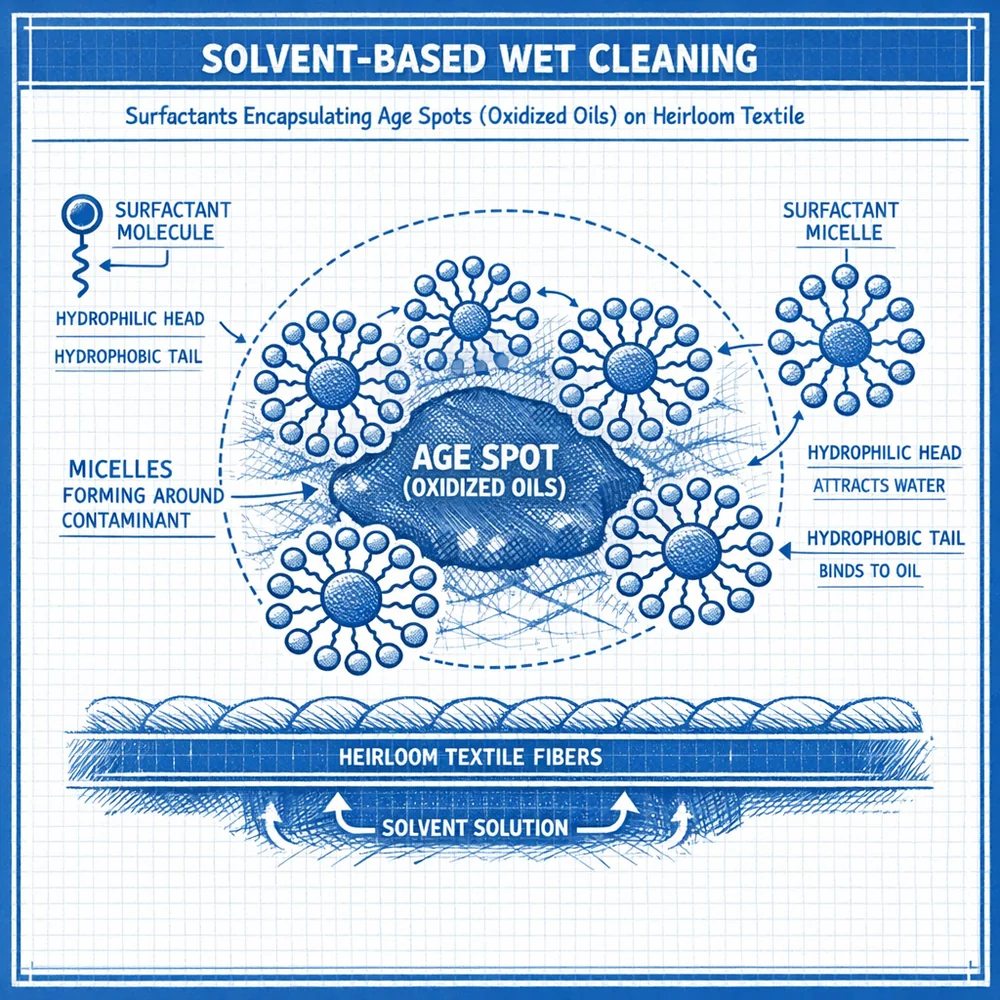
Foxing refers to the scattered brown spots that appear on aged paper and textiles, named for their supposed resemblance to fox fur. The exact causes remain debated: fungal growth, metal contamination from storage materials, or localized oxidation of impurities. Whatever the cause, these spots often resist treatment more stubbornly than general yellowing.
Start with the sodium percarbonate soak described above, which handles both yellowing and milder foxing at once. For spots that remain, targeted hydrogen peroxide application may help. Using standard 3% drugstore strength, apply small amounts directly to remaining spots with a cotton swab or small brush.
Let the peroxide sit for 10 to 15 minutes, then blot and rinse. Repeat as needed, but watch carefully for any signs of fiber weakening. Some foxing, particularly from metal contamination, requires specialized chelating agents like EDTA to remove. These treatments venture into professional territory. The Textile Society of America maintains resources for finding qualified conservators for valuable pieces.
Key Insight: Foxing spots are stubborn. Treat first with percarbonate soaking, then carefully spot-treat remaining marks with 3% hydrogen peroxide.
Neutralizing Acid Damage from Storage
The materials used to store textiles can contribute to yellowing. Cardboard boxes, wooden drawers, and some papers release acidic compounds over time that migrate into fabrics. Signs of acid damage include brittleness and yellow-brown discoloration worst where fabric contacted storage materials.
A mild alkaline wash neutralizes absorbed acids. Baking soda (sodium bicarbonate) dissolved in water provides gentle alkalinity without harsh chemicals. Use about one tablespoon per quart of water, soak the fabric briefly (15 to 30 minutes), then proceed with percarbonate whitening if discoloration remains.
This two-step approach addresses both the acid damage and its visible effects. For the less common situation of alkaline storage conditions, a very dilute vinegar rinse (one tablespoon per gallon) followed by thorough plain water rinsing can help.
Key Insight: Neutralize acid damage from cardboard or wooden storage with a mild baking soda soak before attempting whitening.
Why Bluing Agents Can Be Risky
Bluing agents have been used for centuries to counteract yellowing. They contain blue dyes at very low concentrations that add a subtle tint, and because yellow and blue are complementary colors, the combination looks white to your eye. It’s an optical trick rather than actual whitening.
Modern bluing can effectively improve the appearance of yellowed linens, but vintage textiles require caution. Bluing doesn’t address underlying causes, so treated fabrics may keep darkening as oxidation continues. More concerning, aged fabrics that have become brittle may absorb bluing unevenly, creating mottled results rather than uniform whiteness.
Consider bluing as a cosmetic fix for linens you’ll actually use rather than preserve. A tablecloth destined for holiday dinners might benefit from improved appearance despite remaining yellowing. Heirloom pieces meant for long-term preservation deserve actual whitening through peroxide-based methods.
Key Insight: Bluing agents only mask yellowing and can stain brittle vintage fibers unevenly. Use actual whitening methods for valuable pieces.
Rinsing Delicate Lace and Crochet
Open-work textiles like lace and crochet need modified handling throughout the whitening process. Their structure makes them prone to snagging, stretching, and distortion when wet. Improper rinsing leaves residue trapped in intricate spaces.
Support these items throughout by placing them on fiberglass screening, fine mesh fabric, or a smooth cotton pillowcase. This support layer allows lifting and moving without directly handling the wet, fragile piece. The support should extend beyond all edges to prevent stretching at the margins.
Rinsing requires more water changes than ordinary fabrics because solution trapped in the open work takes longer to dilute. Fill the basin with clean cool water and gently press the textile and its support to encourage water exchange. Avoid any rubbing or wringing. Drain and refill repeatedly until water runs completely clear.
After rinsing, remove excess water by pressing the textile (still on its support) between clean dry towels. Don’t twist. Transfer to a dry surface and lay flat, arranging into proper shape while still damp. Pins at intervals help maintain correct dimensions during drying. According to museum conservation practices, blocking while damp preserves both appearance and structure.
Key Insight: Always support delicate lace on mesh or a pillowcase during rinsing to prevent tearing or stretching.
Remove Old Starch Before Treatment
Starch has been applied to linens for centuries to provide crispness. While it improves appearance and feel, it creates problems for long-term storage and whitening treatment. Starch itself yellows over time and attracts insects.
Heavily starched vintage linens may have layers built up over decades. This residue traps yellowing compounds against the fabric, making whitening less effective because the treatment acts on surface starch rather than the actual discoloration.
Warm water dissolves starch readily. Soak the textile in plain warm water (about 100°F/38°C) for 30 minutes to an hour, changing water when it becomes cloudy. Multiple soaks may be needed for heavily starched items.
After starch removal, proceed with whitening. Don’t re-starch before storage. If the piece will be used occasionally, starch before each use and wash again before returning to storage. The Cornell University Cooperative Extension recommends this approach for maintaining both usability and preservation.
Key Insight: Remove old starch with a warm water soak before whitening so oxidizing agents can actually reach the fibers.
Proper Storage with Acid-Free Materials
The materials that directly contact stored textiles significantly influence their long-term condition. Standard tissue paper, newsprint, and colored papers contain acids that transfer to fabrics. Cardboard boxes release acidic compounds as they age. Even wooden drawers and shelves can off-gas acids.
Acid-free tissue paper has a neutral or slightly alkaline pH and provides a safe barrier. Interleave folds with tissue to reduce creasing and prevent fabric-to-fabric contact. Wrap entire pieces before placing in boxes or drawers.
The “buffered” designation indicates added alkaline compounds that neutralize acids over time. Buffered tissue offers enhanced protection but should be avoided for protein fibers like silk and wool, which can be damaged by alkaline conditions.
Archival storage materials are available from specialty suppliers serving museums, libraries, and quilters. While more expensive than regular tissue, the cost is minimal compared to the value of textiles being protected. Replace tissue every few years, as even acid-free materials can absorb environmental contaminants.
Key Insight: Use acid-free tissue to buffer textiles against acidic containers and replace it every few years.
Knowing When Damage Is Permanent
Not all damage can be fixed through cleaning. Dry rot, despite the misleading name, means the cellulose fibers themselves have broken down. Affected areas become weak, brittle, and prone to tearing.
Visual signs include powdery residue when flexed or areas where the weave seems to dissolve when touched. Once fiber structure breaks down, no treatment can restore it. Aggressive cleaning actually accelerates damage by stressing already weakened fibers.
When evaluating vintage textiles, hold fabric to light and look for thin spots. Gently flex small areas to see if the fabric moves as a unit or seems ready to crack. Pieces that fail these tests may be better candidates for stabilization and display rather than functional use.
Textile conservators can sometimes stabilize fragile textiles by backing with support fabric or applying consolidants. But these require professional expertise.
Key Insight: Dry rot is physical fiber degradation. If fabric crumbles or tears easily, cleaning may cause more harm than good.
Conclusion
Restoring yellowed vintage linens combines chemistry, patience, and realistic expectations. Not every piece emerges snow-white, and some perhaps shouldn’t be treated at all if their fragility outweighs potential benefit. What remains constant is the value these textiles hold as connections to the past.
The tablecloth from family gatherings, the handkerchiefs carried at weddings, the linens from grandmother’s guest room, all carry meaning beyond material value. Proper treatment preserves not just the fabric but the possibility of continued use and appreciation.
Whether the goal is active use or careful preservation, understanding the science makes informed decisions possible.
References
Smithsonian Institution. “Care of Historic Textiles.” Museum Conservation Institute.
Cleveland Museum of Art. “Textile Conservation and Restoration.” Conservation Resources.
American Institute for Conservation. “Caring for Textiles.” Consumer Resources.
Textile Society of America. “Find a Conservator.” Professional Resources.
Metropolitan Museum of Art. “Textile Conservation.” Conservation Department.
Cornell University Cooperative Extension. “Storing Textile Collectibles.” Home Economics Publications.
Library of Congress. “Preservation of Textiles.” Preservation Resources.