Removing Protein Stains: The Science of Biological Soil Breakdown
Table of Contents
Things You'll Learn From This Article:
- Hot water can permanently lock protein stains into fabric, so starting with cold water gives you a real chance to remove them.
- Protein stains act like raw eggs: once “cooked” by heat, they stick hard and don’t come out.
- Enzyme detergents work better than regular soap for food, blood, milk, and sweat because they break proteins into washable pieces.
- Soaking beats scrubbing for these stains; time lets enzymes work without damaging the fabric.
- Fresh blood comes out easiest if you flush it with cold water from the back of the fabric before it dries.
- Hydrogen peroxide can lift blood stains on light fabrics by bubbling the particles out, but it should be rinsed well afterward.
- Milk and dairy stains need grease removed first with dish soap so enzymes can reach the protein underneath.
- Mud is easier to clean when it’s fully dry—brushing off the crust first prevents spreading it deeper.
- Grass stains often need alcohol to loosen the green color before an enzyme soak can finish the job.
- Baby formula and vomit stains should be neutralized quickly with baking soda to stop acids from damaging fabric.
- Lingering smells usually mean protein residue is still there, so an overnight enzyme soak helps prevent sour odors.
- Chlorine bleach can turn protein stains yellow and permanent, even on white clothes.
- Oxygen bleach and hydrogen peroxide whiten safely without burning protein into the fabric.
- Hard scrubbing can push stains deeper and wear out fibers, while gentle blotting or tamping works better.
- Dryer heat can “bake in” missed stains, but rehydrating them with glycerin can make enzyme cleaning possible again.
- Upholstery should be cleaned with foam and blotting, not soaking, to avoid water damage and mold.
- Washing clothes in cold water by default helps prevent hidden protein stains from setting.
- Using enzyme-based detergent regularly keeps everyday buildup from turning into permanent stains.
Protein stains are a tricky bunch because they are fundamentally different from simple dirt or oil.
When you drop a piece of cheese or cut your finger, you are dealing with complex biological matter that reacts to its environment. Imagine a raw egg hitting a hot pan. It turns from a clear liquid into a solid white rubbery mass almost instantly. That is exactly what happens to protein stains on your clothes if you treat them with hot water. The heat cooks the protein and bonds it to the fabric fibers, making it nearly impossible to remove.
The secret to winning this battle is to keep the protein in its raw, uncooked state until you can wash it away.
You need to understand that proteins are like tangled balls of yarn that can lock onto your clothes if they unravel the wrong way. If you hit them with heat or the wrong chemicals, they snap open and grab onto the fabric like superglue. Your goal is to use cold water and specific enzymes to gently untangle them and rinse them away.
Think of this guide as your rulebook for handling everything from blood and milk to mud and baby formula without ruining your favorite shirt.
Why Heat is the Enemy of Protein Stains
The most important rule you will ever learn about laundry is to never put a protein stain in hot water.
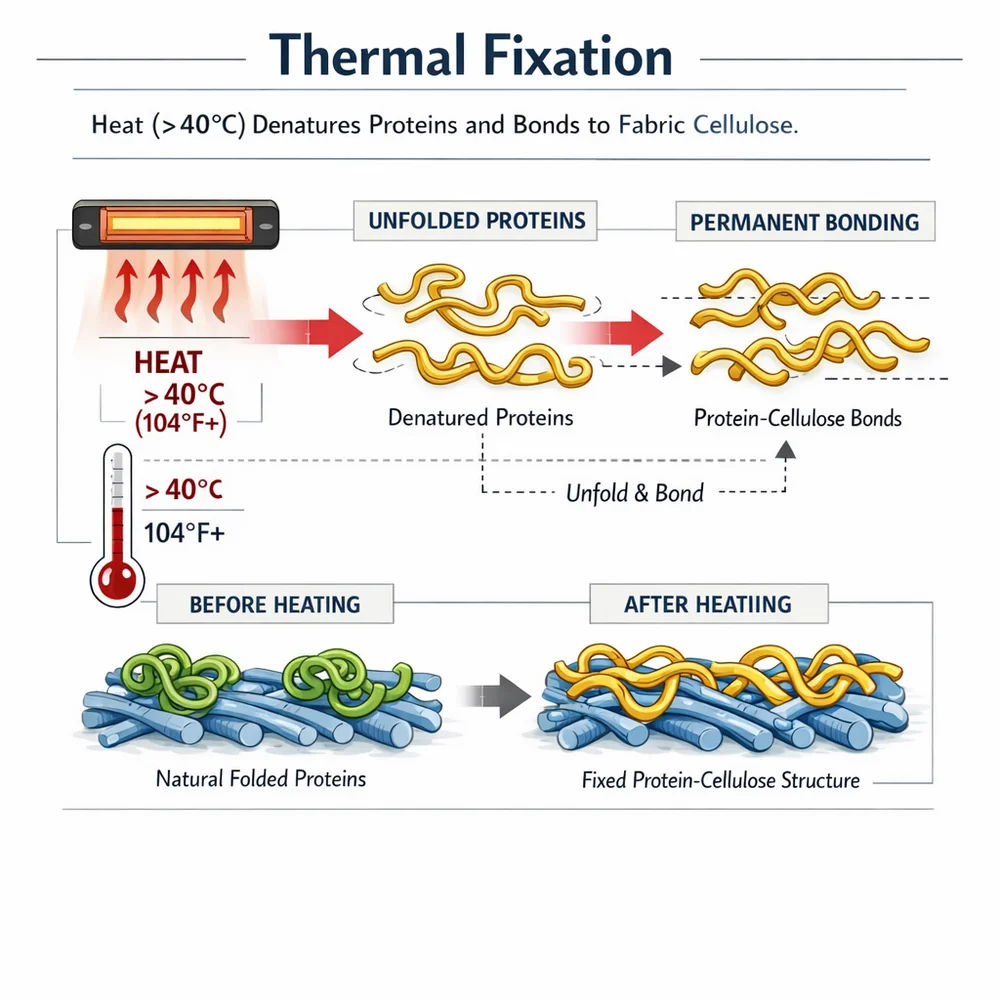
Heat provides the energy that causes proteins to denature and change their shape. This is the same chemical process that turns a soft steak into shoe leather if you leave it on the grill too long. In the world of laundry, this “cooking” happens at surprisingly low temperatures. Once that protein cooks, it forms a chemical bond with the cotton or polyester fibers of your clothes.
We call this “heat-setting” the stain.
When a stain is heat-set, it effectively becomes part of the fabric itself. No amount of scrubbing or detergent will remove it because it is no longer just sitting on top of the fibers. It has fused with them. This is why you must always start your stain removal process with cold water.
Cold water keeps the proteins relaxed and soluble so they can be washed away.
It also prevents other chemical reactions, like the iron in blood turning into rust, which can leaves a permanent yellow mark. By sticking to cold water, you buy yourself time and keep the stain in a state where it can still be treated. You can always turn up the heat later in the wash cycle once the actual stain is gone, but you can never undo the damage of a hot start.
The Bottom Line Heat causes protein stains to cook and chemically bond with fabric fibers, creating a permanent mark. Always start with a cold water rinse to keep the protein soluble and easy to remove.
The Enzyme Solution: Your Secret Weapon
You cannot just rely on soap and water to get rid of tough biological stains.
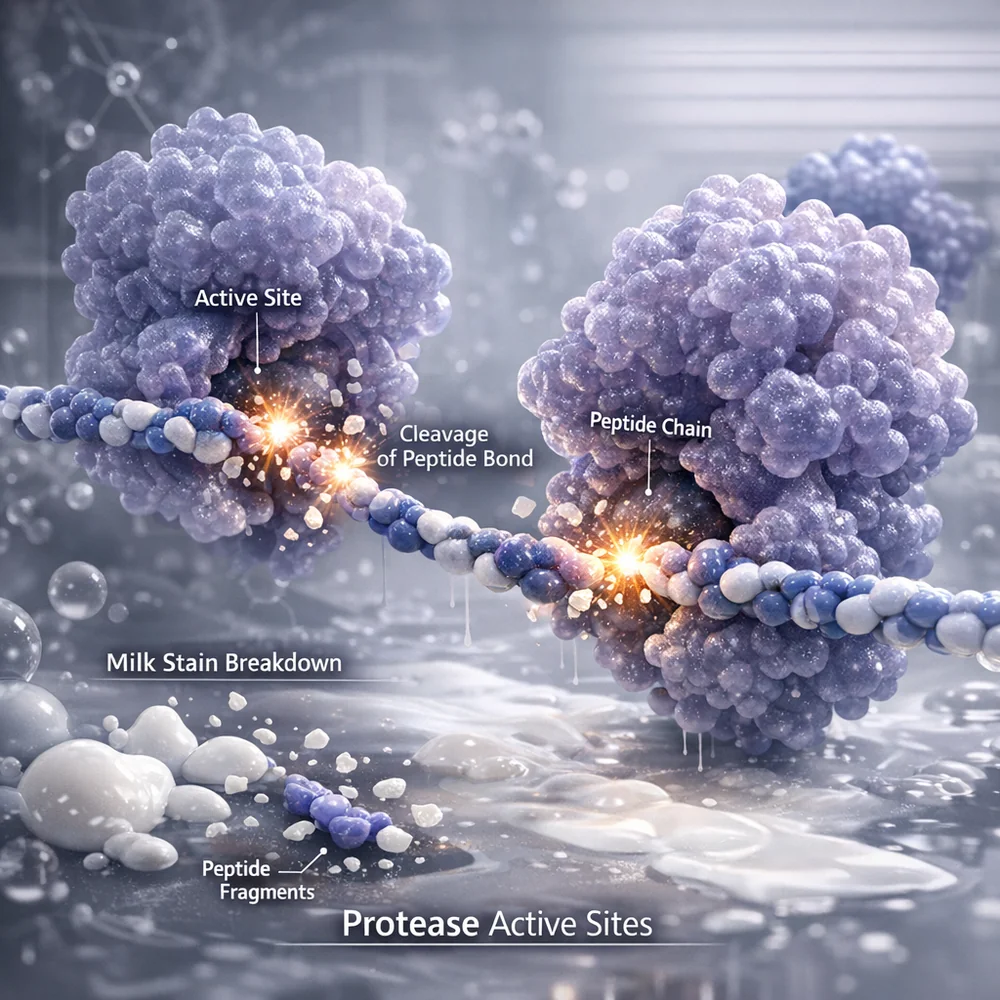
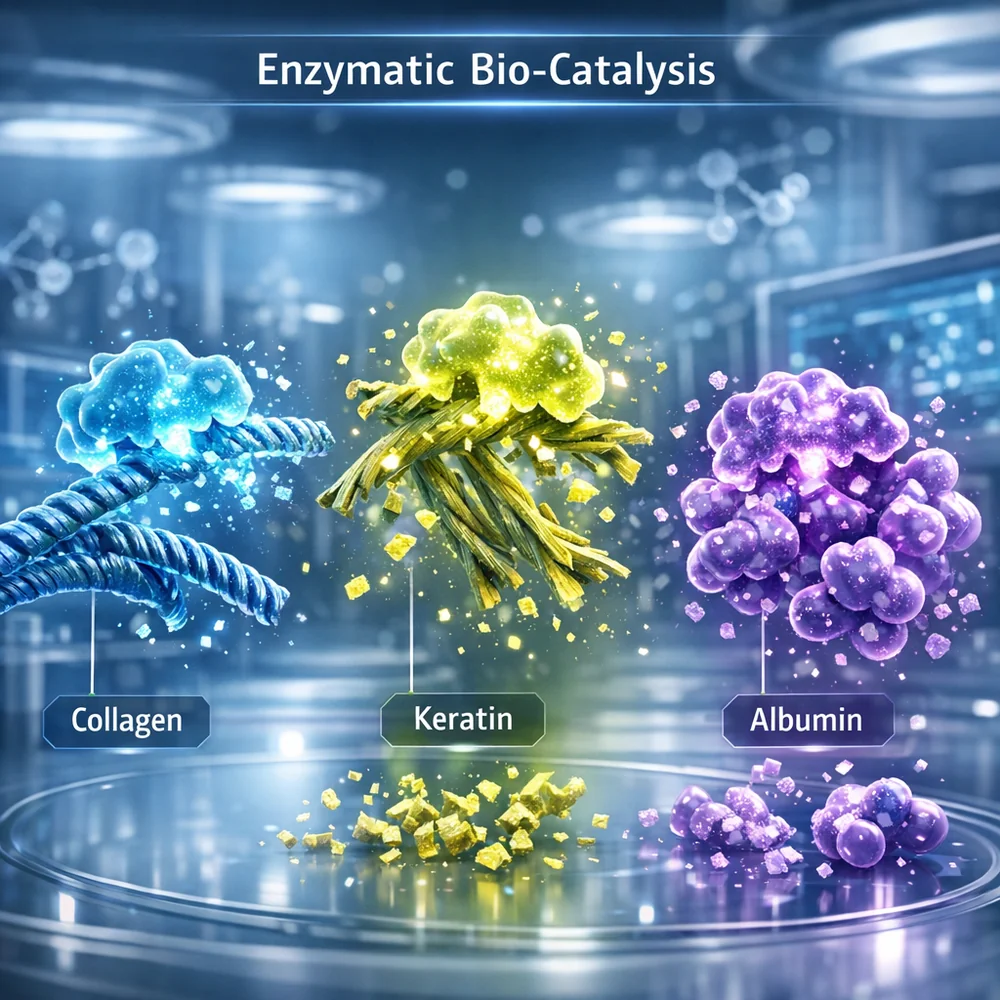
You need a tool that is designed to break down the proteins at a molecular level. This is where laundry enzymes come into play. Specifically, you want a detergent that contains protease. Protease is a biological catalyst that acts like a pair of microscopic scissors.
These enzymes float around in the wash water and look for long protein chains.
When they find one, they snip the bonds that hold the chain together. This turns a large, sticky protein molecule into tiny, water-soluble pieces that can easily be rinsed away. It is a much smarter way to clean because it uses chemistry instead of brute force.
The only catch is that enzymes need time to work.
Unlike regular soap which works instantly, enzymes need to sit on the stain for a while to do their job. This is why soaking is such a powerful technique for protein stains. An overnight soak in enzyme-rich water gives those microscopic scissors plenty of time to chop up every last bit of the stain.
The Bottom Line Protease enzymes act like molecular scissors that cut protein chains into tiny pieces. To get the best results, give the enzymes plenty of time to work by soaking the stained item before washing.
Protocol for Fresh Blood Stains
Blood is probably the most alarming protein stain you will encounter, but it is actually quite easy to remove if you act fast.
The redness of blood comes from hemoglobin, which contains iron. If you let it dry or hit it with hot water, that iron will oxidize and leave a rusty mark. The first thing you should do is take the garment to the sink and run cold water through it from the back of the fabric.
Flushing from the back helps push the blood out of the fibers instead of driving it deeper.
Keep the water running until it runs clear. If a shadow remains, reach for the hydrogen peroxide. Pour a little bit directly onto the stain and watch it bubble. Those bubbles are oxygen gas being released as the peroxide reacts with the blood enzymes.
The fizzing action helps to mechanically lift the blood particles out of the weave.
After the bubbling stops, rinse the area with cold water again. If the stain is stubborn, you can rub a little bit of salt into the fabric to help draw out the moisture and remaining pigments. Follow this up with a good wash in a cold cycle using an enzyme detergent, and the blood should disappear completely.
The Bottom Line Flush fresh blood with cold water from the back of the fabric, then use hydrogen peroxide to bubble out the residue. Never use hot water, as it will lock the iron into the fabric and create a permanent rusty stain.
Dairy and Milk: The Fat Barrier
Milk, cream, and yogurt stains are tricky because they are a combination of protein and fat.
The protein part is casein, which acts like a glue, but it is surrounded by a layer of milk fat. If you try to attack the protein immediately, the enzymes might not be able to get through that greasy barrier. You need to break down the fat first.
Your best friend here is a good quality dish soap or a dedicated oil-removal surfactant.
Apply a drop of dish soap directly to the dry stain and gently rub it in. Dish soap is designed to cut through grease, so it will dissolve the lipid layer and expose the protein underneath. Once you have rinsed away the soap and the fat, you are left with just the protein.
Now you can bring in your laundry detergent.
Soak the item in cool water with plenty of enzymes to digest the casein. Be careful with the temperature here. You want the water warm enough to help melt any remaining fat, but not so hot that it cooks the milk protein. A lukewarm temperature of around eighty-five degrees Fahrenheit is usually the sweet spot.
The Bottom Line Dairy stains have a fatty outer layer that protects the protein core. Use dish soap to strip away the fat first, then follow up with an enzyme detergent to digest the milk proteins.
Mud and Grass: The Bio-Glue
You might think mud is just dirt, but it is actually a complex mix of soil, bacteria, and plant matter.
The organic parts of the mud act like a glue that holds the dirt particles to your clothes. If you only wash away the dirt, the biological glue stays behind and leaves a dull shadow. Grass stains are similar, but bacteria and chlorophyll add an extra layer of difficulty.
The trick with mud is to let it dry completely before you touch it.
If you try to wipe wet mud, you will just smear it deeper into the fabric. Once it is bone dry, use a stiff brush to scrape off as much of the crusty surface dirt as possible. This removes the bulk of the problem without wetting the fabric.
For the remaining stain, you need a long soak.
Grass stains in particular are like a natural dye. You might need to dab them with a little rubbing alcohol to break down the green pigment before soaking. Then, submerge the gear in cold water with a heavy dose of enzyme detergent. The enzymes will eat away the biological binders and release the dirt so it can be washed away.
The Bottom Line Let mud dry completely and brush it off before getting it wet. Use alcohol to break down green grass pigments, then soak in enzyme detergent to dissolve the organic glue holding the dirt to the fabric.
Managing Baby Formula and Vomit
These are the stains that every parent dreads, and they are chemically very aggressive.
They contain proteins, fats, and harsh stomach acids that can damage fabric quickly. The acid is the real danger here because it can burn the fibers and cause a permanent yellow discoloration. You need to neutralize that acid as soon as possible.
Baking soda is the perfect tool for this job.
Sprinkle some baking soda on the stain or make a paste with a little water. This will fizz slightly as it neutralizes the acid and brings the pH back to a safe level. Once the acid is gone, rinse the solids away with cold water.
The smell is another issue you have to deal with.
Those protein residues can start to rot if they are left deep in the fabric, creating that lingering sour smell. An overnight soak is mandatory here. Use a detergent that is pH-neutral and packed with enzymes to ensure every microscopic bit of food is digested. This will keep your baby clothes smelling fresh and looking clean.
The Bottom Line Vomit and baby formula contain acids that damage fabric, so neutralize them immediately with baking soda. Follow with a thorough enzyme soak to remove proteins that cause lingering sour odors.
The Chlorine Bleach Warning
It is tempting to grab the bleach bottle when you see a stain on a white shirt, but you must resist.
Chlorine bleach is a disaster for protein stains. It does not remove them; it reacts with them. When chlorine hits protein, it causes a chemical yellowing known as “bleach burn.”
This is why yellow armpit stains on white t-shirts are so common.
The bleach reacts with the proteins in your sweat and tans them into the fabric forever. Once this happens, there is no going back. You have effectively dyed the stain into the shirt.
For white items with protein stains, always stick to oxygen bleach.
Products like sodium percarbonate or hydrogen peroxide are safe to use. They whitened by releasing oxygen bubbles that lift the stain without chemically burning the protein. Save the chlorine bleach for sanitizing towels, not for removing food or body spills.
The Bottom Line Never use chlorine bleach on protein stains as it causes permanent yellowing. Stick to oxygen-based bleaches like hydrogen peroxide to safely whiten fabrics without setting the stain.
Soaking vs. Scrubbing
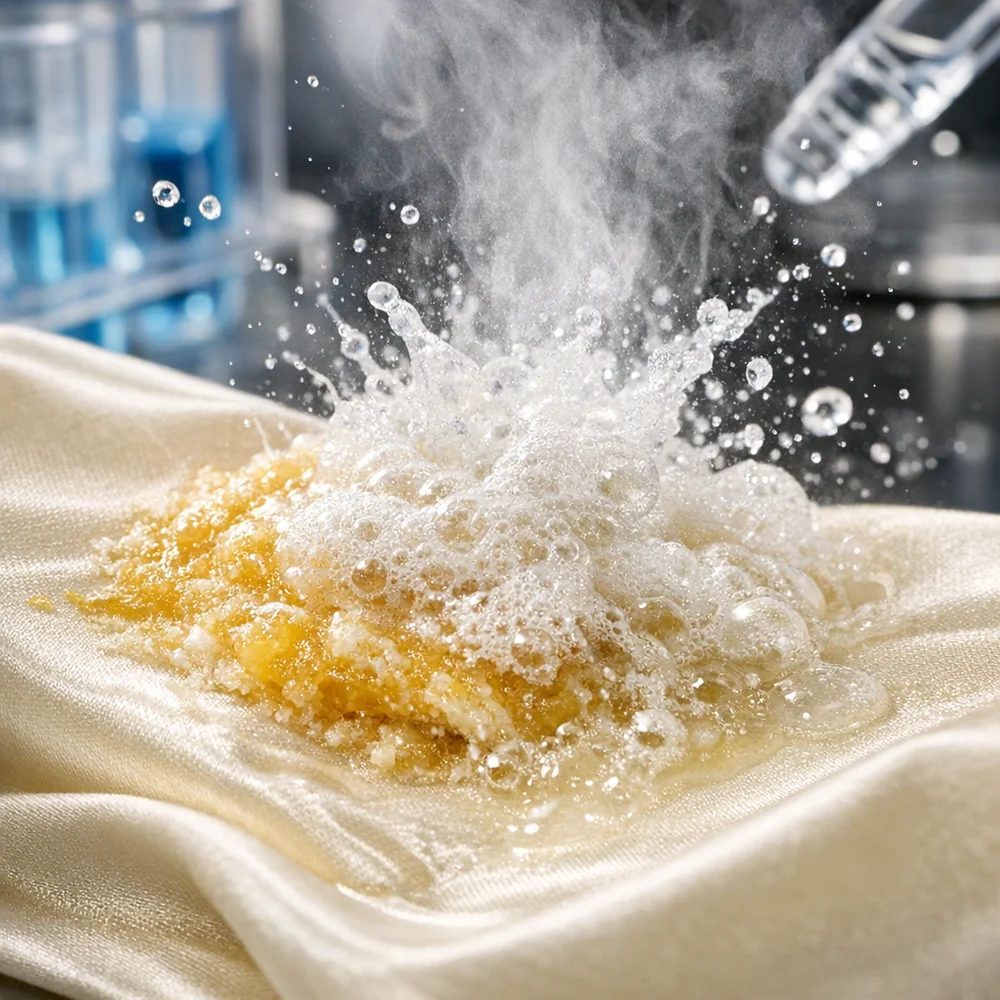
We are often taught that we need to scrub hard to get a stain out, but that is wrong for proteins.
Scrubbing drives the stain deeper into the fabric and can damage the fibers, making them look fuzzy and worn. You want to rely on chemistry, not muscle. Let the enzymes do the heavy lifting for you.
Patience is your best scrubbing brush.
Instead of rubbing the fabric for two minutes, let it soak for two hours. The enzymes will work gently and effectively without harming the material. If you must use some friction, try a tamping motion.
Tamping involves tapping the stain with a brush or cloth to push it out of the fabric.
This is much gentler than a circular scrubbing motion. It respects the weave of the fabric and prevents pilling. Remember that your goal is to dissolve the stain chemically, not sand it off physically.
The Bottom Line Avoid aggressive scrubbing which can damage fibers and push stains deeper. Rely on long soaking times to let enzymes do the work, and use gentle tamping if mechanical action is needed.
Saving “Baked-In” Stains
Sometimes we miss a stain and it goes through the dryer.
These “baked-in” stains are the hardest to remove because the heat has denatured the protein and dried it out completely. It is like trying to wash dried cement. To fix this, you need to rehydrate the stain before you can clean it.
Glycerin is a secret weapon for these situations.
You can buy liquid vegetable glycerin at most drugstores. Mix it with a little water and apply it to the hardened stain. Let it sit for about an hour. The glycerin will pull moisture into the protein and soften it up, making it flexible again.
Once the stain is softened, it is ready for the enzyme soak.
It might take a few tries to get a heat-set stain out completely. Be patient and repeat the soak-wash cycle as needed. If a faint mark remains after all that effort, a final dab of hydrogen peroxide can help bleach out the last bit of color.
The Bottom Line For heat-set stains, use vegetable glycerin to rehydrate and soften the hardened protein. This prepares the stain for a long enzyme soak, which may need to be repeated for full removal.
Upholstery and Furniture Tips
You cannot exactly toss a sofa cushion in the washing machine.
Cleaning upholstery requires a different approach because you cannot rinse it thoroughly. If you get the foam padding wet, it will take forever to dry and could grow mold. You need to keep the moisture on the surface.
The trick is to use foam instead of liquid.
Whip up a mixture of water and enzyme detergent until it is super sudsy. Scoop up just the foam with a sponge and apply it to the stain. Gently blot the area to lift the protein.
Use a wet cloth to “rinse” by blotting, not pouring water.
Keep blotting until the soap is gone. Then, set up a fan to dry the area as fast as possible. This prevents water rings and keeps the moisture from sinking deep into the furniture.
The Bottom Line Clean upholstery with detergent foam rather than liquid to prevent soaking the internal padding. Blot gently and use a fan to dry the area quickly to avoid water rings and mold.
Prevention: The Cold Wash Habit
The best way to deal with protein stains is to stop them from becoming a problem in the first place.
Make it a habit to wash your clothes in cold water by default. This ensures that any hidden spills you missed do not get cooked into the fabric during the wash. You can always wash with hot water strictly for sanitation if needed, but only after you are sure the stains are gone.
Using a good detergent matters too.
Look for bottles that advertise “enzymes” or “bio-cleaning” power. These detergents are constantly working to eat away tiny bits of dead skin and food that accumulate on your clothes. This keeps your whites whiter and your darks from looking dull.
Treat your laundry routine as a way to preserve your clothes, not just clean them.
By avoiding heat and using the right chemistry, you keep your wardrobe looking new for years. It is a small shift in mindset that pays off every time you get dressed.
The Bottom Line Adopt a cold-water wash habit to prevent accidental heat-setting of invisible stains. Use enzyme-rich detergents to continuously break down biological buildup and keep clothes looking fresh.
Conclusion
Removing protein stains is all about understanding the science of the spill.
You are not fighting a losing battle; you are just managing a chemical reaction. By avoiding heat, using protease enzymes, and giving the process time, you can remove almost any biological mark. Whether it is a bloody nose, a spilled milkshake, or a muddy soccer uniform, the rules remain the same.
Keep it cold, keep it wet, and let the enzymes do the work.
Once you master these simple techniques, you will stop worrying about ruining your clothes and start feeling like a laundry expert. It is a satisfying feeling to see a ruined shirt come out of the wash looking brand new.
The Bottom Line Success comes from patience and following the cold-water rule. Master the use of enzymes and hydration to turn even the toughest biological disasters into a simple laundry day win.
References
Journal of Biological Chemistry. “Molecular Mechanisms of Protein Denaturation and Aggregation in Aqueous Solutions.” ASBMB
American Cleaning Institute. “The Complete Guide to Biological Stain Management: Proteins, Enzymes, and Extraction.” https://www.cleaninginstitute.org/
Textile Research Journal. “Enzymatic Hydrolysis and the Solubility of Casein and Hemoglobin on Cellulose Fibers.” Sage Journals
Consumer Reports. “Stain Removal Efficiency: The Impact of Temperature and Enzyme Concentration on Protein Soils.” https://www.consumerreports.org/
Journal of Surfactants and Detergents. “The Role of Protease Specificity and Active Site Geometry in Modern Laundry Formulations.” Springer Link