Removing Gasoline and Diesel Smell: The Science of Volatile Hydrocarbons
Table of Contents
Things You'll Learn From This Article:
- If you can smell gasoline or diesel on clothes, they are still a fire risk and need special handling, not normal laundry treatment.
- Putting fuel-smelling clothes in a dryer can cause a fire or explosion, so heat should be avoided until all odor is completely gone.
- Letting contaminated clothes hang outdoors for days is the safest and most effective first step, because fuel needs open air to evaporate.
- Washing too soon can spread fuel into your washing machine and contaminate future loads.
- Baking soda can pull fuel out of fabric before washing by absorbing it while the garment is still dry.
- Regular detergent often isn’t strong enough, so grease-cutting or heavy‑duty cleaners work better on fuel residue.
- Fuel-soaked clothes should always be washed alone to keep the smell and residue from spreading to other laundry.
- A vinegar soak after washing can help remove the last lingering fuel smell, especially with diesel.
- Clothes should be air-dried again after washing and checked by smell before ever using a dryer.
- Strong diesel spills may require special solvents, but those solvents are also flammable and need the same caution as fuel.
- After washing fuel-contaminated items, the washing machine itself needs a cleaning cycle to remove leftover residues.
- Rags, paper towels, and cleanup materials soaked with fuel can ignite on their own and must be stored and disposed of safely.
- Wearing gloves and working in fresh air reduces skin contact and breathing in harmful fuel vapors.
- Headaches or dizziness during cleanup are warning signs that fuel vapors are too strong and more airing time is needed.
Getting gasoline or diesel on your clothes is more than just a smelly annoyance. It is a genuine safety hazard that requires completely different handling than normal laundry stains. These fuels are designed to burn, and that property does not disappear just because the liquid ended up on your shirt instead of in your engine.
The persistent smell happens because fuel hydrocarbons do not just sit on fabric. They soak deep into yarn cores and slowly release vapors for days or even weeks. Normal washing cannot reach these molecules, and throwing fuel-soaked clothes in a hot dryer can literally start a fire. Understanding these risks is the first step toward safe and effective removal.

Why Fuel Stains Are Different
Gasoline and diesel are not like cooking oil or food grease. They are mixtures of volatile hydrocarbons that evaporate readily and produce the intense smell you recognize at any gas station. Gasoline contains short-chain molecules engineered for high volatility, meaning they vaporize easily at room temperature. Diesel is heavier and oilier, with longer molecular chains that evaporate more slowly but cling stubbornly to fabric.
Both fuels are completely non-polar, which means water cannot dissolve them at all. When fuel hits fabric, it spreads along the fibers and wicks deep into the internal structure of the yarn. Water-based detergents slide right over these contaminated areas without making contact.
The smell you notice is fuel molecules continuously leaving the fabric and entering the air. As long as this evaporation continues, the garment remains potentially dangerous. Your nose is actually an excellent safety tool here because if you can smell fuel, there is still enough present to be a fire hazard.
The Bottom Line Fuel hydrocarbons soak deep into fabric and evaporate slowly. If you can smell fuel, the item is not safe for a dryer.
The Dryer Fire Danger
This point deserves emphasis because it can save your home. Never put fuel-contaminated clothes in a tumble dryer.
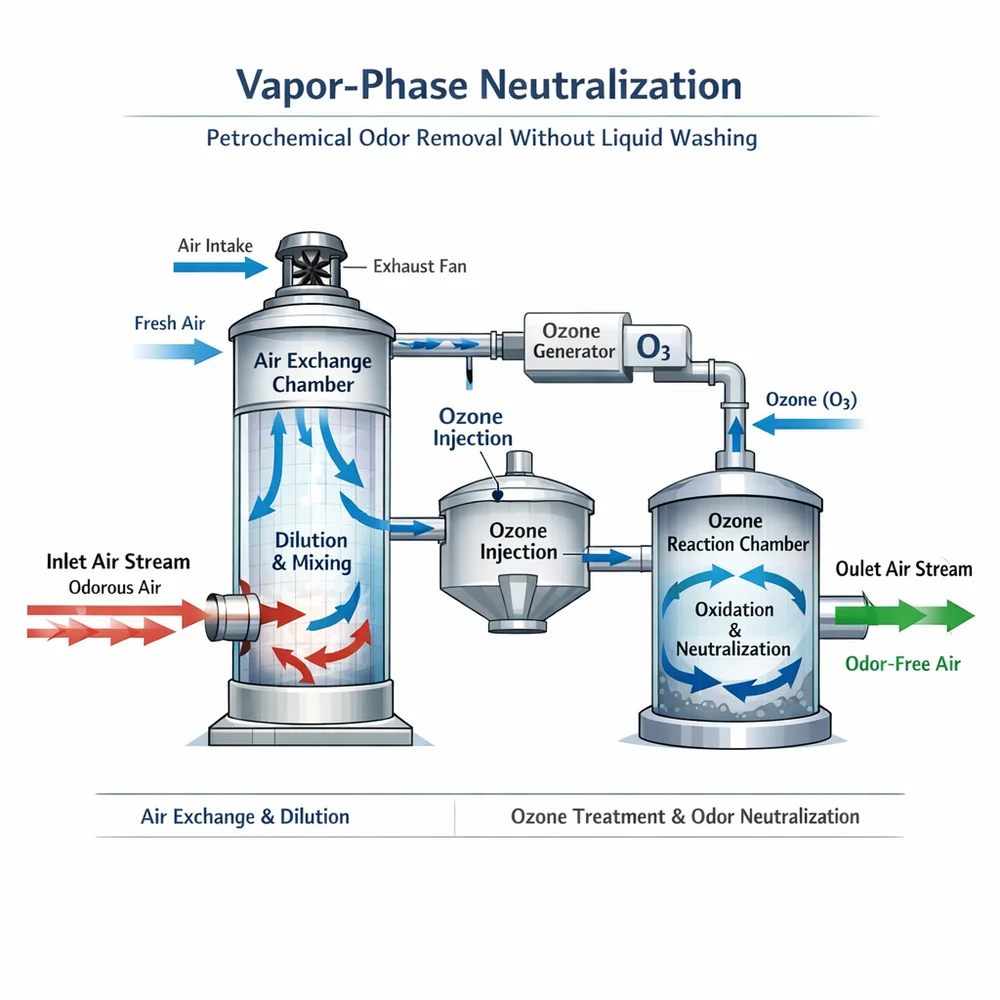
The heating element in a dryer provides a continuous ignition source. When the drum heats up, fuel molecules evaporate rapidly from the fabric. In the confined space of the dryer, these vapors can reach flammable concentrations. One spark from static electricity or the heating element can trigger an explosion or fire.
This is not theoretical. Dryer fires from fuel-soaked clothing happen regularly and have destroyed homes. The solution is absolute: if you can detect any fuel smell after washing, the item must be line-dried outdoors until completely odorless.
Only after the garment smells completely neutral should you consider using a dryer, and even then, a final outdoor line-dry is safer. This strict prohibition applies to gasoline, diesel, kerosene, and any petroleum-based solvent.
The Bottom Line Dryer heat vaporizes residual fuel and creates explosion risk. Line-dry all fuel-contaminated items until completely odorless.
Air Drying First
Before attempting any washing, the garment needs to off-gas outdoors. The open atmosphere and moving air are actually your most effective tools for removing the volatile components of gasoline.
Hang the contaminated item outside in a well-ventilated area. Turn it inside out periodically to expose seams and pockets to fresh air. The fuel molecules want to evaporate. You are simply providing the conditions for them to do so safely.
For gasoline spills, expect to air-dry for at least 24 to 48 hours before the bulk of the volatiles escape. Diesel takes even longer because its molecules are heavier and evaporate more slowly. Several days of outdoor airing may be necessary for a heavy diesel contamination.
This patience is not optional. Skipping the air-dry phase and going straight to the washing machine traps fuel vapors in the machine drum and can contaminate your next several loads of laundry. The air-dry phase transitions the garment from a hazard to be managed into a stain to be cleaned.
The Bottom Line Air-dry fuel-contaminated clothes outdoors for 24-48 hours minimum. This removes the volatile components before washing.
Baking Soda Absorption
For the concentrated area where the fuel originally soaked in, baking soda provides targeted help. Sodium bicarbonate has massive surface area that acts like a molecular sponge, pulling fuel out of fabric.
Make a thick paste of baking soda and a small amount of water. Apply this directly to the stained area while the fabric is dry. Work the paste into the fibers with a soft brush. Let it sit for several hours or overnight as it dries.
As the paste dries, the baking soda crystals draw fuel molecules out of the fabric and trap them. Once completely dry, brush away the powder. You have now removed a significant portion of the fuel without using any water.
This dry extraction method is especially useful for heavy canvas workwear or denim where fuel has soaked through multiple layers. It reduces the contamination load before you introduce water. The baking soda also helps break the surface tension of remaining fuel, making subsequent washing more effective.
The Bottom Line Baking soda paste pulls liquid fuel out of dry fabric. Apply generously, let dry completely, then brush away.
Using Heavy-Duty Detergent
After air-drying and optional baking soda treatment, the garment is ready for washing. But standard laundry detergent may not be strong enough for fuel residues.
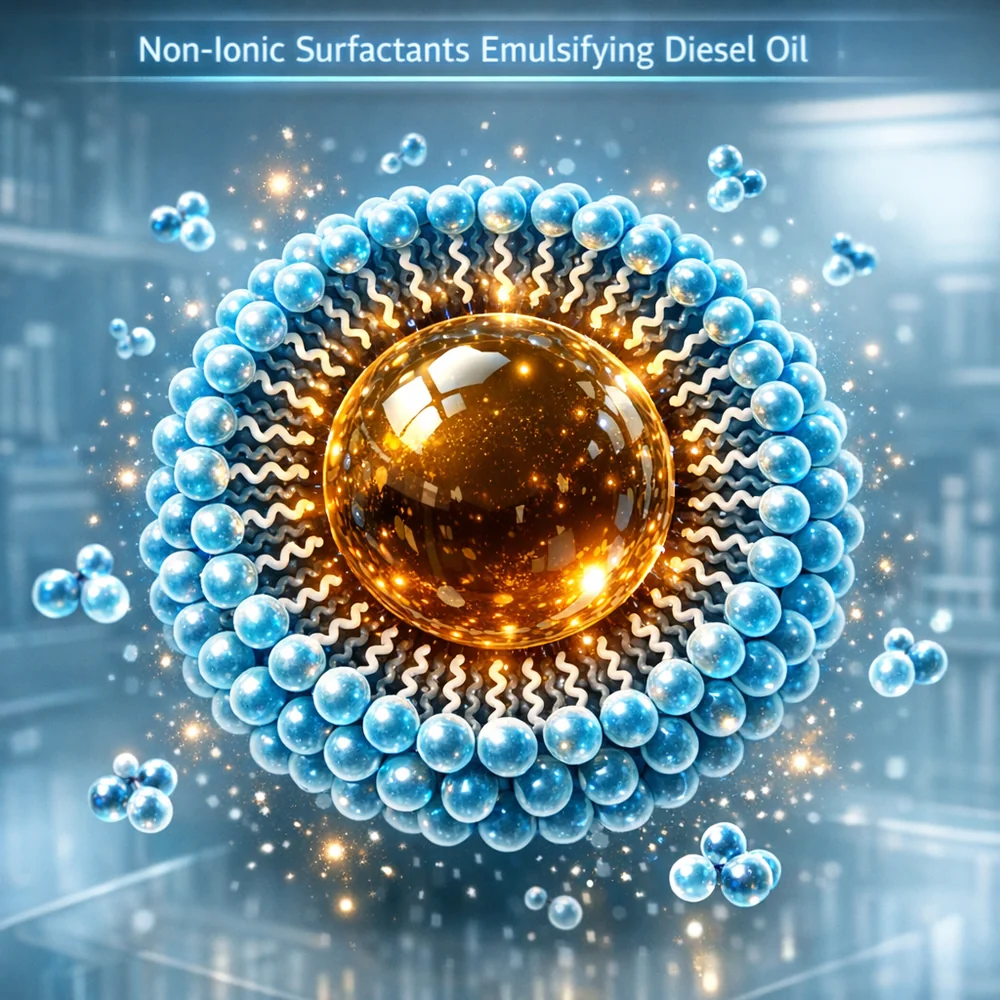
Fuel hydrocarbons are non-polar oils that require aggressive surfactants to emulsify. Look for heavy-duty detergents with strong grease-cutting claims, or add a degreaser like concentrated dish soap to your wash. The surfactant molecules need to completely surround each fuel droplet and pull it into the water.
Wash fuel-contaminated items separately, never mixed with regular laundry. This prevents cross-contamination where fuel spreads to clean clothes. Use warm or hot water if the fabric allows, as heat helps the surfactants work more effectively.
Adding washing soda to the load increases the pH and helps break down the oily residue. The combination of alkaline boosters and strong surfactants provides the cleaning power needed for petroleum-based contamination.
The Bottom Line Use heavy-duty detergent with degreasing power. Wash fuel items separately to prevent spreading contamination.
White Vinegar Rinse
Even after a thorough wash, a faint fuel smell sometimes remains. White vinegar helps finish the job by shifting the pH of the fabric and helping release the last traces of hydrocarbons.
Add one cup of white vinegar to a basin of warm water and soak the garment for 30 minutes. The mild acidity helps strip away any alkaline residues from the wash and provides a chemical environment where remaining fuel molecules become more mobile.
This vinegar soak is particularly effective for the heavy, lingering smell of diesel. The acetic acid seems to help break the bond between the heavier hydrocarbon molecules and the fabric fibers.
After the vinegar soak, rinse thoroughly with clean water. Then air-dry outdoors again. Verify that all fuel smell is completely gone before considering any heat application.
The Bottom Line Vinegar soaks help release stubborn diesel odors. Follow with outdoor air-drying and verify odor is completely gone.
Specialty Solvents for Heavy Diesel
For severe diesel saturation that resists normal cleaning, you may need a specialty solvent. D-limonene, the citrus-derived cleaning agent, can dissolve heavy petroleum residues that water-based systems cannot reach.
Apply the solvent to the dry stain and let it dwell for 15 minutes. The solvent navigates through the fiber structure and liquefies the diesel core, making it accessible to subsequent surfactant washing. Follow immediately with a heavy-duty detergent wash.
Be aware that D-limonene and similar solvents are themselves flammable. They require the same air-dry protocols as the original fuel contamination. You are not eliminating the fire risk; you are using a controlled solvent to help extract a hazardous one.
The Bottom Line D-limonene solvents can dissolve stubborn diesel. Apply to dry fabric, then wash immediately. Air-dry afterward.
Cleaning Your Washing Machine
After washing fuel-contaminated clothes, your machine has been exposed to petroleum residues. These can coat the drum and rubber seals, creating odor problems and potentially contaminating future loads.
Run an empty hot-water cycle immediately after the fuel load. Add a cup of white vinegar or a washing machine cleaner. This purges the internal surfaces and drainage system of any residual hydrocarbons.
Wipe down the rubber door gasket and detergent dispenser manually. Fuel residues accumulate in these non-moving parts where agitation does not reach. A damp cloth with a mild degreaser clears these areas effectively.
This machine cleaning is not optional. Skipping it means your next load of regular laundry may pick up fuel odors or, worse, become contaminated with residual hydrocarbons that could create a fire risk if those items go in the dryer.
The Bottom Line Run a hot empty cycle with vinegar after every fuel load. Wipe seals and gaskets manually.
Safe Disposal of Contaminated Materials
The rags and paper towels you used to blot up fuel are now concentrated fire hazards. A pile of fuel-soaked materials can generate heat as the hydrocarbons oxidize, potentially reaching ignition temperature spontaneously.
Never throw fuel-soaked rags in a regular trash can. Store them in a metal container with a tight-fitting lid. Submerging them in water eliminates the oxygen needed for oxidation and prevents spontaneous combustion.
Dispose of these materials according to your local hazardous waste regulations. Most communities have periodic collection days for flammable household chemicals. The goal is to completely remove the fire hazard from your home rather than just moving it from your laundry to your trash.
The Bottom Line Fuel-soaked rags can spontaneously combust. Store in water-covered metal containers until proper disposal.
Personal Safety During Cleanup
Fuel hydrocarbons are absorbed through skin and their vapors irritate respiratory systems. Wear nitrile or neoprene gloves when handling fuel-soaked items. Work outdoors or in a well-ventilated garage with doors open.
If the fuel smell is strong enough to cause a headache or dizziness, step away and let the item air-dry longer before continuing. Your body is telling you the vapor concentration is too high for safe exposure.
Eye protection is wise during the baking soda application and solvent treatment phases, when splashing is possible. Treat fuel cleanup like the chemical handling operation it is, not like normal laundry.
The Bottom Line Wear gloves and work in ventilated spaces. If vapors cause symptoms, step away and let the item air longer.
Conclusion
Fuel contamination requires a fundamentally different approach than normal stain removal. The volatility and flammability of gasoline and diesel create genuine safety hazards that must be respected throughout the cleaning process.
The sequence matters: air-dry first to remove volatile components, use baking soda to extract liquid fuel, wash with heavy-duty surfactants, rinse with vinegar for lingering odors, and line-dry until completely odorless. Only then is the garment safe for normal use.
Never skip the air-drying steps. Never put fuel-smelling clothes in a dryer. These simple rules prevent the catastrophic outcomes that have destroyed homes when fuel and heat combined unexpectedly.
References
- Journal of Hazardous Materials. “Thermodynamics of Hydrocarbon Evaporation from Porous Textile Substrates.” ScienceDirect
- National Fire Protection Association. “Technical Standards for the Management of Flammable Contaminants in Domestic Laundering.” https://www.nfpa.org/
- Journal of Surfactants and Detergents. “The Emulsification of Heavy Mineral Oils in Aqueous Environments.” Springer Link
- Consumer Reports. “Safety Protocols for Handling Fuel-Soaked Apparel: Avoiding Tumble-Dryer Fires.” https://www.consumerreports.org/
- Environmental Science & Technology. “Adsorption Mechanics of Volatile Organic Compounds on Sodium Bicarbonate Matrices.” ACS Publications