Cleaning Outdoor Cushions: Mildew Removal and Sunbrella Safety
Table of Contents
Things You'll Learn From This Article:
- Mildew on outdoor cushions is a living fungus, so killing it matters more than just scrubbing the surface clean.
- Bleach is safe on Sunbrella and similar solution-dyed acrylic fabrics because the color runs all the way through the fiber, not just on the surface.
- A practical cleaning mix for mildew is one cup of bleach and one‑fourth cup of mild dish soap per gallon of water.
- Let the cleaning solution sit for about 15 minutes before scrubbing so it has time to kill the mildew inside the fabric weave.
- Vinegar can help prevent mildew from coming back, but it usually won’t remove dark mildew stains that are already there.
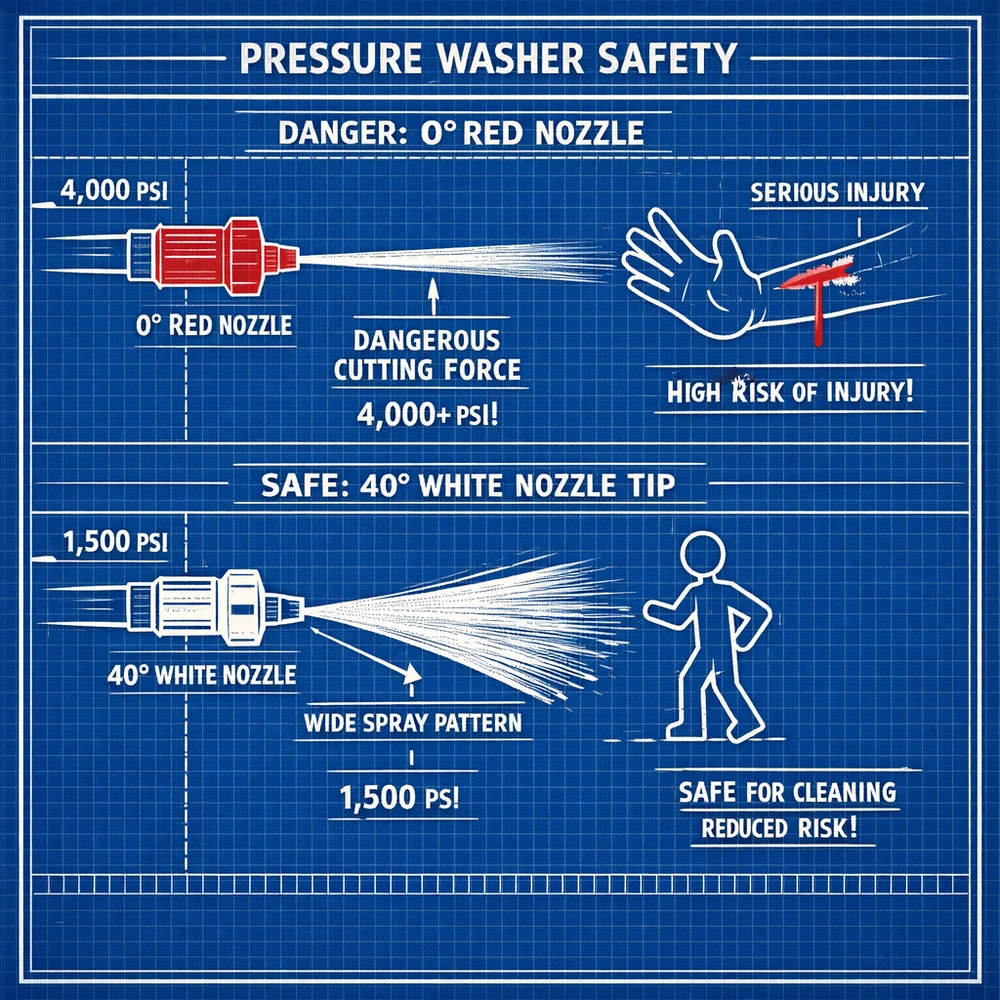
- Pressure washers can be used to rinse cushions, but only at low pressure with a wide fan spray and from at least a foot away.
- Older or sun‑damaged cushions are better rinsed with a regular garden hose to avoid tearing the fabric.
- Rinsing until all soap bubbles are gone is critical, since leftover soap keeps cushions damp and encourages mold inside.
- Standing cushions on their edge to dry helps water drain out of the foam instead of getting trapped inside.
- Drying cushions flat on a table or deck can trap moisture and lead to rot and bad smells.
- Cleaning removes the fabric’s water‑repellent coating, so applying a fabric guard afterward helps rain bead up again.
- Letting treated cushions warm up in the sun helps the water‑repellent spray bond better to the fabric.
- Identifying the fabric type before cleaning matters, since bleach can permanently damage polyester but not acrylic.
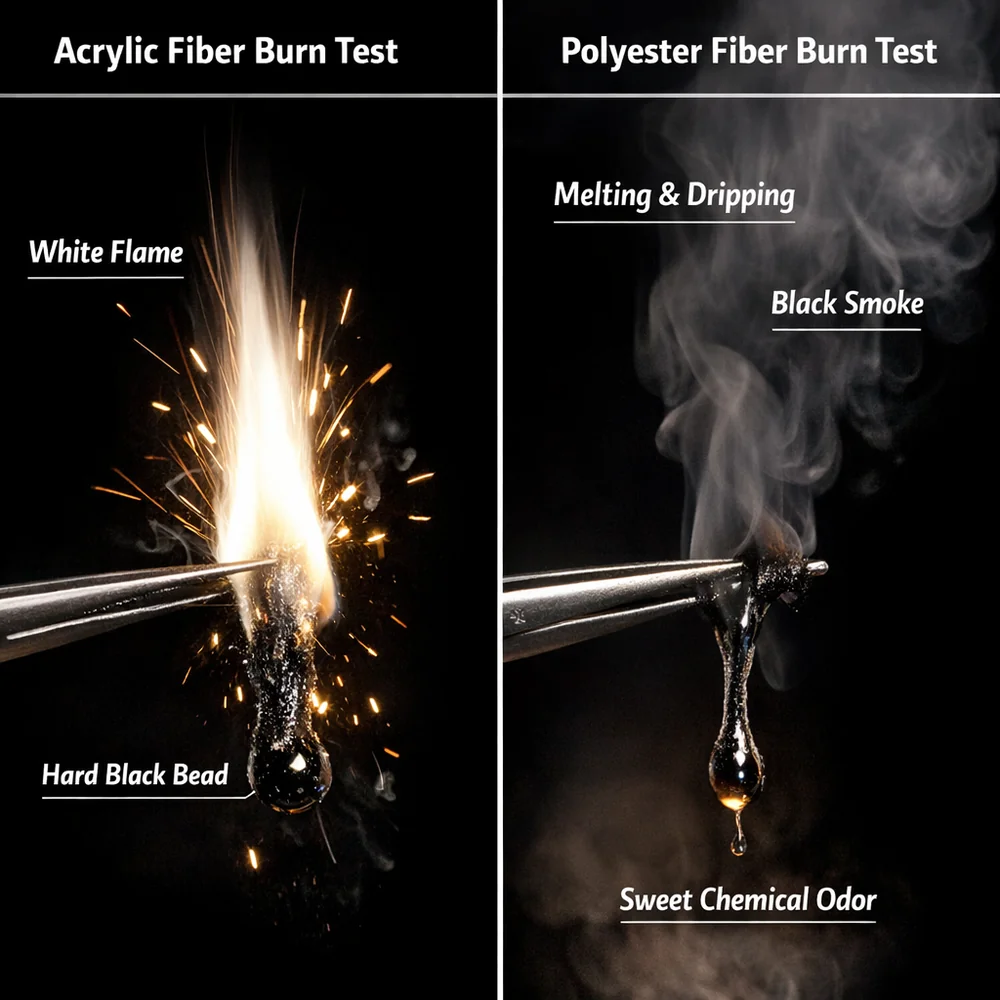
- Care tags or small burn tests on hidden seams can help you figure out what material the cushion is made from.
- Foam inside cushions is expensive and hard to clean, so keeping it dry is just as important as cleaning the fabric.
- Cushions should be completely dry before winter storage to avoid mold blooms in sealed containers.
- Hard plastic storage bins protect cushions from rodents better than soft storage bags.
- Cleaning off food crumbs before storage helps keep mice and other pests away.
- Hanging soft storage bags off the ground reduces the chance of animals nesting in the cushions.
- Regular cleaning and proper storage can keep outdoor cushions looking good and usable for many years.
Outdoor furniture exists in a chemically hostile environment, constantly bombarded by ultraviolet radiation, pollen, bird droppings, and varying moisture levels. This combination of organic matter and humidity creates the perfect breeding ground for fungal colonies, specifically mold and mildew. Unlike indoor stains, which are usually surface-level accidents, outdoor grime often involves biological colonization that penetrates the three-dimensional weave of the fabric.
Effectively cleaning patio cushions requires a strategy that kills the fungal spores without destroying the water-repellent finish that protects the vulnerable foam core. Most high-end outdoor fabrics, such as Sunbrella, are engineered from solution-dyed acrylic. This manufacturing process is distinct from conventional piece-dyeing. In solution dyeing, the UV-stable pigment is mixed into the liquid polymer before it is extruded into a fiber, running all the way through like the orange in a carrot.
This structural coloration makes the fabric incredibly resistant to photon degradation and, crucially, safe for aggressive bleach cleaning. This guide details the chemical protocols for restoring these robust textiles while preserving their hydrostatic resistance. Biological decontamination is the first step in outdoor textile preservation.

Why Mildew Requires Oxidation, Not Just Scrubbing
Mildew is not a stain. It is a living fungus that digests the organic debris (dust, skin cells, sunscreen) sitting on the surface of the fabric. While often appearing as black or green spots, the visible mark is actually the spore fruiting body. To remove it effectively, you must kill the organism at the cellular level.
For solution-dyed acrylics, chlorine bleach (sodium hypochlorite) is the most effective and safe reagent. It functions by oxidizing the cell walls of the fungus, disrupting its metabolic processes and killing it instantly. The industry-standard protocol for Sunbrella and similar fabrics is a specific stoichiometric ratio. Mix one cup of bleach plus one-fourth cup of mild dish soap per gallon of water.
The soap acts as a surfactant, lowering the surface tension of the water and allowing the bleach solution to penetrate the tight weave where the spores are hiding. Without the surfactant, the bleach water would simply bead up on the surface, failing to reach the root of the colony. This mixture should be sprayed on and allowed to dwell for fifteen minutes. This dwell time is chemically essential. It gives the hypochlorite ions sufficient time to react with the fungal chitin and the organic stains.
This mimics the enzyme dwell times used in natural cleaning but with much higher oxidative potency. Scrubbing before the dwell time is complete is inefficient and physically abrasive. For those averse to bleach, white vinegar (acetic acid) is a milder alternative. Vinegar is effective at killing about 82 percent of mold species and is environmentally benign.
However, it lacks the oxidative power to bleach or remove the dark melanin pigments left behind by the mold. As discussed in our mildew removal guide, vinegar is best used as a preventative maintenance spray rather than a restorative cleaner for neglected cushions.
The Bottom Line Solution-dyed acrylics are bleach-safe because the color is integral to the polymer matrix. A surfactant-enhanced bleach solution with a strict 15-minute dwell time is the only way to chemically lyse the cell walls of deep-set mildew spores.
How to Use a Pressure Washer Without Destroying the Fabric
Mechanical agitation accelerates the cleaning process, but pressurized water carries significant risk of mechanical failure. A pressure washer can be a valuable tool for rinsing outdoor cushions, but only if used within strict kinetic limits. The jet of water acts as a kinetic scrubber, blasting away the dead mildew and soap residue. However, excessive shear force can blow out the weave, separating the yarns and permanently fuzzing the surface texture.
The safety limit for outdoor textiles is generally around 1200 to 1500 PSI. Crucially, you must use a fan tip (40-degree nozzle) and keep the wand at least twelve inches from the fabric surface. Never use a zero-degree or pin-point nozzle, as this concentrates the force into a cutting beam that can slice through polymer threads. The goal is to provide a high-volume rinse to flush out the soap, not an abrasive blast to strip the surface.
If the fabric is older or shows signs of UV degradation, avoid the pressure washer entirely. UV radiation slowly breaks the polymer chains, making them brittle. In these cases, a standard garden hose with a spray nozzle is the safer choice. The mechanical integrity of the threads degrades over years of sun exposure, making them susceptible to rupture under high hydraulic pressure.
Kinetic force must be modulated to respect the tensile strength of the weave. High-pressure water can cause irreversible fiber fibrillation.
The Bottom Line Limit pressure to under 1500 PSI and use a wide fan tip to flush contaminants without mechanically degrading the UV-weakened polymer structure.
Protecting the Foam Core from Rot
The most expensive component of an outdoor cushion is often the open-cell drainage foam inside. This polyurethane foam is engineered to let water pass through it quickly, preventing absorption and retention. However, if the fabric remains saturated with soapy water for too long, or if the cushion is not dried correctly, the foam can become waterlogged. This stagnant moisture inside the core encourages deep-set mold growth that is impossible to clean without disassembling the cushion.
To protect the foam, efficient rinsing is mandatory. After the bleach wash, the cushions must be rinsed until the runoff is completely clear of bubbles. Any residual soap will act as a humectant, hygroscopically drawing moisture from the air into the cushion even on dry days. This creates a perpetual micro-climate of dampness inside the cushion.
Drying must be facilitated by gravity and physics. Stand the cushions on their edge (zipper side down) to drain. This vertical orientation maximizes the hydraulic head pressure, forcing water out of the bottom of the foam matrix. Never dry cushions flat on a solid surface, as this traps moisture between the fabric and the table, leading to contact rot and bacterial blooms.
The Bottom Line Open-cell foam relies on rapid drainage to stay mold-free. Rinse residues thoroughly to prevent humectant behavior, and always air-dry cushions vertically to utilize gravitational force for core evacuation.
Restoring the Invisible Water Shield
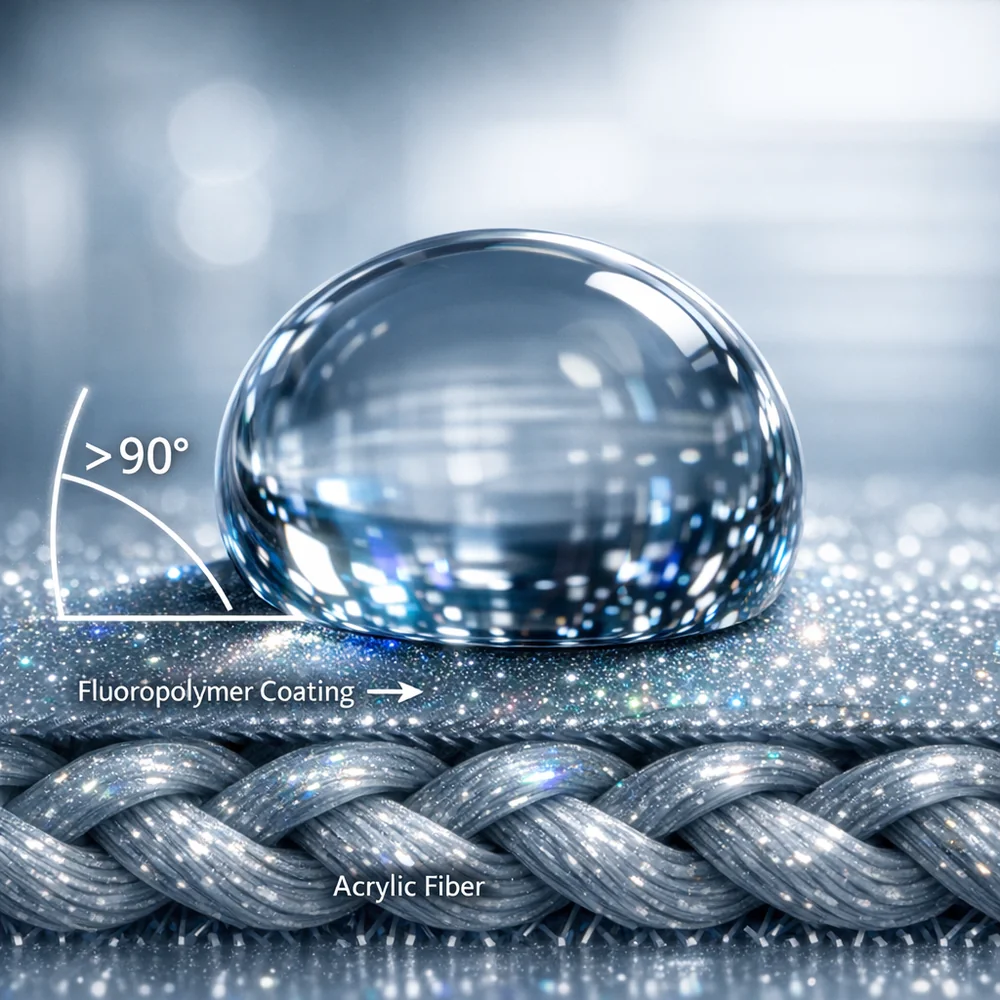
Factory-new outdoor fabric beads water because it is treated with a Durable Water Repellent (DWR) coating. This is typically a fluoropolymer chain that lowers the surface energy of the fabric, inhibiting wetting. Over time, UV exposure and aggressive cleaning (especially with bleach) strip this invisible polymer layer. Without it, the fabric wets out, absorbing rain instantly and making the cushion heavy and slow to dry.
Cleaning is not complete until this protection is restored. After the cushions are completely dry to the touch, a spray-on fabric guard (like 303 Fabric Guard) should be applied. This product cross-links with the acrylic fibers, re-establishing the hydrophobic surface tension that causes water to bead up. It should be applied in thin, overlapping coats in the shade to prevent rapid solvent evaporation.
Heat activation can significantly improve the bond strength. Allowing the treated cushions to sit in the hot sun after the spray has dried helps to cure the polymer, aligning the molecular chains for maximum repellency. This final step transforms such fabric from a sponge back into a shield, crucial for preventing sunscreen stains from penetrating deep into the fibers.
The Bottom Line Cleaning works by stripping surface oils but also removes the DWR coating. Re-applying a fluoropolymer spray after the fabric is dry restores the high contact angle required for water beading and stain resistance.
Why Fabric Identification Matters Before You Clean
Not all outdoor fabrics are created equal, and misidentifying the material can lead to catastrophic damage during cleaning. The gold standard is solution-dyed acrylic (e.g., Sunbrella), which is chemically inert to bleach. However, many budget cushions use solution-dyed polyester or olefin (polypropylene). While olefin is generally bleach-safe, it has a lower melting point and hates heat (no dryers, no hot water). Polyester, specifically coated polyester, is much more vulnerable.
Chlorine bleach can hydrolyze the ester bonds in polyester. This chemical reaction breaks the polymer chain, causing the fabric to become yellow and brittle over time. Before applying any aggressive oxidative cleaner, check the care tag. If the tag is missing, a burn test on a hidden seam allowance can reveal the truth.
Acrylic burns with a sputtering white flame and leaves a hard, black bead. Polyester burns quickly with black smoke and a sweet chemical odor. Cotton or canvas burns like paper and leaves gray ash. Understanding the difference is structural. Acrylic is a long-chain synthetic polymer that mimics wool’s matte finish and durability. Polyester is smoother and often relies on a PVC backing for waterproofing, which can delaminate if scrubbed too hard.
Treatment protocols must be adjusted accordingly. Treat polyester with oxygen bleach (sodium percarbonate) rather than chlorine bleach to prevent yellowing and degradation.
The Bottom Line Chlorine bleach is safe for acrylic but degrades polyester via hydrolysis. Verify the fiber content via the care label or a burn test before selecting an oxidative agent. Use sodium percarbonate for polyester substrates.
How to Store Cushions for Winter
The end of the patio season presents a new threat: nesting vertebrates. Mice, squirrels, and chipmunks view the open-cell foam of outdoor cushions as ideal, insulated bedding material. If cushions are stored in a shed or garage without protection, they can be hollowed out or contaminated with hantavirus-laden droppings over the winter.
Rigid storage containers are superior to soft bags. Hard plastic bins with locking lids provide a mechanical barrier that soft bags cannot match. If bags must be used, they should be hung from rafters rather than placed on the floor to reduce accessibility. Additionally, ensuring the cushions are 100 percent free of food crumbs (via a thorough pre-storage wash) reduces the olfactory cues that attract foraging pests.
The cushions must be bone-dry before enclosure. Trapping even a small amount of moisture in a sealed bin will result in a total mildew bloom by spring, ruining the fabric. A sun bake day before packing is a wise precaution to drive off trace humidity. Refer to our seasonal clothing storage protocols for similar principles applied to indoor textiles.
The Bottom Line Rodents actively target foam for thermal insulation. Storing clean, dry cushions in rigid, locking plastic bins provides the necessary physical exclusion to guarantee they remain pest-free during dormancy.
Conclusion
Mastering the care of outdoor cushions requires a disciplined approach to chemical cleaning and hydrostatic maintenance. The effectiveness of any protocol rests on the foundation of bleach-safe disinfection and DWR restoration. By respecting the durability of solution-dyed acrylics and protecting the vulnerabilities of the foam core, we can keep our patio furniture looking showroom-fresh for a decade.
This technical approach respects the engineering of the textile while managing the biological load of the outdoors. Every clean cushion is a testament to the synergy between oxidation and hydrophobicity. Moving away from the hose it off and forget it mindset allows for a high-performance maintenance routine. It prevents the unsightly spread of mildew and protects the financial investment in quality outdoor gear. By treating the patio as an extension of the living room, you can ensure comfort and hygiene in the open air.
References
- Journal of Industrial Textiles. “Weathering Resistance of Solution-Dyed Acrylics: Impact of Cleaning Agents.”
- American Cleaning Institute. “Mold and Mildew Remediation on Porous Outdoor Surfaces.”
- Textile Research Journal. “Hydrophobic Recovery of DWR Coatings After Chemical Cleaning.”
- Consumer Reports. “Outdoor Furniture Care: Maximizing the Lifespan of Sunbrella Fabrics.”
- Journal of Environmental Health. “Fungal Colonization of Outdoor Soft Furnishings and Allergen Management.”