Cleaning Upholstery Codes Guide: Decoding X, W, S, and SW
Table of Contents
Things You'll Learn From This Article:
- The cleaning code on your sofa tag tells you exactly what kind of cleaner is safe, not what’s “recommended” or optional.
- Using the wrong type of cleaner is one of the fastest ways to permanently damage fabric through shrinking, color bleeding, or texture changes.
- A **W** code means water-based cleaners are safe, but soaking the cushions can still cause mold if moisture isn’t pulled out quickly.
- Distilled water matters for water-based cleaning because tap water can leave white rings from minerals after drying.
- An **S** code means water is risky; dry-cleaning solvents are used instead to avoid shrinking and dye bleeding.
- Solvent cleaning works best for oily stains and should be blotted with a cloth, not poured directly onto the fabric.
- Ventilation is important when using solvent cleaners because the fumes can build up in closed rooms.
- An **SW** code allows both water-based and solvent cleaners, but only in small, controlled amounts to avoid tipping the fabric into damage.
- Starting with the mildest cleaning method and moving up only if needed lowers the risk of ruining blended fabrics.
- An **X** code means no liquids at all—spills can’t be safely cleaned and often require professional repair or reupholstery.
- Vacuuming is the only safe routine care for X-code fabrics, and even that should be done gently with a soft brush.
- High suction can stretch seams and fabric, so using the lowest effective vacuum setting helps protect upholstery.
- Performance fabrics resist stains well, but harsh cleaners can strip away their protective coating.
- Soap residue left behind on performance fabrics attracts dirt and makes them seem less stain-resistant over time.
- Always test any cleaner on a hidden spot first to check for color transfer or texture damage.
- If color shows up on a white test cloth, that cleaner isn’t safe for the fabric.
- Let test spots dry completely, since some damage only shows up after the fabric dries.
- Water-based detergents work best on sugary or protein stains, while solvents work best on grease and oil.
- Matching the cleaner to both the fabric code and the type of stain reduces effort and prevents damage.
- Treating upholstery as a specific material with limits, rather than a generic surface, helps it last much longer.
The alphanumeric label sewn onto the decking of your sofa is not a suggestion. It represents a strict chemical directive derived from the fabric’s dye lot solubility and fiber stability. These standardized codes (W, S, SW, and X) define the precise solvent parameters required to maintain the structural integrity of the textile.
Ignoring them is the primary cause of irreversible furniture damage, leading to cellulosic browning, dimensional shrinkage, and dye migration. A fabric engineered for anhydrous solvent cleaning will be destroyed by water, while a delicate pile fabric rated for vacuum-only care can be ruined by simple abrasion. Professional upholstery preservation begins with accurate code identification and chemical matching.
This guide decodes the technical requirements for each category, explaining the polymer science behind the rules. It establishes the safe protocols for spot cleaning and maintenance, ensuring that your furniture investment is recognized as a specific chemical substrate rather than a generic surface. Chemical compatibility is the non-negotiable law of textile preservation.
Code W: When Water-Based Cleaning Is Safe
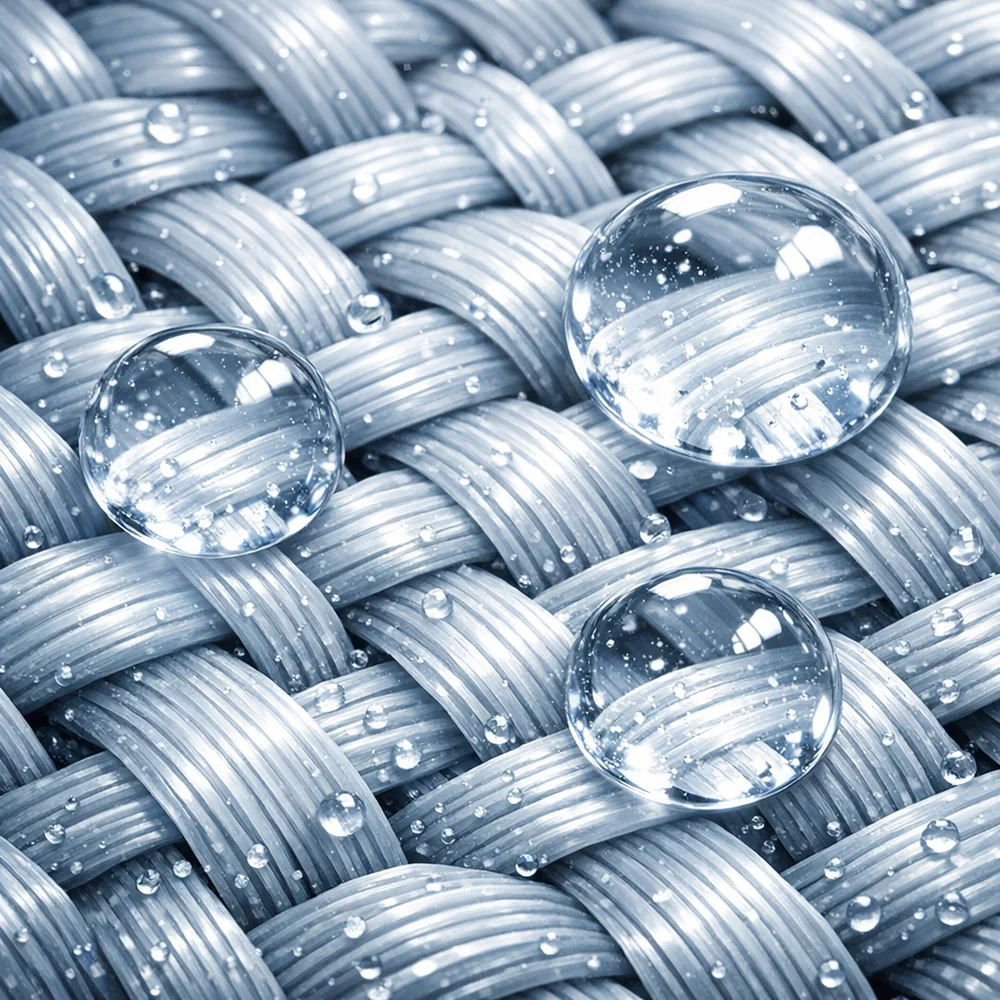
The W code stands for Water-Based and typically designates the most chemically robust fabrics in the residential environment. This code is invariably found on synthetic polymers like polyester, nylon, acetate, and olefin (polypropylene). These plastics are inherently hydrophobic, meaning their molecular structure repels water from penetrating the fiber core. Furthermore, their colorants are often solution-dyed, where the pigment is suspended in the liquid polymer before extrusion, locking the color inside the fiber shaft.
This structural stability makes them compatible with high-pH water-based cleaning agents. Technicians can safely use alkaline upholstery shampoos, steam extractors, and enzymatic foams to suspend and flush away soil. The water acts as the primary solvent carrier, breaking the hydrogen bonds holding dirt to the surface without swelling the fiber itself. This allows for aggressive agitation and deep flushing, which is essential for removing heavy soiling.
However, water-based does not imply water-proof. Aqueous cleaning carries the risk of saturation. If water penetrates the fabric and soaks into the polyurethane foam cushion below, it creates a bacterial incubator. As detailed in our cleaning outdoor cushions guide, stagnant moisture in foam leads to mold. The protocol for W-code fabrics demands controlled moisture cleaning, using foam or heavy vacuum extraction to recover 90 percent of the liquid immediately.
Distilled water is mandated to prevent mineral deposition. Using tap water introduces calcium and magnesium carbonates, which precipitate as white water rings upon drying. By using distilled water and a specialized non-browning detergent, you can safely rehabilitate these synthetic workhorses.
The Bottom Line W code fabrics are hydrophobic synthetics compatible with water-based surfactants and steam. The primary risk is not fiber damage, but over-wetting the underlying foam, necessitating powerful vacuum extraction.
Code S: When Only Solvent Cleaning Is Safe
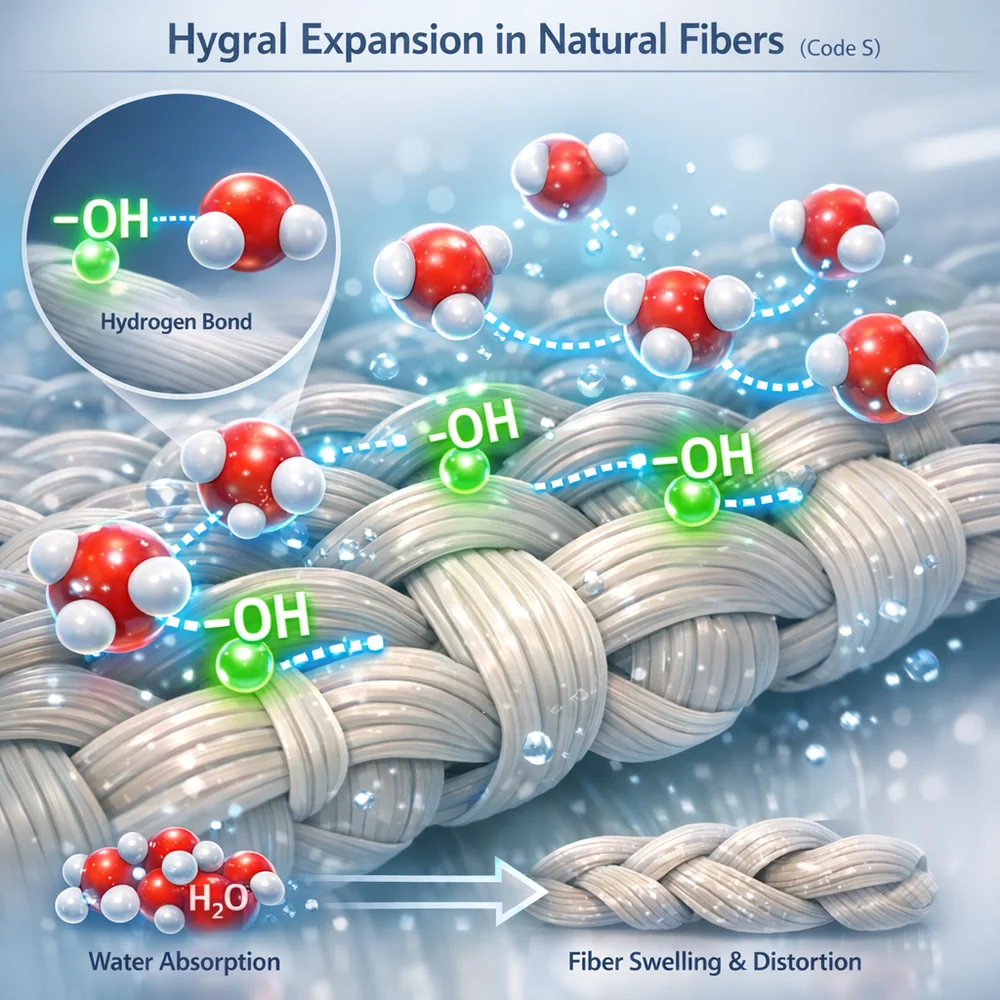
The S code stands for Solvent and represents a critical pivot in cleaning methodology. This code is typically assigned to natural hydrophilic fibers like cotton, linen, rayon, wool, and silk. These fibers contain hydroxyl groups that avidly bond with water molecules. If water is applied, the fiber swells in diameter and shrinks in length. This hygral expansion causes the fabric to pull tight against the frame, distorting the weave and often resulting in permanent dimensional change.
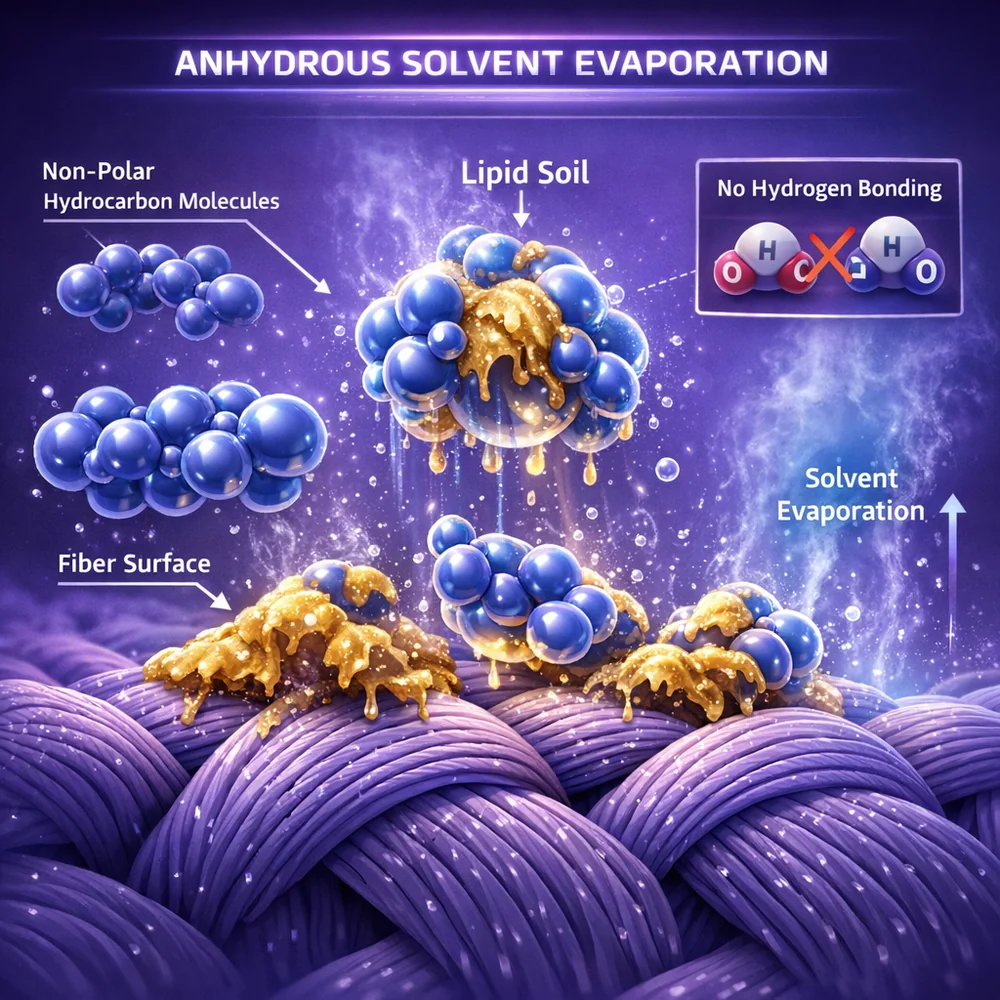
Furthermore, natural fibers often rely on surface dyes that are water-soluble. Introduction of water causes these dyes to migrate, leading to bleeding where colors run into adjacent areas. To clean S-code fabric, one must use a dry cleaning solvent. These are volatile organic compounds (hydrocarbons, alcohols, or glycols) that dissolve oily soils without wetting the fiber structure. Because they contain no water, they do not trigger hydrogen bonding or swelling.
Products like isoparaffins or specialized citrus solvents are the reagents of choice. These solvents target non-polar soils like body oils and grease. The cleaning technique involves applying the solvent to a white terry cloth and blotting the stain, never pouring the solvent directly onto the furniture. The solvent dissolves the lipid bond, transferring the soil to the cloth via capillary action.
Ventilation is mandatory when working with volatile organic solvents. These chemicals evaporate rapidly and can displace oxygen or be toxic in enclosed spaces. Always wear organic vapor respirators or ensure cross-ventilation when performing S-code cleaning.
The Bottom Line S code fabrics (cellulosics and proteins) undergo hygral expansion and dye migration when wet. They require anhydrous solvents that dissolve lipids without triggering the swelling mechanisms of the fiber.
Code SW: When Both Methods Are Acceptable
The SW (or WS) code indicates a fabric that is chemically compatible with both Solvent and Water-based cleaners. This categorization is often seen on high-quality blends, such as a polyester-cotton weave, or on synthetics treated with robust stain-resistant fluoropolymers. It offers the technician tactical flexibility, allowing them to choose the solvent according to the stain biology rather than the fabric constraint.
For hydrophobic stains like butter or motor oil, an S-code solvent is deployed following our grease removal protocols. For hydrophilic stains like wine or juice, a water-based enzyme foam is superior. However, this versatility implies a boundary condition risk. Because SW fabrics sit on the borderline of stability, the cotton percentage of a blend can still brown if over-wetted, while the polyester part might degrade under harsh solvents.
The SW code is not a license for reckless cleaning but a permit for targeted intervention. The protocol prescribes starting with the mildest option, usually a dry solvent, and graduating to water-based foams only if necessary. Avoid total saturation at all costs. Swatch testing is the only way to confirm safety for specific stains on these hybrid textiles.
The Bottom Line SW fabrics allow for both solvent and water-based cleaning, enabling targeted stain removal. However, technicians must avoid saturation to prevent cellulose browning in the natural fiber component of the blend.
Code X: When No Liquid Cleaning Is Allowed
The X code is the most restrictive and dangerous specification in the upholstery industry. It stands for Do Not Clean with any liquid agent. This code is reserved for extremely sensitive textiles such as crushed velvet, chintz with glazed finishes, or raw silk with non-colorfast embroidery. Applying a cleaner to an X-code fabric will cause immediate catastrophic failure: the pile will crush, the glazing will dissolve, or the dyes will run.
The only safe maintenance for X-code upholstery is mechanical dust removal. This involves gentle vacuuming with a soft horsehair brush attachment to lift dust from the surface. Aggressive localized brushing can destroy the pile orientation. If a liquid spill occurs on an X-code piece, it is often an irreversible event requiring professional reupholstery.
Consumer attempts to spot clean X-code items almost always result in damage. Ideally, X-code furniture should be positioned in low-traffic zones, far from food and drink consumption. It is aesthetic sculpture, not functional furniture. Respecting this limitation is the only path to preservation.
The Bottom Line Total exclusion of liquid reagents is the absolute rule for X code fabrics. Vacuuming with a horsehair brush is the only safe maintenance option.
How to Vacuum Delicate Fabrics Safely
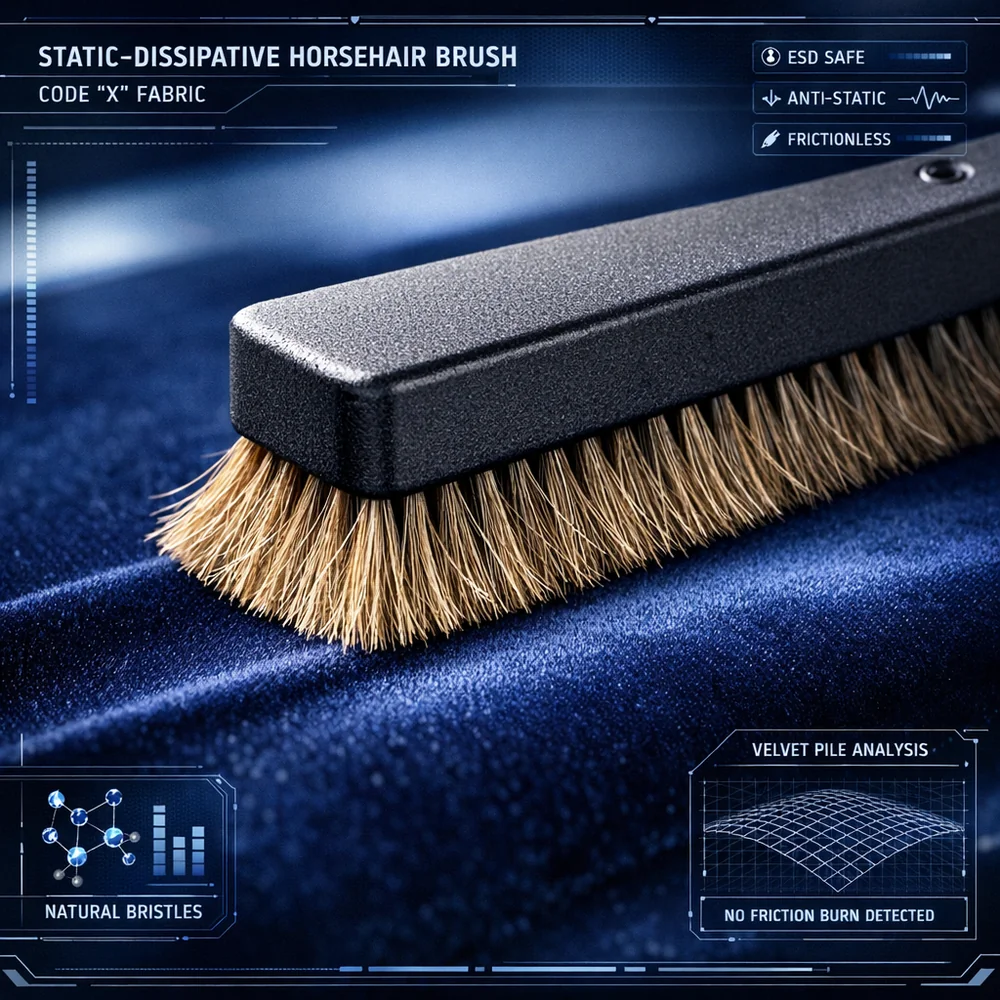
Since chemical cleaning is impossible for X-code fabrics, the mechanical removal of particulate matter becomes the primary preservation vector. However, even dry vacuuming carries risk. Standard plastic vacuum attachments often have sharp molding seams that can snag delicate embroidery or scratch the surface of finished leather. For X-code fabrics, a horsehair brush attachment is mandatory. The natural bristles dissipate static electricity, preventing dust from clinging to the nozzle, while being soft enough to glide over the pile without causing friction burn.
Suction power must also be modulated. A vacuum with high Cubic Feet per Minute (CFM) airflow can lift a loose fabric cover away from the cushion foam, stretching the seams. Use a vacuum with variable suction control, dialing it down to the lowest effective setting. This removes surface dust without stressing the tensile strength of the stitching.
The Bottom Line Vacuuming X-code fabrics requires static-dissipative horsehair tools and reduced suction to prevent pile distortion and seam stress.
Performance Fabrics: A New Category
Modern material science has introduced a new category of super-fabrics that defy traditional coding. Performance fabrics like Crypton or Sunbrella Indoor use an integrated moisture barrier and silver-ion microbial protection. While often labeled W or SW, these fabrics are engineered to repel almost all stains. The liquid beads on the surface due to high surface tension, preventing absorption.
However, the performance coding is not invincible. Using harsh solvents or bleach on non-acrylic performance fabrics can strip the fluorochemical coating. Once this coating is compromised, the fabric becomes standard polyester and will absorb stains. It is critical to rinse soap residues thoroughly from these fabrics. Soap residue attracts dirt and masks the repellency, making the fabric appear to have failed.
Re-treatment with a DWR spray usually restores the function.
The Bottom Line Performance fabrics rely on a chemical coating to repel stains. Cleaning must focus on removing the soil without stripping this invisible shield, often requiring a final warm water rinse to reset the surface chemistry.
How to Test Before You Clean
Regardless of the code, blind application of a chemical is negligence. Variations in dye lots mean that even a W code fabric might have a bleeder red dye. The Spot Test or Crocking Test is the mandatory first step of any cleaning session.
Select an inconspicuous area, such as the inside of a zipper flap or the back of a skirt. Apply the chosen cleaning solution to a clean white cloth and press it firmly against the test area for 30 seconds. Inspect the cloth. If any color has transferred to the white cloth (crocking), the fabric is chemically unstable with that solvent. Do not proceed.
Check for texture changes after drying. Allow the test spot to dry completely. Feel the fibers. If they feel stiff, brittle, or felted, the cleaner has damaged the fiber structure. This diagnostic step prevents a small stain from becoming a ruined sofa.
The Bottom Line The Crocking Test reveals dye instability before it hits the visible surface. Pressing a solvent-dampened white cloth against a hidden area confirms whether the dye will bleed or migrate.
Solvents vs. Detergents: Matching Chemistry to Stains
Understanding the polarity of the cleaner is the key to successful stain removal. Detergents are surfactants (surface active agents) that surround dirt particles with a hydrophilic head and a hydrophobic tail, allowing water to wash them away. They are ideal for W codes and polar soils (sugar, salt, protein).
Solvents are non-polar liquids that dissolve other non-polar substances. They are ideal for S codes and lipid soils (grease, oil, wax). They do not require rinsing in the traditional sense, as they evaporate, but they must be blotted up to remove the dissolved soil load.
Choosing the right tool for the molecular job ensures efficiency without damage.
Conclusion
Mastering upholstery codes is an exercise in chemical literacy that protects your home’s most expensive textiles. The effectiveness of any cleaning attempt rests entirely on the correct interpretation of these four letters. By respecting the solubility limits of the fabric, whether it demands the abundant flushing of water (W), the precision of organic solvents (S), or the total abstinence of liquids (X), we can maintain our furniture without accidentally destroying it.
This technical approach shifts the focus from cleaning to material stewardship. Every spotless couch is a testament to the synergy between chemical selection and fabric science. Moving away from the all-purpose cleaner mindset allows for a professional-grade maintenance routine. It prevents the tragedy of the water-stained silk chair and the shrunken linen slipcover. By treating the living room as a collection of distinct chemical substrates, you can enjoy your upholstery for decades.
References
- Journal of Interior Design. “Textile Durability and Cleaning Code Adherence in Residential Upholstery.”
- American Cleaning Institute. “The Chemistry of Dry Cleaning Solvents and Their Effect on Cellulosic Fibers.”
- Textile Research Journal. “Dimensional Stability of Upholstery Fabrics Under Wet and Dry Cleaning Conditions.”
- Consumer Reports. “Upholstery Cleaners: A Guide to Water-Based vs Solvent-Based Effectiveness.”
- Journal of Surfactants. “Interaction of Anionic Surfactants with Hydrophobic Synthetic Fibers.”