Washing Backpacks and Lunch Bags: Hardware Protection and Insulated Liner Care
Table of Contents
Things You'll Learn From This Article:
- Tossing a backpack in the washing machine can quietly ruin it by cracking waterproof coatings, damaging foam padding, and breaking hardware.
- The waterproof layer inside most backpacks is fragile and can peel off if exposed to heat, harsh detergent, or lots of flexing.
- Hand washing in cool or lukewarm water is much safer and helps the bag stay waterproof for years longer.
- Soap trapped inside shoulder strap foam can cause smells, mold, and crumbling padding if it isn’t rinsed out completely.
- Foam straps should be pressed gently to remove water, not twisted or wrung, to avoid permanent lumps and damage.
- Rinsing takes time—keep flushing the foam until no bubbles appear, even when you squeeze it.
- Mild, pH‑neutral or gear-specific cleaners work better than regular laundry detergent and don’t leave residue behind.
- Scrubbing should focus on the outside fabric and dirty areas; the inside waterproof coating should only be wiped gently.
- Grit stuck in zippers is what usually makes them fail, so brushing zipper teeth during washing can prevent breakage.
- Zippers last longer if you clean them and apply proper zipper lubricant after the bag is dry.
- Insulated lunch bags should be wiped clean, not machine washed, to avoid cracked liners and lost insulation.
- Vinegar and water can remove food smells and kill mold in lunch bags without damaging the liner.
- Bleach makes insulated liners brittle and should never be used on lunch bags.
- Ink stains should be treated while dry with rubbing alcohol before washing, since water can lock the stain in.
- Alcohol should only touch the outside fabric because it can damage the waterproof layer inside.
- After washing, water soaking into the fabric means the water‑repellent finish is worn and needs restoring.
- Spraying a DWR refresher on the outer fabric helps rain bead up again and keeps the bag from getting heavy.
- Never use a dryer—heat can warp plastic parts, shrink fabric, and destroy waterproof coatings.
- Hanging the bag upside down with all pockets open helps water drain out instead of collecting inside.
- Airflow matters more than speed; thick foam straps can take one to two days to dry fully.
- Putting a bag away before it’s completely dry is a common cause of long‑term mold and odor problems.
- Treating a backpack like technical gear, not regular laundry, keeps it functional and reliable much longer.
A modern backpack is not a simple textile. It is a complex composite assembly of disparate materials engineered for load-bearing and weather resistance. A standard bag integrates high-denier nylon or polyester (Cordura), open-cell polyurethane foam, extruded plastic hardware, and die-cast metal sliders. Washing this assembly requires a protocol that respects the distinct vulnerabilities of each component.
The primary risk during cleaning is not the failure to remove dirt, but the acceleration of component degradation, specifically the hydrolysis of the internal waterproof coating and the mechanical fatigue of the foam cushioning. Throwing a backpack into a residential washing machine is essentially subjecting it to a 30-minute abrasive durability test.
The tumbling action can strip the internal waterproofing, fracture the plastic buckles against the drum, and fray the structural stitching that holds the shoulder straps. Proper care involves gentle chemical immersion and targeted mechanical scrubbing, ensuring that the bag remains functionally waterproof and structurally sound. Component isolation is the key to safe decontamination.

How Machine Washing Destroys the Waterproof Coating
Most modern backpacks feature a durable water repellent (DWR) coating on the exterior and a polyurethane (PU) laminate on the interior. While the exterior DWR sheds water, the interior PU coating is the true waterproof barrier. This coating is chemically unstable and prone to a degradation process known as hydrolysis. Hydrolysis occurs when water molecules chemically break the ester bonds in the polyurethane, causing it to revert to its monomers. This natural aging process is massively accelerated by heat, harsh alkaline detergents, and the mechanical thrashing of a washing machine.
A machine wash cycle flexes the fabric thousands of times. This flexion fatigue causes the weakened PU coating to crack and peel away from the nylon substrate. This manifests as the dandruff effect, where the inside of the bag flakes off in sticky, white debris. Once delamination begins, it is irreversible. The bag loses its waterproof integrity and the loose flakes contaminate the contents.
To preserve this fragile layer, one must avoid full machine immersion unless the bag is explicitly rated for it. Hand washing in cool water minimizes the flexion stress on the laminate, preserving the bond between the coating and the fabric. It extends the functional life of the pack by years.
The Bottom Line Machine washing causes flexion fatigue that cracks the internal polyurethane (PU) waterproof coating. Hand washing prevents this delamination, stopping the coating from peeling off as sticky white flakes.
Why Foam Padding Is So Hard to Clean
The shoulder straps and back panel of a backpack are filled with open-cell polyurethane or EVA foam. This foam acts like a dense sponge. Its primary function is cushioning, but during washing, it becomes a trap for chemistry. If the foam becomes saturated with soapy water and is not rinsed with hydrostatic perfection, the dried soap residue remains inside the matrix.
This residue acts as a humectant. It attracts moisture from the air, causing the foam to remain perpetually damp and leading to dry rot (crumbling) over time. Furthermore, wet foam is an ideal breeding ground for mold and mildew. If a backpack smells musty after washing, it is usually because the deep-foam core never fully dried.
Do not wring foam padding. Squeezing or twisting the shoulder straps to dry them can tear the internal foam matrix, creating permanent lumps and reducing load-carrying comfort. Instead, press the water out gently against the side of the tub using flat-palm compression.
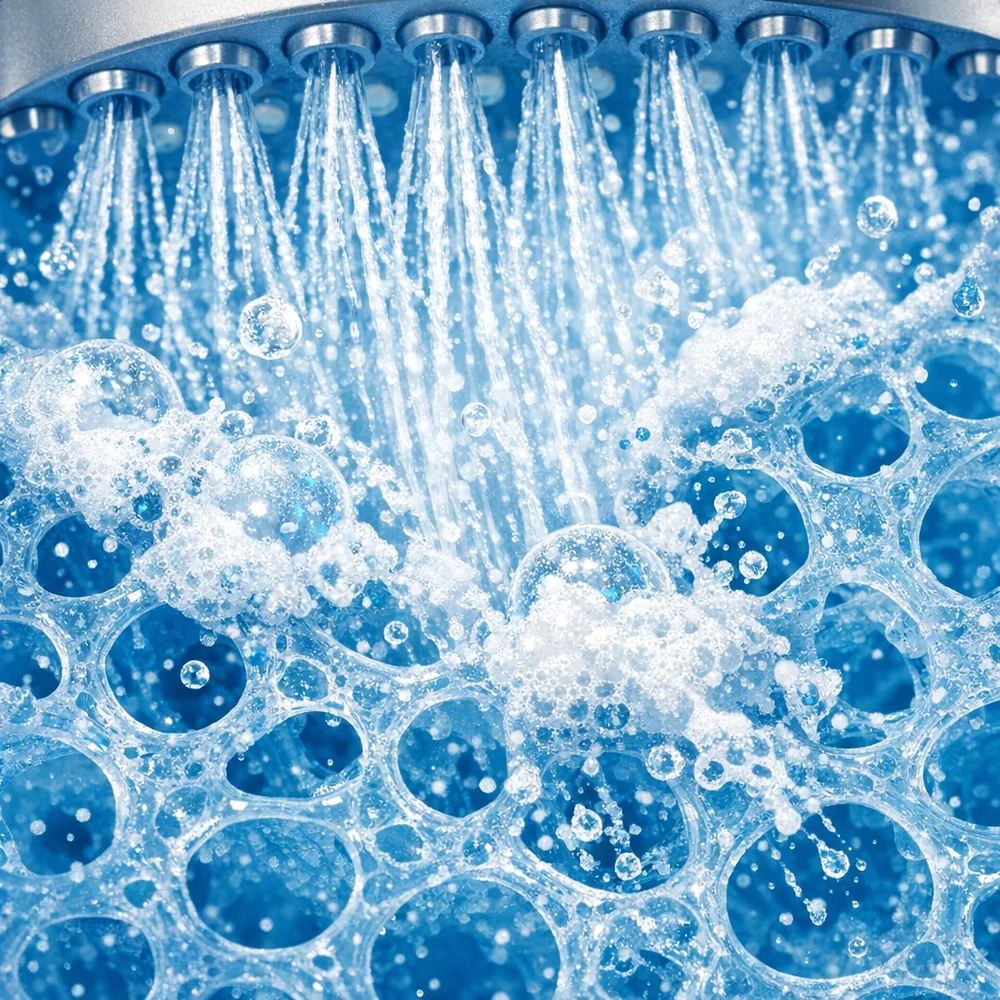
Rinsing requires patience and volume. You must rinse the straps until absolutely zero bubbles appear when squeezed. Ideally, use a detachable shower head to force clean water through the foam, flushing the surfactant out of the deep pores.
The Bottom Line Foam padding traps detergent deep in its pores. Incomplete rinsing leaves residue that degrades the foam and attracts dirt. Rinse thoroughly using compression (not twisting) until the runoff is clear.
The Safe Way to Wash a Backpack
The safest method for cleaning a dirty backpack is the controlled bathtub soak. Start with preparation. Empty all pockets and shake the bag upside down vigorously to remove crumbs and debris that accumulate in the seams. Open every zipper to allow water flow. Remove any detachable metal frames or stiffeners.
For the soak, fill the bathtub with six inches of lukewarm water (never hot). Add a small amount of mild, pH-neutral detergent. Avoid standard laundry enzymes if possible. Instead, use a technical gear cleaner (like Nikwax Tech Wash) designed for waterproof fabrics. These cleaners rinse away cleanly without leaving hydrophilic residues that attract water.
Submerge the bag. Use a soft-bristled brush or a sponge to scrub the exterior fabric, paying special attention to the bottom panel (which touches the ground) and the back panel (which absorbs sweat). Do not scrub the interior PU coating. Simply wipe it with a soft cloth.
For the rinse, drain the soapy water. Refill the tub with cool, clean water. Swish the bag and press the foam straps. Drain and repeat. You may need to refill the tub three or four times to ensure all soap is removed.
The Bottom Line A bathtub soak with technical gear cleaner allows for gentle cleaning without mechanical abrasion. Avoid standard detergents that leave water-attracting residues. Use specific cleaners for waterproof synthetic textiles.
How to Maintain Zippers
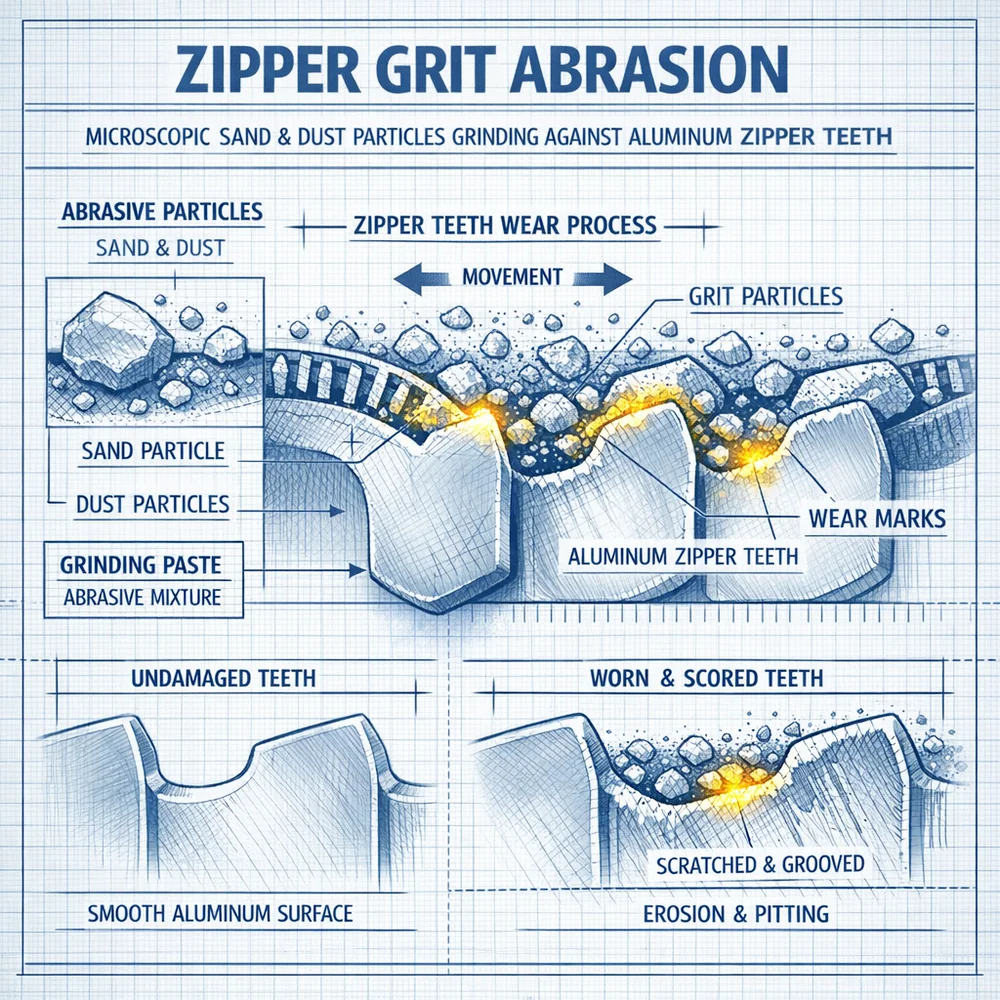
The most common failure point on any backpack is the zipper. Zippers fail because of grit. Dust, sand, and dried mud accumulate in the zipper coil. Every time the slider moves over this grit, it acts like a grinding wheel, wearing down the metal or plastic teeth. Eventually, the slider becomes loose and the zipper splits.
The washing protocol is the best time for preventative maintenance. While the bag is soaking, use an old toothbrush to aggressively scrub the zipper teeth (both open and closed). This dislodges the impacted grit. Check the slider for salt corrosion, especially if the bag has been near the ocean. Salt acts as an electrolyte that fuses the slider to the teeth.
Post-wash lubrication is mandatory. Once the bag is dry, apply a specialized zipper lubricant (like paraffin wax or a PTFE-based fluid) to the teeth. Run the slider back and forth to distribute it. This reduces friction and prevents the slider from wearing out the teeth. Never use oil or silicone spray, as these attract dirt.
The Bottom Line Grit in the zipper teeth causes premature failure. Scrub zippers with a toothbrush during the soak to remove abrasive particles. Lubricate dry zippers with paraffin wax to ensure smooth operation.
How to Clean Insulated Lunch Bags
Lunch bags face a different threat: microbiological contamination from food residues. The insulated silver liner is typically made of PEVA (polyethylene vinyl acetate) or foil-laminated foam. These materials are non-porous but fragile. Machine washing often causes the liner to crack at the seams, destroying the thermal seal and allowing leakage.
Turn the bag inside out and shake vigorously to remove crumbs. These are food for mold. Wipe the liner with a solution of 50 percent water and 50 percent white vinegar. The acetic acid kills mold spores and neutralizes odors without chemically degrading the plastic.
For stubborn grease, use a drop of dish soap. Never use bleach. Chlorine bleach causes PEVA to become brittle and crack. It can also corrode the foil layer. If a lunch bag has deep mold growth in the seams that cannot be wiped away, it should be discarded, as the spores have likely penetrated the foam insulation.
The Bottom Line Lunch bag liners (PEVA) crack in washing machines. Wipe them by hand with a disinfecting vinegar solution. Avoid bleach, which embrittles the plastic liner.
How to Remove Ink and Marker Stains
Backpacks are often school tools, meaning they suffer from leaked pens and permanent marker graffiti. Do not wash the bag first. Water sets ink stains, making them permanent. Instead, isolate the stain while the bag is dry. Place a paper towel behind the fabric layer to act as an absorbent blotter.
Solvent extraction is the only cure. Dab (do not rub) the stain with a cotton ball soaked in isopropyl alcohol (rubbing alcohol) or an acetone-free nail polish remover. The solvent solvates the ink resin, transferring it from the nylon fibers to the cotton ball. Rotate the cotton frequently.
Once the ink is lifted, rinse the area with water and proceed with the bathtub wash. Note that alcohol can strip the PU coating, so apply it only to the exterior face of the fabric.
The Bottom Line Treat ink stains with alcohol before washing. Water sets ink; solvents lift it. Protect the inner coating by applying solvent only to the exterior face.
How to Restore Water Repellency After Washing
After washing, the backpack may look clean, but the water will likely wet out (soak into the nylon) rather than bead up. This is because the factory-applied DWR (Durable Water Repellent) coating has been abraded or masked by dirt. A wet-out face fabric makes the bag heavy and reduces breathability.
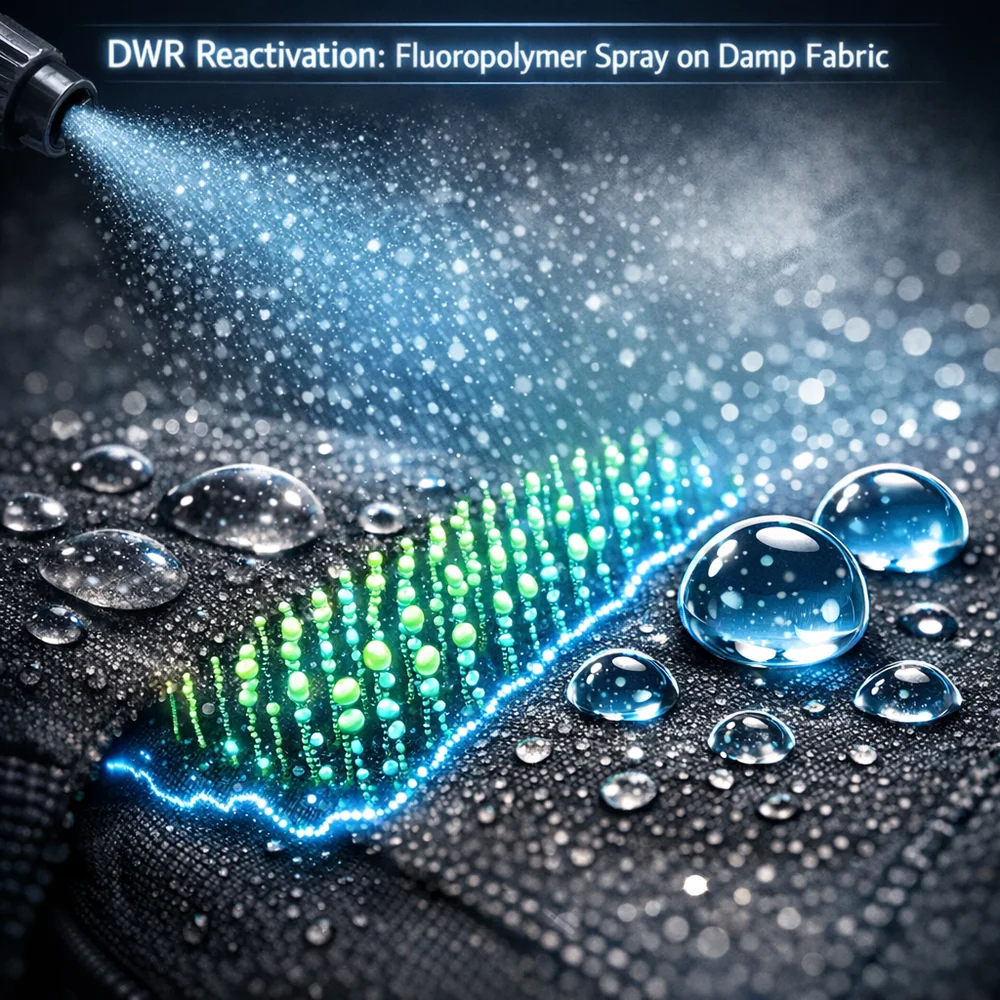
Re-proofing is the final step of the wash. While the bag is still damp from the wash, spray the exterior with a DWR replenisher (specifically for gear, like Nikwax or Grangers). Do not spray the back panel or shoulder straps, as you want these to remain breathable against your skin. Allow the spray to cure according to the instructions. This restores the hydrostatic head of the exterior fabric, protecting the contents from rain.
The Bottom Line Washing removes the repellent finish. Re-spray the exterior (but not the body-contact areas) with a DWR spray while damp to restore water-beading performance.
How to Dry a Backpack Without Damaging It
Drying a backpack correctly is critical to preventing deep-foam mold. Never use a machine dryer. The intense heat will deform the plastic stiffeners, shrink the nylon, and delaminate the PU coating.
Hang the bag upside down. Open every zipper, pocket, and compartment. Hanging it upside down ensures that water drains out of the pockets naturally rather than pooling in the corners. Place the bag in a shady area with excellent airflow. Direct sunlight degrades the nylon (UV damage), weakening the fabric over time.
Stuff the main compartment. Use a dry towel to stuff the main pocket, holding the bag open to maximize airflow to the interior. Remove the towel after an hour. Its job is to absorb initial moisture and prop the bag open. It can take 24 to 48 hours for thick foam straps to dry completely. Do not store the bag until it is bone dry.
The Bottom Line Hang the bag upside down to drain pockets. Use a fan to accelerate drying. Avoid direct sunlight (UV damage) and machine dryers (heat damage). Ensure foam is 100 percent dry to prevent mold.
Conclusion
Mastering the care of backpacks differs from standard laundry. It is technical gear maintenance. The effectiveness of any protocol rests on the protection of the waterproof coating and the preservation of the foam padding. By avoiding the washing machine and using a gentle, component-aware bathtub method, we can remove grime without sacrificing the structural integrity of the pack.
This technical approach respects the composite nature of the equipment. Every clean, functional backpack is a testament to the synergy between patience and material science. Moving away from the toss it in convenience culture ensures that your gear lasts for years of adventure rather than months. It prevents the premature delamination of expensive coatings and keeps zippers running smoothly. By treating your bag as a tool rather than a rag, you maintain its value and utility.
References
- Journal of Outdoor Recreation and Tourism. “Durability of Hiking Equipment: Impact of Cleaning Protocols.”
- American Cleaning Institute. “Cleaning Technical Fabrics: Polyurethane and Nylon Care.”
- Textile Research Journal. “Hydrolysis of Polyurethane Coatings in Outdoor Gear.”
- Consumer Reports. “Backpack Durability: The Effect of Machine Washing on Waterproofing.”
- Journal of Applied Polymer Science. “Degradation of Open-Cell Foam in Aqueous Environments.”