Dry Clean Only Guide: When to Obey the Label
Table of Contents
Things You'll Learn From This Article:
- A “Dry Clean Only” label isn’t always absolute; sometimes it’s a legal precaution, not proof that water will destroy the garment.
- The exact wording matters: “Dry Clean Only” is stricter than “Dry Clean,” which often leaves room for careful washing.
- The biggest risk is usually how a garment is built, not just what fabric it’s made from—structured jackets are far more fragile than simple knits or blouses.
- Blazers, suit jackets, and coats with internal structure can be permanently ruined by water because the hidden layers can bubble or detach.
- Unlined and unstructured items, like sweaters or simple dresses, are often safer to hand wash if the fiber itself tolerates water.
- Some fibers really do need dry cleaning, especially viscose rayon, which weakens and shrinks badly when wet.
- Wool and cashmere can often be washed gently in cool water, and doing so may actually be kinder than repeated dry cleaning.
- Most synthetic fabrics like polyester or nylon handle water well; trims, pleats, or decorations are usually the real reason for the warning label.
- Not all dry cleaning is the same—different cleaners use different solvents, and some are much gentler on beads, plastics, and adhesives.
- Checking the care-tag symbols (like P, F, or W inside a circle) helps you match the garment to the right type of professional cleaning.
- Professional wet cleaning is a modern option that uses water safely and often removes sweat and odors better than traditional dry cleaning.
- Many clothes don’t need cleaning at all—steaming can kill odor-causing bacteria and remove wrinkles without wearing the fabric down.
- A light spray of high-proof vodka on linings can neutralize sweat smells without washing or dry cleaning.
- Home dry cleaning kits are best for freshening lightly worn clothes, not for removing real stains or heavy dirt.
- Cleaning less often and choosing the right method each time helps clothes last longer and saves money over time.
The Dry Clean Only label is often the most misunderstood instruction in the textile industry, functioning more as a liability shield than a fabric safety manual. For the consumer, this tag induces fear and guarantees expensive maintenance bills. For the manufacturer, it acts as a legal safety net against warranty claims.
However, legally and chemically, the distinction between a mandatory instruction and a precautionary recommendation is significant. Understanding the Federal Trade Commission (FTC) guidelines and the actual solubility parameters of your wardrobe allows you to liberate your laundry routine from unnecessary professional intervention.
Legally, manufacturers are required to list at least one safe cleaning method. Under the FTC Care Labeling Rule (16 CFR Part 423), if a manufacturer lists Dry Clean Only, they must possess reasonable basis and testing data proving that water washing will cause substantial damage. However, if the label simply says Dry Clean, it indicates that dry cleaning is the recommended method, but water washing has not necessarily been proven destructive. This nuance creates a window of opportunity for the informed home launderer.

What Happens During Dry Cleaning
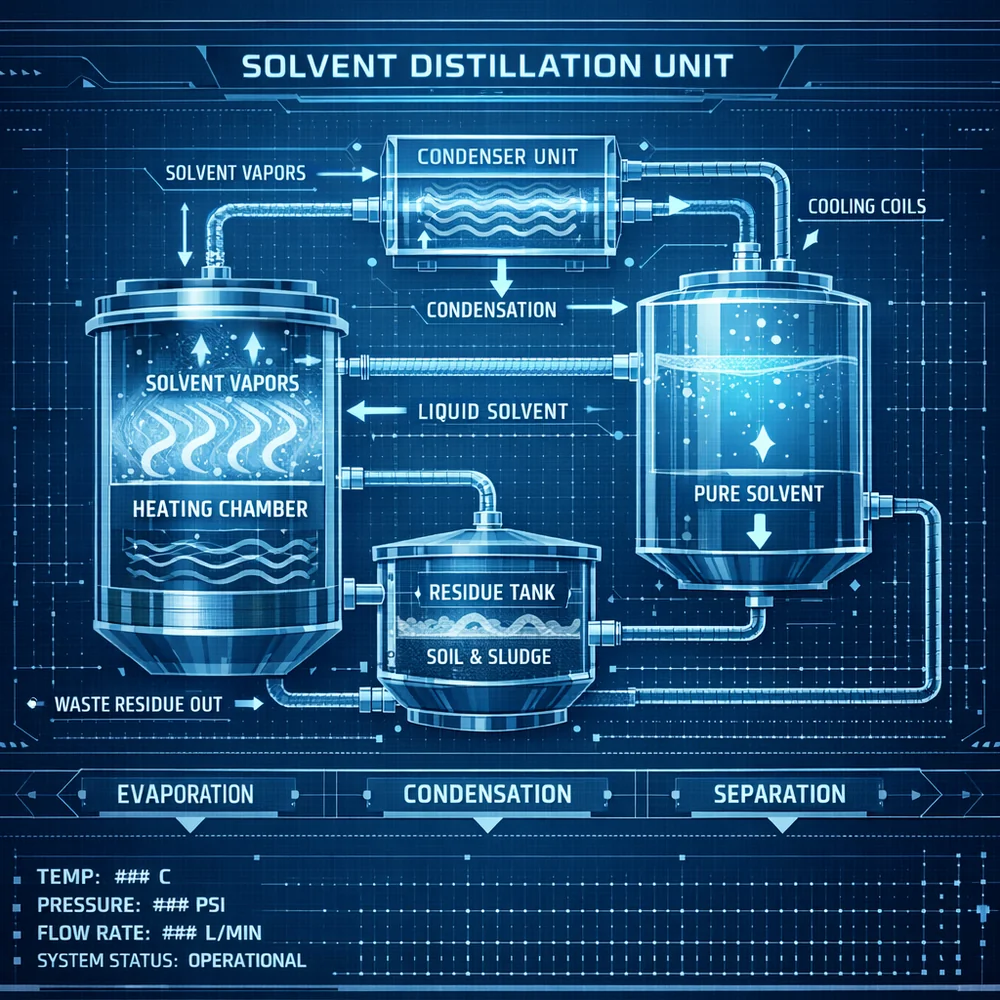
To understand the label, one must first understand what dry cleaning actually physically entails. It is not a dry process. Liquids are used, but they contain no water. The industry standard for decades has been Perchloroethylene (Perc), a chlorinated hydrocarbon. Perc is a highly effective solvent with a high specific gravity (1.62), meaning it is heavy.
This density allows it to pound dirt out of clothes purely through kinetic force during the tumble cycle. Chemically, it is excellent at dissolving lipophilic soils like grease and oil, but it is aggressive on buttons and beadwork.
However, environmental concerns are shifting the industry toward alternatives. GreenEarth cleaning uses liquid silicone (decamethylcyclopentasiloxane), which is chemically inert and has a much lower surface tension than Perc. This allows it to penetrate fibers more gently, making it safer for delicate beads and sequins. Hydrocarbon solvents (like DF-2000) are petroleum-based fluids that mimic the properties of Perc but are less aggressive on plastics.
Knowing your cleaner’s solvent matters. If you have a dress with glued-on plastic gems, Perc might dissolve the adhesive or melt the plastic, whereas silicone would be safe. Dry Clean Only does not specify which dry cleaning, so understanding your local cleaner’s chemistry is vital for protecting mostly-synthetic couture.
The Bottom Line Dry cleaning utilizes liquid solvents like Perc (heavy, aggressive on grease) or Silicone (gentle, chemically inert). Perc’s high density provides superior mechanical cleaning but risks damaging delicate plastic trims that silicone preserves.
Why Structured Garments Need Professional Care
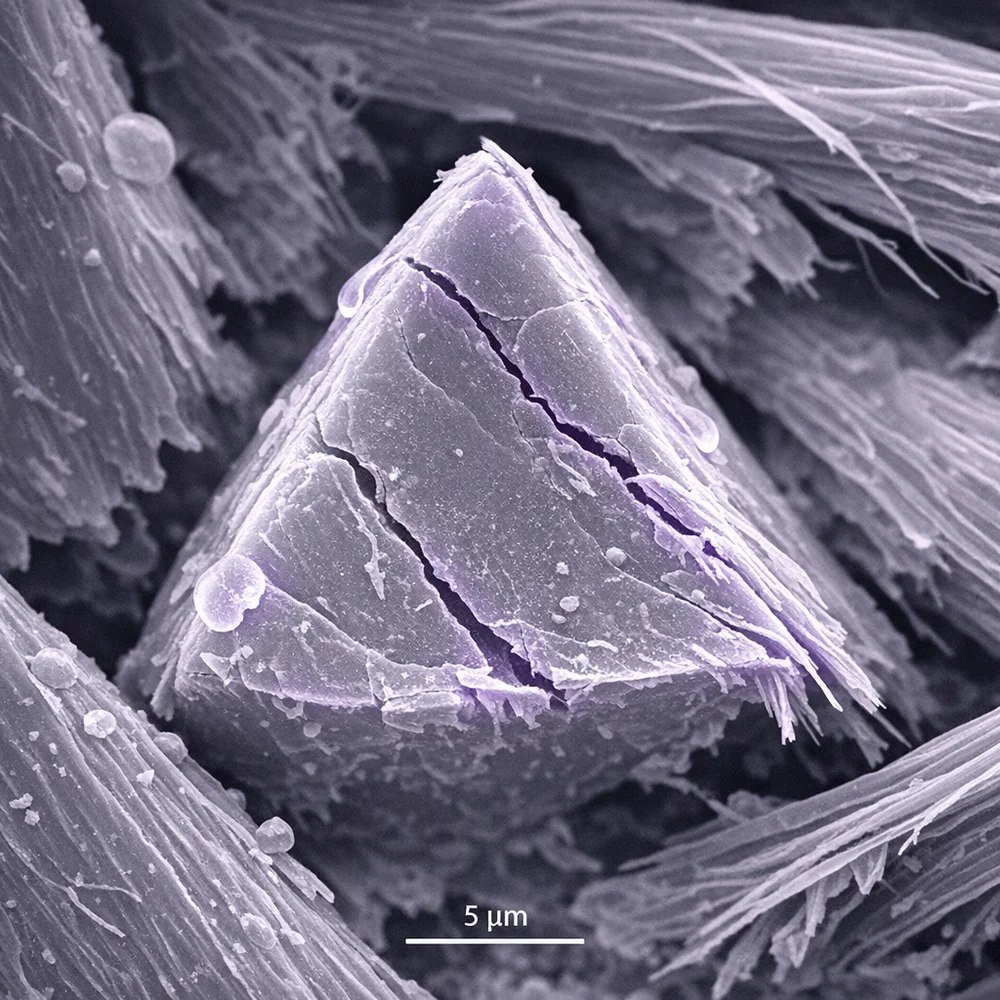
The most critical factor in determining whether to wash or dry clean is often not the fabric, but the construction. A woolen sweater is a single layer of knit fiber. A woolen blazer, however, is an architectural construct. Inside the lapels and collar of a blazer sits a hidden material called interfacing. This canvas or fusible liner gives the jacket its sharp shape. In modern manufacturing, this interfacing is often glued to the shell fabric using water-soluble adhesives.
Water is the enemy of tailored structure. If you submerge a structured blazer in water, the differential shrinkage between the wool shell and the synthetic interfacing creates tension. Worse, the water can dissolve the adhesive, causing the interfacing to detach and bubble, ruining the smooth front of the jacket. This damage is irreversible.
Unlined and unstructured garments offer different possibilities. Unlined silk blouses, simple polyester dresses, or cashmere knits lack this complex internal architecture. Without a fusible interfacing to bubble, the risk profile shifts entirely to the fiber itself. This is why a Dry Clean Only sweater is often a candidate for hand washing, while a Dry Clean Only suit jacket is strictly professional-only.
The Bottom Line Structured garments like blazers rely on varying shrinkage rates and water-soluble glues in their interfacing. Washing them causes permanent bubbling and distortion. Unstructured items lack this risk, making them safer candidates for home care.
Which Fibers Actually Need Dry Cleaning
Once structure is ruled out, the decision rests on the chemical stability of the fiber in water. Some fibers are inherently hydrophilic and unstable. Viscose rayon and lyocell are regenerated cellulose fibers that lose up to 50 percent of their tensile strength when wet. They also suffer from severe hygral expansion, swelling and then shrinking dramatically upon drying.
A rayon blouse can shrink two sizes in a single wash. For these fibers, the Dry Clean Only label is a truth that must be respected. Water washing breaks the hydrogen bonds that hold the polymer chains together, leading to breakage and distortion.
Protein fibers like wool and cashmere behave differently. As detailed in our wool washing guide, hair fibers are designed by nature to withstand rain. While they felt if agitated in hot water (due to scale interlocking), they are chemically stable in cool water. Careful hand washing is often superior to dry cleaning for wool, as solvents strip the natural lanolin oils that keep the fiber soft.
Synthetics are the wildcard. Polyester, nylon, and acrylic are hydrophobic and typically washable. A Dry Clean Only label on a polyester dress is usually there to protect a delicate trim (like pleating or beads) rather than the fabric itself. If the trim is secure, these can often be washed.
The Bottom Line Viscose and rayon lose structural strength and shrink in water; they must be dry cleaned. Wool and cashmere are washable if mechanical agitation is avoided. Synthetics are usually washable unless they feature delicate, non-colorfast trims.
Professional Wet Cleaning: A Better Option
The binary choice between wash at home and dry clean is outdated. A new professional standard called Wet Cleaning is emerging. This involves computer-controlled washing machines that can precisely meter water temperature, agitation levels, and detergent dosing. These machines are capable of washing Dry Clean Only wool suits and silks using water as the solvent.
The advantage is superior water-soluble stain removal. Dry cleaning solvents are excellent for grease (lipophilic) but poor for sweat and salt (hydrophilic). Over time, dry-cleaned clothes can develop a yellow cast or retain odorous salts. Professional wet cleaning removes these contaminants completely, leaving the garment fresher and without the chemical smell of Perc. If your cleaner offers this service, it is often the best choice for natural fibers.
The Bottom Line Professional Wet Cleaning uses computer-controlled aqueous cycles to safely wash dry-clean fabrics. It is superior to solvent cleaning for removing hydrophilic soils like sweat, urine, and salt.
Decoding the Symbols on the Care Tag
While the text Dry Clean Only is blunt, the symbols on the care tag offer a more nuanced chemical directive. The universal symbol for professional cleaning is a circle. However, the letter inside that circle dictates the solvent chemistry allowed.
A circle with the letter P stands for Perchloroethylene (or any solvent). This is the standard reinforced durability tag. A circle with the letter F stands for Flammable (Petroleum-based solvents). This indicates a delicate fabric or trim that will melt or degrade under the aggressive power of Perc. If you take an F labeled garment to a cleaner that only uses Perc, they will likely ruin it. You must find a green or hydrocarbon cleaner.
A circle with the letter W signals Professional Wet Cleaning. This is the rarest and most modern symbol, expressly permitting the aqueous computer-controlled cleaning discussed above. Conversely, a circle with an X through it means Do Not Dry Clean, usually found on plastic-coated rainwear where solvents would dissolve the coating.
The Bottom Line The letter inside the circle dictates the chemistry: P allows for aggressive Perc, F allows only gentle hydrocarbons, and W mandates wet cleaning. Matching the symbol to your cleaner’s equipment is the consumer’s responsibility.
How to Freshen Clothes Without Dry Cleaning
Often, a garment does not need to be cleaned. It just needs to be refreshed. Dry cleaning is an abrasive process that reduces the lifespan of the garment. Extending the interval between cleanings preserves the fiber. You can mimic the deodorizing effect at home using thermal disinfection.
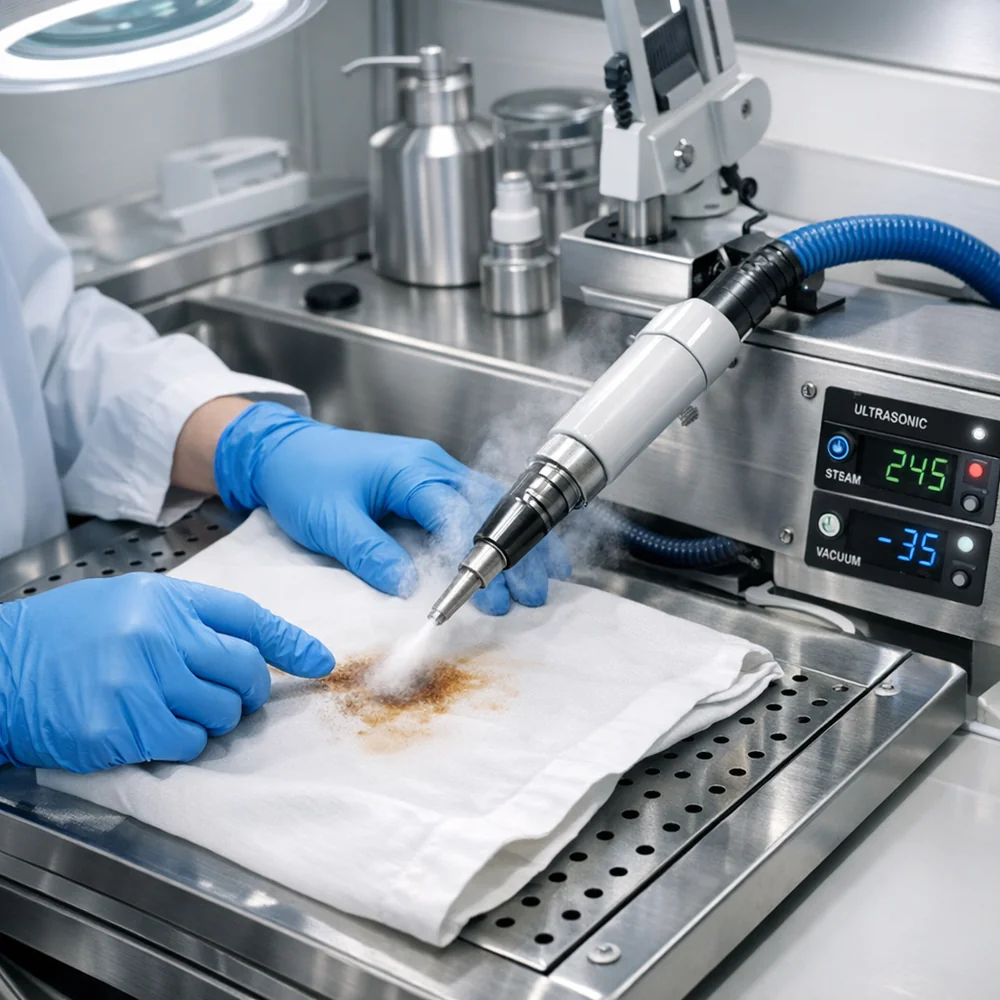
Steam is a potent bactericide. Pass a handheld steamer nozzle over the fabric, keeping it moving to prevent saturation. The 212°F steam kills odor-causing bacteria and relaxes the polymer chains, dropping out wrinkles. For wool, this causes the fiber to swell and regain its loft.
For odors trapped in the lining, use ethanol. A spray of cheap, high-proof vodka is a classic theater costume trick. Vodka kills bacteria on contact and evaporates completely odorless, unlike vinegar which leaves a scent. Mist it lightly on the armpits of linings (always test for colorfastness first) to neutralize sweat smells without the trauma of a wash cycle.
The Bottom Line Steaming kills bacteria and removes wrinkles without immersion. Misting linings with vodka neutralizes biological odors. These techniques bridge the gap between wears, reducing the frequency of damaging professional cleanings.
What Home Dry Cleaning Kits Can and Cannot Do
Home dry cleaning kits (like Dryel) operate on a vapor-phase principle that differs from immersion cleaning. The kit contains a reusable bag and a moist cleaning cloth saturated with water, fragrance, and glycol ethers. You place the garment and the cloth in the bag and tumble it in your home dryer on medium heat. The heat turns the water in the cloth into steam, which relaxes wrinkles and carries the fragrance into the weave.
The surfactant helps to lift surface soils. These soils are then absorbed back into the cleaning cloth. While effective for freshening, this method does not remove heavy stains or ground-in dirt. It is a maintenance tool, not a deep-cleaning tool.
Use these kits strictly for refreshment. They are ideal for sweaters or blouses that are slightly stale but not visibly dirty. Do not expect them to remove an oil stain from a silk tie or the ring around a collar.
The Bottom Line Home dry cleaning kits use steam and glycol ethers to freshen clothes. They are effective for odor removal and de-wrinkling but lack the fluid mechanics to flush away heavy particulate soil or grease.
Conclusion
Mastering the Dry Clean Only label is about understanding the boundaries of risk versus the chemistry of cleaning. The effectiveness of any protocol rests on the accurate assessment of fiber type and garment construction. By respecting the Only warning on structured jackets and viscose rayon, while confidently washing simple unlined knits, we can optimize our laundry budget and garment care.
This technical approach maximizes the lifespan of the wardrobe while minimizing unnecessary chemical exposure. Every successfully hand-washed sweater is a victory of knowledge over fear. Moving away from the binary wash vs. dry clean mindset allows for a spectrum of care options, including professional wet cleaning, steaming, and spot treatment.
It empowers the consumer to make informed decisions based on material science rather than liability labels. The transition from fear-based laundry to evidence-based textile management is a journey of empowerment. It requires the user to look past the label and see the material reality underneath. By mastering these distinctions, you reclaim control over the longevity and hygiene of your personal environment.
References
- Journal of Consumer Affairs. “Impact of Care Labeling Rule on Textile Maintenance.”
- American Cleaning Institute. “Home Dry Cleaning Products: Efficacy and Limitations.”
- Textile Research Journal. “Dimensional Changes in Viscose Rayon Upon Wetting.”
- Consumer Reports. “Testing ‘Dry Clean’ vs ‘Dry Clean Only’: When to Risk the Wash.”
- Journal of Fashion Marketing and Management. “Consumer Perception of Garment Care Labels and Liability.”