Eco-Friendly Solid Dish Soap Guide
Table of Contents
Things You'll Learn From This Article:
- Solid dish soap works differently from liquid detergent, so using less soap and more scrubbing gives better results.
- A single bar lasts much longer than a liquid bottle because it isn’t diluted with water.
- Switching cuts down plastic waste since solid soap doesn’t need disposable bottles or pumps.
- Solid soap needs friction to work, so a stiff brush or loofah cleans better than a soft sponge.
- Hot water helps solid soap dissolve fully and prevents waxy residue on dishes.
- If you have hard water, white residue is normal and easy to remove with a quick vinegar rinse or spray.
- Checking labels matters, because some solid soaps use palm oil that contributes to deforestation.
- Coconut-, olive-, or sunflower-oil soaps clean grease well without relying on palm oil.
- Solid soap feels “grabby” instead of slippery, which usually means dishes are actually clean, not coated.
- Keeping the bar dry between uses prevents it from turning mushy and wasting away.
- Over a year, solid soap often costs less than liquid soap when you factor in how long it lasts.
- Soap nuts work for light cleaning but struggle with greasy pans and heavy food residue.
- Dish blocks made from coconut-derived surfactants offer strong foam without harsh chemicals.
- DIY solid soap is possible, but methods using lye require strict safety precautions.
- Solid dish soap runoff is safer for septic systems, gardens, and off-grid living.
That plastic bottle of blue liquid next to your sink is a modern invention. For centuries, households washed dishes with solid soap, efficiently and without waste. The zero-waste movement has revived this practice for good reasons: solid soap eliminates single-use plastics and offers a more concentrated, often chemical-free way to clean.
The switch does require some adjustment. Unlike liquid detergents designed to explode with instant foam, solid soaps work on different principles. Understanding those differences makes the transition sustainable instead of frustrating.
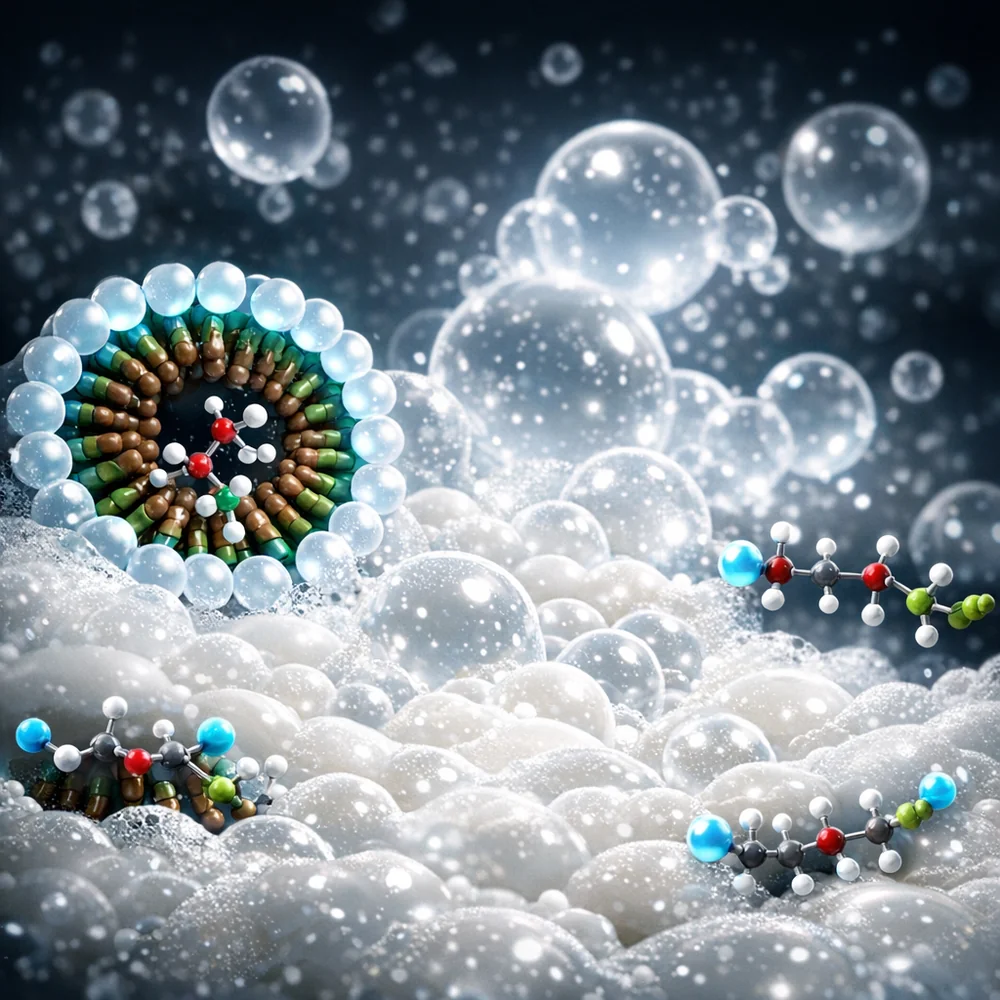
The Chemistry Difference
That liquid soap is technically a “detergent,” not soap. It is a mix of synthetic surfactants like Sodium Lauryl Sulfate, stabilizers, preservatives, and fragrances diluted with up to 80% water. You are essentially paying for perfumed water in a plastic bottle.
Solid dish soap is typically true soap (saponified oils) or a concentrated bar of plant-derived surfactants. Because it contains no water, it needs no chemical preservatives to prevent bacterial growth. The bar is self-preserving.
This concentration means a small amount goes a very long way. A single rub of a wet brush picks up enough cleaning agents for a sink full of dishes. The shipping footprint is also a fraction of heavy liquid bottles.
The Bottom Line Liquid dish soap is mostly water and preservatives in plastic packaging. Solid bars are 100% active concentrate with no packaging waste.
Why Less Soap Means Better Results
When you squeeze liquid soap onto a sponge, much of it washes down the drain before you scrub the first plate. The viscosity is engineered for rapid dispensing, which leads to overuse.
Solid bars enforce physical limits. You must mechanically abrade the surface to release soap. This friction-based dispensing ensures you use exactly what you need.
The surfactants in solid bars, often coconut-oil based, are highly effective degreasers. Coconut oil soap has high lauric acid content, producing a fluffy lather that cuts through animal fats and vegetable oils with ease.
The Bottom Line Solid bars force you to use only what you need. Liquid soap encourages wasteful over-dispensing.
The Palm Oil Problem
While solid soaps solve the plastic bottle issue, many introduce another concern: palm oil. It creates hard, long-lasting bars with creamy lather, making it popular in soap formulations.
Conventional palm oil production drives devastating deforestation in Southeast Asia. When selecting eco-friendly solid dish soap, label scrutiny matters.
Look for certification from the Roundtable on Sustainable Palm Oil (RSPO), or better yet, seek palm-free formulas. Soaps based on olive oil, coconut oil, or sunflower oil offer excellent performance without the rainforest footprint. Note that 100% olive oil soaps cure into very soft bars unless aged 6 to 12 months, so most palm-free options use coconut blends for structural integrity.
The Bottom Line Palm oil in soap contributes to deforestation. Look for RSPO certification or choose palm-free formulas based on coconut or olive oil.
Understanding Soap Scum Chemistry
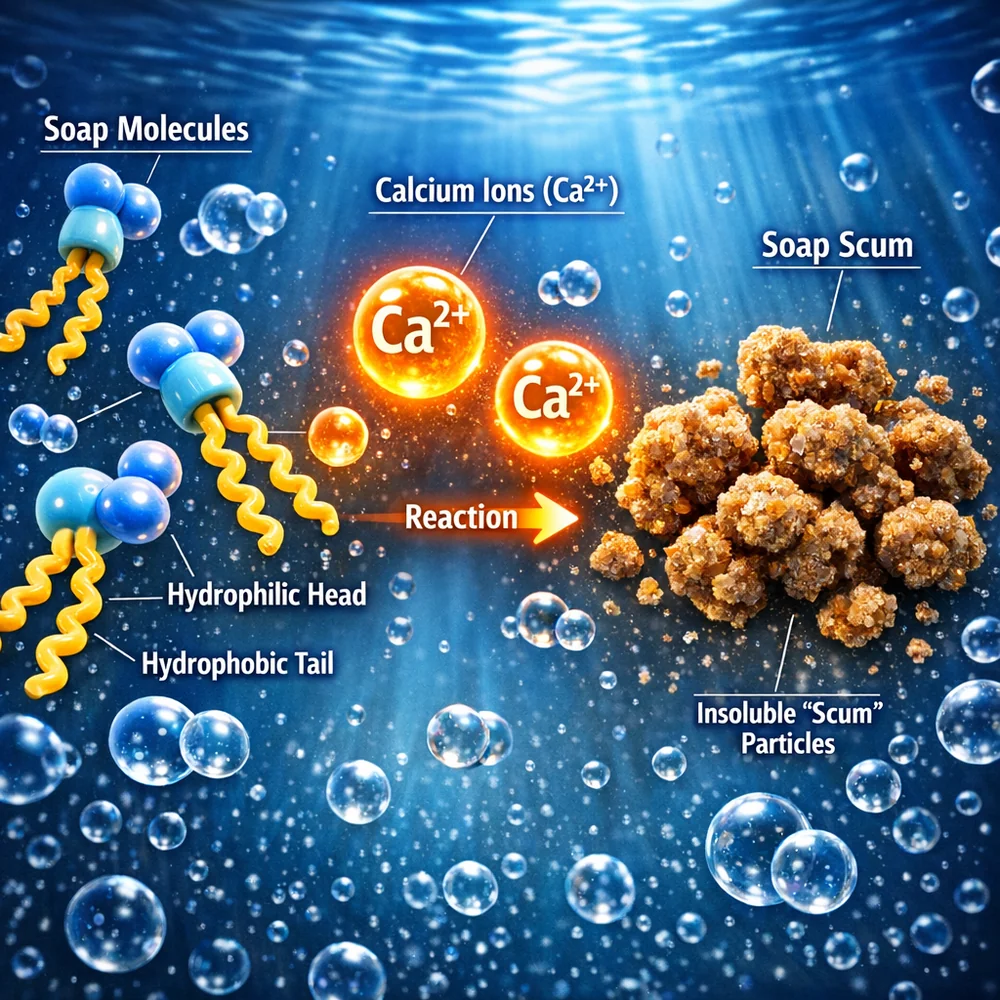
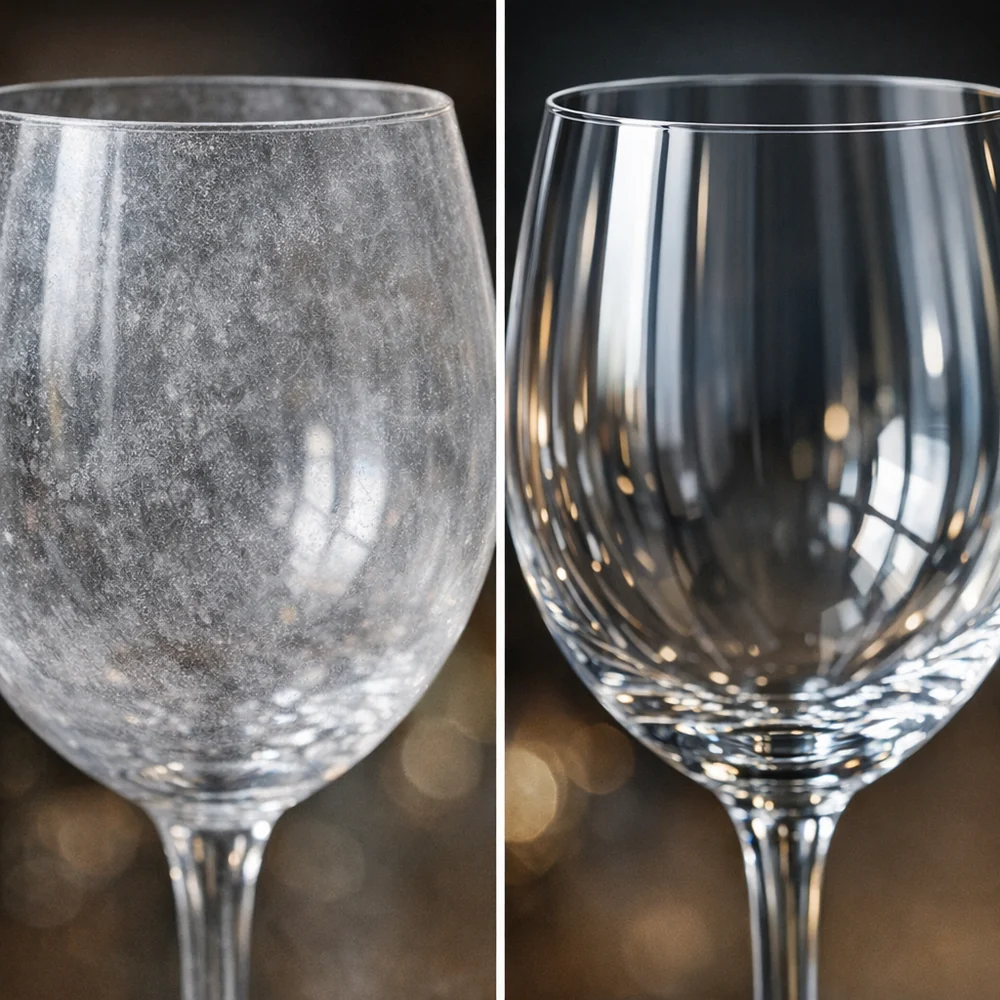
The most common complaint when switching to solid soap is waxy residue or “scum” on surfaces. This is not soap failing; it is chemistry happening.
True soap is a slightly alkaline salt. When it meets minerals in hard water (calcium and magnesium ions), a chemical exchange occurs. Soap molecules grab calcium ions and precipitate out of water, forming calcium stearate, the white residue known as soap scum.
Liquid detergents avoid this by including chelating agents that bind minerals before they can react with surfactants. Simple soaps lack these additives.
If you have hard water, this reaction is inevitable with true soap. The solution is acid. A spray bottle of diluted white vinegar by the sink dissolves calcium stearate instantly. Mist the basin after washing and the scum disappears.
The Bottom Line Soap scum forms when true soap reacts with hard water minerals. A quick vinegar spray dissolves it completely.
The Real Cost Comparison
A solid dish soap bar at $10 to $15 shocks consumers accustomed to $3 liquid bottles. But per-wash math tells a different story.
A standard 24oz liquid bottle typically lasts 4 to 6 weeks. That means 10 to 12 bottles per year, costing $40 to $60 plus generating 10 to 12 pieces of plastic pump waste.
A dense 8oz solid bar, kept dry, lasts 4 to 6 months. An annual supply requires only 2 to 3 bars. At $12 per bar, yearly cost is $36 with zero plastic waste.
The hidden cost of liquid soap is its water content. You pay to ship water from factory to home. Solid soap is 100% active ingredient. When longevity is factored in, solid options run 20 to 30% cheaper annually.
The Bottom Line Solid soap seems expensive until you realize one $12 bar equals five $4 liquid bottles. Annual cost is lower, and plastic waste is zero.
The Transition Period
The biggest hurdle for new users is the lack of “slip.” Liquid detergents contain synthetic lubricants that make sponges glide effortlessly. True soap has a grabby, squeaky feel.
This friction is actually a sign of cleanliness. You are feeling the bare surface of the plate without synthetic film. To adjust, use a stiff natural-bristle brush rather than a soft sponge. Bristles generate necessary lather and mechanical action.
Another adjustment is water temperature. True soap performs best in hot water. In cold water, natural oils can solidify, potentially leaving waxy residue. Hot rinse water fully dissolves soap traces.
The Bottom Line The “drag” you feel is not a defect; it is a truly clean surface. Use stiff brushes and hot water for best results.
Soap Nuts and Other Alternatives
For the ultimate chemical-free experience, some turn to soap nuts (Sapindus mukorossi). These dried berries contain natural saponin released when agitated in water.
While excellent for laundry, soap nuts struggle with heavy kitchen grease. They lack the alkalinity needed to saponify fats on contact. They work for lightly soiled tea cups but may fail against a greasy roasting pan.
A better middle ground is a “dish block” made from sodium cocoyl isethionate (SCI). This mild, coconut-derived surfactant offers the foaming performance of synthetic detergent with the biodegradable profile of natural soap.
The Bottom Line Soap nuts work for light dishes but struggle with grease. SCI-based blocks offer natural ingredients with synthetic-level cleaning power.
DIY Options: Two Approaches
Making your own solid dish soap allows complete ingredient control. Two primary methods exist.
The Cold Process Method is traditional soapmaking: reacting coconut oil with sodium hydroxide (lye). Pros include extremely low cost per bar and aggressive degreasing power. Cons include handling caustic lye (safety gear mandatory) and requiring 4 to 6 weeks curing time. Never attempt this without proper safety protocols.
The SCI Melt and Pour Method uses pre-made surfactant noodles. You heat them with liquid and binding agents, then press into molds. No lye risks, no curing time, and pH is neutral rather than alkaline. SCI noodles cost more than raw coconut oil but eliminate safety concerns.
The Bottom Line Cold process requires lye handling and curing time but costs least. SCI melt-and-pour is beginner-friendly and ready immediately.
Preventing Bar Mushiness
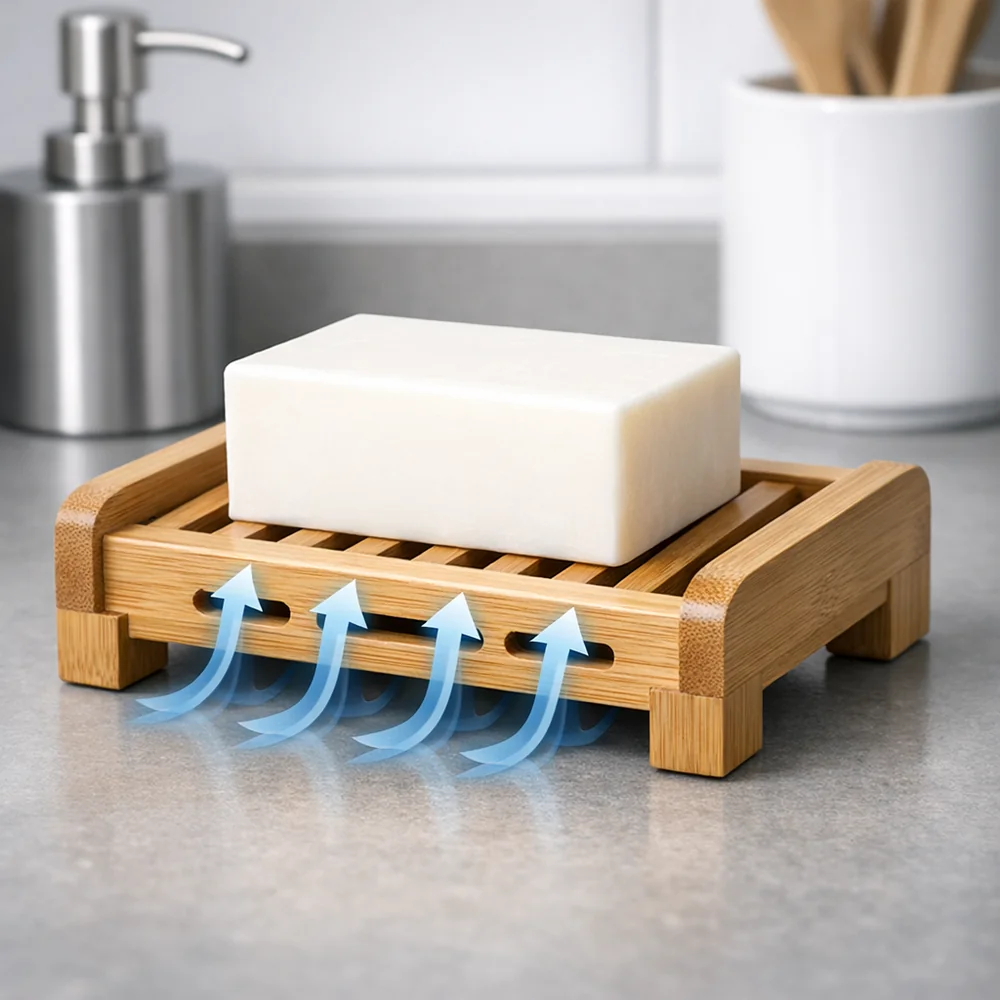
The enemy of solid soap is standing water. A bar sitting in a puddle dissolves into gelatinous goop, wasting your money down the drain.
Wood or bamboo slats allow maximum airflow but eventually mildew. Silicone draining trays with angled channels direct runoff back to the sink and are dishwasher safe. Dual-layer dishes with catch basins keep counters dry but require emptying to prevent moisture buildup.
The vertical hack works best: mount soap magnetically using a bottle cap pressed into the bar. This ensures 360-degree airflow and zero puddle contact.
The Bottom Line Solid soap must drain and dry between uses. Silicone trays or magnetic mounts prevent the mushy waste of sitting in water.
Dealing with Spots and Film
White spots on glassware after switching to solid soap signal hard water minerals reacting with soap.
Unlike detergents containing chelating agents, true soaps cannot prevent this reaction. The solution is acidic rinse. A splash of white vinegar in rinse water, or a spray bottle of diluted vinegar kept by the sink, neutralizes alkalinity and dissolves spots instantly.
The Bottom Line Hard water minerals cause spots with solid soap. A vinegar rinse eliminates them.
Greywater Safety
One of the strongest arguments for solid soap is greywater safety. Because they lack phosphates, phthalates, and microbeads, the runoff is safe for garden irrigation.
Solid soaps biodegrade fully. In septic systems, they break down rapidly without disrupting bacterial balance. This makes them ideal for cabins, RVs, and off-grid living where water treatment is localized.
The Bottom Line Solid soap runoff is safe for greywater irrigation and septic systems. Synthetic detergent runoff often is not.
30-Day Transition Guide
Changing to solid soap is a lifestyle adjustment. Here is what to expect.
Week 1: Your sponges and sink likely have residual detergent and silicone dampeners. As you switch, you may see increased spots as old films are stripped away. You might feel soap “drag” on dishes. This is normal.
Week 2: If you have hard water, calcium stearate becomes noticeable. Introduce the vinegar spray bottle for the sink and final rinse water.
Week 3: Flimsy synthetic sponges do not work well with solid bars. Invest in a stiff tampico fiber brush or loofah scourer. Natural fibers grab soap more effectively.
Week 4: You have adjusted water temperature, know intuitively how many swirls for a lasagna pan versus a coffee mug, and “squeaky clean” feels normal while synthetic slipperiness feels foreign.
The Bottom Line Give yourself a month to adapt. The right tools (stiff brush, vinegar spray, draining dish) make the difference.
Conclusion
Switching to solid dish soap is a small behavior change with compounding benefits. It declutters the sink, removes plastic from the waste stream, and introduces safer chemistry to your kitchen.
The transition requires patience, but the rewards are tangible. A plastic-free sink is possible, and with the right tools and knowledge, it can be just as efficient as the conventional alternative.
References
- Environmental Science & Technology. Lifecycle Inventory of Bar Soaps vs. Liquid Soaps.
- Journal of Surfactants and Detergents. Efficacy of Sodium Cocoyl Isethionate.
- Consumer Reports. Cost Analysis of Household Cleaning Products.
- The Soap and Detergent Association. Safety of Saponified Products.
- Waste Management Journal. Plastic Reduction in Consumer Goods.